
 By admin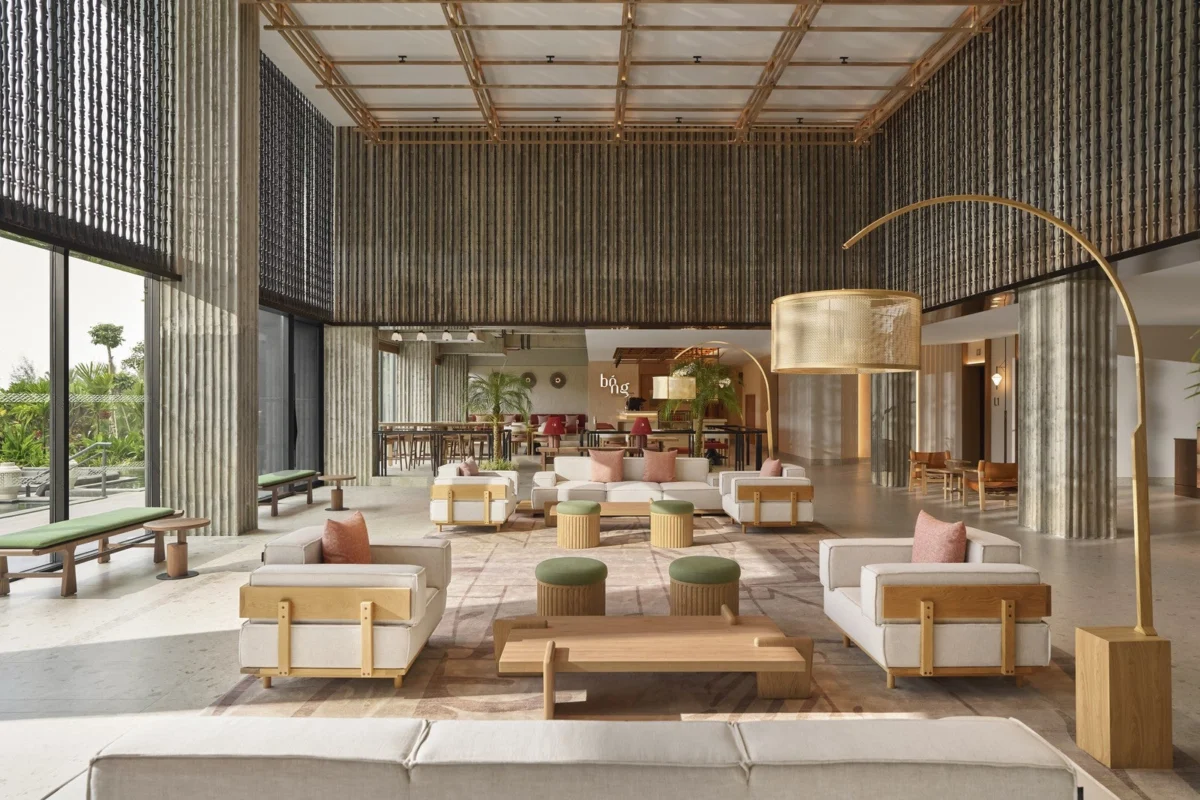
Hoi An has long been a crown jewel of Vietnamese tourism. A UNESCO World Heritage site since 1999, the city serves as a living museum of a 15th- to 19th-century Southeast Asian trading port. Its narrow streets, lined with mustard-yellow colonial buildings, Japanese bridges, and Chinese assembly halls, are famous for the nightly glow of thousands of silk lanterns. However, as the city’s popularity has surged, the challenge for developers has been to create luxury accommodations that feel integrated into this delicate historical fabric rather than imposed upon it. The NHAAN Resort & Spa attempts to solve this puzzle through a philosophy embedded in its very name—derived from the Vietnamese words "nhà" (home) and "an" (peace).
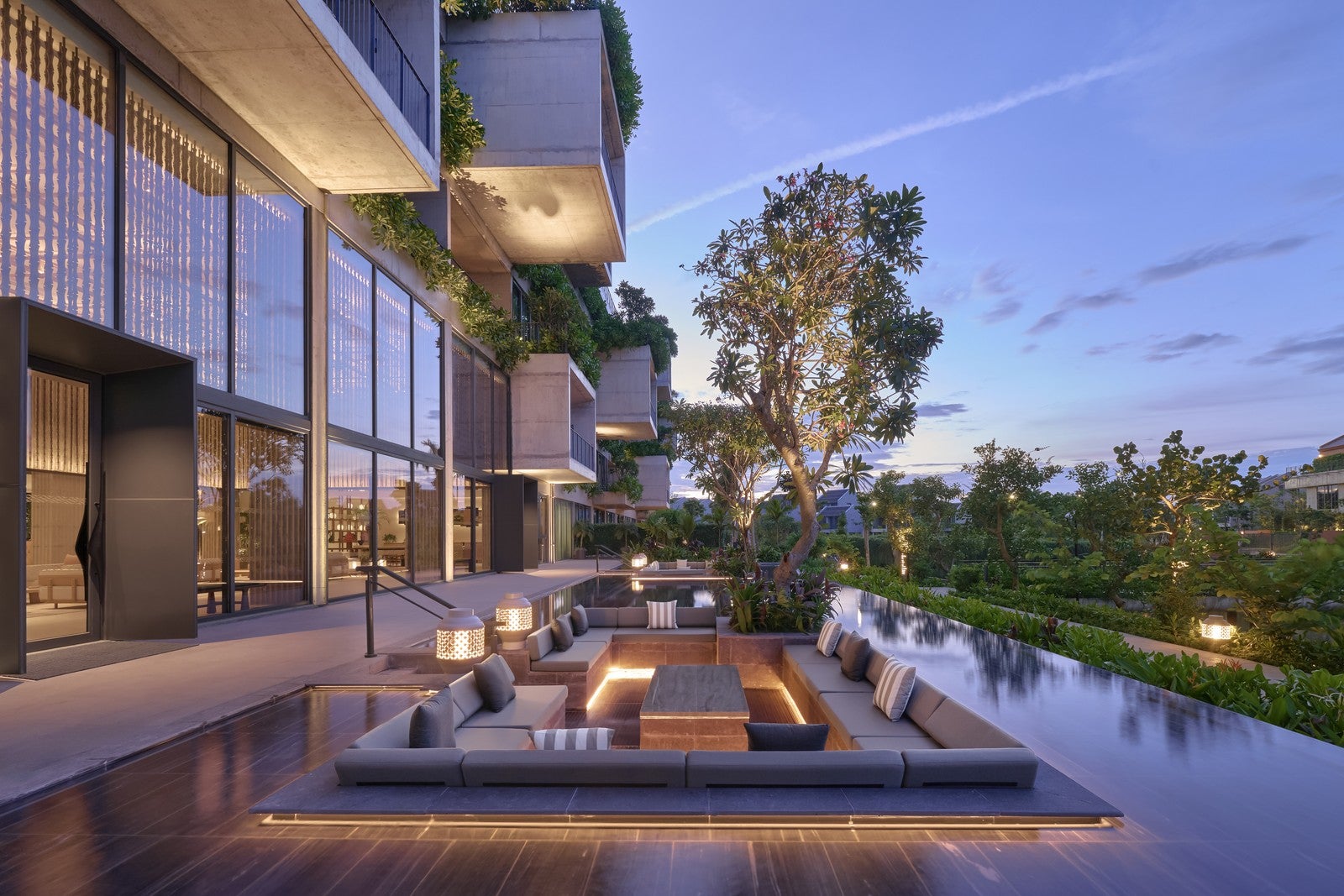
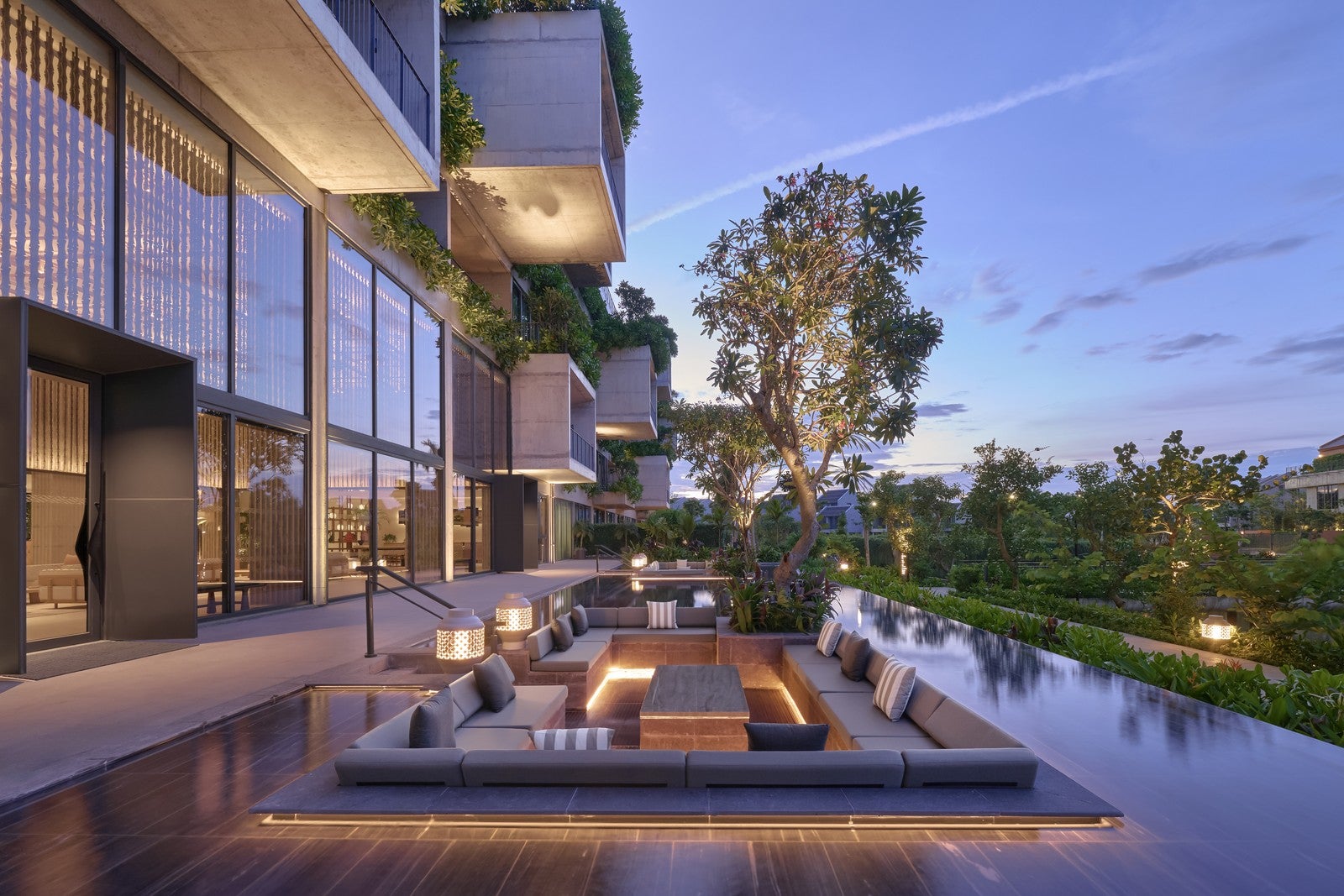
The resort’s architectural pedigree is one of its most striking features. Designed by the internationally acclaimed Vietnamese architect Vo Trong Nghia, the property reflects a "green architecture" ethos that has become synonymous with Nghia’s work. Known for integrating lush vegetation and sustainable materials like bamboo and stone into modern structures, Nghia has designed NHAAN to be a sanctuary that breathes. The resort features 174 rooms that eschew the sterile minimalism of standard luxury hotels in favor of a "modern chic" aesthetic that incorporates local artisanal elements. Guests will find interiors adorned with traditional pottery from the nearby Thanh Ha village and intricate textiles that pay homage to Hoi An’s history as a silk trading hub. Large windows and open-air corridors ensure that the boundary between the manicured tropical gardens and the living spaces remains porous, allowing the river breeze to naturally cool the property.
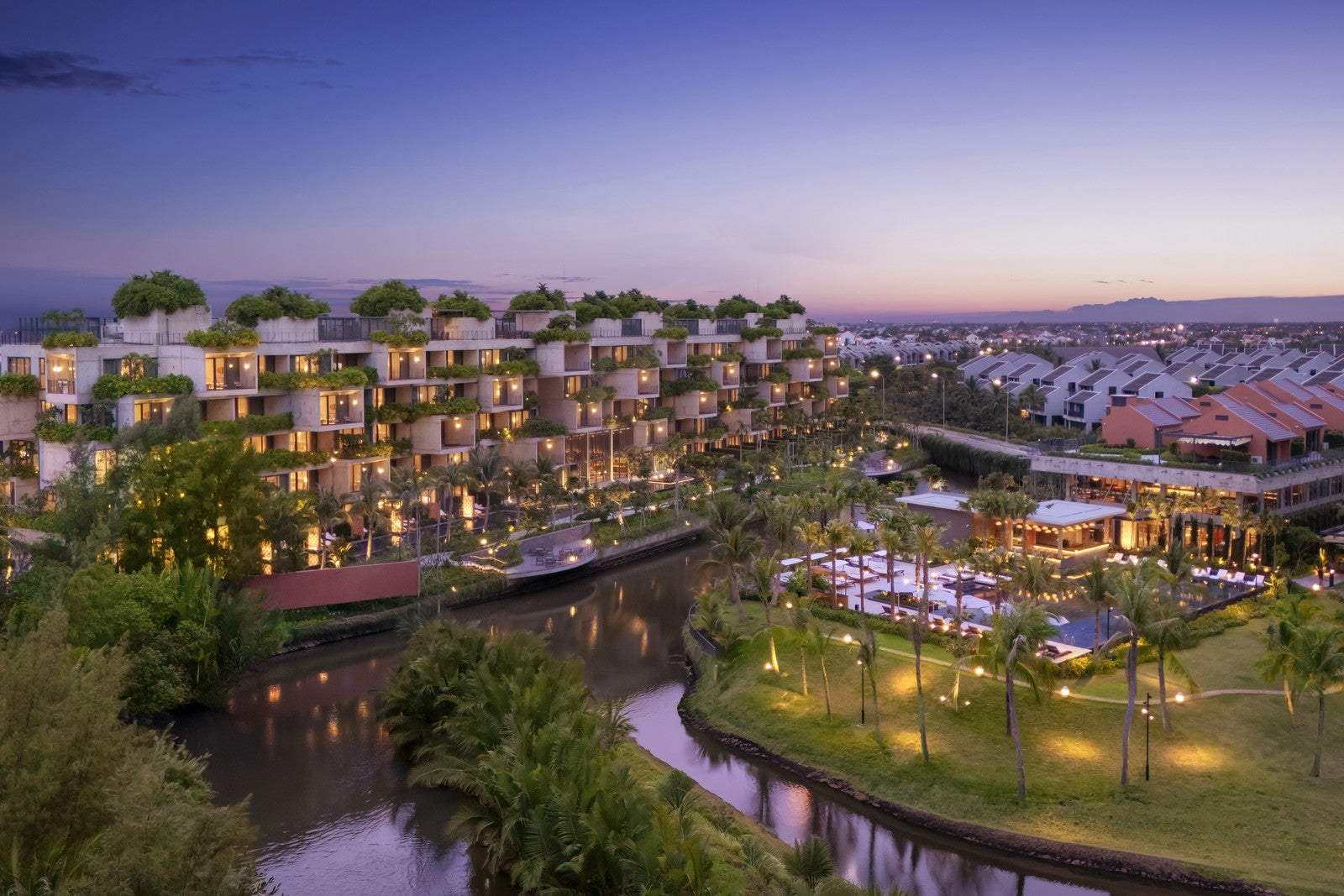
Strategically located in Cam Thanh Village, the resort offers a distinct geographical advantage. While the historic Old Town is easily accessible via a short bicycle ride or shuttle, the resort itself is nestled in an area famous for its water coconut forests and traditional fishing life. This placement allows guests to experience the "dual soul" of Hoi An: the bustling, lantern-lit commerce of the center and the agrarian, river-focused peace of the outskirts. By positioning the hotel on the Co Co River, Hilton is tapping into a growing trend of "slow travel," where visitors prefer to watch the sunrise over the water and observe local fishermen rather than being caught in the thick of the midday tourist crowds.
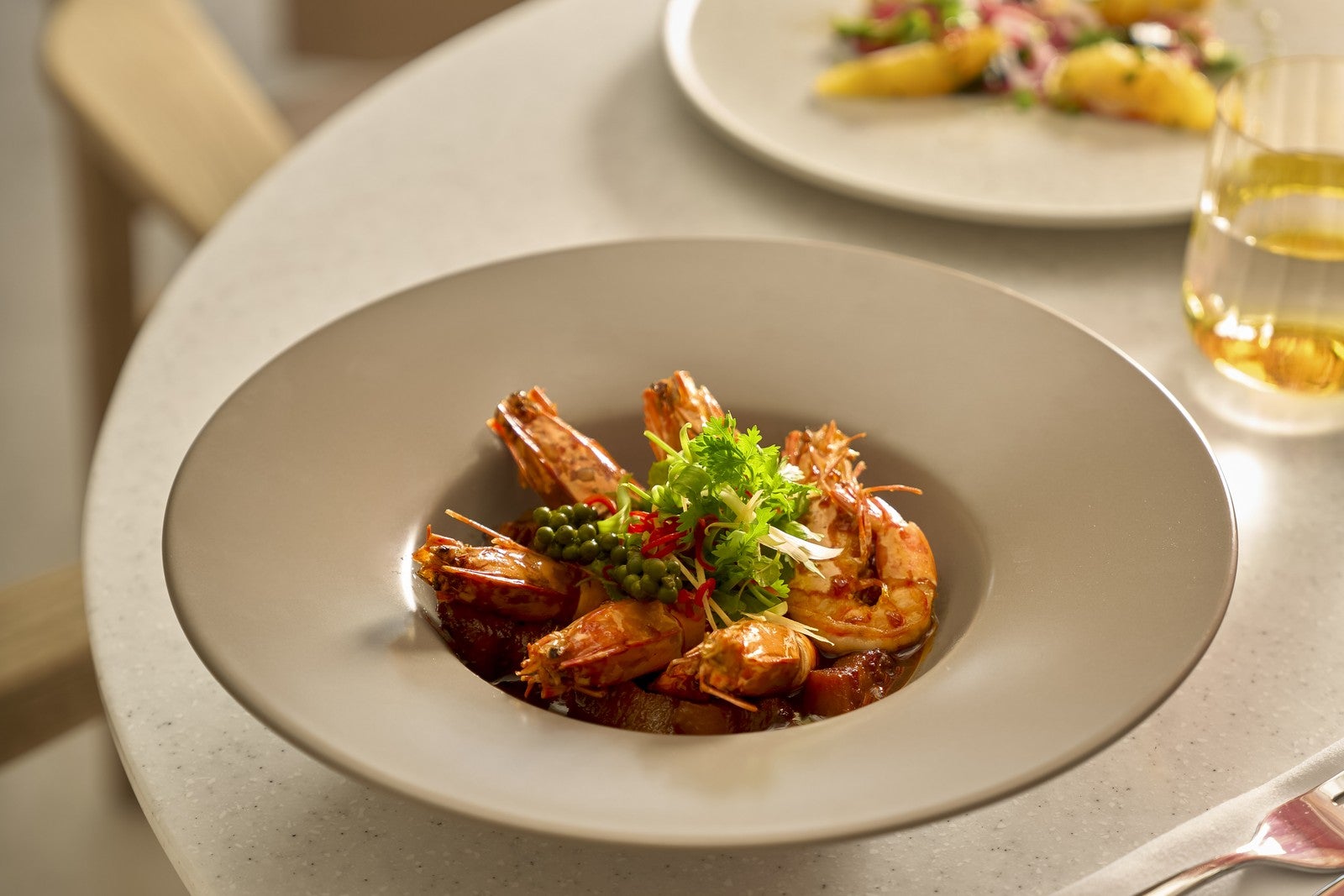
The culinary program at NHAAN Resort & Spa is designed to be an extension of Hoi An’s world-famous food scene. The city is often cited as the culinary capital of Vietnam, home to specific regional dishes like Cao Lau (thick rice noodles with pork) and Com Ga (chicken rice) that cannot be authentically replicated elsewhere due to the specific alkaline water found in local ancient wells. The resort features four distinct dining venues to capture this gastronomic heritage. Keng Restaurant serves as the all-day dining hub, blending international favorites with Vietnamese staples. For a more specialized experience, Plait Restaurant offers a seafood-forward menu that utilizes the daily catch from the nearby Cua Dai beach. The transition of the property’s cafe into a sophisticated cocktail bar at night reflects the changing rhythm of the city, while the poolside bar provides a casual retreat for those looking to escape the midday heat.
Beyond physical luxury, the resort emphasizes experiential programming. In an era where "amenities" now include cultural education, NHAAN offers guests the opportunity to engage with local craftsmen through pottery-throwing, lantern-making, and wood-carving workshops. These are not merely superficial tourist activities; they are designed to support the local artisan economy and provide guests with a tangible connection to the heritage of the Quang Nam province. For families, the craft-based kids’ club ensures that younger travelers are introduced to Vietnamese culture through play, while the Efoea Spa & Health Club provides a high-end wellness retreat for adults, focusing on traditional Vietnamese healing techniques and herbal ingredients.
The debut of the Tapestry Collection in Hoi An is a calculated move by Hilton to capture a larger share of the Southeast Asian market. Alexandra Murray, Hilton’s area vice president and regional head of South East Asia, noted that Vietnam remains one of the region’s most compelling travel markets. According to Murray, travelers are increasingly seeking stays that feel personal and connected to their surroundings. By bringing the Tapestry Collection to Hoi An, Hilton is offering a product that competes directly with local boutique hotels while providing the peace of mind that comes with the Hilton Honors loyalty program.
From an award travel perspective, the NHAAN Resort & Spa presents an extraordinary value proposition. With cash rates starting as low as $76 per night, the property is remarkably accessible for a high-end resort. However, for members of the Hilton Honors program, the ability to book rooms starting at 20,000 points per night is particularly noteworthy. In the world of points and miles, finding a brand-new, architecturally significant resort in a world-class destination for such a low point redemption is becoming increasingly rare. When factoring in the "5th Night Free" benefit available to Hilton Honors Silver, Gold, and Diamond elite members on all-point stays, the effective cost drops to just 16,000 points per night for a five-night stay. This makes the property an ideal "sweet spot" for travelers looking to maximize the value of points earned through credit cards like the Hilton Honors American Express Aspire Card or the Hilton Honors American Express Surpass® Card.
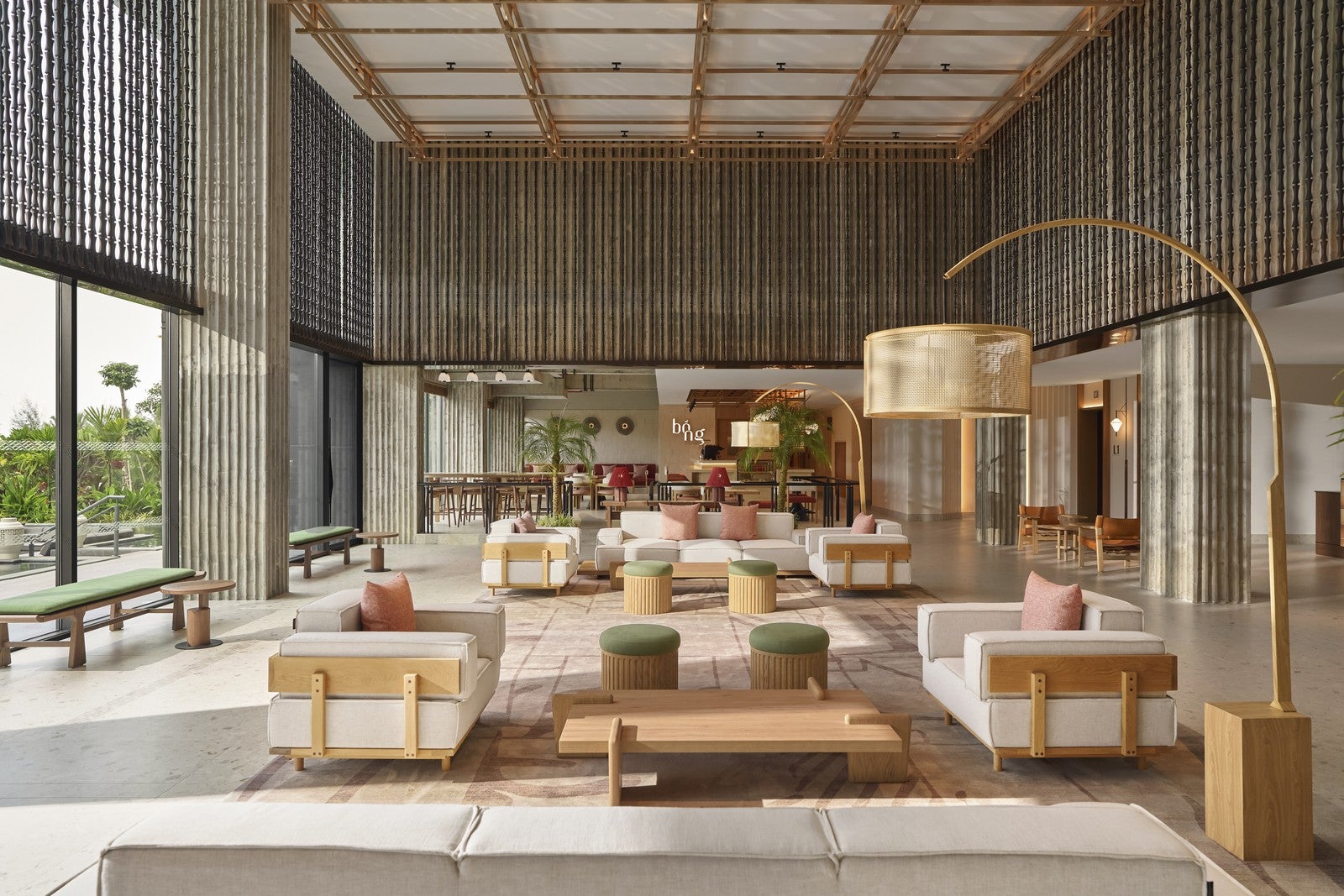
The broader context of this opening relates to Vietnam’s post-pandemic tourism recovery. The country has seen a massive influx of international investment in its hospitality sector, with a specific focus on the "Central Coast" corridor stretching from Da Nang to Hoi An. While Da Nang has become a hub for high-rise luxury and mega-resorts, Hoi An has maintained a stricter grip on its aesthetic identity. The NHAAN Resort’s commitment to low-rise, eco-conscious design aligns with the local government’s goals of sustainable tourism development. As travelers become more conscious of their environmental footprint, properties that prioritize natural light, local materials, and community engagement are likely to see higher long-term demand.
For the traveler, the opening of NHAAN Resort & Spa Hoi An signifies a shift in how "luxury" is defined in Southeast Asia. It is no longer just about the thread count of the sheets or the brand of the toiletries; it is about the story the building tells and the access it provides to the local culture. Whether it is taking a bicycle tour through the rice paddies of Cam Thanh or learning the delicate art of wood carving from a master craftsman, the resort serves as a gateway to the authentic Hoi An.
In conclusion, Hilton’s latest venture in Vietnam is more than just a new place to sleep. It is a sophisticated blend of world-class architectural design, strategic brand positioning, and deep-rooted cultural appreciation. By offering this experience at a price point—both in cash and points—that remains accessible to a wide range of travelers, Hilton is setting a new benchmark for boutique-style hospitality in the region. As Hoi An continues to evolve from a hidden gem into a global bucket-list destination, the NHAAN Resort & Spa stands ready to offer a "home of peace" to those who wish to discover the soul of Vietnam without sacrificing the comforts and rewards of a premier global hotel brand. This opening reinforces the idea that the future of travel lies in the intersection of global standards and local heart, a balance that NHAAN seems to have struck with remarkable precision.
