
 By admin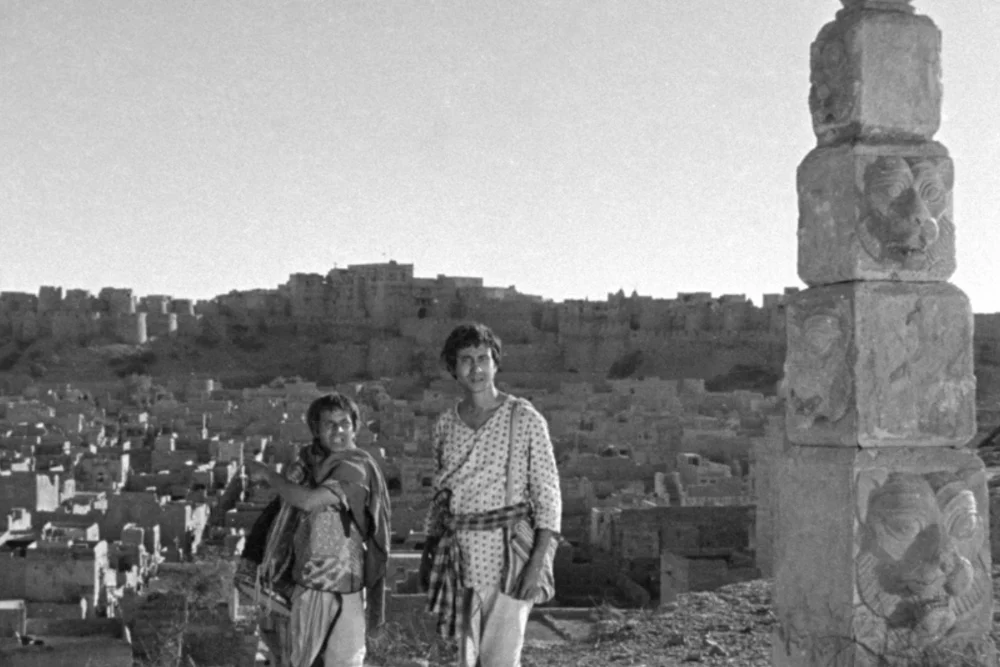
In a cinematic endeavor poised to delve into the annals of Indian film history, National Award-winning filmmaker Srijit Mukherji is set to bring to the screen the intricate and often challenging journey behind the creation of Satyajit Ray’s beloved classic, "Goopy Gyne Bagha Byne." Titled "Maharaja Tomare Selam," the film promises a compelling exploration of the creative process, the socio-political milieu, and the artistic vision that coalesced to produce one of Indian cinema’s most enduring masterpieces. The project, announced with considerable anticipation within filmmaking circles, is slated to commence principal photography in January 2027, marking a significant milestone in the ongoing engagement of contemporary Bengali cinema with the legacy of its most revered figure.
The ensemble cast for "Maharaja Tomare Selam" includes Jeetu Kamal, Ritwik Bhowmik, Rudranil Ghosh, Satakshi Nandy, Sairity Banerjee, and Arijit Dutta. Their involvement suggests a nuanced portrayal of the individuals who populated Ray’s creative universe during the formative stages of "Goopy Gyne Bagha Byne." The film is being produced by Hoichoi Studios and Friends Communication, with a crucial association with Piyali Films Pvt. Ltd., the original producer of "Goopy Gyne Bagha Byne." This collaboration underscores the authenticity and reverence with which the project is being approached, aiming to provide an insider’s perspective on a film that has captivated generations.
The title, "Maharaja Tomare Selam," itself is a poignant echo from the original film, being the name of a memorable song within "Goopy Gyne Bagha Byne." This choice of title is not merely aesthetic; it signifies the film’s central focus on Satyajit Ray himself. The narrative will orbit around the legendary director, delving into the immense pressures he navigated and the critical choices he made while bringing "Goopy Gyne Bagha Byne" to life. The backdrop for this creative struggle will be a politically charged Kolkata, a city then grappling with its own complex narratives of change and identity, mirroring the subtle yet potent social and political undertones that characterized Ray’s cinematic oeuvre. The film aims to illuminate how Ray, against such a backdrop, willed his fantastical creation into existence, transforming a whimsical premise into a film that resonated deeply with audiences and critics alike.
Released on May 8, 1969, "Goopy Gyne Bagha Byne" is a film that transcended its genre to become a cultural phenomenon. It narrated the charming tale of two utterly inept village musicians, Goopy and Bagha, brought to life by the memorable performances of Tapen Chatterjee and Rabi Ghosh. Banished from their homes for their lack of musical talent, they are granted magical boons by the King of Ghosts. These powers become instrumental in their journey, ultimately leading them to avert a catastrophic war between two neighboring kingdoms through their unique brand of music and diplomacy. However, to categorize "Goopy Gyne Bagha Byne" solely as a children’s fantasy would be an oversimplification. Beneath its surface of magical realism and lighthearted adventure lay profound social and political commentary. The film subtly explored themes of class disparity, the role of art in society, and the absurdity of conflict. Ray, a master satirist, would later sharpen these critiques into direct satire of authoritarian rule in his 1980 sequel, "Hirak Rajar Deshe" (The Kingdom of Diamonds), a film that stands as a powerful allegory for political dissent and oppression. The beloved trilogy was eventually completed by Ray’s son, Sandip Ray, with "Goopy Bagha Phire Elo" (Goopy and Bagha Return) in 1992, further cementing the enduring appeal of these characters and their universe.
Satyajit Ray’s contribution to cinema is immeasurable. Over a career spanning more than three decades, he crafted a body of work that redefined Indian filmmaking and garnered international acclaim. Landmarks such as "Pather Panchali" (The Song of the Little Road), the inaugural film of his Apu Trilogy, and the elegantly crafted period drama "Charulata" (The Lonely Wife) are testaments to his unparalleled artistic vision and storytelling prowess. Ray’s influence extended beyond the narrative to encompass cinematography, music, and production design, creating a holistic cinematic experience. His profound impact was recognized globally when, in 1992, mere weeks before his passing, he was bestowed with an honorary Academy Award for his lifetime achievement. This distinguished honor marked him as the first Indian filmmaker to receive such prestigious recognition, a testament to his universal appeal and the enduring legacy of his cinematic contributions.
Speaking about his ambitious project, Srijit Mukherji articulated his driving motivation: "I am just trying to tell the incredible true story of how one of the greatest classics of Indian cinema, ‘Goopy Gyne Bagha Byne,’ was conceived and made." This statement highlights Mukherji’s deep respect for Ray’s work and his desire to demystify the creative genesis of a film that holds such a cherished place in the hearts of millions. Mukherji himself is an accomplished filmmaker, a recipient of the Indian National Film Award for Best Director for his film "Chotushkone." His filmography also includes critically acclaimed works such as "Jaatishwar" and "Baishe Srabon," showcasing his versatility and his keen understanding of narrative and character development. Mukherji is widely recognized for his deep engagement with Bengali culture and his adeptness at weaving compelling stories that often explore complex human emotions and societal issues. With "Maharaja Tomare Selam," he embarks on a project that not only celebrates a pivotal episode in Indian film history but also allows him to engage with the artistic and intellectual heritage of his homeland on a profound level.
"Maharaja Tomare Selam" is not an isolated instance of contemporary Bengali cinema turning its gaze towards the towering legacy of Satyajit Ray. This trend reflects a broader cultural introspection and a desire to understand the foundations upon which modern Indian cinema has been built. Anik Dutta’s "Aparajito" (The Undefeated) is a notable example, dramatizing the arduous making of Ray’s seminal film "Pather Panchali." In "Aparajito," Jeetu Kamal, who will be seen in "Maharaja Tomare Selam," portrayed a character directly modeled on Ray himself, offering a fictionalized yet poignant glimpse into the struggles of a visionary artist. Furthermore, Kaushik Ganguly’s "Apur Panchali" (The Song of Apu) traced the later life of Subir Banerjee, the child actor who immortalized the character of Apu in Ray’s early masterpieces, providing a retrospective look at the human journey behind the iconic on-screen persona. Even Srijit Mukherji’s own debut feature, "Autograph," released in 2010, served as an homage to Ray’s classic "Nayak" (The Hero), exploring themes of stardom, identity, and the complexities of the film industry through a modern lens. These films, and "Maharaja Tomare Selam" among them, collectively underscore the enduring power of Satyajit Ray’s cinema and its continued relevance as a source of inspiration and critical inquiry for successive generations of filmmakers and audiences. The exploration of Ray’s creative process, particularly that of a film as beloved and multifaceted as "Goopy Gyne Bagha Byne," offers a unique opportunity to understand not only the birth of a cinematic masterpiece but also the broader cultural and historical forces that shaped its creation. The film promises to be a richly detailed and deeply resonant tribute, inviting viewers to revisit a classic through the lens of its making, thereby deepening their appreciation for the artistry and genius of Satyajit Ray. The meticulous approach to production, including the planned commencement of principal photography in 2027, suggests a commitment to capturing the nuances of the era and the intricacies of Ray’s directorial methods. The involvement of the original producers of "Goopy Gyne Bagha Byne" further lends an air of authenticity and historical continuity to the project. As "Maharaja Tomare Selam" takes shape, it is poised to become a significant addition to the discourse surrounding Satyajit Ray and his indelible mark on global cinema, offering a fresh perspective on the magic behind the making of a film that continues to enchant and inspire.
