
 By Rifan Muazin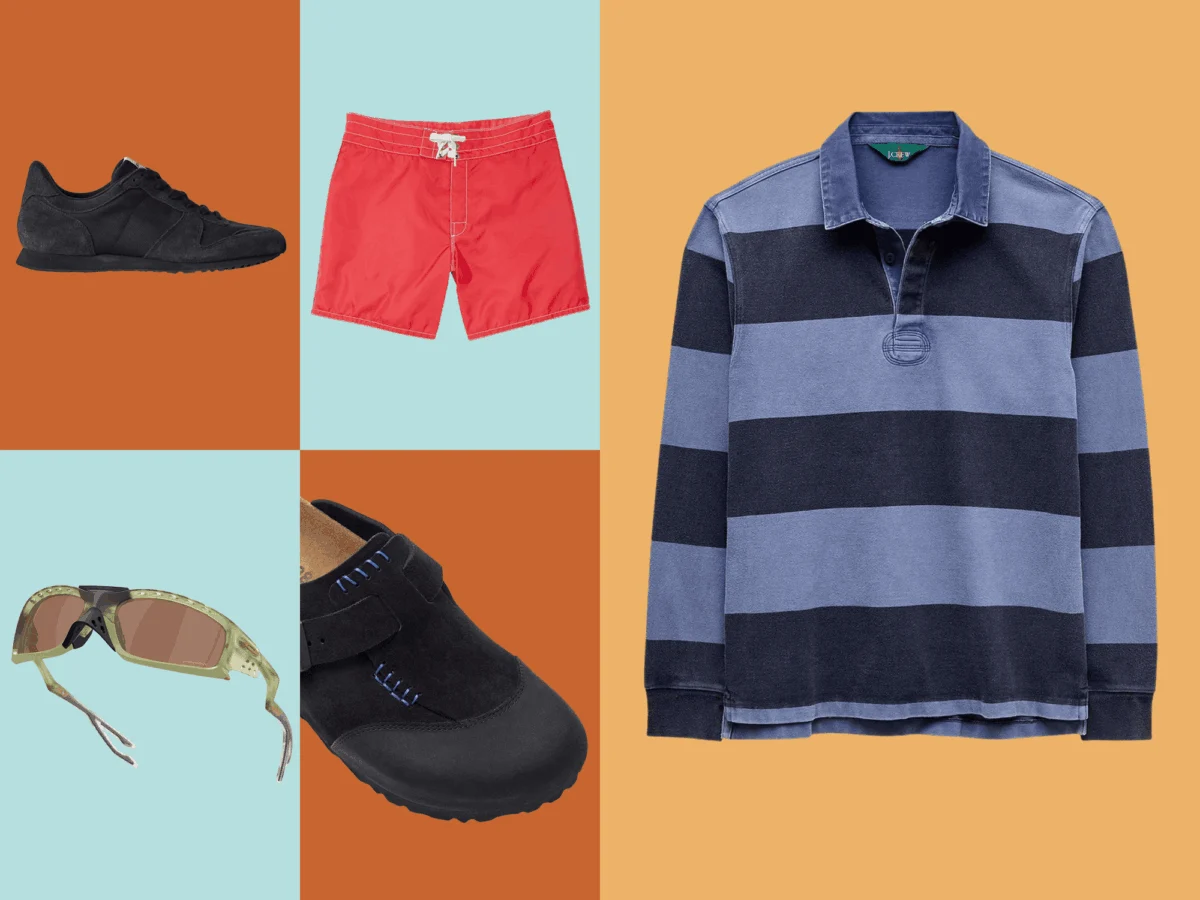
The current menswear climate is characterized by a "post-streetwear" sensibility, where the frantic hype of limited-edition drops has been replaced by a more considered approach to "quiet luxury" and "gorpcore" functionality. This transition is perhaps most evident in the resurgence of J.Crew, a brand that has undergone a massive creative overhaul under the guidance of Brendon Babenzien, formerly of Noah and Supreme. Babenzien has successfully pivoted the brand away from the slim-fit, hyper-commercial aesthetic of the 2010s toward a more relaxed, authentic silhouette that pays homage to the brand’s 1980s and 90s heyday. The "breezy layers" mentioned in this season’s hit list—think lightweight linen blazers, oversized seersucker button-downs, and unlined chore coats—reflect a desire for clothing that moves with the wearer. These pieces are designed to combat rising global temperatures while maintaining a sense of structural integrity, proving that "summer dressing" no longer has to mean a sacrifice of sophistication.

Complementing these sophisticated layers is the rise of what editors are calling "freaky shorts." This trend marks a departure from the standard mid-thigh chino short in favor of more adventurous silhouettes and fabrics. At the forefront of this movement is Birdwell Beach Britches. Founded in Santa Ana, California, in 1961, Birdwell is a titan of American surf culture, known for its "SurfNyl" fabric—a proprietary nylon weave that is virtually indestructible. The "freaky" element comes from the interplay of shorter inseams—the 5-inch length has become the gold standard for the fashion-forward—and vibrant, retro-inspired colorways. These are not merely swim trunks; they are engineered pieces of equipment that transition seamlessly from the surf to the street, embodying a rugged, coastal masculinity that feels particularly relevant as consumers move toward "buy less, buy better" mentalities. The durability of Birdwell’s construction, often featuring two layers of nylon and triple-stitched seams, aligns with a broader industry trend toward sustainability through longevity.

Footwear in this season’s hit list highlights a fascinating tension between heritage comfort and Eastern European minimalism. Birkenstock, once the underdog of the footwear world and the uniform of the counterculture, has ascended to the heights of luxury fashion. Following its acquisition by the LVMH-backed private equity firm L Catterton, Birkenstock has engaged in high-profile collaborations with the likes of Dior, Rick Owens, and Manolo Blahnik. However, the editors’ pick focuses on the core strength of the brand: the anatomical cork-latex footbed. Whether it is the iconic Arizona sandal or the Boston clog—which has seen a meteoric rise in popularity on social media platforms like TikTok—Birkenstock represents the pinnacle of "ugly-cool" footwear. This trend suggests that modern men are no longer willing to sacrifice orthopedic health for style, opting instead for shoes that offer a lifetime of wear and a patina that tells a story.

On the other end of the footwear spectrum lies Novesta, a brand with deep roots in the Slovakian town of Partizánske. Since 1939, Novesta has been producing sneakers using a unique vulcanization process that eliminates the need for toxic glues, making them some of the most eco-friendly options on the market. Their Star Master and Star Dribble silhouettes, characterized by a chunky rubber sole and canvas upper, provide a minimalist alternative to the over-designed sneakers that dominated the previous decade. The inclusion of Novesta in the hit list signals a return to "analog" style—footwear that feels tactile, historical, and honest.

No modern menswear list would be complete without a deep dive into the world of technical accessories, and Oakley continues to dominate this space with an iron grip. The brand, which saw its peak popularity in the 1990s among professional cyclists and extreme sports enthusiasts, has been rediscovered by a new generation of fashionistas. The "hottest accessories" of the season include Oakley’s wrap-around frames and high-definition optics, which have migrated from the Tour de France to the runways of Paris and Milan. This "speed dealer" aesthetic is part of a larger fascination with Y2K futurism and the "gorpcore" movement, which celebrates outdoor gear as high fashion. The technical prowess of Oakley—using Plutonite lenses and O-Matter frames—ensures that these pieces are not just stylistic flourishes but high-performance tools capable of protecting the eyes in the harshest conditions.

The selection of these specific brands and items is not arbitrary; it is backed by significant market data and cultural shifts. According to recent retail analytics, the "men’s lifestyle" segment has seen a 15% year-over-year increase in demand for "hybrid" apparel—items that can be worn in both professional and recreational settings. Furthermore, the search volume for "men’s short shorts" has increased by nearly 50% over the last two summer seasons, indicating a widespread rejection of the long, baggy board shorts of the early 2000s. The GQ editors’ hit list captures this data in real-time, offering a curated response to what the modern consumer is actually seeking: versatility, durability, and a touch of the unexpected.

Expert perspectives on this season’s trends suggest that we are witnessing the "death of the trend" in favor of the "aesthetic." While trends were once dictated by a top-down approach from fashion houses, today’s style is driven by niche communities—surfers in California, hikers in the Pacific Northwest, and minimalists in Berlin. The Hit List bridges these worlds. A man can pair a J.Crew linen shirt with Birdwell shorts and Birkenstock sandals, creating a look that is simultaneously classic and contemporary. This "high-low" mixing is the hallmark of the modern era, where a $200 pair of technical sunglasses is worn with a $50 vintage-inspired tee.

In terms of logical structure, the Hit List moves from the foundational (layers and shirts) to the structural (shorts) and finally to the finishing touches (footwear and accessories). This mirrors the way a man builds an outfit, starting with the core pieces and layering on personality through detail. The "breezy layers" serve as the canvas, providing the necessary breathability for the season. The "freaky shorts" provide the focal point, offering a pop of color or a daring silhouette that starts a conversation. The "hottest accessories" and footwear provide the punctuation marks, grounding the outfit in either technical utility or heritage comfort.

As we look toward the future of menswear, the themes present in this list—sustainability, heritage revival, and technical innovation—are likely to intensify. Brands like Novesta and Birdwell are leading the charge in ethical manufacturing, showing that it is possible to create high-quality goods without exploiting labor or the environment. Meanwhile, the continued relevance of J.Crew and Birkenstock proves that legacy brands can reinvent themselves for a new generation without losing their soul. The Best New Menswear Hit List is more than just a shopping guide; it is a cultural document that reflects the changing identity of the modern man—a man who is as comfortable in a Slovakian-made sneaker as he is in a pair of high-performance technical shades, always looking for the perfect balance between the past and the future. Through these handpicked selections, GQ editors have provided a blueprint for a wardrobe that is resilient, stylish, and, above all, ready for whatever the season may bring.
