
 By admin
Capital One has long established itself as a titan in the consumer credit card market, offering a diverse array of products that cater to everyone from the credit-builder to the luxury traveler. However, for the small business owner, the entrepreneur, or the corporate decision-maker, the bank’s dedicated business suite—branded under the "Spark" name—represents one of the most streamlined and efficient ways to manage company finances while extracting significant value from every dollar spent. In an era where inflation and supply chain fluctuations have made cash flow management more critical than ever, the simplicity of a flat-rate cash-back program can be a strategic advantage. Capital One’s Spark cards are built on this philosophy of simplicity, offering high-tier rewards without the need to track rotating categories or complex spending "caps."
Currently, the Capital One Spark family for business owners primarily consists of three distinct cash-back offerings: the Capital One Spark Cash Plus, the Capital One Spark Cash, and the Capital One Spark Cash Select. While they share a similar nomenclature, their underlying structures—ranging from annual fees and welcome bonuses to spending limits and redemption flexibility—vary significantly. Choosing the right card requires a nuanced understanding of your business’s monthly overhead, your ability to meet high spending requirements for introductory offers, and your preference for either a traditional credit card or a pay-in-full charge card model.
The Heavy Hitter: Capital One Spark Cash Plus
The Capital One Spark Cash Plus is the flagship of the cash-back business lineup, designed specifically for high-revenue businesses that require significant purchasing power. Unlike traditional credit cards, the Spark Cash Plus is a "pay-in-full" card. This means it has no preset spending limit, allowing the card to adapt to your business’s needs based on your spending patterns, payment history, and credit profile. However, because it is a charge card, the balance must be paid in full every month, which encourages disciplined financial management and eliminates the risk of accruing high-interest debt.

The current welcome offer for the Spark Cash Plus is particularly aggressive, aimed at businesses with substantial short-term expenses. New cardholders can earn a one-time $2,000 cash bonus, plus a limited-time $500 Capital One Business Travel credit, after spending $30,000 on purchases within the first three months of account opening. For truly high-volume operations, the rewards scale even further: you can earn an additional $2,000 cash bonus for every $500,000 spent during the first year. This tiered structure makes it one of the most lucrative bonuses on the market for businesses capable of seven-figure annual spending.
Beyond the bonus, the card earns an unlimited 2% cash back on every purchase. There are no categories to track and no limits on how much you can earn. For a business spending $1 million a year, that equates to $20,000 in annual rewards. The card carries a $150 annual fee, but Capital One offers a unique incentive: if you spend $150,000 or more in a calendar year, the bank will refund your $150 annual fee. This effectively makes the card free for mid-to-large-sized small businesses, provided they hit that spending milestone.
The Balanced Mid-Tier: Capital One Spark Cash
For business owners who want the simplicity of a 2% flat-rate reward system but prefer the flexibility of a traditional credit card that allows for carrying a balance (though not recommended due to interest), the Capital One Spark Cash is the standard-bearer. This card bridges the gap between the entry-level "Select" and the high-octane "Plus."
The welcome offer for the Spark Cash is also substantial: earn a $1,000 cash bonus and a limited-time $250 Capital One Business Travel credit after spending $10,000 on purchases within the first three months. While the spending requirement is significantly lower than the Plus version, the bonus remains highly competitive within the industry. The card earns an unlimited 2% cash back on all purchases, mirroring the earning rate of the more expensive Plus card.

One of the primary draws of the Spark Cash is its fee structure. It features a $0 introductory annual fee for the first year, after which the fee becomes $95. This allows a business owner to "test drive" the card for 12 months, earning 2% back and a $1,000 bonus without any immediate out-of-pocket cost for the card itself. To justify the $95 fee in the second year, a business would need to spend at least $4,750 annually to break even against the fee, assuming they are choosing between this and a 0% fee card—a threshold that almost any active business will easily surpass.
The No-Fee Entry: Capital One Spark Cash Select
The Capital One Spark Cash Select is the ideal choice for startups, freelancers, or small businesses with lower monthly expenses who are averse to annual fees. While it offers a lower base earning rate than its siblings, it remains a "workhorse" card due to its lack of maintenance costs and straightforward rewards.
The Spark Cash Select offers a $750 cash bonus after spending $6,000 on purchases within the first three months of account opening. For a card with no annual fee, a $750 bonus is remarkably high, often outpacing the bonuses found on premium consumer cards. In terms of ongoing rewards, the card earns an unlimited 1.5% cash back on all purchases. While 0.5% less than the Spark Cash or Spark Cash Plus, the lack of an annual fee means every cent earned is pure profit for the business.
This card is particularly useful for businesses that travel internationally, as it—like all Capital One Spark cards—charges no foreign transaction fees. Many "no-fee" business cards from other issuers still charge 3% on international purchases, making the Spark Cash Select a superior choice for those sourcing materials from overseas or traveling for client meetings.
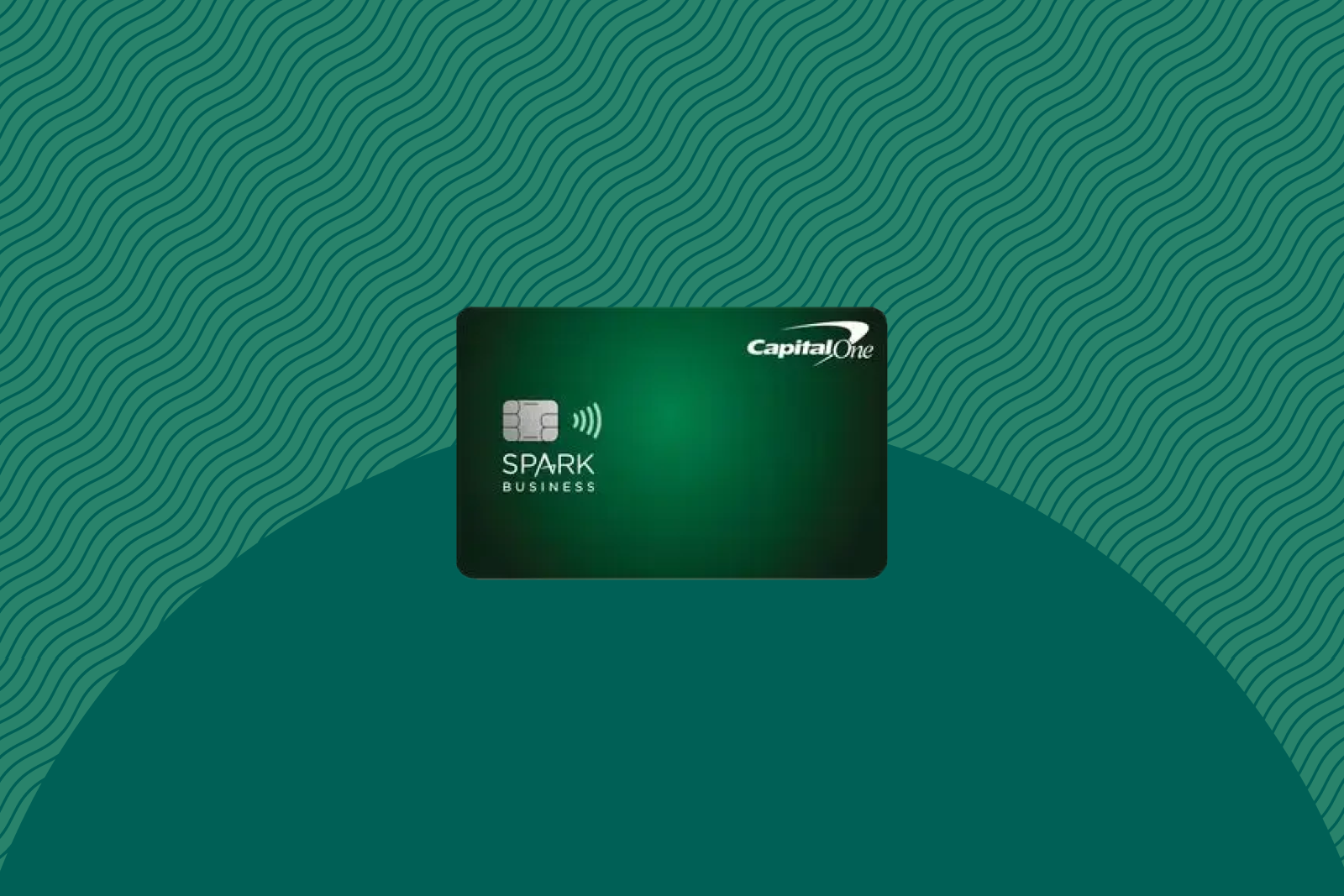
Strategic Analysis: The Power of the Capital One Ecosystem
One of the most significant, yet often overlooked, aspects of the Spark cash-back cards is their "hidden" potential when paired with Capital One’s travel rewards ecosystem. If a business owner also holds a card that earns Capital One Miles—such as the Venture X Business, the Venture X, or the Venture Rewards card—the cash back earned on a Spark card can often be converted into miles at a rate of 1 cent to 1 mile.
This conversion capability transforms a 2% cash-back card into a card that effectively earns 2 miles per dollar. When these miles are transferred to Capital One’s 15+ airline and hotel partners (such as British Airways, Avianca, or Wyndham), the value can soar far beyond 1 cent per mile. For a business owner looking to fund international business class travel for themselves or their employees, using a Spark Cash Plus to earn 2% back and then converting those rewards into miles can result in a "return on spend" of 3% or 4% in realized travel value.
Application Rules and Credit Impact
Prospective applicants should be aware of Capital One’s specific underwriting and application policies. Historically, Capital One is known for pulling credit reports from all three major bureaus (Equifax, Experian, and TransUnion), which can result in a temporary dip in your credit score across the board. Furthermore, Capital One generally limits individuals to one card approval every six months. This "1/6 rule" means you must be strategic about which card you apply for first.
Another critical point for business owners is that most Capital One Spark cards do report to personal credit bureaus. Unlike many other business card issuers (such as Amex or Chase), which only report business activity to personal bureaus if you default, Capital One’s reporting means that your business spending and credit utilization could impact your personal credit score. This can be a double-edged sword: high business spend might lower your score due to high utilization, but a long history of on-time business payments can also help build a robust personal credit profile.
Making the Final Decision
When deciding which Spark card fits your business model, the math usually dictates the answer. If your business spends more than $150,000 a year, the Spark Cash Plus is the clear winner; the annual fee is waived, the earning rate is a top-tier 2%, and the "no preset spending limit" provides the financial oxygen a growing company needs.
If your business spends less than that but still has significant overhead, the Spark Cash offers the same 2% rate with a lower barrier to entry. Finally, for the micro-business or the fee-conscious entrepreneur, the Spark Cash Select provides a safe, reliable 1.5% return with no overhead.
Ultimately, Capital One’s Spark suite succeeds because it respects the business owner’s time. By removing the need to manage complex categories or redemption hurdles, these cards allow owners to focus on what matters most: growing their business. Whether you are redeeming for a check to reinvest in equipment or converting rewards to miles for a well-deserved vacation, the Spark cards provide a flexible, high-value foundation for any professional financial toolkit.
