
 By admin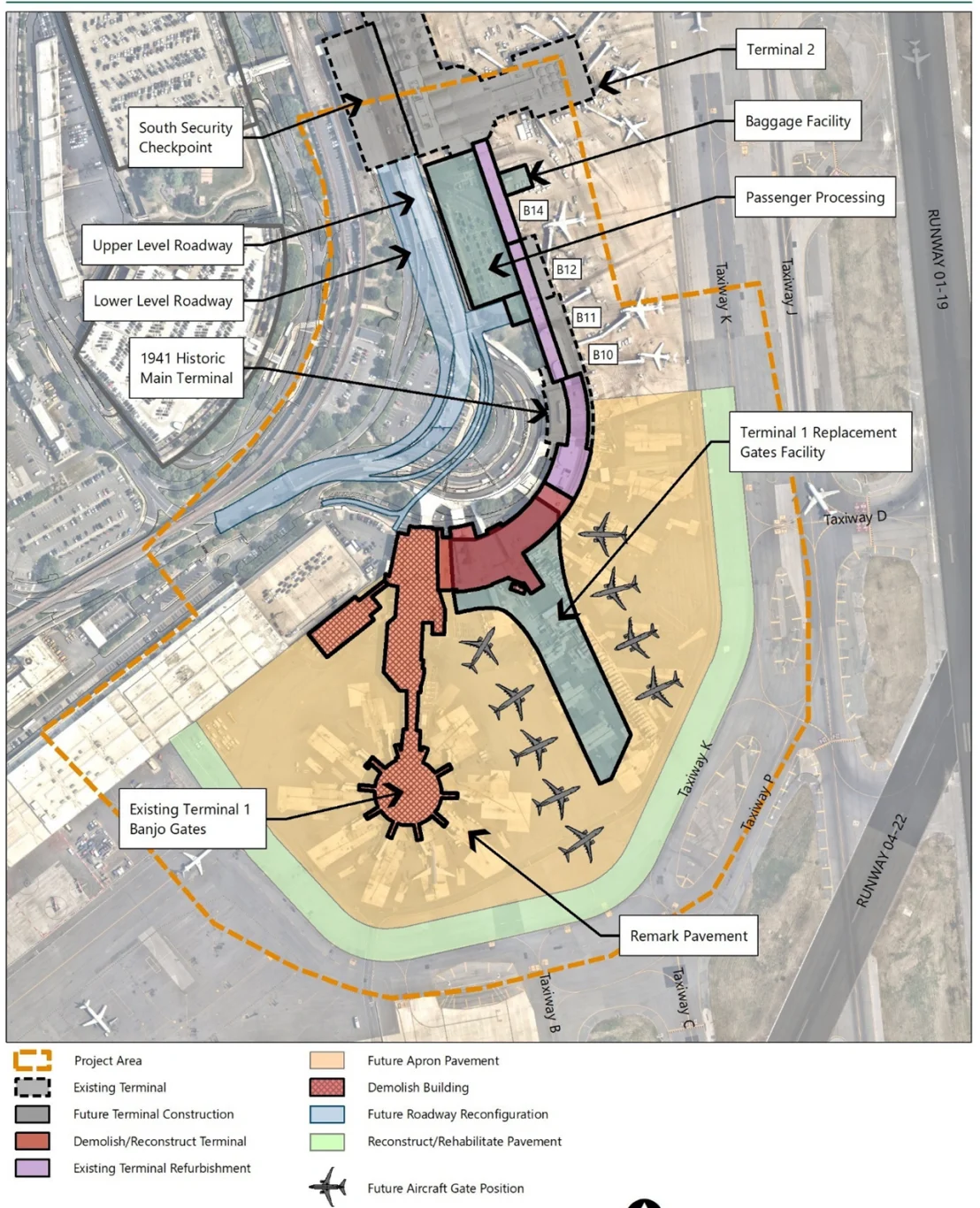
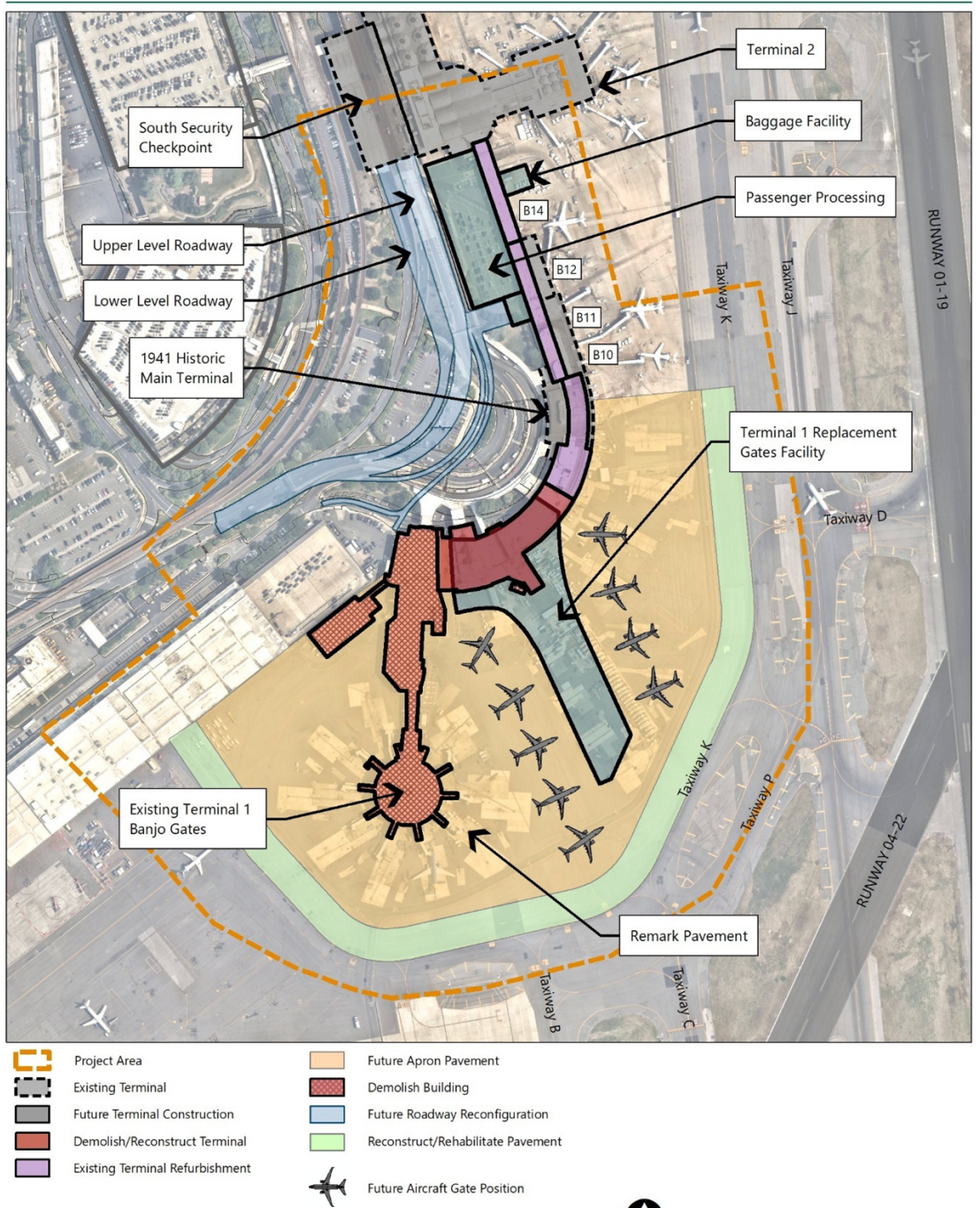
The project, which is tentatively scheduled for completion as early as 2031, targets the oldest sections of the airport. While the historic 1941 landmark terminal will be preserved and integrated into the new flow, the non-landmarked additions from the 1970s are slated for demolition. Most notably, the project marks the end of an era for the distinctive rotunda concourse known colloquially among aviation enthusiasts and local residents as "the banjo." Named for its unique circular shape and narrow neck, the banjo has served as a primary boarding area for decades but has increasingly struggled to accommodate the modern demands of high-volume air travel, including the larger footprints required for contemporary security screening, ADA accessibility, and passenger amenities.
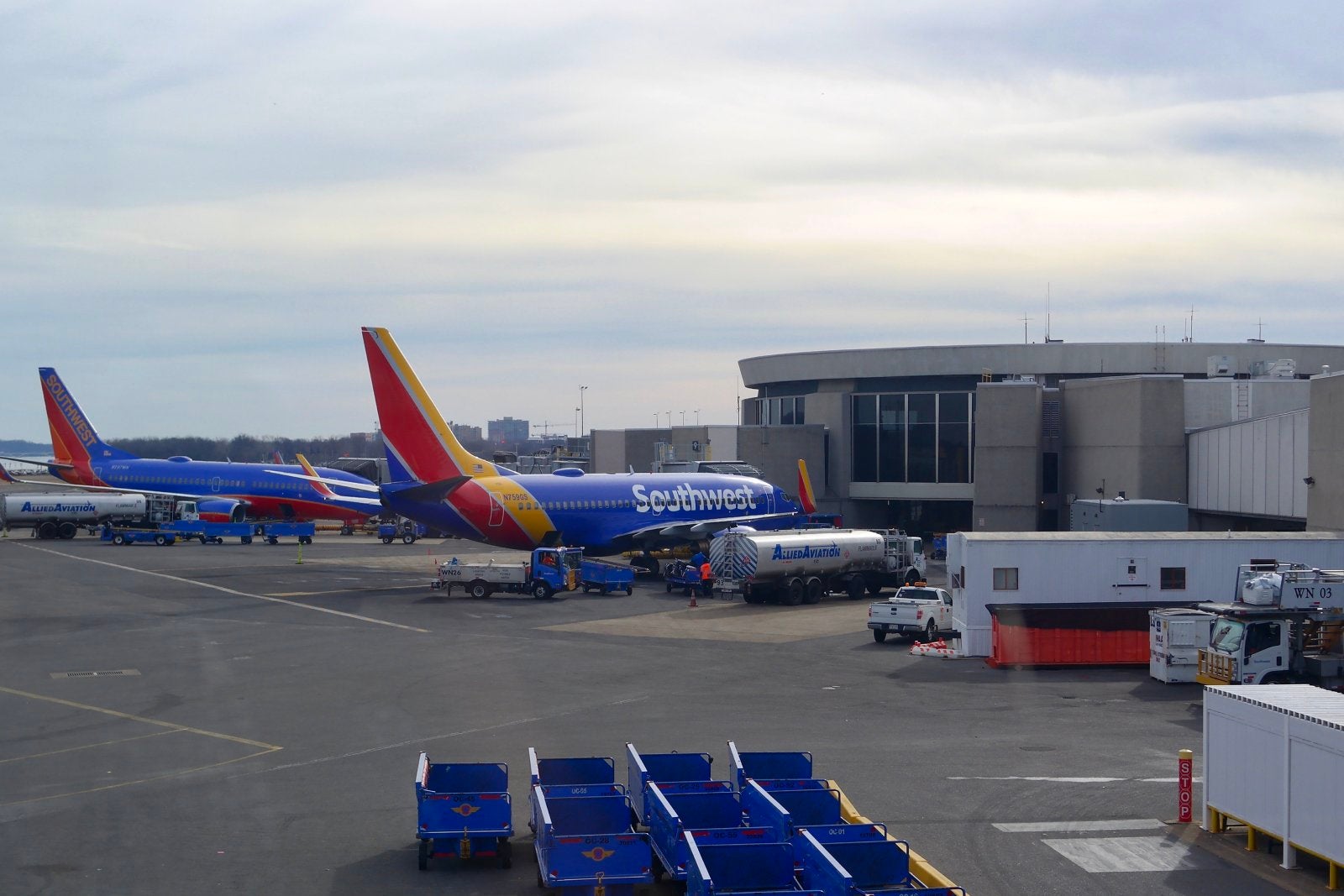
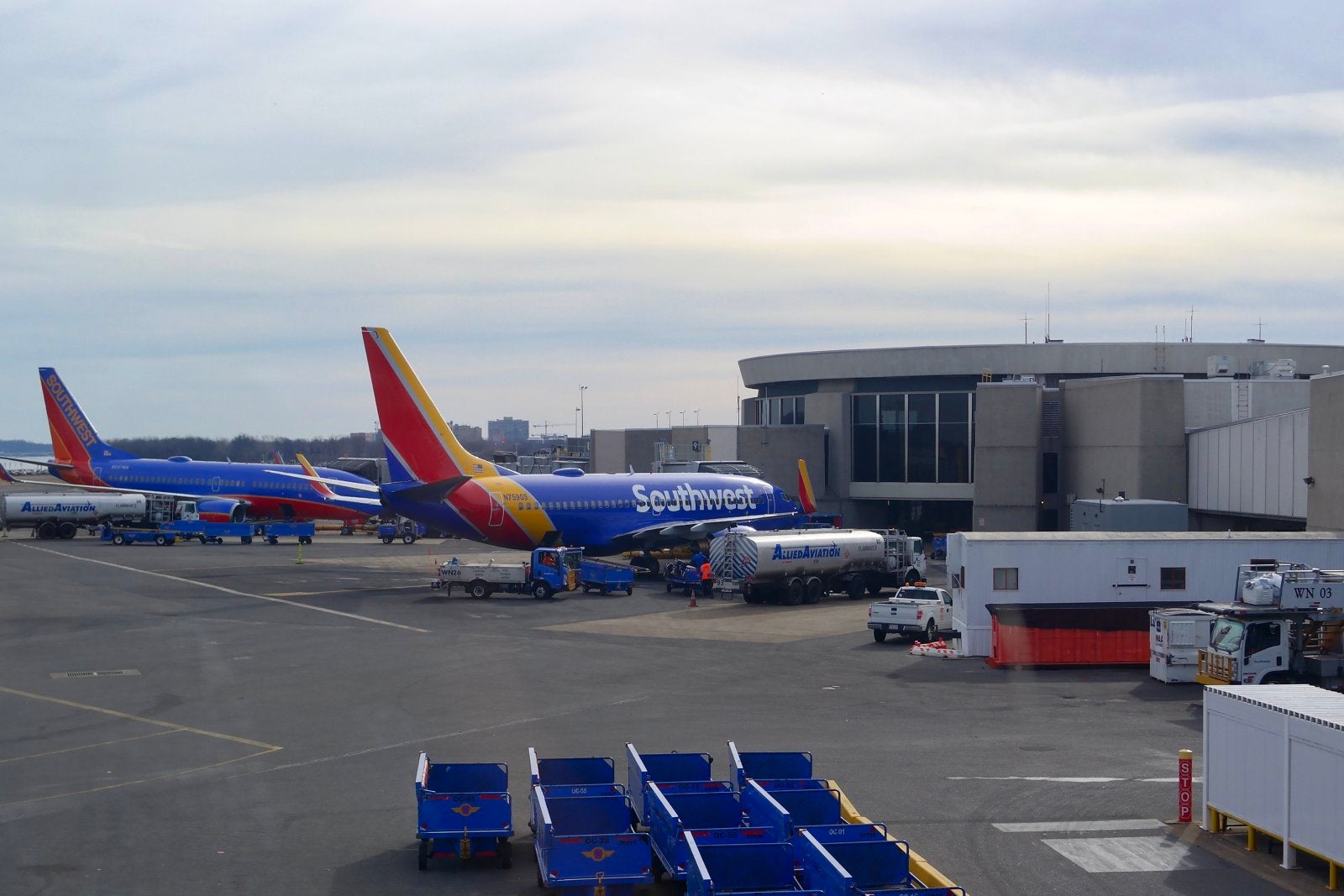
The primary beneficiary of this massive investment will be Southwest Airlines, which currently anchors operations in Terminal 1. As the dominant carrier in this section of the airport, Southwest has long navigated the constraints of the 1970s-era infrastructure. The airline, along with partners like Air Canada and Frontier Airlines, is expected to transition its operations to the new nine-gate concourse once it becomes operational. A spokesperson for Southwest Airlines expressed optimism about the project, noting that the carrier is working closely with the MWAA to ensure the new facility meets the evolving needs of its customers. This collaboration is particularly significant given Southwest’s recent strategic pivots, including the potential introduction of premium seating and the exploration of a proprietary airport lounge network. Notably, the planning documents for the DCA expansion include approximately 10,000 square feet of space dedicated to a future airline lounge, fueling speculation that Reagan National could become a flagship location for Southwest’s foray into premium ground services.
To understand the scale and necessity of this $800 million expansion, one must look at the unique geographical and operational constraints of Reagan National Airport. Situated on a relatively small footprint of land along the Potomac River in Arlington, Virginia, DCA is one of the most capacity-constrained airports in the United States. It operates under a strict "slot" system, which limits the number of takeoffs and landings per hour, and a "perimeter rule" that restricts the distance of non-stop flights to and from the airport. Despite these limitations, demand for access to DCA remains sky-high due to its proximity to the heart of Washington, D.C., and its direct connection to the region’s Metrorail system.
The proposed "processor" building is perhaps the most innovative aspect of the new plan. Currently, travelers using Terminal 1 must often navigate a disjointed path from the Metro station or parking garages to reach their check-in counters. The new multilevel processor will be constructed on the site of the existing taxi staging lot, strategically positioned between the current Terminal 1 and Terminal 2 (formerly known as Terminals A and B/C). This central hub will house modern check-in kiosks, full-service ticket counters, and advanced baggage claim carousels. By centralizing these functions, the airport aims to reduce congestion and provide a more intuitive journey for passengers.
The architectural flow of the new terminal will require a significant shift in how travelers move through the airport. Under the new configuration, passengers will check in at the processor building and then descend to the existing south security checkpoint in Terminal 2. After clearing security, they will perform a "U-turn" and head south through an expanded corridor. This path will take them past the existing B gates—currently utilized by United Airlines—and through the historic 1941 lobby. In a major change to the airport’s layout, this historic lobby, which is currently located outside of the secure area, will be brought "behind the fence," allowing ticketed passengers to enjoy the classic architecture while moving toward the new nine-gate concourse.
While the modernization promises improved amenities, it does come with logistical trade-offs. The MWAA planning documents estimate that the walking distance from the check-in area to the farthest gate in the new concourse could reach 2,700 feet. At roughly half a mile, or the length of seven and a half football fields, this trek highlights the challenges of expanding within a confined, linear site. To mitigate this, planners are expected to incorporate moving walkways and ample seating areas to ensure the journey remains manageable for all travelers.
This project follows on the heels of "Project Journey," a $1 billion transformation of Reagan National that was completed just five years ago. Project Journey was a landmark effort that fundamentally changed the airport’s security posture and passenger flow. Its most celebrated achievement was the elimination of the infamous "Gate 35X," a busing gate that required passengers to board shuttle buses to reach regional jets parked on the tarmac. The construction of the 14-gate Concourse E provided a permanent, indoor home for those regional flights, primarily operated by American Airlines. Project Journey also saw the relocation of security checkpoints, which moved the airport’s "National Hall"—a grand concourse filled with shops and restaurants—into the secure area, allowing passengers to dine and shop freely while waiting for their flights.
The success of Project Journey set a high bar for future developments, and the MWAA has tapped PGAL, the same architecture firm responsible for the Concourse E design, to lead the design of the new Terminal 1 replacement facility. PGAL’s involvement suggests a commitment to architectural continuity, ensuring that the new structures complement the sleek, glass-heavy aesthetic of Terminal 2 while honoring the Art Deco heritage of the 1941 terminal.
Beyond Reagan National, the $800 million expansion is part of a broader, regional aviation strategy. The MWAA is simultaneously pursuing a staggering $22.5 billion redevelopment of Dulles International Airport (IAD). While DCA serves as the convenient, short-haul "city" airport, Dulles is the region’s international gateway and long-haul hub. The redevelopment at IAD, which has received significant backing from United Airlines and various federal administrations, includes the construction of new concourses to replace the "temporary" AeroTrain-linked facilities that have been in use for decades. By investing heavily in both airports, the MWAA is positioning the Washington metropolitan area to handle the projected growth in air travel over the next twenty years.
The financial underpinnings of the DCA expansion reflect the complex economics of modern aviation infrastructure. While the $835 million price tag is substantial, the project is expected to be funded through a combination of airport revenue bonds, Passenger Facility Charges (PFCs), and federal grants from the Infrastructure Investment and Jobs Act. Furthermore, the airlines that use the facility—primarily Southwest—will contribute through terminal lease agreements and landing fees. This "user-pays" model ensures that the burden of the expansion falls on the travelers and carriers who benefit from the facility rather than the local taxpayers.
As the project moves from the environmental review phase into active design and construction, several challenges remain. Navigating the construction process within an operational airport is notoriously difficult, particularly at a site as cramped as Reagan National. Planners must coordinate the demolition of the "banjo" and other structures while maintaining full flight schedules and minimizing disruptions to passengers. Additionally, the airport must balance its growth with the concerns of surrounding communities in Arlington and Alexandria regarding noise and traffic.
The eventual completion of the new concourse in 2031 will mark a full-circle moment for Reagan National. It will transition from a collection of mismatched additions into a cohesive, modern facility that respects its past while embracing the future. For the frequent flyers of Southwest and the millions of tourists who visit the nation’s capital each year, the $800 million expansion promises an end to the cramped corridors and outdated "banjo" rotunda, replaced by a spacious, light-filled gateway that reflects the status of Washington, D.C., as a premier global destination. Through careful planning and significant capital investment, Reagan National is ensuring that it remains a vital, efficient, and historic piece of the American transportation landscape for decades to come.
