
 By admin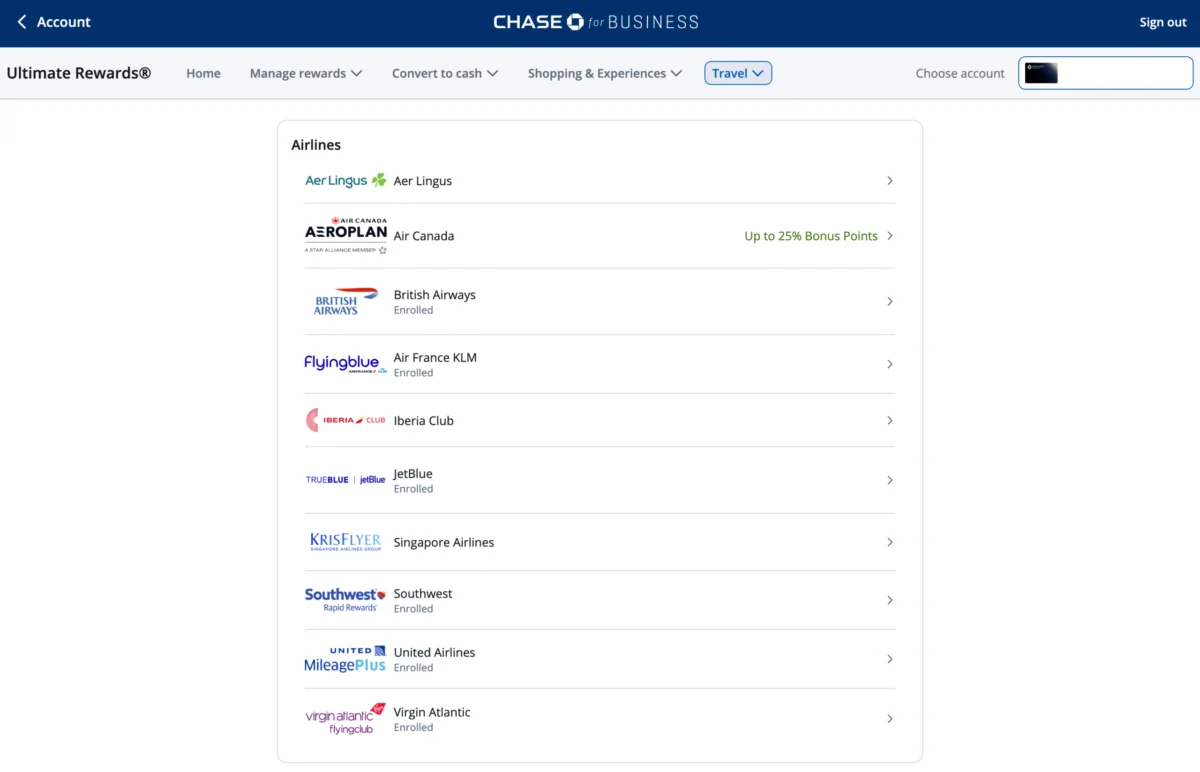
Maintaining a portfolio of premium credit cards requires a periodic and rigorous financial audit to ensure that the value derived from each card justifies its respective annual fee. For cardholders carrying Chase’s most popular offerings, such as the Sapphire Reserve or the United Quest Card, the calculation of "value" often fluctuates based on changing travel habits, spending patterns, and the evolving landscape of credit card benefits. When the math no longer favors the cardholder, the instinct might be to cancel the account entirely; however, a more sophisticated strategy often involves a "product change" or a downgrade. Downgrading a credit card allows a consumer to move from a high-annual-fee tier to a lower-cost or no-fee version within the same card family, preserving their credit history and relationship with the bank while eliminating unnecessary expenses.
The decision to downgrade rather than cancel is primarily rooted in the fundamentals of credit scoring. According to FICO, the length of credit history accounts for approximately 15% of a consumer’s credit score, while the amounts owed (credit utilization) account for 30%. When an account is closed, the total available credit limit across all cards decreases, which can cause an immediate spike in credit utilization if the consumer carries balances on other cards. Furthermore, while closed accounts in good standing can remain on a credit report for up to ten years, they eventually drop off, potentially shortening the average age of accounts. By downgrading, the account number often stays the same, the credit line remains open, and the "age" of the account continues to grow, providing a stable foundation for the cardholder’s FICO score.
Before initiating a downgrade, it is essential to understand the regulatory and internal constraints that govern these maneuvers. Under the Credit Card Accountability Responsibility and Disclosure (CARD) Act of 2009, issuers are generally prohibited from increasing the annual fee on a credit card during the first year of account opening. Consequently, most banks, including Chase, will not allow a product change—whether an upgrade or a downgrade—until the account has been open for at least 12 months. Once that first anniversary passes and the second annual fee posts to the statement, the window of opportunity for a product change opens.

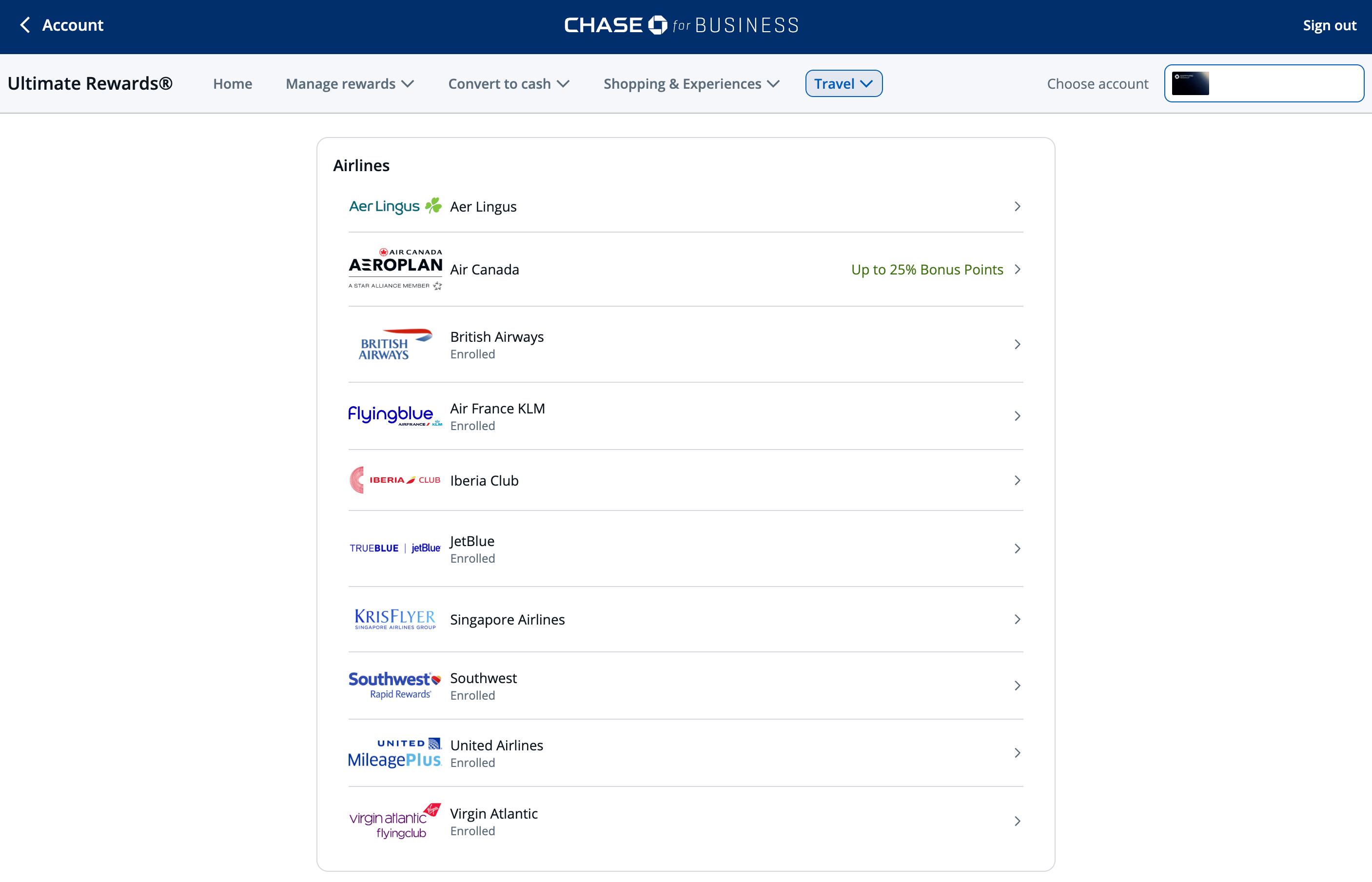
The most critical consideration during a Chase downgrade involves the preservation of Chase Ultimate Rewards points. Chase’s ecosystem is uniquely structured: points earned on "no-annual-fee" cards like the Chase Freedom Flex or Chase Freedom Unlimited are technically "cash-back" points worth one cent each. However, if a cardholder also possesses a "premium" card like the Chase Sapphire Preferred, Chase Sapphire Reserve, or Ink Business Preferred, those cash-back points can be moved to the premium account and converted into "transferable" Ultimate Rewards points. These points can then be sent to high-value travel partners such as World of Hyatt, United Airlines, or British Airways. If a cardholder downgrades their only premium card to a no-fee card without having another premium card in their portfolio, they lose the ability to transfer points to partners. In such a scenario, the points effectively lose a significant portion of their potential value, as they can no longer be used for lucrative "sweet spot" travel redemptions.
To execute a downgrade successfully, the first step is identifying the target card. Chase typically requires that a product change stay within the same "family" of cards. For example, a personal Sapphire card can be downgraded to another personal Sapphire card or a personal Freedom card. It cannot, however, be converted into a United Airlines co-branded card or a Marriott Bonvoy card. Similarly, business cards must remain business cards, and personal cards must remain personal.
For the flagship Sapphire family, the downgrade paths are well-defined. The Chase Sapphire Reserve, which carries a $550 annual fee, is often downgraded to the Chase Sapphire Preferred ($95 annual fee) or the no-fee Chase Freedom Unlimited or Chase Freedom Flex. Interestingly, Chase also maintains a "plain" Sapphire card with no annual fee that is not available to new applicants but remains an option for those looking to downgrade while staying within the Sapphire brand. For business owners, the Ink Business Preferred can be transitioned to the no-fee Ink Business Cash or Ink Business Unlimited, both of which offer robust rewards for specific business spending categories like office supply stores or internet services.
Co-branded cards follow similar logic. A United Club Infinite cardholder who no longer needs lounge access might downgrade to the United Quest Card or the United Explorer Card. For those looking to eliminate the fee entirely, the United Gateway Card offers a $0 annual fee option that keeps the United MileagePlus account active and prevents miles from expiring. In the Marriott ecosystem, the Marriott Bonvoy Boundless can be downgraded to the no-fee Marriott Bonvoy Bold. These moves are particularly advantageous because, unlike Ultimate Rewards points, airline miles and hotel points reside in the loyalty program’s account, not the credit card account. Therefore, the points are safe regardless of whether the card is downgraded to a no-fee version.
The process of requesting a downgrade is relatively straightforward but requires a specific approach. While Chase’s secure messaging system can be used, calling the customer service number on the back of the card is the most efficient method. When speaking with a representative, it is often beneficial to ask if there are any "retention offers" available on the current card before officially requesting the downgrade. Banks occasionally offer statement credits or bonus points to offset the annual fee for loyal customers, which might make keeping the premium card worthwhile for another year. If no retention offer is available, the cardholder should clearly state they wish to perform a "product change" to their chosen lower-tier card.
During the phone call, there are several key points to verify. First, confirm that there will be no "hard pull" on the credit report; product changes generally do not require a new credit inquiry. Second, ask about the treatment of the annual fee. If the fee was billed within the last 30 days, Chase will typically refund it in full upon a downgrade. If more than 30 days have passed, the bank may provide a prorated refund. Third, ensure that the credit limit remains unchanged, as maintaining a high limit helps keep the overall credit utilization ratio low.
One significant trade-off to consider is the loss of a potential welcome bonus. When a cardholder downgrades to a new card, they are not considered a "new applicant," meaning they are ineligible for the lucrative introductory point offers that typically accompany a fresh application. For example, if a user downgrades a Sapphire Reserve to a Freedom Flex, they miss out on the $200 (or 20,000 point) bonus usually offered to new Freedom Flex users. In some cases, if the cardholder has a low "5/24" status (Chase’s unofficial rule where they will not approve anyone who has opened five or more cards from any issuer in the last 24 months), it might be more beneficial to apply for the no-fee card separately to get the bonus and then simply cancel the premium card. However, this must be weighed against the impact on the credit score’s age and the total credit limit.
Furthermore, the "Sapphire Rule" adds another layer of complexity. Chase only allows a consumer to receive a welcome bonus on any Sapphire card once every 48 months. If a cardholder has had their Sapphire card for more than four years, the optimal strategy might be to downgrade the current card to a Freedom-branded card, wait a few days for the system to update, and then apply as a new customer for a Sapphire card to earn a new 60,000 to 80,000-point bonus. This "downgrade-and-reapply" strategy is a cornerstone of advanced rewards optimization.

Ultimately, the decision to downgrade should be viewed through the lens of a long-term financial strategy. A card that was once a "daily driver" may become a "sock drawer" card as lifestyles change—perhaps a frequent traveler is now staying home more often, or a diner is cooking more at home. By utilizing the product change path, the consumer retains the utility of the Chase ecosystem, maintains their credit health, and ensures that every dollar spent on annual fees is working toward a clear and valuable goal. Whether it is moving from the luxury of the Sapphire Reserve to the simplicity of the Freedom Unlimited or shifting between co-branded airline tiers, the ability to pivot without damaging one’s credit profile is a powerful tool in the modern consumer’s financial arsenal. In an era of fluctuating economic conditions and shifting loyalty program values, mastering the art of the credit card downgrade is essential for anyone looking to navigate the world of points and miles with precision and fiscal responsibility.
