
 By admin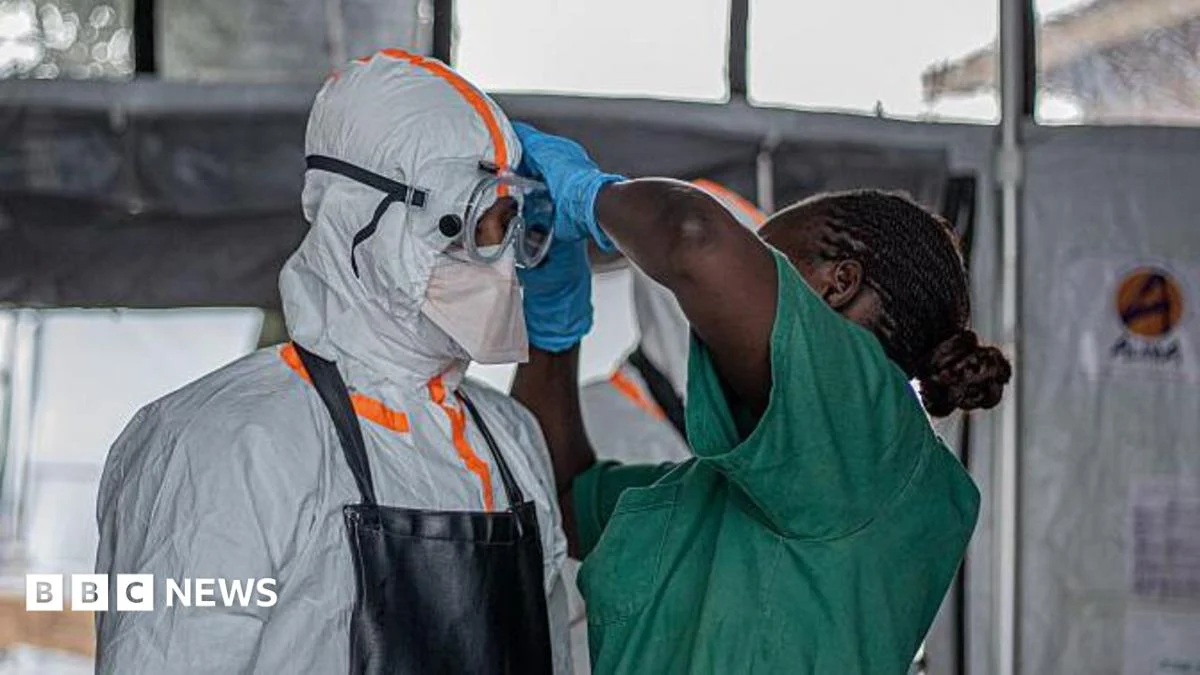
The latest devastating Ebola outbreak in the Democratic Republic of Congo (DRC) began its insidious spread at least three months before it was officially declared, a stark revelation from the World Health Organization (WHO) that underscores a critical lag in public health response and leaves authorities perpetually playing catch-up. This alarming timeline, unveiled by Dr. Mohamed Janabi, WHO Africa director, at a recent news conference in Bunia, the very epicenter of the current crisis, paints a grim picture of a health emergency that has already claimed over 1,900 lives since its May 15th declaration. This grim toll now positions the current outbreak as the second-deadliest on record, a chilling testament to the virus’s relentless advance and the challenges in containing it.
The sheer scale of the mortality – exceeding 1,900 deaths from a total of 4,294 confirmed cases according to the DRC’s health ministry – is a stark indicator of the outbreak’s severity. The WHO’s admission that infection rates remain alarmingly high further fuels concern that health authorities are struggling to gain a decisive foothold in curbing the disease’s transmission. This ongoing struggle is amplified by the specific nature of this epidemic: it is caused by the Bundibugyo species of the Ebola virus, a less common but equally virulent strain. The geographical epicenter of this outbreak is the eastern region of the DRC, an area unfortunately plagued by persistent insecurity. This volatile environment has significantly hampered crucial control efforts, including contact tracing, case management, and the safe burial of the deceased, all of which are vital in disrupting the chain of transmission.
Adding to the complexity and difficulty of combating the Bundibugyo strain is the unfortunate reality that there is currently no approved vaccine specifically targeting this species of Ebola, nor are there any universally recognized therapeutic drugs that offer a definitive cure. This lack of specific medical countermeasures significantly complicates treatment protocols and increases the risk of mortality for infected individuals. Dr. Janabi’s poignant metaphor, "We are chasing the virus, the virus is ahead of us," encapsulates the overwhelming challenge faced by healthcare professionals on the ground. This sentiment is not hyperbole; it is a reflection of the reality that the virus has had a substantial head start, spreading undetected and unchecked for an extended period.
The research cited by Dr. Janabi, indicating that the virus began spreading in February, is particularly concerning. This suggests that the initial cases were likely misdiagnosed as more common and less lethal illnesses such as malaria or typhoid fever. This diagnostic confusion is a recurring problem in regions where these diseases are endemic, creating a dangerous delay in recognizing and responding to an Ebola outbreak. During this critical initial phase, infected individuals may have unknowingly spread the virus within their communities, laying the groundwork for the widespread epidemic that is now unfolding. The delay in diagnosis not only allows the virus to propagate but also erodes the trust and understanding between communities and health authorities, a crucial element for effective public health interventions.
The issue of insecurity in eastern DRC is a multifaceted impediment. Beyond directly hindering the movement of healthcare workers and supplies, it fosters an environment of fear and mistrust. In this climate, many individuals may be reluctant to report suspected cases to authorities, further contributing to the spread of the virus. Dr. Janabi highlighted the devastating consequence of this, stating that health workers are only reaching approximately 30% of the total cases. This implies that a staggering 70% of those infected are dying at home, away from medical care and without any opportunity for treatment or safe burial. These home deaths represent not only tragic personal losses but also significant missed opportunities for outbreak containment, as these individuals may have continued to infect family members and community members.
Traditional burial practices, particularly those where mourners have close physical contact with the deceased’s body, present another significant hurdle in interrupting Ebola transmission. The Bundibugyo virus, like other Ebola strains, is transmitted through direct contact with the bodily fluids of infected individuals, including those who have died. In many cultures, elaborate rituals surround death, and the practice of washing and touching the deceased is deeply ingrained. While these practices are a vital part of grieving and cultural expression, they tragically facilitate the spread of the virus. Compounding this, a general suspicion of health authorities, often stemming from past negative experiences or misinformation, further discourages individuals from seeking help or cooperating with containment measures.
Despite these formidable challenges, there are glimmers of hope and progress. The establishment of several dedicated Ebola treatment centers in the eastern DRC represents a significant step forward. These centers, staffed by dedicated healthcare professionals and equipped with specialized facilities, are crucial for isolating infected individuals, providing supportive care, and preventing further transmission. Moreover, there are indications that the diagnostic process is improving, leading to quicker identification of cases. This enhanced diagnostic capacity, coupled with increased community outreach and sensitization efforts, is essential for bridging the gap between the virus’s spread and the response.
The scale of this outbreak is historically significant, though not unprecedented. The largest recorded Ebola outbreak occurred in West Africa between 2014 and 2016, a devastating period that saw over 11,325 deaths. This earlier outbreak served as a harsh lesson for the global health community, highlighting critical weaknesses in preparedness, response mechanisms, and international cooperation. The lessons learned from West Africa have undoubtedly informed some of the current strategies, but the unique context of the DRC, with its vast geographical expanse, complex humanitarian situation, and ongoing security concerns, presents a distinct set of challenges.
The economic and social ramifications of such a protracted and deadly outbreak are profound. Beyond the immediate health crisis, the fear of infection can cripple local economies, disrupt trade, and displace communities. The strain on already fragile healthcare systems is immense, diverting resources and personnel away from other essential health services. The psychological toll on survivors, healthcare workers, and affected communities is also a critical, often overlooked, aspect of such epidemics, requiring long-term support and psychosocial interventions.
The WHO’s candid admission of being "behind the curve" underscores the urgent need for increased international support, not just in terms of financial aid but also in the provision of specialized expertise, logistical support, and the development of rapid response mechanisms. The protracted nature of this outbreak also raises questions about the long-term sustainability of containment efforts and the need for robust preparedness plans for future outbreaks. The international community must recognize that investing in Ebola preparedness and response in vulnerable regions is not merely a humanitarian imperative but a critical component of global health security.
The ongoing efforts to control the Bundibugyo Ebola outbreak in the DRC are a stark reminder of the persistent threat posed by emerging infectious diseases. The journey from initial undetected spread to a declared epidemic is a window into the complexities of disease surveillance, public health infrastructure, and the critical role of trust and cooperation between communities and health authorities. As the battle against this devastating virus continues, the lessons learned from this prolonged and challenging outbreak will undoubtedly shape future strategies for combating Ebola and other zoonotic diseases, reinforcing the understanding that proactive, informed, and well-resourced interventions are paramount in preventing such crises from escalating to catastrophic levels. The race against the virus is far from over, and the outcome will depend on sustained commitment, innovation, and unwavering solidarity.
