
 By admin
The transition from the blissful serenity of a week-long cruise to the logistical complexity of disembarkation day can be a jarring experience for even the most seasoned travelers. While the preceding days are often characterized by bottomless mimosas, poolside lounging, and world-class entertainment, the final morning of a voyage is a high-stakes military-style operation. For the cruise line, it is "Turnaround Day"—the most labor-intensive 24 hours in the maritime industry, where thousands of passengers must be offloaded and thousands more welcomed aboard within a narrow six-to-eight-hour window. For the passenger, it is a test of patience and preparation. To maintain your vacation glow and avoid the common pitfalls that plague the final hours of a trip, it is essential to understand the intricate mechanics of getting off the ship.
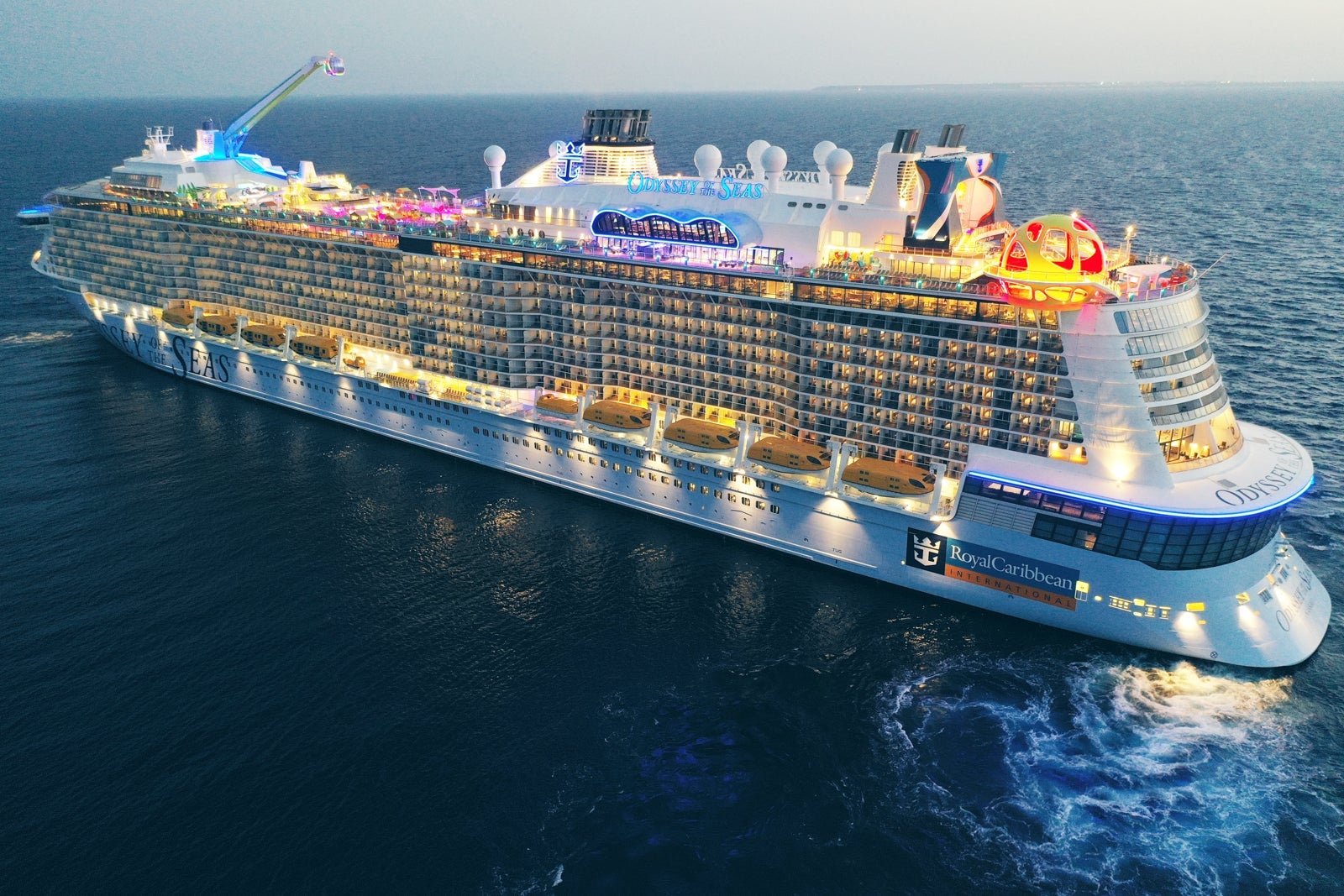
Unlike a traditional hotel stay where checkout is a simple matter of dropping a key at the front desk, cruise disembarkation is a tiered, highly regulated process influenced by international customs laws, port authorities, and the sheer physical scale of modern mega-ships. On vessels like Royal Caribbean’s Icon of the Seas or Carnival’s Celebration, which carry upwards of 5,000 to 7,000 passengers, the logistics of moving people and their luggage are staggering. Consequently, the "leisurely" exit is a luxury usually reserved for smaller, ultra-luxury lines like Seabourn or Silversea. On mainstream lines, the process requires a strategic approach that begins long before the ship docks.
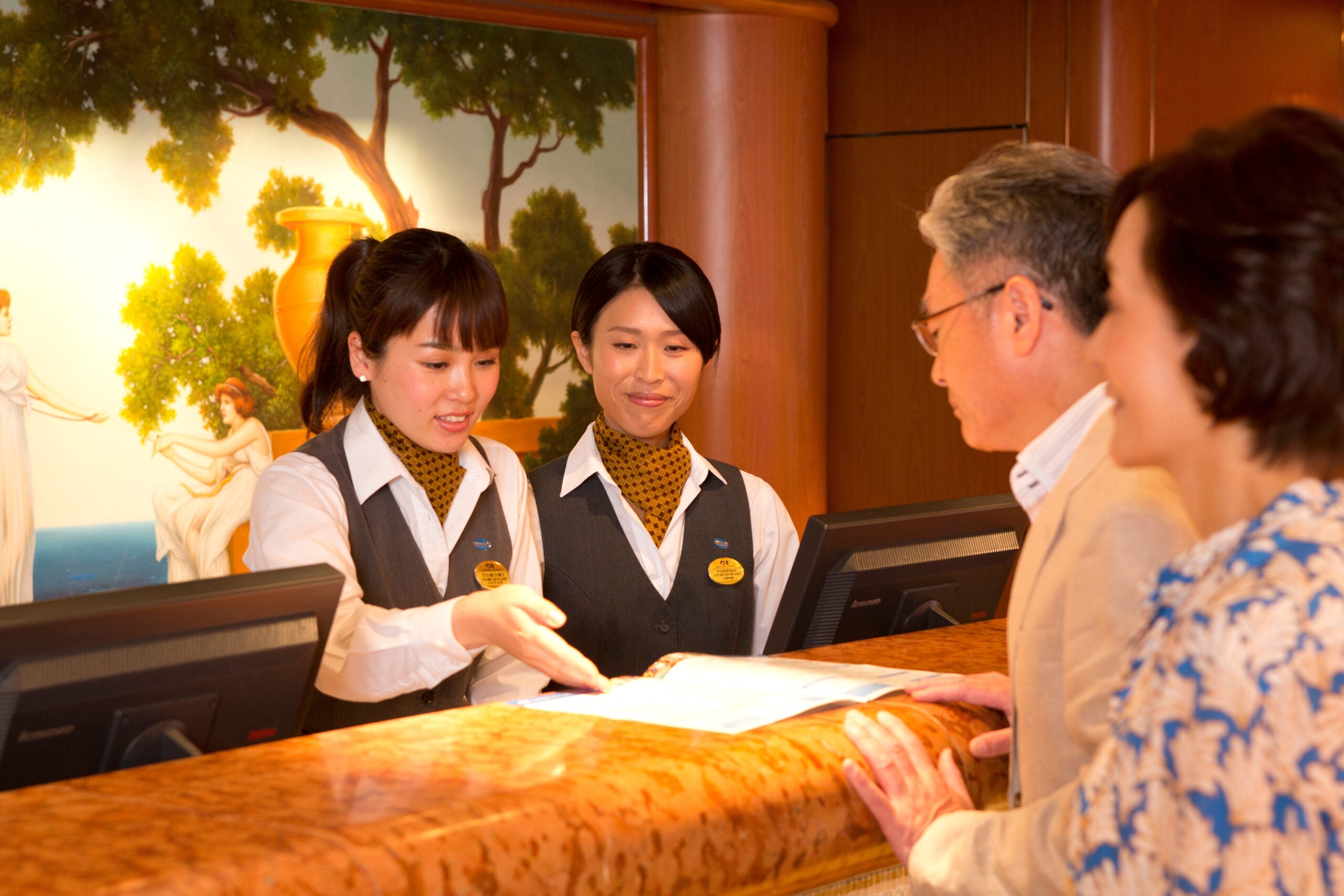
The first and perhaps most critical step in a smooth departure is financial reconciliation. Throughout the voyage, passengers use their keycards—whether it be a Royal Caribbean SeaPass, a Princess Medallion, or a Carnival Sail & Sign card—to facilitate a cashless environment. Every drink, spa treatment, and specialty dinner is charged to an onboard account. On the final night, a printed statement is typically delivered to your cabin door, or more commonly now, made available via the ship’s mobile app. This is where "bill shock" often sets in. It is a common mistake to wait until the morning of disembarkation to review these charges. Guest Services desks on the final morning are notorious for serpentine lines of frustrated travelers disputing a $12 mojito or a misinterpreted gratuity.
Expert cruisers recommend reviewing the bill at least 24 hours before the ship returns to port. Most modern ships allow you to monitor spending in real-time through the stateroom television or a smartphone app. If a discrepancy exists, resolving it on a quiet Tuesday afternoon is significantly easier than doing so at 7:00 AM on a Sunday when the ship is teeming with thousands of people trying to leave. It is also important to note that once you walk down the gangway, your ability to contest a charge drops significantly. Cruise lines operate with a "shipboard jurisdiction" mentality; once the voyage is closed out, land-based customer service agents often lack the real-time data or authority to reverse onboard charges, making post-cruise refunds a bureaucratic nightmare.
Another financial nuance involves gratuities. Most major lines now automatically bill a daily service charge—typically ranging from $16 to $20 per person, per day—which is distributed among the dining staff, room stewards, and behind-the-scenes crew. While these are automated, many passengers choose to provide additional cash tips to specific crew members who provided exceptional service. This should be handled on the final night, as your dedicated steward or waiter will be far too busy on disembarkation morning to engage in lengthy goodbyes.
Timing is the next hurdle. There is a persistent myth among first-time cruisers that because a ship docks at 6:00 AM, they can be in an Uber by 6:15 AM. In reality, the ship must be cleared by local authorities—such as U.S. Customs and Border Protection (CBP)—before a single passenger is allowed to step onto the gangway. This process can take anywhere from 30 minutes to over two hours depending on the port’s efficiency and the ship’s manifest. Consequently, the "crack of dawn" wake-up call is often unnecessary unless you are participating in "Express Walk-Off." This option allows passengers to be among the first to leave, provided they can carry all their own luggage without assistance. While it saves time, it is physically demanding. Elevator banks are notoriously congested on the final morning, and hauling heavy suitcases down narrow corridors and steep gangways is not for the faint of heart.
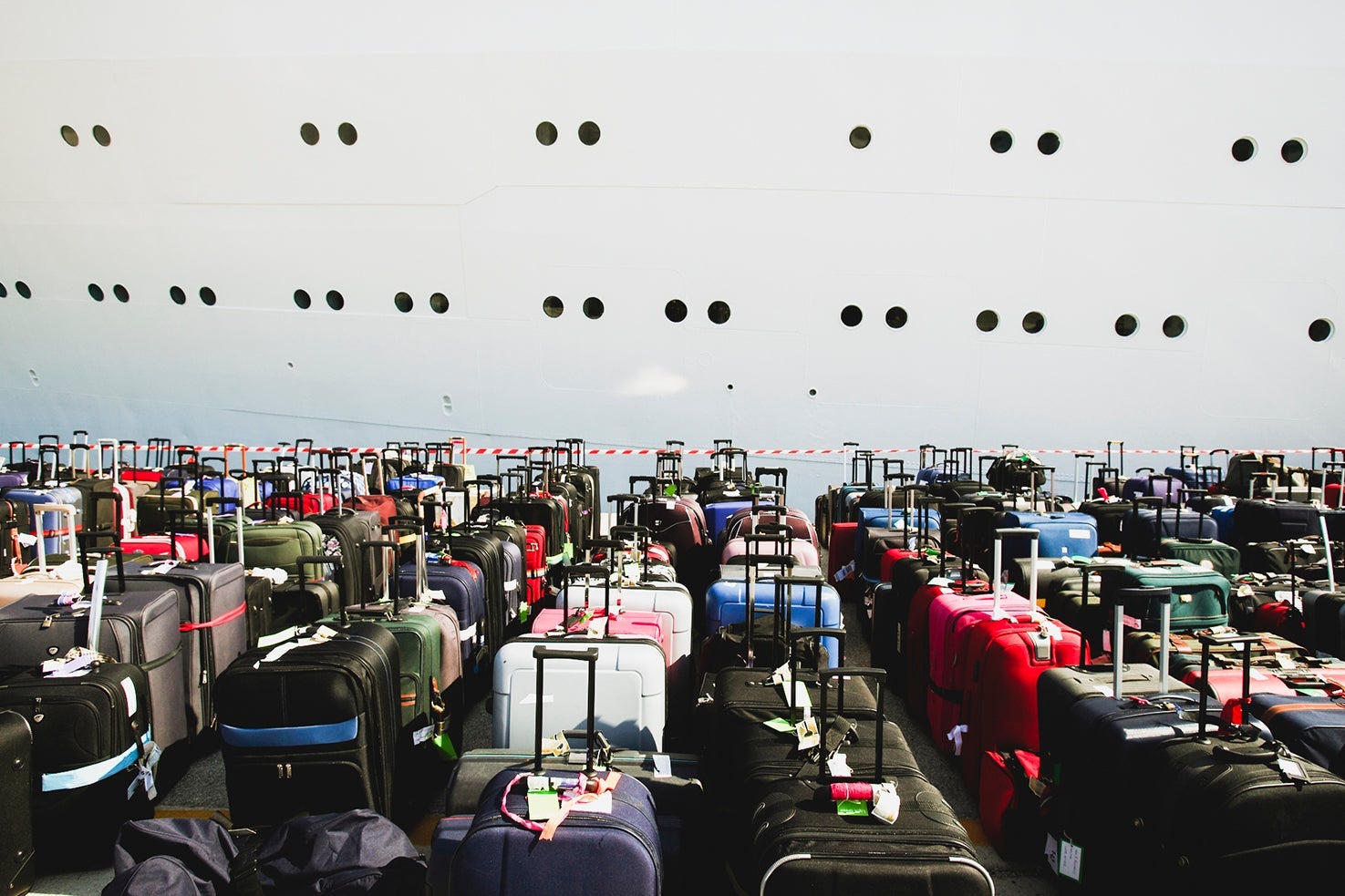
For those who prefer a less strenuous exit, the traditional luggage tag system is the standard. On the penultimate day of the cruise, your cabin steward will deliver color-coded or numbered tags. These tags correspond to specific disembarkation windows. You pack your large suitcases, attach the tags, and place them in the hallway outside your cabin by a specified time—usually between 10:00 PM and midnight on the final night. The crew then hauls these thousands of bags to a holding area and offloads them into the terminal once the ship docks. This system is efficient but requires a "rookie-proof" packing strategy.
The most frequent mistake made during this process is the "Pajama Trap." In the rush to pack everything into their checked bags, many travelers forget to leave out a change of clothes, shoes, or essential toiletries for the next morning. It is a common, albeit humorous, sight in cruise terminals to see passengers disembarking in bathrobes or slippers because their only pair of shoes is currently buried in a suitcase at the bottom of a 2,000-bag pile. To avoid this, keep a dedicated "day bag" or carry-on containing your passport, medication, electronics, a change of clothes, and any duty-free alcohol you may have purchased.
Speaking of alcohol, the rules regarding liquor purchases are strict. If you bought spirits in a port of call or at the ship’s duty-free shop, the cruise line likely held these items for "safe keeping" to prevent onboard consumption. These bottles are usually returned to your cabin on the final night or made available at a designated pickup station. If you are flying home, remember that these bottles cannot go in your carry-on luggage due to TSA liquid restrictions. They must be carefully wrapped—ideally in bubble wrap or thick layers of dirty laundry—and placed in your checked bags before you reach the airport.
The morning of disembarkation also brings a "hard out" time for cabins. To prepare for the next wave of guests, room stewards must begin deep-cleaning staterooms as early as 8:00 AM or 9:00 AM. Respecting this deadline is a matter of courtesy and operational necessity. A single passenger lingering in a cabin can delay the entire cleaning rotation for a steward who may have 20 to 30 rooms to flip in just a few hours. Instead of loitering in the room, head to the final breakfast service. While room service is rarely available on the last morning, the buffet and main dining rooms typically offer a final meal, albeit on an abbreviated schedule. This is an excellent way to kill time while waiting for your luggage tag color to be called.
One of the most stressful components of the final day is the transit to the airport. Travel experts and cruise lines alike emphasize the "Noon Rule": never book a return flight before 12:00 PM. Even if the ship is scheduled to dock at daybreak, a multitude of factors—fog, mechanical delays, medical emergencies, or slow customs processing—can push disembarkation back by hours. Furthermore, the surge of thousands of people hitting the local infrastructure simultaneously creates massive demand for taxis, Ubers, and shuttles. If your ship docks in a port like Civitavecchia (for Rome) or Galveston (for Houston), the airport is over an hour away under ideal conditions. Attempting a 10:00 AM flight is a recipe for high-cortisol levels and expensive last-minute rebookings.

For those who have booked cruise line transfers, the process is generally smoother. Buses are lined up outside the terminal, and staff are present to direct you to the correct vehicle based on your airline or terminal. While these transfers can be more expensive than a private ride-share, they offer a layer of logistical security. If you are navigating the terminal on your own, look for porters. These workers are the unsung heroes of disembarkation day. For a small tip (usually $2 to $5 per bag), they will help you locate your luggage in the massive terminal hall, load it onto a cart, and often help you bypass the longest lines for customs or ground transportation. In many U.S. ports, the implementation of facial recognition technology has significantly sped up the customs process, but having your passport or birth certificate readily accessible is still a requirement.
Ultimately, the key to a successful cruise disembarkation is a shift in mindset. Treat the final morning not as a frantic exit, but as the final logistical leg of your journey. By auditing your bill early, packing a smart carry-on, and scheduling a realistic flight, you can preserve the relaxation you worked so hard to achieve during your days at sea. As you walk down the gangway for the last time, a bit of foresight ensures that your vacation ends on a high note rather than a stressful scramble.
