
 By admin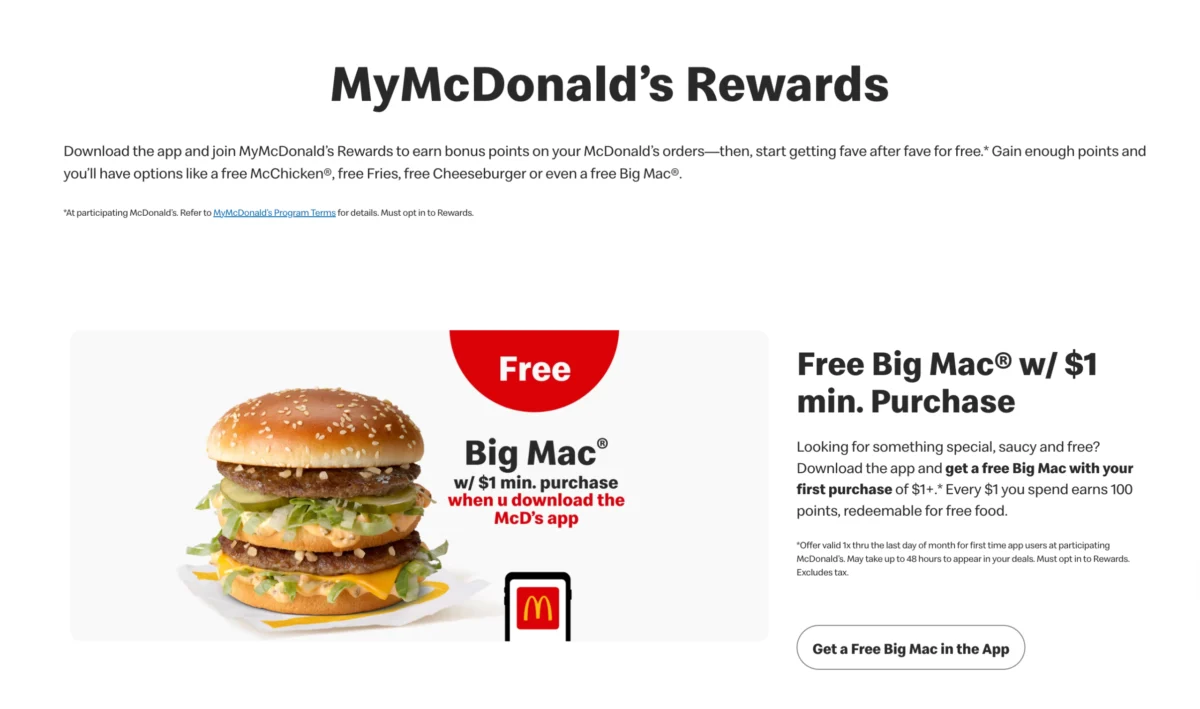
The MyMcDonald’s Rewards program has emerged as a cornerstone of modern "frugal luxury" for those who understand the mechanics of loyalty economics. While it may not provide the glamour of a first-class lounge, it offers a tangible, high-frequency return on investment that offsets the high costs of a life spent on the move. Even after a significant devaluation earlier this year, which saw the point requirements for most menu items increase by approximately 500 points, the program remains a powerhouse of value for anyone who finds themselves at a drive-thru with any regularity. The logic is simple: while you cannot redeem McDonald’s points for a transpacific flight, the money saved on daily sustenance through the app can be diverted into a travel fund, effectively subsidizing those high-end experiences that points alone cannot always cover.
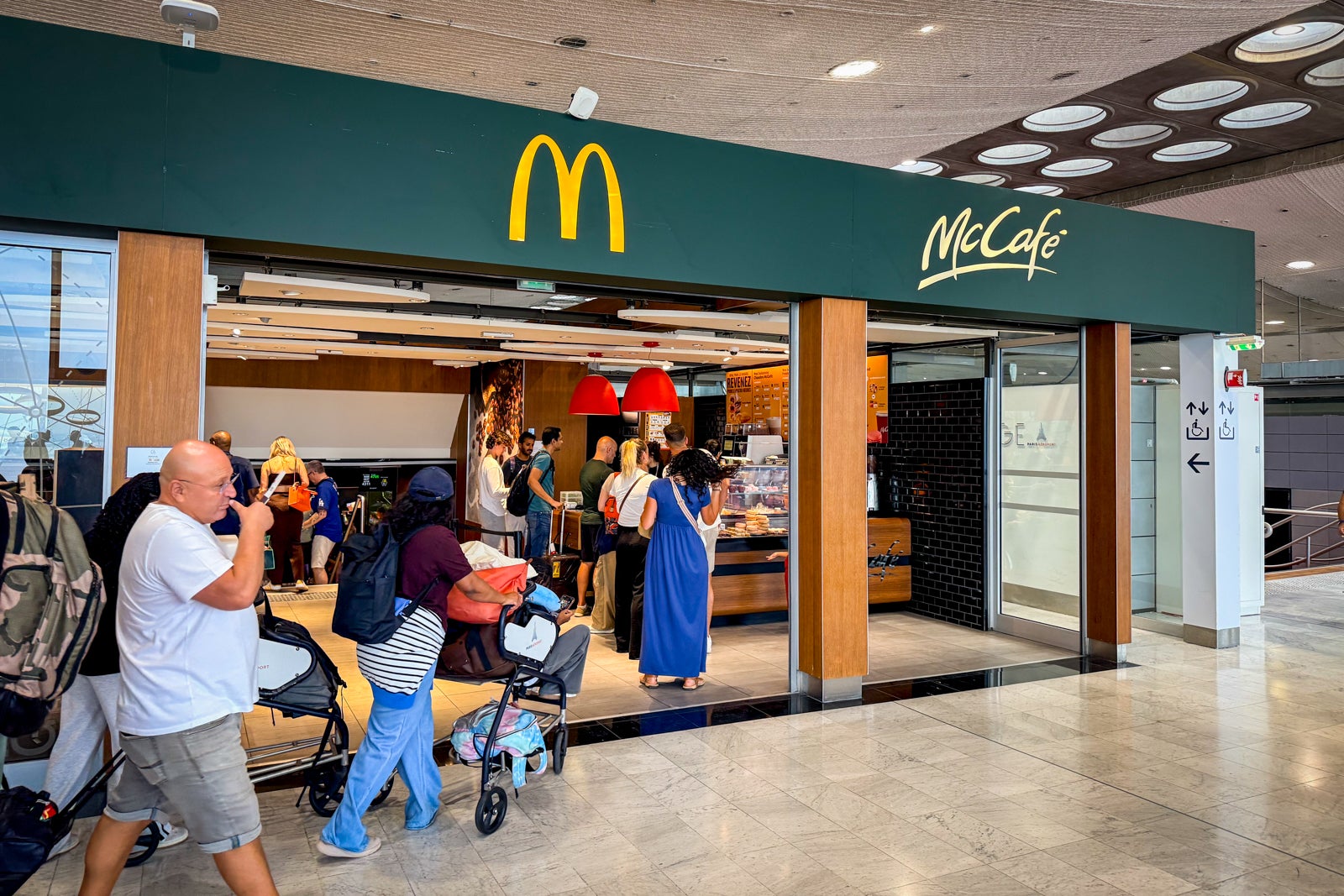
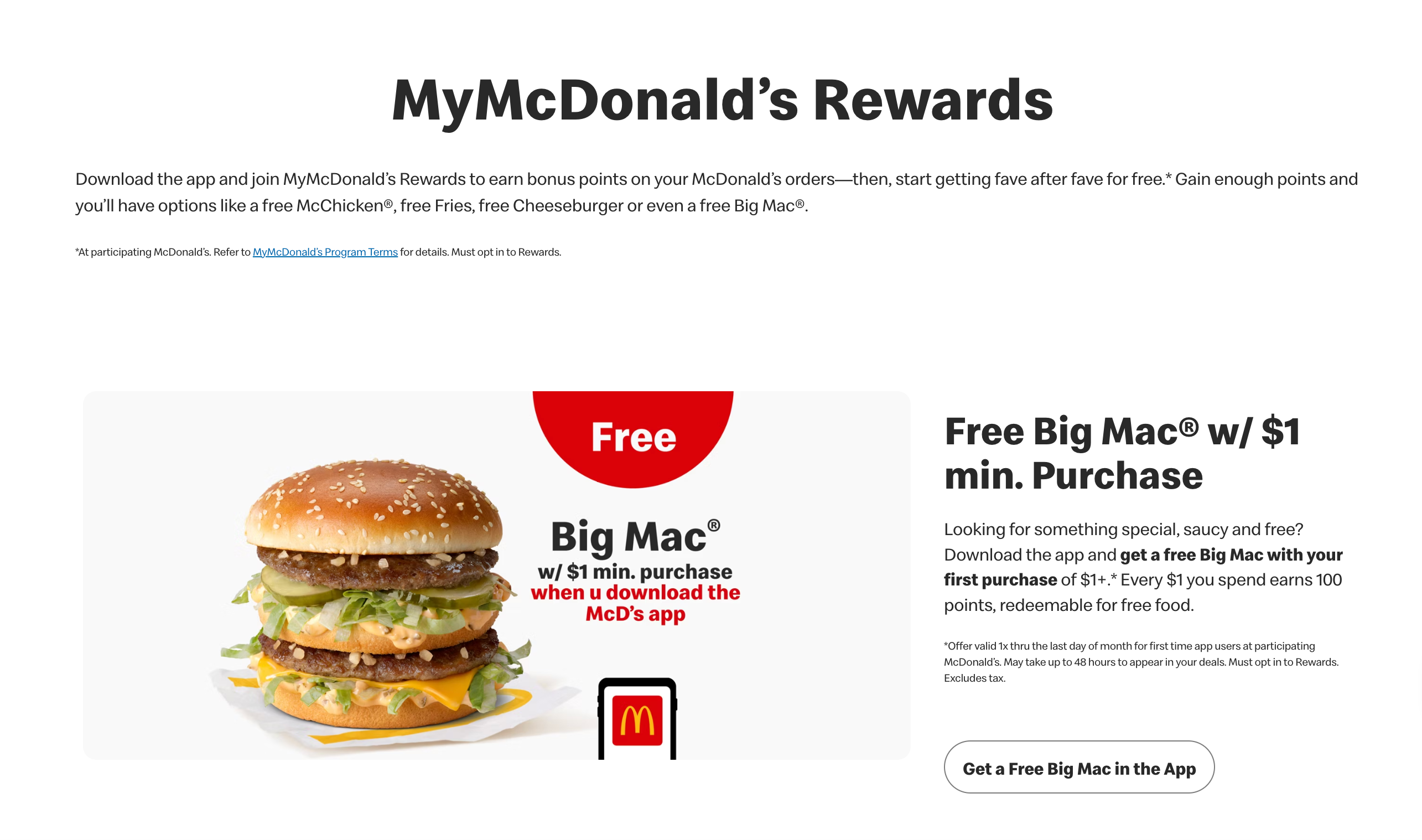
To understand the appeal of MyMcDonald’s Rewards, one must first look at the broader landscape of the Quick Service Restaurant (QSR) industry. In recent years, fast-food giants have pivoted aggressively toward digital-first strategies. McDonald’s, which launched its national loyalty program in the United States in mid-2021, has quickly become a leader in this space. The program is built on a straightforward earning structure: members earn 100 points for every $1 spent on eligible purchases. This 10% back in "points currency" is remarkably competitive when compared to the 1% or 2% cash back offered by many credit cards, or the often opaque valuation of airline miles.
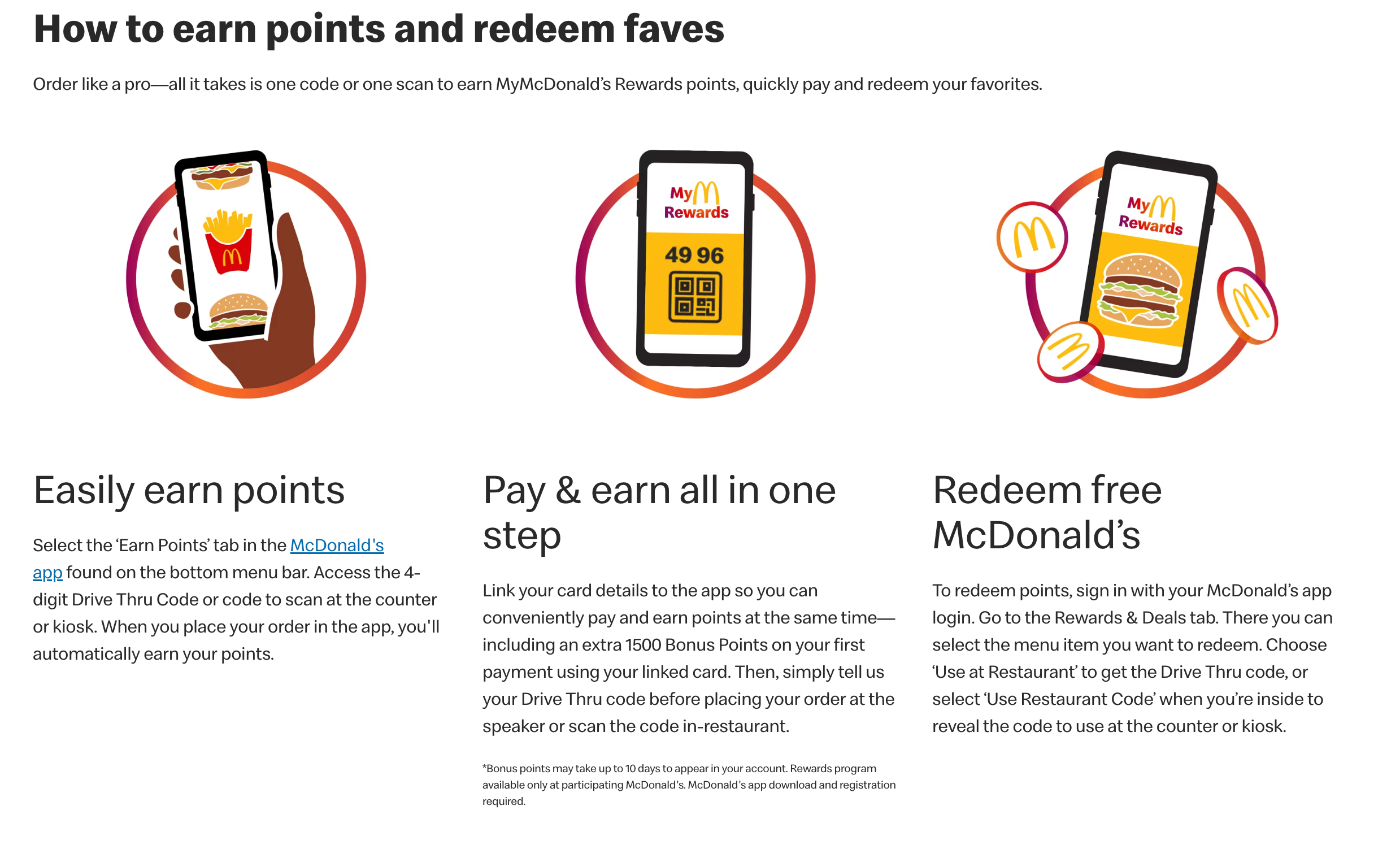
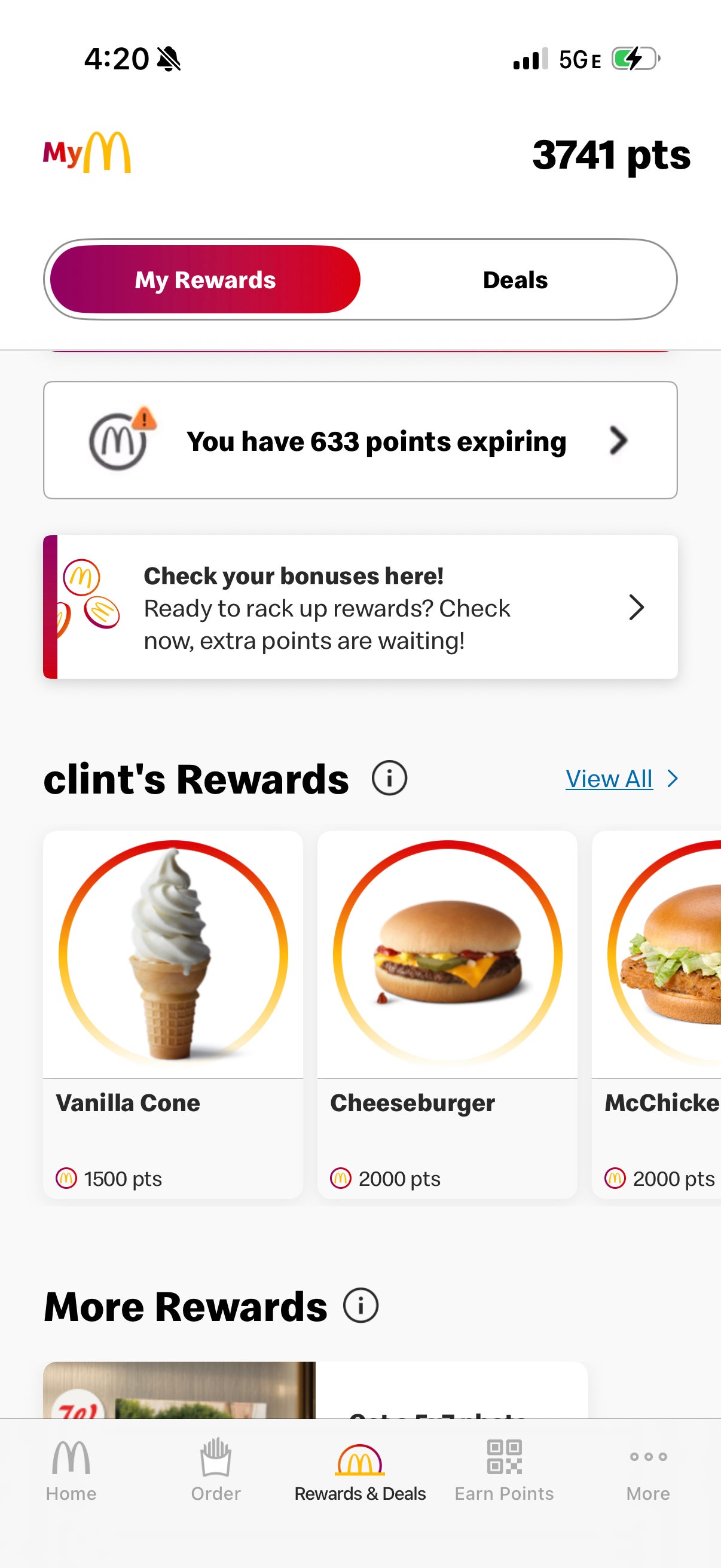
Participation in the program is designed to be frictionless, a key requirement for a "road warrior" who values efficiency. Points can be accrued through several channels: ordering directly via the McDonald’s mobile app, scanning a digital QR code at the register or drive-thru, or linking the account for McDelivery orders. This omnichannel approach ensures that no spend goes unrewarded. Once a user has accumulated a sufficient balance—starting as low as 1,500 points, which represents a $15 spend—they can begin redeeming for a variety of "free" menu items.
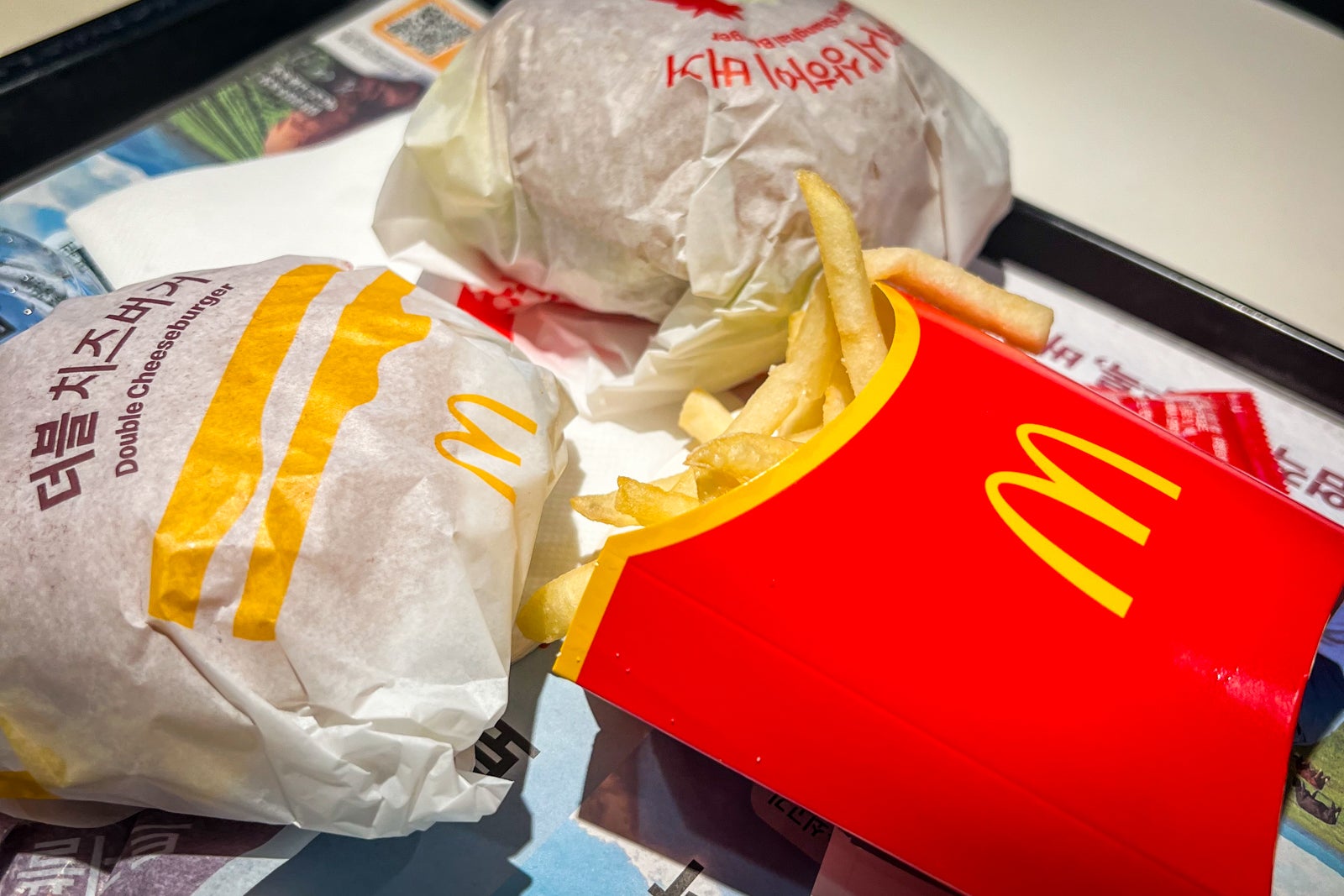
The brilliance of the program lies in its tiered redemption structure, which allows for strategic optimization. Unlike many travel programs that have moved toward dynamic pricing—where the cost in miles fluctuates based on the cash price of a ticket—McDonald’s maintains a fixed-rate redemption chart. This creates significant opportunities for "outsized value," particularly in high-cost urban markets. For instance, the points cost for a cheeseburger or a vanilla cone remains the same whether you are in a small town in the Midwest or the heart of Manhattan.
A deep dive into the valuation of these points reveals a fascinating disparity. In a high-cost market like New York City, a vanilla cone might retail for nearly $4.00. Redeeming 1,500 points for that cone yields a value of approximately 0.25 cents per point. Conversely, using 7,000 points for a Big Mac, which may cost $7.00 or $8.00 depending on the franchise, offers a slightly lower but still respectable return. For the savvy points enthusiast, the "sweet spot" of the program often lies in the 1,500 and 2,000-point tiers. Items like hash browns, sausage biscuits, and McChicken sandwiches provide a quick and efficient way to burn points for maximum utility.
However, the MyMcDonald’s Rewards program is not just about the points; it is about the "Deals" tab. This section of the app functions as a secondary layer of savings that often eclipses the value of the points themselves. App users are frequently treated to exclusive promotions, such as "Buy One, Get One" offers on Quarter Pounders, $2 Any Size Iced Coffee, or free fries with a minimum purchase. For a traveler frequently moving between time zones, these localized deals offer a reliable way to manage food expenses. It is important to note, however, the "no-stacking" rule: the app generally restricts users to one transaction every 15 minutes and prohibits the simultaneous use of a "Deal" and a "Reward" redemption. This requires a level of tactical planning familiar to anyone who has ever tried to maximize a complex travel itinerary.
Despite its strengths, the program does have its pitfalls. The most prominent is the expiration policy. Unlike some airline miles that can be kept alive indefinitely through account activity, MyMcDonald’s Rewards points expire on the first day of the month after the sixth month from which they were earned. For the casual diner, this creates a "use it or lose it" pressure. Furthermore, the 2024 devaluation serves as a reminder that all loyalty programs are subject to the whims of corporate inflation. As the cost of labor and ingredients rises, the "purchasing power" of a reward point inevitably declines.
From a corporate perspective, the MyMcDonald’s Rewards program is a masterclass in data collection. By incentivizing app usage, McDonald’s gains granular insights into consumer behavior—what time of day a customer eats, their preferred flavor profiles, and their response to specific price points. This data allows for hyper-personalized marketing, often pushing notifications to a user’s phone exactly when they are most likely to be hungry. For the consumer, the trade-off is clear: privacy and data for discounted or free sustenance. For the professional traveler, who is already being tracked by airlines, hotels, and credit card companies, this is a familiar and acceptable bargain.
When compared to other dining loyalty programs, such as Chipotle Rewards or Starbucks Rewards, McDonald’s stands out for its accessibility. Starbucks, for example, faced significant backlash in 2023 when it overhauled its "Stars" system, making it much harder for casual drinkers to earn a free brewed coffee. Chipotle’s program, while popular, often requires a higher spend threshold before a free entree is triggered. McDonald’s, by offering rewards at the $15 spend mark, provides the "instant gratification" that keeps users engaged.
The psychological impact of such a program cannot be overstated. For a road warrior who spends hundreds of nights in sterile hotel rooms and thousands of hours in crowded terminals, there is a certain comfort in the ubiquity and consistency of McDonald’s. Having a "free" meal waiting in the app provides a small sense of control and victory in a travel environment that is often chaotic and expensive. It is a reminder that loyalty strategy isn’t just about the "big wins" like a suite upgrade or a lounge access pass; it is also about the cumulative effect of small savings.
In conclusion, the MyMcDonald’s Rewards program serves as a vital tool for the modern traveler. It exemplifies the democratization of loyalty, proving that you don’t need to spend tens of thousands of dollars on airfare to participate in a rewarding ecosystem. By mastering the tiers, keeping an eye on expiration dates, and leveraging the app-exclusive deals, anyone can turn their routine fast-food stops into a strategic advantage. While it may not be as prestigious as an invitation-only airline tier, the ability to walk into a restaurant anywhere in the country and walk out with a free meal is a perk that even the most seasoned traveler can—and should—appreciate. In the high-stakes game of points and miles, sometimes the most valuable currency is the one that buys you a cheeseburger on a rainy Tuesday in a city far from home.
