
 By admin
A tense afternoon matinee between the Chicago White Sox and the Cincinnati Reds on Thursday took a dramatic turn when White Sox starting pitcher Davis Martin was ejected from the game following a heated incident that saw both dugouts clear. The sequence of events, stemming from two consecutive wild pitches directed at Reds slugger Sal Stewart, escalated quickly, culminating in Martin’s early exit from the contest.
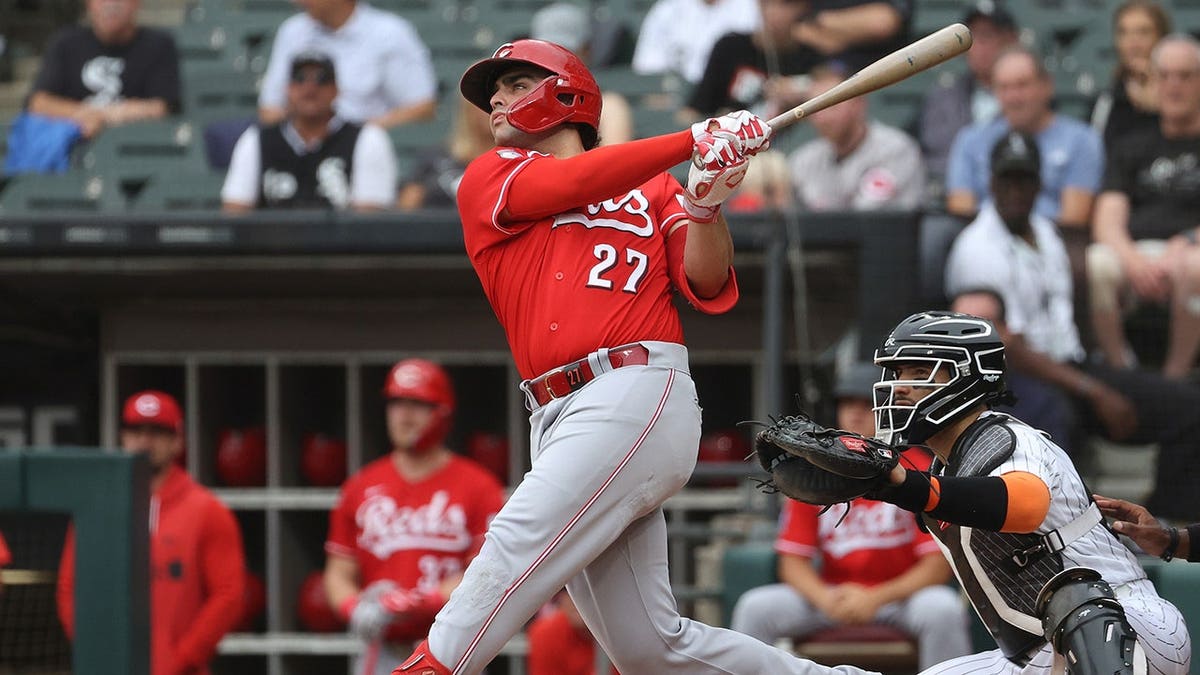
The drama unfolded in the early innings of the game. Stewart, who has been a standout performer and is considered a frontrunner for Rookie of the Year honors, had already made his presence felt. In his first at-bat against Martin, Stewart launched a home run, signaling a strong start to his day. However, it was his subsequent plate appearance that ignited the controversy. Facing a 0-1 count, Martin delivered a pitch that sailed wildly, missing everyone and slamming into the backstop. Stewart, understandably, reacted with a look towards the mound. Martin, according to reports, attempted to signal that the errant pitch was unintentional.
The situation, however, took a much more serious turn on the very next pitch. A 92-mph fastball from Martin came up and in towards Stewart. The Reds phenom reacted swiftly, narrowly avoiding a potentially dangerous collision with the pitch, which instead grazed the brim of his helmet, resulting in a hit-by-pitch. This second aggressive pitch, following the earlier wild one, clearly crossed a line for Stewart. He responded by pointing the knob of his bat directly at Martin, a clear indication of his displeasure and an unspoken accusation that the pitches were intentional.

While Martin continued to maintain his innocence, insisting the pitches were not deliberate, the Reds’ dugout was not inclined to accept his explanation. The perception of the pitches, particularly the second one that nearly struck Stewart, was that they were retaliatory or at the very least, overly aggressive. Veteran Eugenio Suarez was among the Reds players who quickly emerged from the dugout to confront Martin, voicing their concerns. The White Sox, sensing the escalating tension, also moved to protect their pitcher, with their dugout emptying in response.
Crucially, White Sox catcher Edgar Quero played a pivotal role in preventing the situation from devolving into a full-blown physical altercation. Quero, positioned behind home plate, quickly moved to intercept Stewart, physically preventing him from advancing further towards Martin. He even walked down the first base line with Stewart as the initial tension simmered, acting as a mediator and de-escalator.
Despite Quero’s efforts, the umpires on the field had to assess the situation. Given that both pitches were thrown dangerously close to Stewart’s head, the officiating crew determined that Martin’s actions warranted ejection. The decision was made to remove the White Sox starter from the game before he could complete three full innings, a significant blow to Chicago’s pitching depth.
This incident occurred after Stewart had already given the Reds an early lead. His first-inning home run off Martin, hit on a hanging breaking ball, put Cincinnati on the board. Later in that same frame, Martin also surrendered a two-run homer to Suarez, contributing to a three-run first inning for the Reds. While some on social media speculated that Stewart’s home run might have provoked Martin, Stewart himself did not appear to engage in any excessive celebrations or taunting after his blast, making the subsequent pitches seem even more questionable.

The White Sox, however, managed to claw their way back into the game offensively. By the time Martin was ejected, Chicago had rallied to score four runs, taking a 4-3 lead. This comeback was achieved despite being forced to bring in Erick Fedde on emergency notice due to Martin’s early departure. The loss of their scheduled starter put immediate pressure on the bullpen and the emergency fill-in.
Cincinnati’s offense, however, proved resilient. The Reds capitalized on the disruption in the White Sox pitching staff. In the top of the fourth inning, they mounted a significant rally, scoring four runs to reclaim the lead at 8-4. This offensive surge put the White Sox in a precarious position, further compounding the impact of Martin’s ejection.
The game continued to be a back-and-forth affair, with the White Sox showing signs of life late in the contest. They managed to score three runs combined in the eighth and ninth innings, narrowing the deficit and creating a potential for a dramatic comeback. However, it was not enough. The Cincinnati Reds ultimately held on to win the game by a final score of 9-8, securing a victory that was significantly impacted by the early ejection of Davis Martin.
Sal Stewart’s performance in this game further solidified his impressive rookie campaign. In addition to his home run, he went 2-for-3 on the day. His season statistics reflect his burgeoning talent, as he is now hitting .259 with an .811 OPS and has launched 26 home runs. His consistent production has made him a key player for the Reds and a strong contender for individual accolades.
The incident also highlights the volatile nature of baseball rivalries and the intense emotions that can surface during games. While intentional pitches are a part of the game’s strategy, crossing the line into pitches that endanger players can have immediate and severe consequences, including ejections and potential suspensions. The quick reactions of both players and umpires were critical in managing the situation, preventing further escalation, and ensuring player safety. The game served as a stark reminder of the fine line between competitive intensity and dangerous play in Major League Baseball.
