
 By admin
For the modern traveler, the calculation of airline loyalty has shifted from a simple tally of miles flown to a complex algorithm of spend, status, and credit card ownership. If you have ever found yourself in a United Airlines terminal, watching the priority boarding lines move while you wait in Group 4, or paying $40 for a checked bag, you have likely wondered if you are leaving significant value on the table by not carrying one of the airline’s cobranded credit cards. In the wake of United’s massive MileagePlus program overhaul earlier this year, the answer to that question has shifted from a "perhaps" to a resounding "yes."
The landscape of airline rewards changed fundamentally on April 2, 2024. United Airlines implemented a series of changes that effectively created a two-tiered system for travelers: those with a cobranded credit card and those without. For those holding the right plastic, the value proposition has never been higher, with some cardholders seeing a 20% increase in miles earned on flights compared to previous years. Conversely, those without a card have seen their earning potential slashed, particularly on basic economy fares where mileage accrual has been virtually eliminated for non-status, non-cardholders.
Choosing the right United card, however, is not a one-size-fits-all endeavor. United and its issuer partner, Chase, offer a diverse suite of personal and business cards ranging from entry-level options with no annual fees to premium "infinite" cards that function as all-access passes to luxury airport lounges. To determine which card deserves a spot in your wallet, one must analyze flying frequency, spending habits, and the specific perks—from free bags to Premier Qualifying Points (PQPs)—that justify the annual cost.

The New Math of MileagePlus: Why Cardholders Win
To understand the necessity of a United credit card in 2024, one must first look at the data behind the recent MileagePlus changes. Before the overhaul, earning miles was relatively straightforward. Now, the gap between "standard" members and cardholders has widened into a canyon.
Currently, a general MileagePlus member without a card earns a mere 3 miles per dollar spent on eligible United flights. However, once that same traveler opens an eligible United cobranded card, that earning rate jumps significantly. When you factor in the miles earned from the flight itself and the miles earned by paying for the ticket with the card, cardholders are often netting at least 6 to 9 miles per dollar spent.
Furthermore, the "Basic Economy" penalty has become a major pain point. In an effort to drive credit card acquisitions and status loyalty, United now denies mileage earning on Basic Economy tickets to general members. However, if you hold a United credit card, you continue to earn miles on these budget fares. For the frequent budget traveler, this difference alone can result in tens of thousands of miles over the course of a year—value that far exceeds most annual fees.
The United Explorer Card: The Gateway to Benefits
The United Explorer Card remains the most popular choice for the "occasional" flyer—someone who travels with United three to six times a year. With a $0 introductory annual fee for the first year (then $150), it provides a low-risk entry point into the ecosystem.
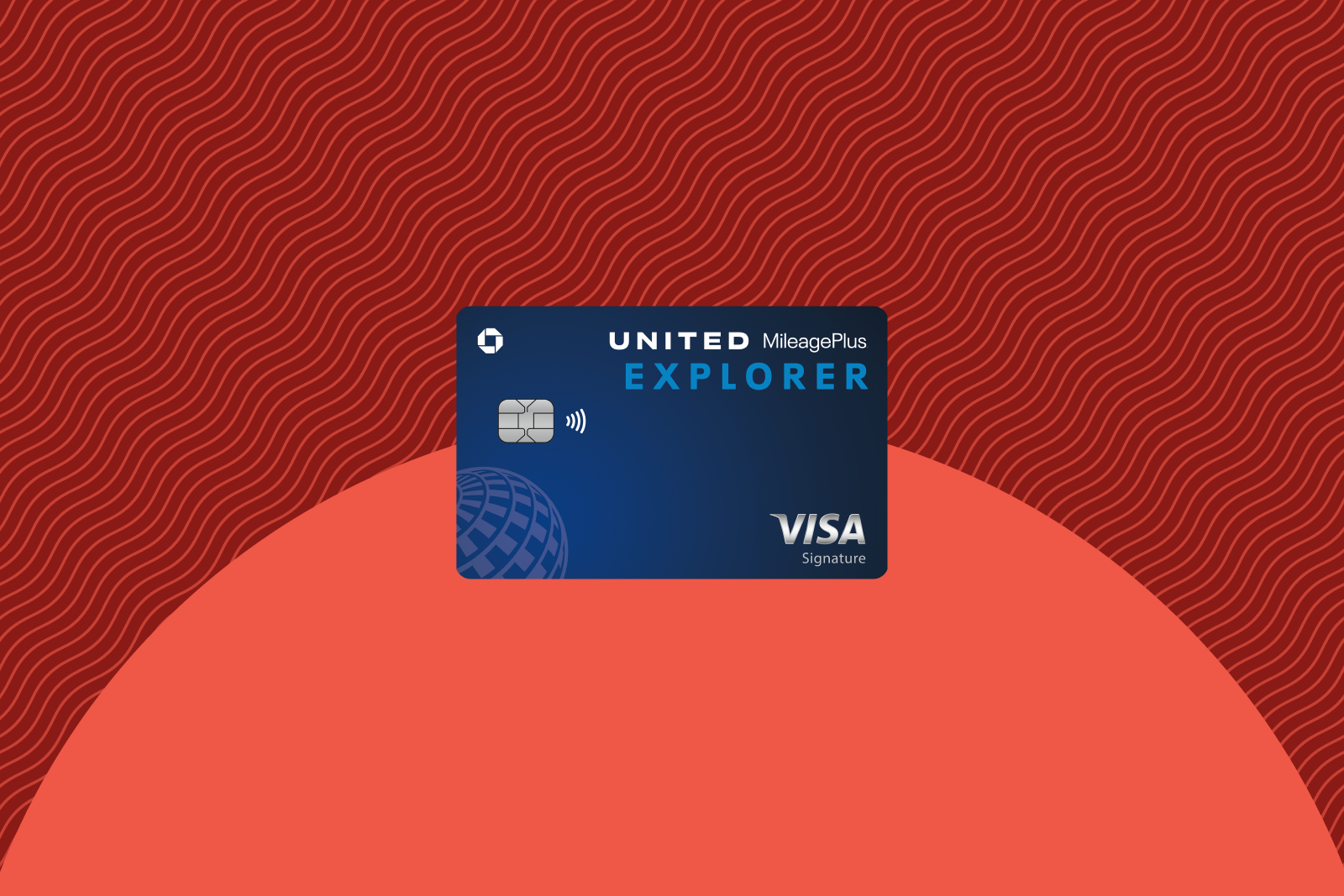
The core value of the Explorer card lies in its "Big Three" perks: the first free checked bag, priority boarding, and two annual United Club one-time passes. From an analytical perspective, the math is simple. United currently charges roughly $35 to $40 for a first checked bag on domestic flights. A single round-trip for a cardholder and one companion saves $140 to $160 in baggage fees alone—immediately covering the annual fee.
Industry experts, such as Olivia Mittak from The Points Guy, point out that the lounge passes provide a "safety net" for the annual fee. With a United Club day pass retailing for $59, using both annual passes provides $118 in tangible value. When combined with the $100 Global Entry or TSA PreCheck credit, the Explorer card is a rare example of a mid-tier card that pays for itself several times over in the first year of ownership.
The United Quest Card: The "Sweet Spot" for Frequent Flyers
For those who find themselves on a United jet once a month or more, the United Quest Card offers a more robust suite of benefits designed to offset its $350 annual fee. While that sticker price may seem high, the Quest card is engineered for those who understand the "effective" annual fee.
The card provides an annual $125 United purchase credit. If you spend at least $125 a year on United tickets—which any regular flyer will—the annual fee effectively drops to $225. From there, the perks escalate. Quest cardholders receive two free checked bags (saving up to $320 on a single round-trip for two people) and a unique "anniversary award flight credit." Starting with the first anniversary, cardholders get 5,000 miles back into their account after they take a United-operated award flight, up to twice a year.
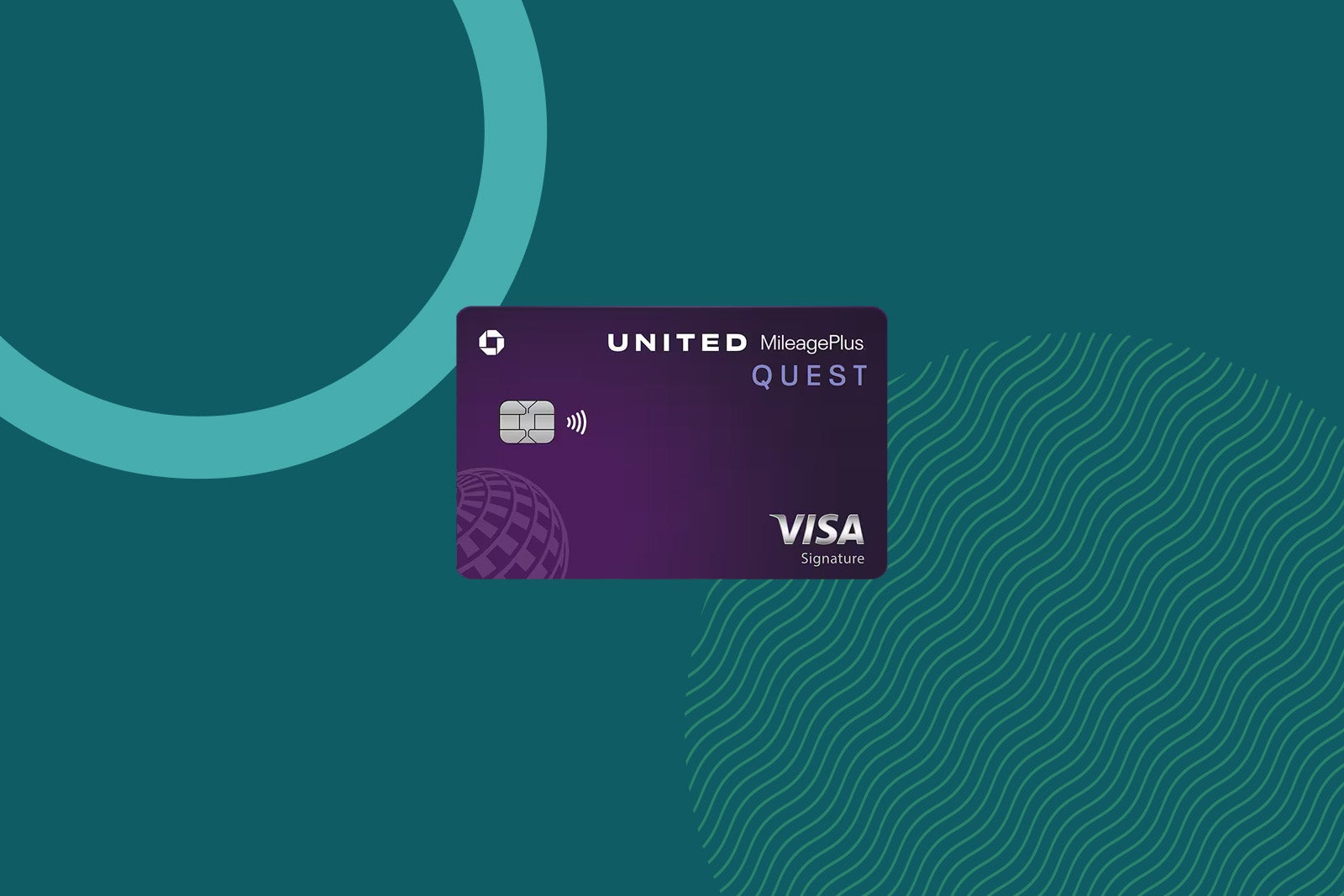
The Quest card is also a powerful tool for those chasing Premier status. It allows users to earn 25 Premier Qualifying Points (PQPs) for every $500 spent on the card, up to 6,000 PQPs per year. For a traveler aiming for Silver or Gold status, this "head start" can be the difference between falling short and enjoying year-long upgrades.
The United Club Infinite Card: The Premium Powerhouse
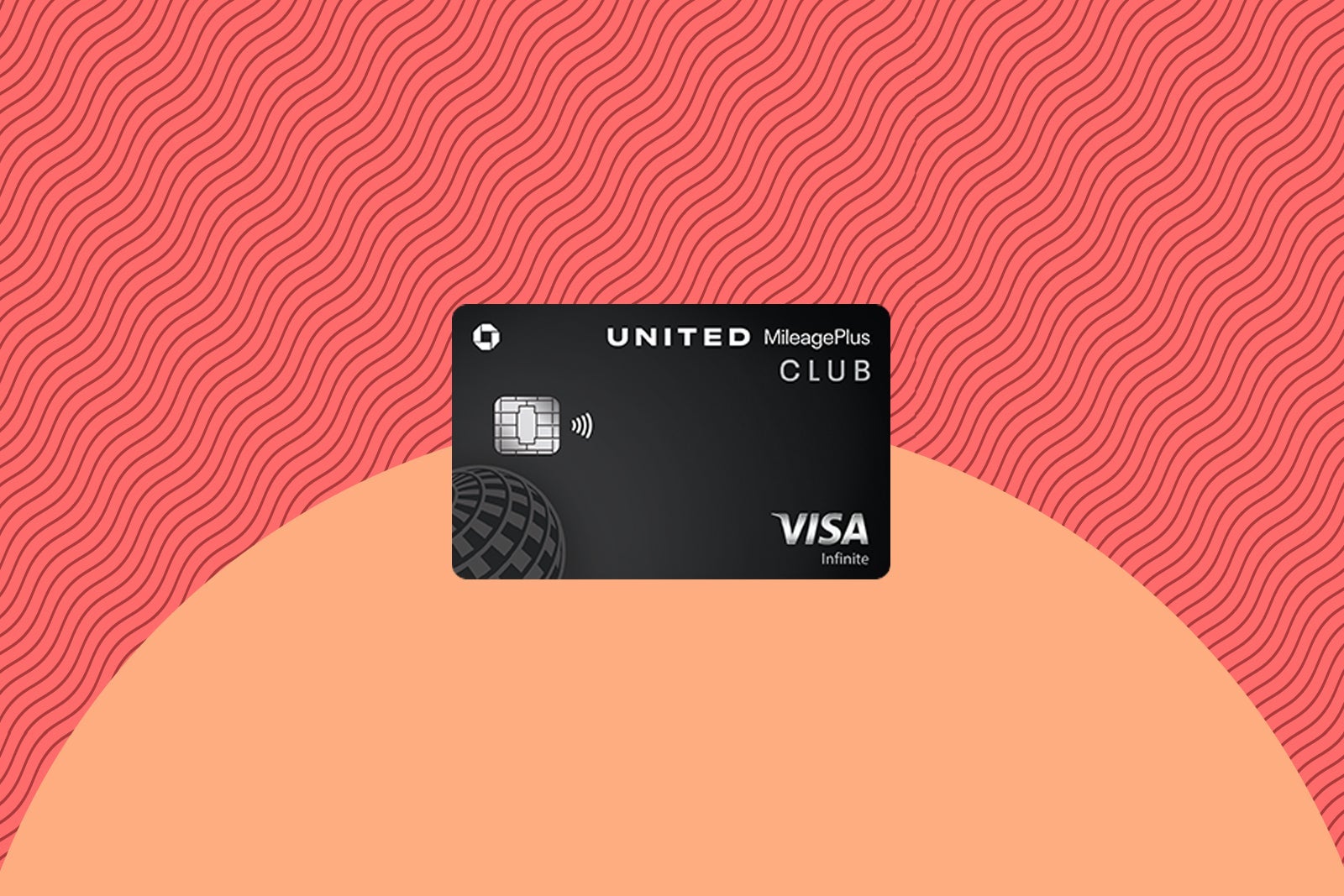
At the top of the pyramid sits the United Club Infinite Card, carrying a $695 annual fee. This card is not for the casual traveler; it is a dedicated tool for the road warrior who views the airport lounge as an essential workspace rather than a luxury.
The primary draw is a full United Club membership, which allows the cardholder and up to two guests unlimited access to over 45 United Club locations and participating Star Alliance lounges worldwide. Given that a standalone United Club membership costs $650 per year, the card is essentially a "membership plus" package. For the extra $45 in the fee, cardholders get 4 miles per dollar on United purchases, a $100 Global Entry/TSA PreCheck credit, and "Premier Access"—which includes designated check-in lines, exclusive security lanes, and priority baggage handling.
Christine Gallipeau, a senior loyalty editor, notes that for travelers based in United hubs like Newark (EWR), Chicago (ORD), or Houston (IAH), the Club card transforms the travel experience from a chaotic endurance test into a streamlined process. The inclusion of up to $150 in annual IHG One Rewards statement credits and a $75 statement credit for Avis or Budget rentals further helps to whittle down the high cost of entry.
The United Business Card: Maximizing Professional Travel
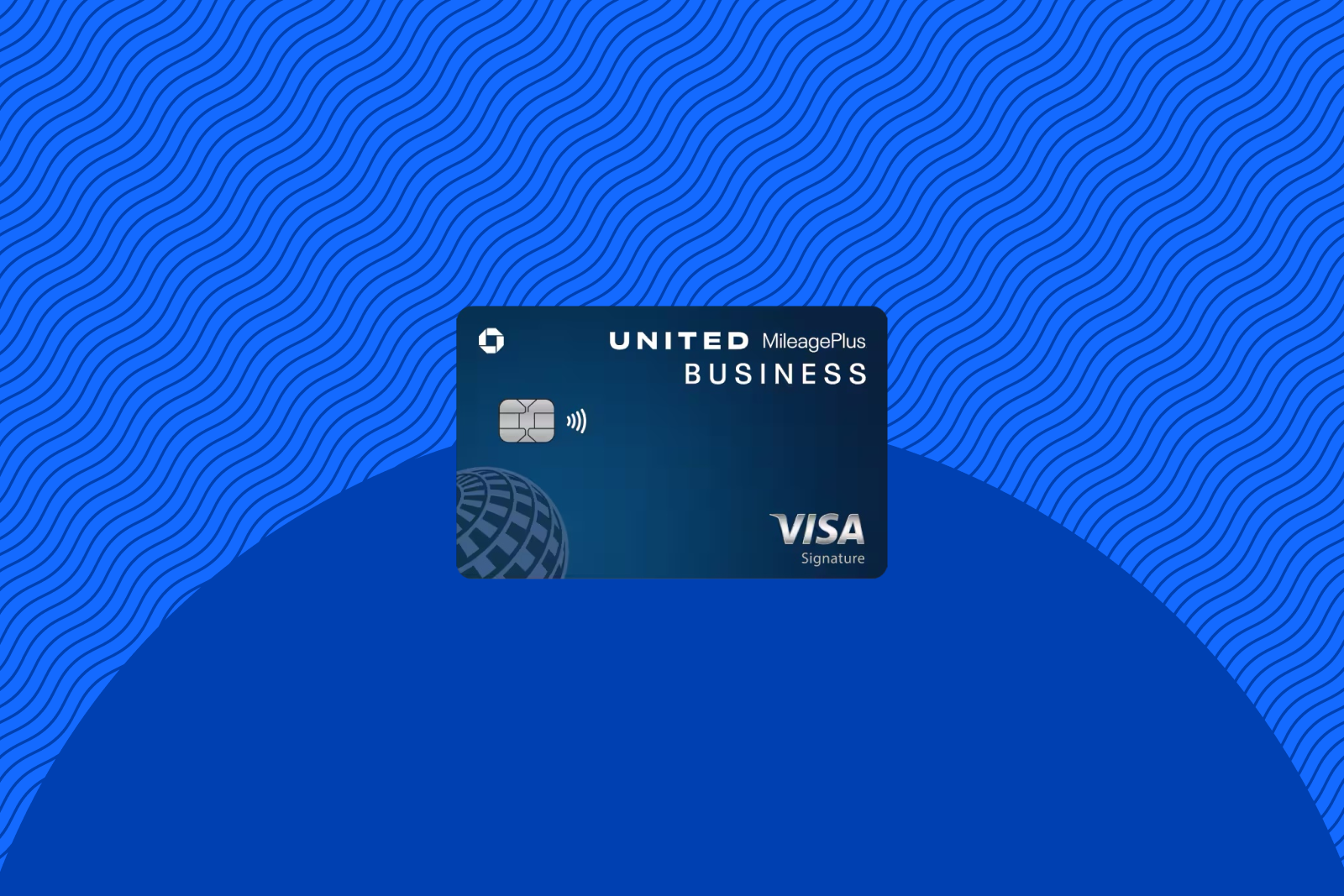
Small-business owners have a unique opportunity to bridge the gap between personal savings and professional expenses with the United Business Card. With a $150 annual fee, it mirrors many of the Explorer card’s benefits but adds a critical "synergy" bonus.
If you hold both a personal United card and the United Business Card, you receive a 5,000-mile "better together" bonus every year on your anniversary. Additionally, the business card offers 2 miles per dollar on "lifestyle" categories that often make up a significant portion of a small business’s budget: office supply stores, local transit, and gas stations.
Carly Helfand, a strategy director at TPG, highlights that the business card is an excellent way to earn PQPs through business spending without the high fee of the Club card. It also offers a $100 United travel credit after you make seven United flight purchases of $100 or more in an anniversary year, rewarding those who use the card as their primary booking tool.
Choosing Your Path: A Strategic Framework
When deciding which United card to integrate into your financial life, consider the following traveler profiles:
- The Budget-Conscious Vacationer: If you fly United twice a year for family vacations, the United Explorer Card is the logical choice. The free bag for you and a companion on just one round-trip justifies the fee.
- The Rising Executive: If you are traveling frequently for work and are within striking distance of Premier Silver or Gold status, the United Quest Card provides the best balance of PQP earning potential and award flight rebates.
- The Hub-Based Road Warrior: If you spend more time in airports than in your own living room, the United Club Infinite Card is an investment in your sanity and productivity.
- The Entrepreneur: The United Business Card allows you to separate business and personal expenses while accelerating your path to a free vacation through diverse 2x earning categories.
Final Thoughts: The Value of "Locked-In" Loyalty
The recent changes to the MileagePlus program signal a broader trend in the airline industry: the gamification of loyalty through financial products. United has made it clear that while they value all passengers, they reserve their best earning rates and most seamless experiences for those who carry their cobranded cards.
By choosing the right card, you aren’t just paying an annual fee; you are prepaying for a suite of services—bags, lounges, and priority access—that would cost significantly more if purchased à la carte. In the modern era of air travel, carrying a United credit card is no longer just about earning miles; it is about reclaiming the "value" and "comfort" that have increasingly become gated behind the cardholder experience. Whether you are looking to save $40 on a suitcase or $650 on a lounge membership, there is a United card designed to ensure you never leave value on the tarmac.
