
 By admin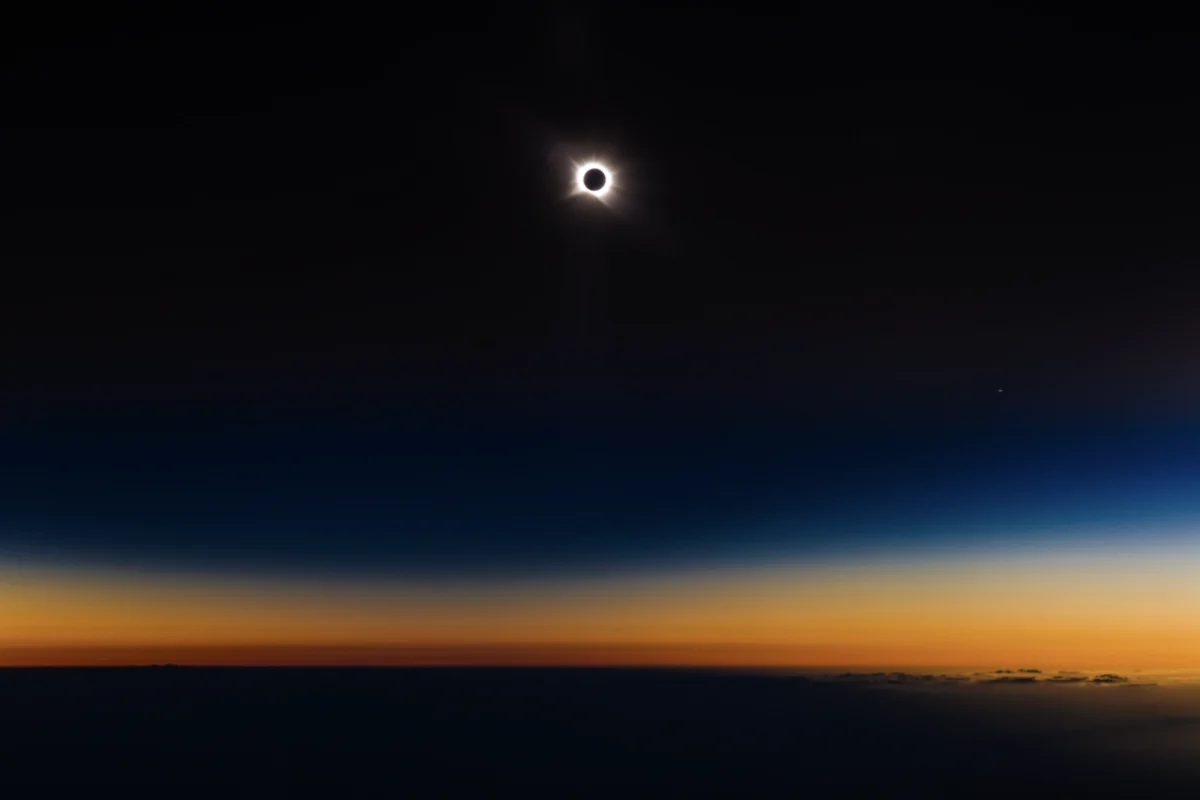
The allure of a total solar eclipse is often described as a spiritual experience, a rare moment where the clockwork of the universe becomes visible to the naked eye. For many, witnessing such an event requires years of planning, significant financial investment, and a fair amount of meteorological luck. Yet, for some, the most profound adventures are those born of a sudden impulse, a deep understanding of airline loyalty programs, and the technical precision of flight path analysis. At the start of this week, I had no intention of joining the ranks of global "umbraphiles"—the dedicated eclipse chasers who traverse the globe to stand in the moon’s shadow. Residing in London, a city I have called home for nearly two decades, I was content with the prospect of a 90% partial eclipse. After a grueling year of professional travel and the personal milestone of celebrating my 40th birthday, I had committed to a self-imposed travel ban for August. My body and mind were signaling a desperate need for stillness.
However, the "travel bug" is a persistent creature, and by Monday afternoon, the familiar restlessness returned. The realization that the path of totality for the August 12, 2026, eclipse was slicing directly through northern Spain and the Balearic Islands—practically on London’s doorstep—was too tantalizing to ignore. The 2026 eclipse was particularly significant; it marked the first total solar eclipse in continental Europe since 1999 and the first in Spain since 1905. While Londoners would see a dramatic darkening, they would miss the "diamond ring" effect, the corona’s ethereal glow, and the sudden, chilling drop in temperature that defines totality.
As a points and miles aficionado, my first instinct was to check the feasibility of a last-minute journey using non-traditional currency. I turned to SeatSpy and Seats.aero, indispensable tools for any frequent flyer looking to navigate the complex web of award availability. To my astonishment, despite being the peak of the British school summer holidays—a time when seats to Mediterranean hotspots are usually guarded like crown jewels—there was significant availability on several British Airways routes. This anomaly provided the spark for a more ambitious plan: rather than viewing the eclipse from the ground, where clouds could easily spoil the multi-year wait, why not view it from the stratosphere?
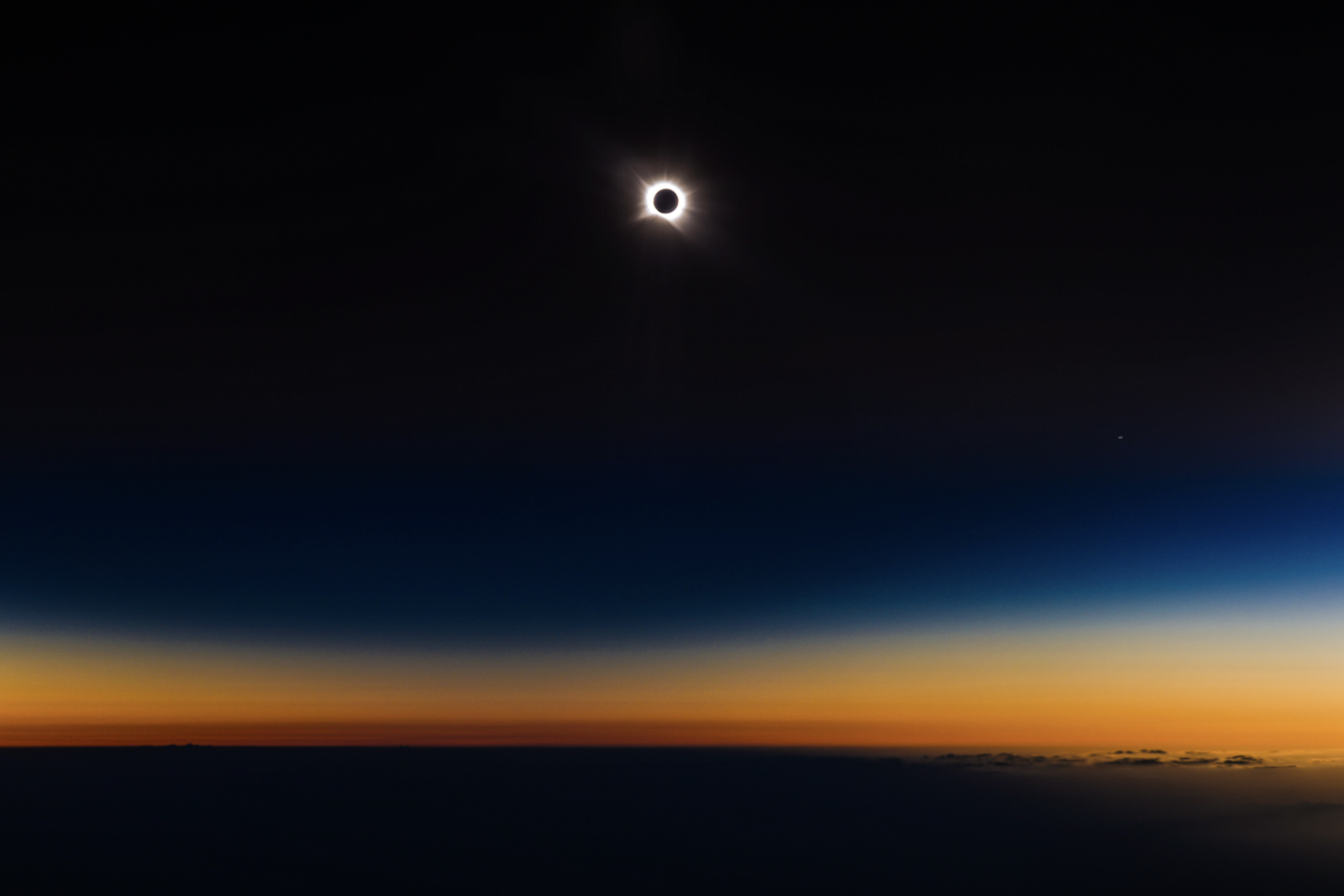
The concept of "eclipse flights" gained mainstream popularity during the April 2024 eclipse in North America, where Delta and Southwest operated special routes designed to follow the path of totality. Seeing the eclipse from a commercial aircraft offers several distinct advantages. At 35,000 feet, you are above the troposphere’s weather systems, effectively guaranteeing a clear view. Furthermore, the speed of the aircraft, while significantly slower than the moon’s shadow (which travels at over 2,000 miles per hour), can slightly extend the duration of totality if the flight path aligns with the shadow’s trajectory.
My initial research led me to believe that a flight to Palma de Mallorca Airport (PMI) would be the golden ticket. I was so confident that I shared the recommendation on social media, encouraging others to book the remaining award seats. However, the internet’s collective intelligence quickly corrected my course. Astronomy is a game of millimeters and precise coordinates; several viewers pointed out that my projected flight path would actually put the aircraft too far north. Grateful for the correction, I retreated to my "war room" to conduct a deeper dive into the logistics.
I am fortunate to live with a professional airline pilot, whose expertise proved invaluable. Together, we mapped the precise coordinates of the umbra—the darkest part of the moon’s shadow—against the standard flight corridors used by aircraft departing from London. We spent hours analyzing three days of historical FlightRadar24 data, replaying flights to see which ones crossed the path of totality at the exact moment of the eclipse’s peak. We eventually identified a standout candidate: British Airways Flight 2644 from London Gatwick Airport (LGW) to Malaga-Costa del Sol Airport (AGP).
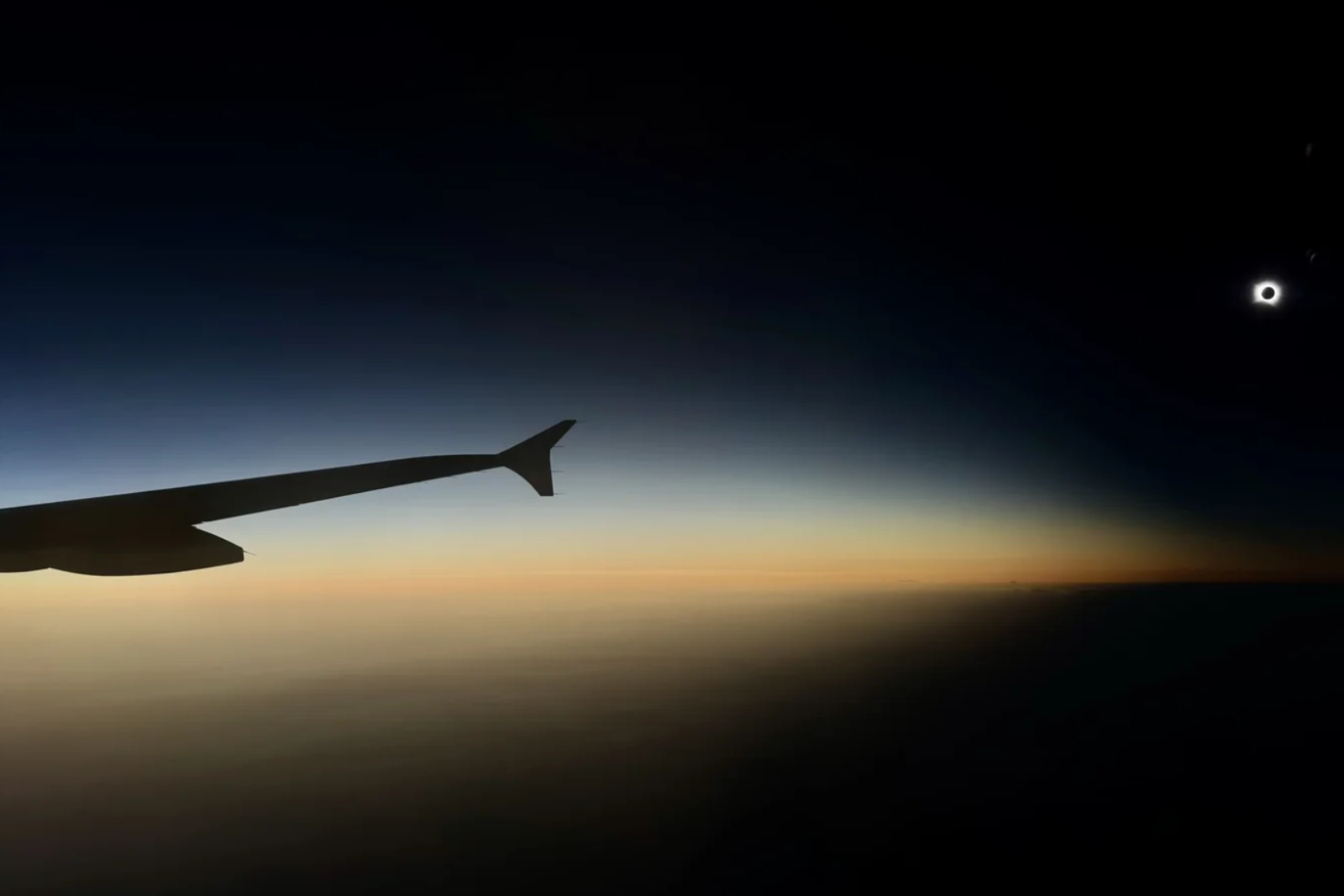
The data revealed a consistent pattern. While the flight was scheduled for a 5:10 p.m. departure, it frequently experienced a 60-minute delay due to the congested summer airspace over Europe. This specific delay, usually a source of frustration for travelers, was exactly what we needed to synchronize our position with the celestial alignment. I checked the British Airways Executive Club portal and found a wealth of availability. I secured a seat for a mere 14,000 Avios and a symbolic £2.50 in taxes and fees, a testament to the power of the British Airways Reward Flight Saver program. Leveraging my Club Gold status, I bypassed seat selection fees to ensure I was positioned on the right-hand, west-facing side of the aircraft—the "dark side" of the plane that would have a direct line of sight to the sun.
The day of the flight was a mixture of nervous energy and tactical preparation. After a quick commute to Gatwick, we moved through security with surprising ease. The atmosphere at the gate was largely oblivious; while we were checking our solar filters and camera settings, most passengers were simply looking forward to their Spanish vacations. In a rare reversal of travel logic, I found myself hoping for a delay. I boarded last, hoping that every extra minute spent on the tarmac would better align our flight with the shadow’s arrival.
As BA2644 finally pushed back and taxied toward the runway, the timing seemed perfect. We took off at 6:05 p.m., just five minutes shy of our "perfect" window. Once at cruising altitude, the cabin became a makeshift observatory. We donned our ISO-certified solar glasses and watched as the moon began its slow, deliberate transit across the solar disk. The sun began to take on a crescent shape, and the light in the cabin took on a strange, silvery quality.
The true magic began about 40 minutes into the flight. The captain, who had clearly been briefed or was an enthusiast himself, keyed the intercom. He announced that we were on the verge of entering the path of totality. He described it as a once-in-a-lifetime vantage point, noting that we would see the moon’s shadow—a massive, dark curtain—sweeping across the surface of the Earth at thousands of miles per hour.
Then, it happened. The shadow rushed toward us with an almost predatory speed. At 35,000 feet, the horizon is significantly further away than on the ground, allowing us to see the curvature of the Earth and the approaching darkness in high definition. When totality hit, the cabin erupted in gasps, followed by a profound, reverent silence. The sky transitioned from a deep blue to an eerie, midnight violet. Outside the window, the sun vanished, replaced by the shimmering white filaments of the solar corona. Because we were above the thickest part of the atmosphere, the stars and planets became visible in the middle of the afternoon.
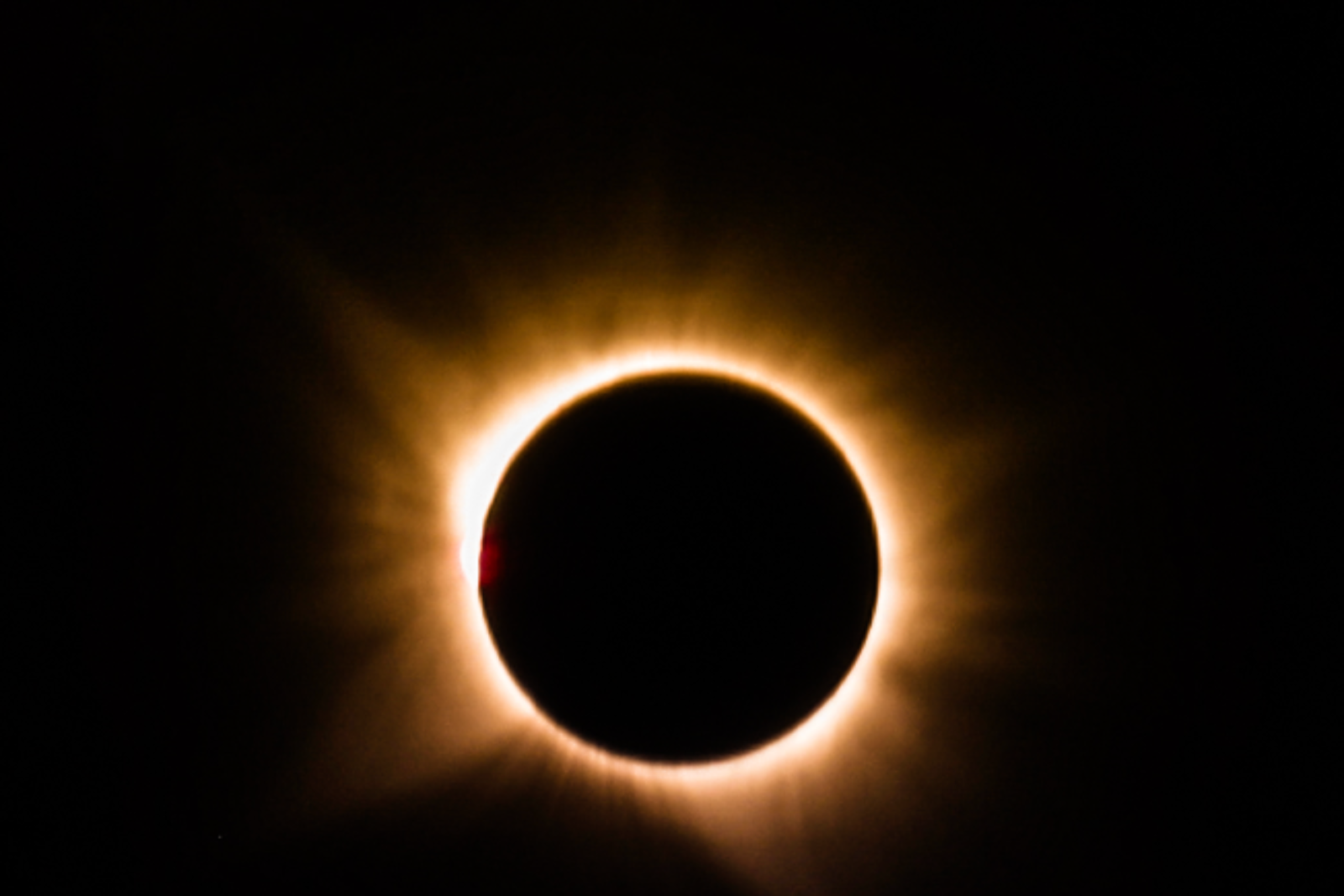
For 90 seconds, time seemed to suspend. The "electric" energy mentioned by my fellow passengers was palpable. We were witnessing a cosmic coincidence—the moon is 400 times smaller than the sun but also 400 times closer, making them appear the same size in our sky—from a perspective few humans ever get to experience. I captured what I could on my cameras, but eventually, I had to put the technology down. Some moments are meant to be felt rather than recorded.
The end of totality was marked by the "diamond ring" effect, a burst of light as the first sliver of the sun emerged from behind the lunar mountains. The cabin broke into cheers and spontaneous conversation. The shared experience turned a plane full of strangers into a community of explorers. Photos were exchanged via AirDrop, and stories were told of previous eclipse attempts.
As we began our descent into Malaga, the universe provided a final encore. Because of the timing of the eclipse and the sunset, we were treated to a partial-eclipse sunset. The sun, still partially obscured by the moon, dipped toward the Mediterranean horizon, painting the sky in hues of burnt orange, deep red, and bruised purple. It was a visual masterpiece that served as the perfect closing act to an extraordinary journey.
Reflecting on the experience, the success of the trip was a combination of serendipity and strategy. While we were lucky with the weather and the flight timing, the ability to pivot and book a high-value flight using points allowed for a level of flexibility that cash bookings rarely permit. As I stepped off the plane in Malaga, the heat of the Spanish evening hitting me, I was already thinking ahead. The next total solar eclipse to cross such accessible terrain will occur on August 2, 2027, passing over the Strait of Gibraltar and Egypt. The planning for that journey has already begun, but it will have a high bar to clear to match the magic of witnessing the shadow of the moon from the edge of space.
