
 By admin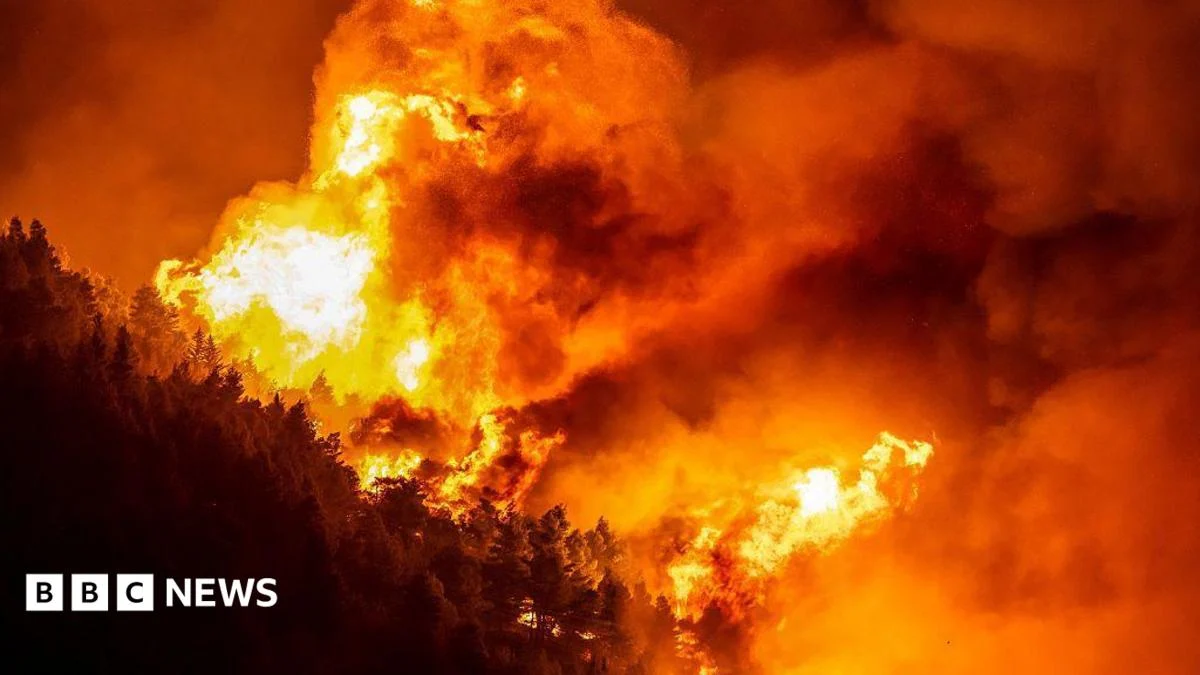
A catastrophic wildfire has ripped through Croatia’s stunning coastline, claiming at least one life and leaving approximately 40 individuals injured, with 10 requiring intensive care. The blaze, which ignited near the village of Lokva Rogoznica on Thursday evening, rapidly escalated, consuming vast swathes of land and advancing towards the popular tourist town of Omis, located just 6 kilometers (7 miles) away. The ferocity of the inferno necessitated the urgent evacuation of around 1,200 residents and bewildered tourists, highlighting the immediate and devastating impact of the fire. Croatia’s fire chief, Slavko Tucakovic, a veteran in battling such natural disasters, described the event as "one of the worst" infernos to have ever struck the nation, underscoring its unprecedented scale and destructive power.
This devastating event in Croatia is not an isolated incident but rather a stark manifestation of a broader European crisis. The continent is grappling with a relentless summer of extreme heat and prolonged dry conditions, creating a tinderbox environment ripe for devastating wildfires. From the Mediterranean to Northern Europe, nations are witnessing an alarming increase in the frequency and intensity of these blazes. Croatia’s plight is symptomatic of this widespread environmental vulnerability, where prolonged periods of drought bake the landscape, making it exceptionally susceptible to ignition and rapid spread.
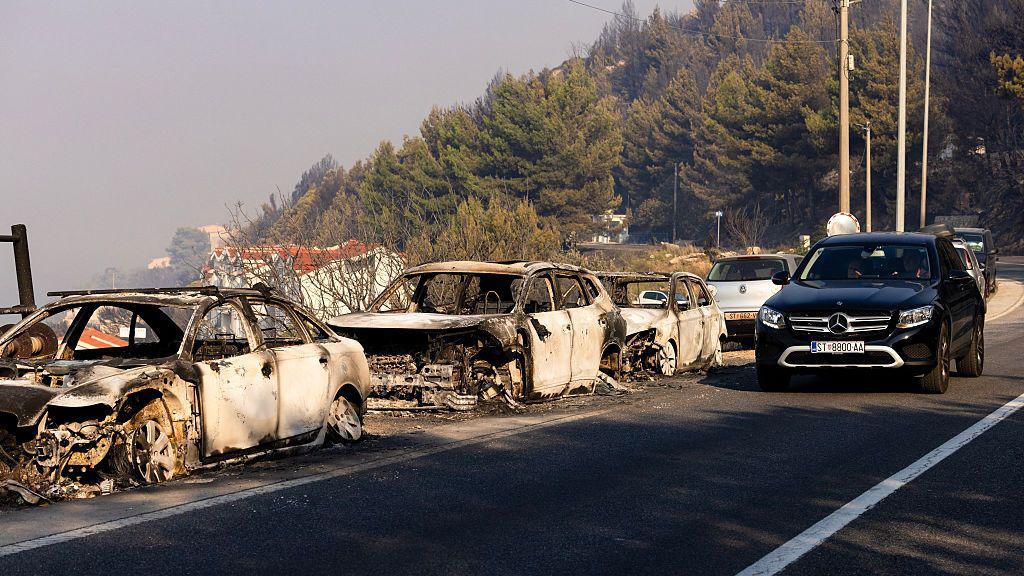
The wildfire’s destructive path extended to villages nestled near the Adriatic city of Split, a region renowned for its picturesque landscapes and vibrant tourism. The inferno coursed through densely forested hillsides, characterized by fragrant pine trees, leaving a trail of widespread destruction. Homes were reduced to smoldering ruins, and vehicles were melted into charred husks, painting a grim picture of the fire’s relentless advance. Fire Chief Tucakovic painted a harrowing picture of the firestorm, stating that the flames "burned through everything in their path." Official reports confirmed that the fire, fanned by powerful winds, consumed an astonishing 1,000 hectares of land in a mere four hours, a testament to its uncontainable speed and destructive potential.
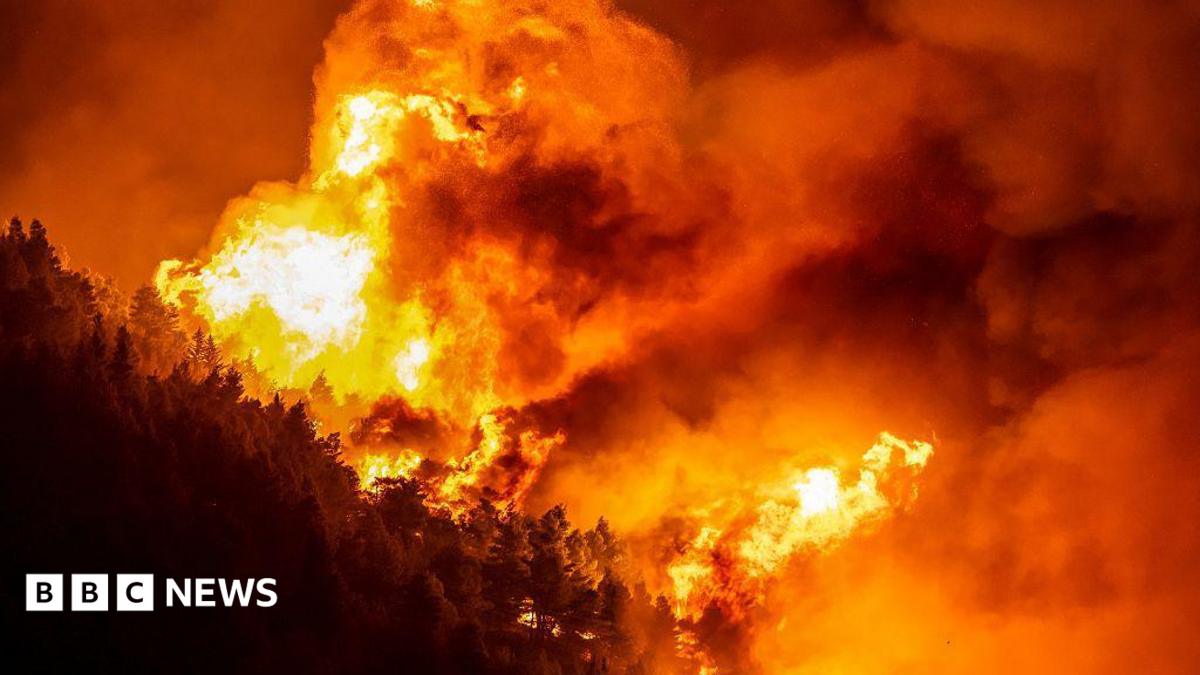
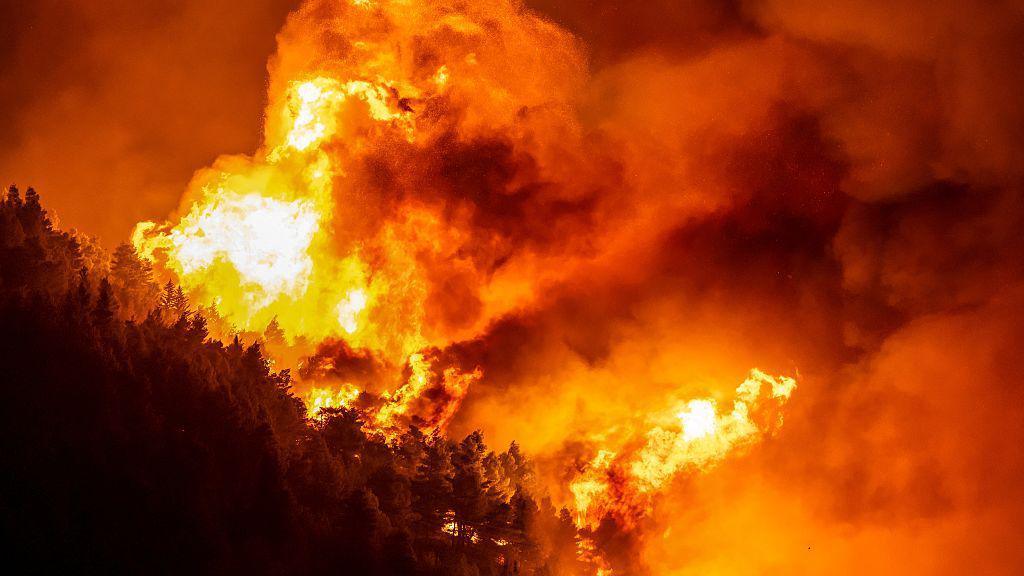
The operational response to this unfolding disaster was immediate and substantial, yet it faced immense challenges. More than 300 firefighters were deployed throughout the night on Thursday, battling the encroaching flames with courage and determination. However, the sheer intensity and erratic behavior of the fire frequently forced crews to make tactical retreats, prioritizing their safety in the face of overwhelming conditions. The visual evidence of the disaster, captured in footage shared online, is deeply disturbing. Thick plumes of smoke billowed into the sky, obscuring the sun and painting the heavens an ominous shade of red. Enormous flames, leaping and dancing with terrifying energy, tore through the surrounding vegetation, leaving behind a landscape of utter devastation. Stranded residents and tourists could only watch in horror as their surroundings were consumed by the raging inferno, their sense of security shattered. In a desperate bid for survival, some individuals were forced to make the harrowing decision to jump into the sea from boats, seeking refuge from the encroaching flames in the cool, life-saving waters.
The impact of the wildfire extended beyond the immediate physical destruction, creating a humanitarian crisis. Emergency shelters were swiftly established in several coastal towns, providing a temporary haven for those displaced by the evacuations. Throughout the night, as the fire continued its relentless march, evacuation efforts persisted, underscoring the ongoing threat to human life and property. The grim reality of the situation was further amplified on Friday when officials confirmed the discovery of a body in a burnt-out area, a tragic reminder of the ultimate cost of such natural disasters. Emergency services, even as they continued their search operations in the affected zones, were confronted with the devastating loss of life.
In the aftermath of the initial onslaught, Croatian Prime Minister Andrej Plenkovic visited the ravaged area on Friday, offering his condolences and acknowledging the immense efforts of the emergency crews. He spoke of the fire’s terrifying speed and the "gale-force winds" that propelled it, emphasizing the extraordinary challenges faced by the firefighters. The Prime Minister lauded the work of the emergency services, stating that what they had managed to save in the face of such overwhelming odds was "truly a miracle." The commander of the Omis Volunteer Fire Department, Viseslav Pesic, provided a stark account of the fire’s intensity, telling Reuters that the blaze was so fierce that people had abandoned their vehicles "directly in the fire zone." This chaotic abandonment of vehicles created significant obstacles for emergency crews, hindering their access to affected areas and complicating rescue and firefighting operations. The scene was one of desperate flight, with abandoned vehicles adding to the already perilous landscape.
The overwhelming response from firefighters across Europe highlights the immense strain on resources and personnel. This summer’s extreme heatwaves have ignited a wave of serious wildfires across the continent, pushing firefighting capabilities to their limits. In Greece, specifically in Agios Vasileios, over 200 people were forced to evacuate by boat from a beach resort as wildfires raged across the country. The scale of displacement was significant, with more than 500 residents in the south-western Landes region of France compelled to abandon their homes due to a fire encroaching on an area that had already been ravaged by previous wildfires. This recurring devastation underscores the long-term impact of climate change on these regions. In western Germany, near the Belgian border, over 2,000 people were evacuated from the village of Gey as a forest fire spread with alarming speed towards their homes. The sheer number of evacuations points to the widespread nature of the threat and the significant disruption to communities.
The wildfire crisis has also reached the United Kingdom, with an emergency wildfire alert issued to millions of people in England and Wales on Friday. The warning highlighted a "very high risk" of wildfires nationally, as firefighters were already engaged in battling multiple blazes in the West Midlands. This demonstrates that even regions not typically associated with large-scale wildfires are now facing increased risks due to changing climatic conditions. The interconnectedness of these events, from the Mediterranean to Northern Europe, serves as a stark reminder of the global nature of the climate crisis and the urgent need for coordinated action.
The contributing factors to this escalating wildfire crisis are multifaceted and deeply concerning. Climate change, driven by human activity, is undeniably a primary catalyst. Rising global temperatures lead to more frequent and intense heatwaves, creating prolonged periods of drought that dry out vegetation. This, in turn, makes forests and grasslands highly flammable. Furthermore, changes in precipitation patterns can lead to drier soils and a greater accumulation of dead, combustible plant material. Human activities, such as careless campfires, discarded cigarettes, and agricultural burning, can easily ignite these parched landscapes, turning small incidents into large-scale disasters. The combination of these factors creates a perfect storm for devastating wildfires.
The economic and environmental consequences of such widespread fires are profound. Beyond the immediate loss of life and property, these blazes can devastate ecosystems, leading to the destruction of habitats for countless species of flora and fauna. The long-term recovery of affected landscapes can take decades, if not centuries. Economically, the costs associated with firefighting, disaster relief, and rebuilding infrastructure are immense. Tourism, a vital industry for many of the affected regions, suffers significantly as natural attractions are destroyed and perceptions of safety are eroded.
The scientific community has been issuing increasingly urgent warnings about the link between climate change and the rise in extreme weather events, including wildfires. Reports from organizations like the Intergovernmental Panel on Climate Change (IPCC) consistently highlight the need for immediate and drastic reductions in greenhouse gas emissions to mitigate the worst impacts of global warming. Experts emphasize that adaptation strategies, such as improved forest management, early warning systems, and enhanced firefighting capabilities, are crucial but cannot fully compensate for the underlying cause of climate change.
The recurring nature of these devastating wildfires across Europe raises critical questions about preparedness and long-term strategies. While immediate responses to extinguish fires are vital, there is a growing recognition of the need for proactive measures. These include investing in fire prevention programs, educating the public about wildfire risks, and implementing sustainable land management practices that can reduce fuel loads and create firebreaks. The development of more resilient infrastructure and community planning that accounts for the increasing threat of wildfires is also paramount.
As Europe continues to grapple with this year’s unprecedented wildfire season, the events in Croatia serve as a somber reminder of the destructive power of nature when exacerbated by climate change. The loss of life, the displacement of communities, and the devastation of natural landscapes are powerful indictors of the challenges that lie ahead. Addressing this crisis requires a concerted global effort, encompassing not only immediate firefighting efforts but also a fundamental shift towards mitigating climate change and building more resilient societies in the face of an increasingly volatile planet. The scarred landscapes and the stories of survival from Croatia and other affected nations will undoubtedly serve as a stark warning for years to come.
