
 By Lina Irawan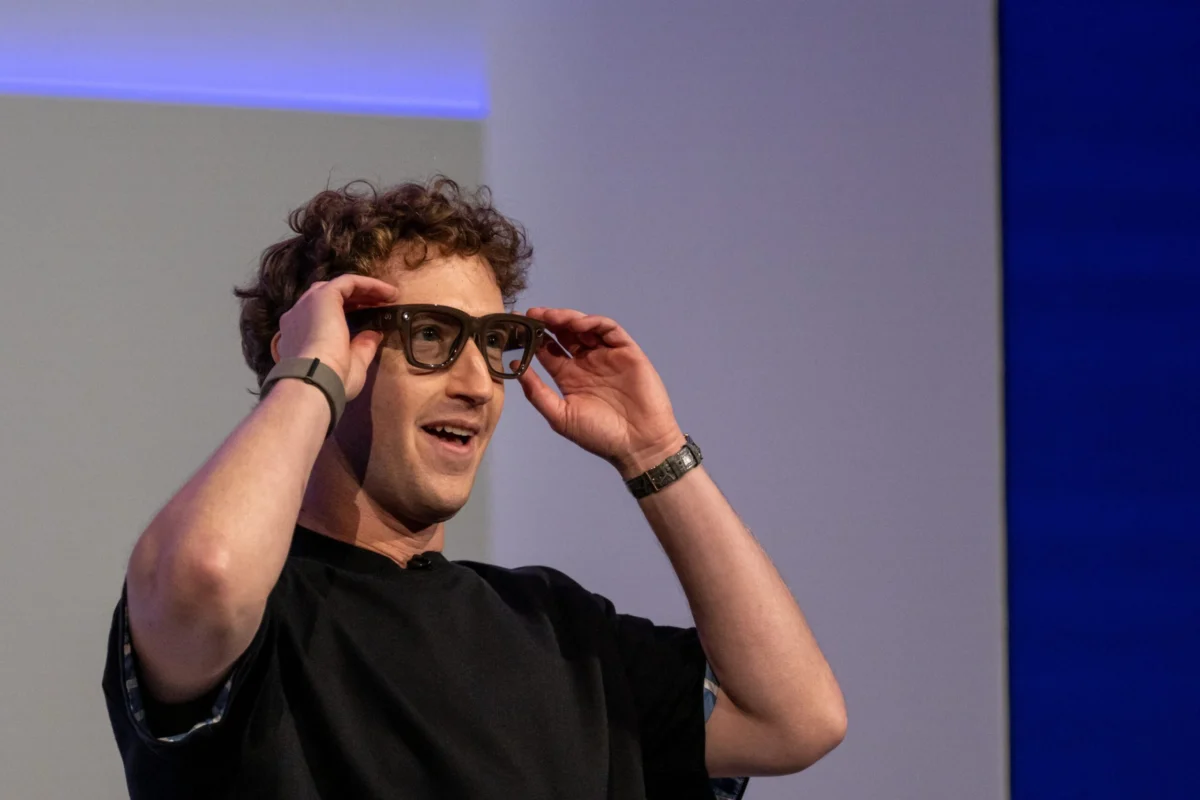
The apprehension surrounding smart glasses is not unfounded. Devices like Meta’s Ray-Ban Meta Glasses, designed to seamlessly integrate recording capabilities into everyday eyewear, have quickly become a focal point of controversy. Reports have surfaced coining them "pervert glasses" due to instances of individuals secretly recording others in vulnerable situations, such as undressing. Further compounding these concerns, Meta is facing a lawsuit alleging that subcontractors reviewing recorded data have accessed users’ most intimate moments, raising alarming questions about data security and the sanctity of private life. This confluence of discreet recording capabilities, powerful AI processing, and extensive data storage on corporate servers is forcing a fundamental re-evaluation of privacy rights, not just in the public realm but also regarding the ultimate destination and use of captured personal data.
"We are living in weird times," observed Jim Waldo, a distinguished professor of computer science at Harvard who teaches several courses on technological privacy. He elaborated on the unprecedented nature of the current landscape, stating, "The technology is changing. It’s the combination of the Meta Glasses with facial recognition, AI, and a number of other sorts of technologies that are all coming together and putting us in an environment that we just aren’t prepared to deal with yet." This sentiment underscores the societal lag in adapting to rapidly advancing tech, where ethical frameworks and legal protections often struggle to keep pace with innovation.
The gravity of these privacy implications is manifest across multiple fronts. Beyond the aforementioned lawsuit, state attorneys general, such as Ken Paxton of Texas, have launched investigations into Meta Glasses to protect citizens’ privacy from unlawful data collection practices. The sheer volume of content generated with this technology, much of which verges on surveillance, has led to a public perception of Meta Glasses as tools for covert monitoring. Even Meta’s own platforms, like Instagram, have had to intervene, disabling numerous accounts that amassed millions of followers by livestreaming unauthorized content directly from Meta glasses, citing violations of content usage policies. "We don’t want harassing content on our platforms and take it down when we find it," a spokesperson for Instagram affirmed, indicating the company’s reactive stance to misuse.
This phenomenon marks a new era of wearable technology, far removed from the "dumb" smart wear of yesteryear. The initial wave of wearables primarily focused on fitness tracking, sleep monitoring, and basic notifications, lacking integrated cameras or advanced AI. Today’s smart glasses, however, represent a significant leap. Meta’s Ray-Ban Meta Glasses are at the forefront, featuring high-resolution cameras discreetly built into the frames, enabling users to capture photos and videos without the overt action of pulling out a smartphone. Crucially, these glasses also incorporate microphones for audio recording and offer direct livestreaming capabilities to platforms like Facebook and Instagram, transforming them into potent, always-on personal broadcasting devices.
Meta has attempted to mitigate privacy concerns by implementing a visible white capture LED on the front of the frames, designed to blink whenever content is being recorded. The company asserts that this LED cannot be deactivated and that the camera functionality is disabled if the LED is obstructed. "We will keep strengthening our protections as our glasses become even more capable," Meta spokesperson Dina El-Kassaby stated, emphasizing their commitment to user safety. However, experts remain skeptical about the efficacy of such measures. Waldo critically noted, "They’re making it safe for the consumer. They’re not making it safe for the people around the consumer." This distinction highlights the core tension: while the wearer might be aware and in control, those unwittingly captured in their surroundings are not afforded the same protection or agency.
The legal ramifications of using these inconspicuous recording devices in public spaces are also substantial. Gene Kang, a partner at the law firm Rivkin Radler LLP, suggests that the technology itself isn’t inherently problematic, but the lack of awareness among the filmed individuals poses a significant legal challenge. "If you’re holding up your phone to somebody’s face, they’re going to know," Kang explained. In such scenarios, he argued, there could be an implied consent if the person, aware of being recorded, does not object. However, with the subtle nature of smart glasses, this assumption of implied consent becomes exceedingly difficult to uphold, potentially opening avenues for privacy and consent-related lawsuits. "If they’re not aware that they’re being recorded, then I think that presents a different issue," he added. "I think they would potentially have a claim there." This legal ambiguity underscores the urgent need for clear regulatory frameworks governing wearable camera usage.
A particularly disturbing trend amplified by smart glasses is the rise of "pick-up artistry" content. A comprehensive study by University of Sydney researchers revealed a significant increase in this type of content, which typically involves individuals from the "pick-up artist" community secretly recording interactions with women in public. These point-of-view reels are then shared on social media, often attracting large audiences. The study, which analyzed over 350 such videos, found that a staggering 60% depicted behavior classified as potentially harassing. Furthermore, in 43% of the videos, women were subjected to derogatory commentary, and many subjects were identified or "doxxed," revealing their personal information online. The researchers coined the term "ambient capture" to describe the act of recording people in their everyday surroundings without their knowledge, highlighting the insidious nature of this phenomenon. Dr. Milica Stilinovic, one of the study’s authors, expressed profound concern, stating, "We should all be very concerned," particularly given the direct correlation found between the covertness of the recording devices and the severity of the harassment perpetrated. This underscores how smart glasses can facilitate predatory behavior, blurring ethical boundaries and infringing on personal safety.
In response to these pervasive threats, a growing movement of individuals and innovators is actively seeking ways to fight back. Creative solutions range from low-tech physical interventions to advanced software. Some individuals have adopted face markings or specific patterns in clothing designed to confuse facial recognition systems embedded within smart glasses, drawing inspiration from existing anti-surveillance art and fashion. Another circulating theory suggests singing copyrighted songs, particularly those from Disney, when one suspects they are being recorded. The rationale behind this is that Disney’s notoriously aggressive copyright enforcement would lead to the video being taken down from social media platforms.
On the technological front, Professor Dr. Yves Jeanrenaud developed Nearby Glasses, an open-source and free software application. As its name suggests, the app notifies users when Meta Glasses are detected in their vicinity, offering a proactive defense mechanism. According to its open-source repository, Jeanrenaud created the app as a direct response to what he termed "an intolerable intrusion, consent neglecting, horrible piece of tech that is already used for making various and tons of equally truly disgusting ‘content’." The app’s popularity reflects the widespread demand for such tools, having amassed over 100,000 downloads on the Google Play Store to date. However, Jeanrenaud himself included a crucial disclaimer, acknowledging the inherent limitations of his solution: "It’s still an imperfect approach and probably always will be. It’s not all good only because this app exists now. We need better solutions to curb surveillance tech and privacy intrusion."
Regarding the "singing Disney songs" theory, legal experts like Gene Kang offer a sobering assessment. While appealing in its simplicity, this method is unlikely to provide effective protection against discreet filming. Kang clarifies, "If you’re the person being recorded, you don’t own any copyright to the composition." This means that while the platform might remove the video for copyright infringement, the individual being recorded has no legal claim over that action and the recording itself would still exist. Instead, Kang advises individuals to focus on privacy claims, which are far more pertinent and legally viable. "It’s really a privacy issue," he emphasized. "Which still could be applicable here."
The ongoing arms race between technological innovation and privacy protection highlights a critical juncture for society. As smart glasses and similar wearables become increasingly integrated into daily life, the onus falls not only on tech companies to design ethically and responsibly but also on lawmakers to adapt existing legislation and create new frameworks that adequately protect individual rights in a digitally transparent world. Without robust legal protections, effective technological countermeasures, and heightened public awareness, the promise of wearable technology risks being overshadowed by the peril of pervasive, unwanted surveillance, fundamentally altering our understanding of public and private space.
