
 By admin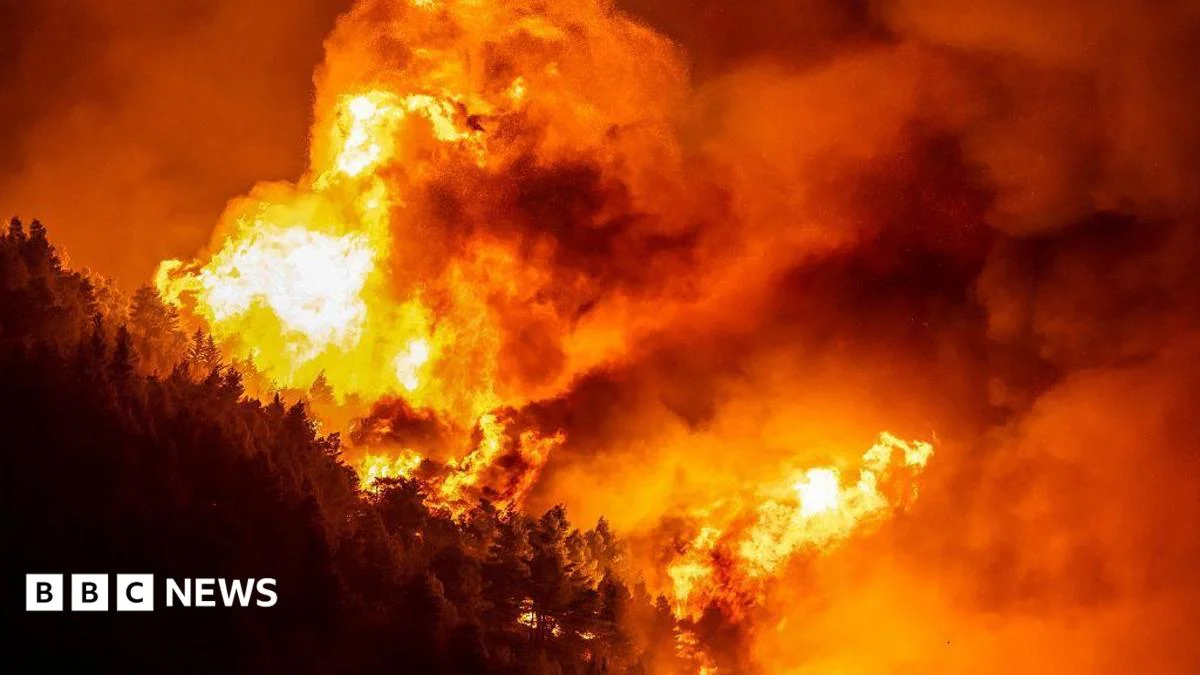
A ferocious wildfire, described as one of the worst in the nation’s history, has swept across Croatia’s picturesque coastline, leaving a trail of destruction, claiming at least one life, and injuring approximately 40 others. The blaze erupted near the tranquil village of Lokva Rogoznica on Thursday evening, rapidly engulfing the landscape and advancing with terrifying speed towards the popular tourist town of Omis, located a mere 6 kilometers (7 miles) away. The inferno forced the urgent evacuation of around 1,200 residents and bewildered tourists, with ten individuals requiring intensive care treatment in hospital, according to statements from the Prime Minister. Croatia’s fire chief, Slavko Tucakovic, did not mince words, characterizing the event as a "firestorm" that consumed "everything in their path."
This devastating incident underscores Croatia’s vulnerability to the escalating threat of wildfires, a grim reality shared by numerous European nations grappling with an unprecedented summer of extreme heat and prolonged dry conditions. The flames, fanned by relentless, gale-force winds, demonstrated a chilling ferocity, consuming an estimated 1,000 hectares of land in a mere four hours. The affected areas included villages nestled near the vibrant Adriatic city of Split, where the fire tore through hillsides densely populated with pine forests, inflicting extensive damage upon homes and vehicles. The visual evidence of the disaster is stark: online footage captured plumes of thick, acrid smoke billowing into the sky, transforming the daylight into an eerie, fiery orange, as trapped residents and tourists watched in horror. In desperate attempts to escape the rapidly advancing flames, some individuals were forced to make the perilous decision to jump into the sea from boats, a testament to the overwhelming and immediate danger they faced.
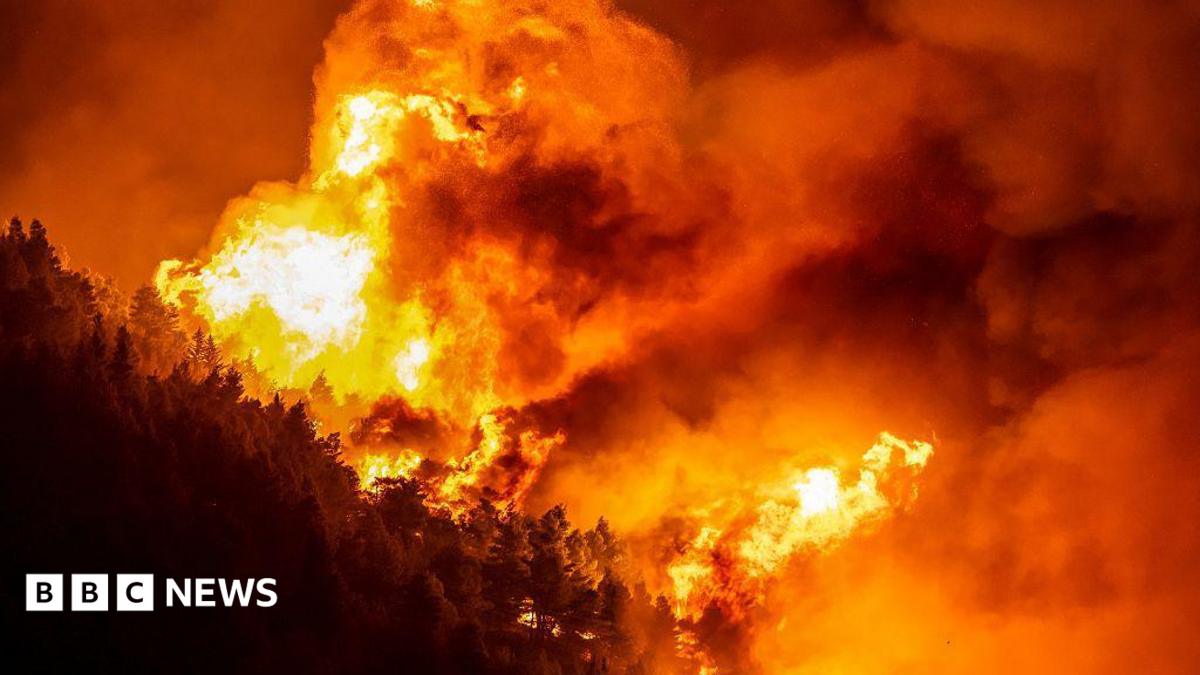
The sheer scale of the conflagration necessitated an immediate and massive response. Over 300 firefighters were deployed throughout Thursday night, battling bravely against the encroaching inferno. However, the fire’s relentless advance and unpredictable nature at times forced crews into strategic retreats, a harrowing experience for those on the front lines. Emergency shelters were swiftly established in several coastal towns to accommodate the displaced populations, with evacuation efforts continuing throughout the night under the ominous glow of the burning landscape.
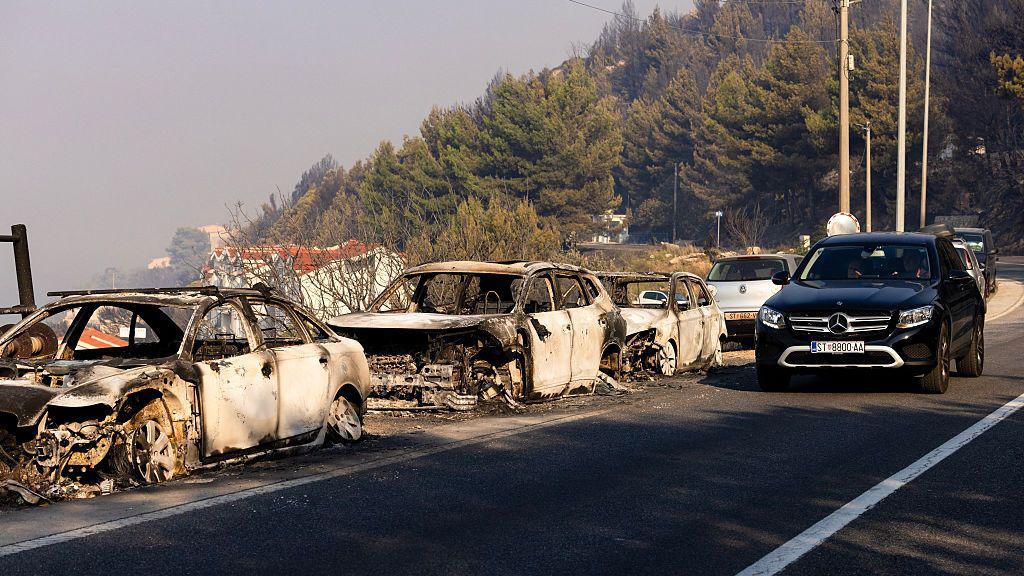
On Friday, as the initial fury of the fire began to subside, emergency services commenced the grim task of searching the devastated areas. It was during these searches that officials confirmed the discovery of a body in a burnt-out zone, a somber reminder of the human cost of the disaster. Later that day, Prime Minister Andrej Plenkovic visited the ravaged region, offering words of solidarity and commendation for the tireless efforts of the emergency crews. He described the fire’s spread as "lightning speed" and attributed its ferocity to the "gale-force winds," adding that the extent of what firefighters managed to save was "truly a miracle." Viseslav Pesic, the Commander of the Omis Volunteer Fire Department, provided a firsthand account of the harrowing conditions, telling Reuters that the intensity of the blaze was so overwhelming that people had abandoned their vehicles "directly in the fire zone," creating significant obstacles for the emergency responders attempting to navigate the perilous terrain.
The wildfire’s destructive path has left a landscape scarred and communities reeling. Homes have been reduced to ashes, vehicles melted into unrecognizable hulks, and the natural beauty of the pine-clad hillsides irrevocably altered. The economic impact on this vital tourist region is also a significant concern, with businesses and infrastructure suffering substantial damage. The long-term recovery process for the affected communities is expected to be arduous and protracted.
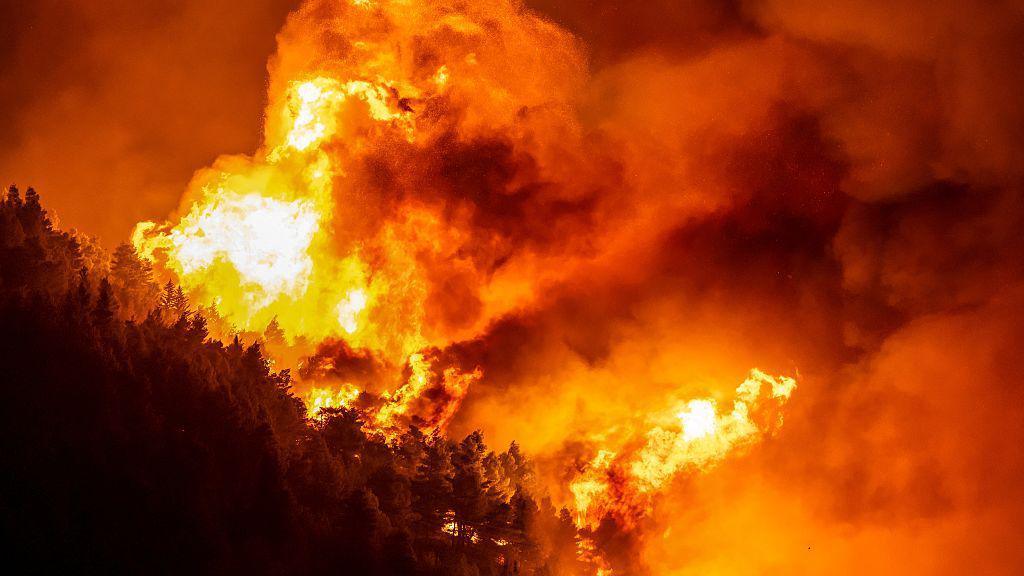
The Croatian inferno is not an isolated event but rather a stark manifestation of a broader climatic crisis gripping Europe. Across the continent, firefighters are facing unprecedented pressure and a severe strain on resources as a summer of record-breaking heatwaves and prolonged droughts fuels a surge in destructive wildfires. In Greece, the picturesque resort of Agios Vasileios saw over 200 people evacuated by boat from a beach as wildfires raged across the country. Similarly, in the south-western Landes region of France, a site already familiar with wildfire devastation, over 500 residents were forced to abandon their homes due to an encroaching blaze. Germany also experienced significant evacuations, with more than 2,000 people removed from the village of Gey in the west of the country as a forest fire threatened the community near the Belgian border.
The United Kingdom has also felt the severe impact of the heatwave, with an emergency wildfire alert issued to millions across England and Wales on Friday, warning of a "very high risk" nationally. Firefighters have been battling multiple blazes, particularly in the West Midlands, highlighting the widespread and interconnected nature of these environmental challenges. The dry, parched conditions create tinderbox environments where even a small spark can ignite a catastrophic inferno. Experts have repeatedly warned that climate change is exacerbating the frequency and intensity of heatwaves, creating ideal conditions for wildfires to spread rapidly and become increasingly difficult to control. The increased frequency and severity of these events place immense pressure on firefighting resources, often pushing them to their breaking point.
The long-term implications of such widespread wildfires are profound, extending beyond immediate destruction. They contribute to significant air pollution, impacting public health, and lead to the loss of biodiversity, threatening delicate ecosystems. The economic consequences, including damage to infrastructure, loss of agricultural land, and disruption to tourism, can be substantial and long-lasting. Furthermore, the psychological toll on communities forced to confront such devastating natural disasters is immense, leaving deep emotional scars.
As Europe continues to grapple with this escalating wildfire crisis, the need for robust climate action, improved fire prevention strategies, and enhanced international cooperation in disaster response becomes increasingly urgent. The events in Croatia serve as a stark and tragic reminder of the devastating consequences of climate change and the critical importance of addressing this global challenge with unwavering resolve. The images of flames consuming homes and landscapes, and the stories of those forced to flee for their lives, underscore the human dimension of this environmental crisis and the imperative to act decisively to protect both communities and the planet. The recovery will be a long and challenging journey for the affected regions, demanding sustained support and a renewed commitment to building resilience against the growing threat of extreme weather events.
