
 By admin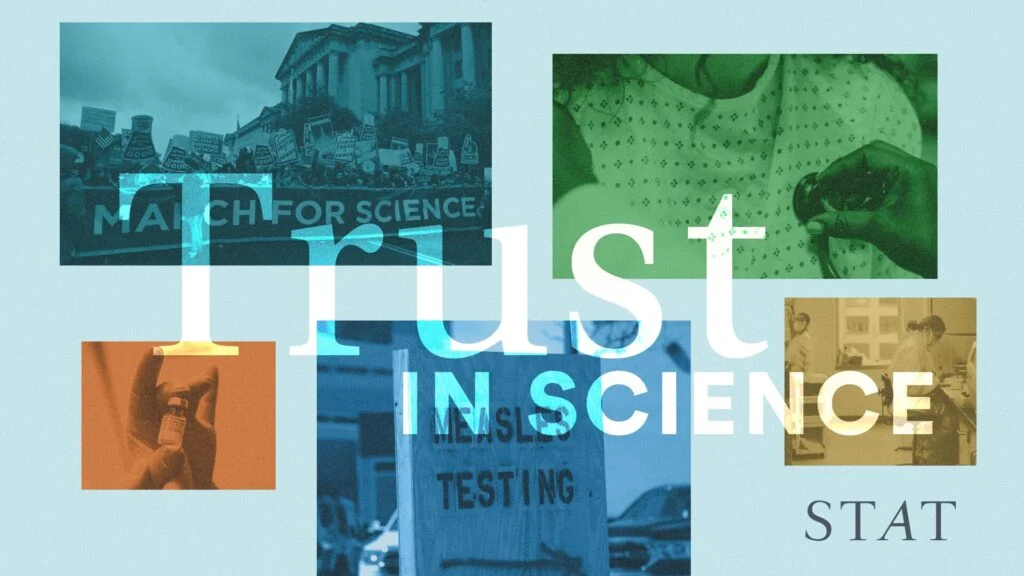
The initiative marks a pivotal evolution for the publication, which was founded more than a decade ago with a mandate to provide "trusted, tough-minded journalism" in the fields of health, medicine, and the life sciences. When STAT first entered the media landscape in 2015, its founders—led by Executive Editor Rick Berke—intended to pull back the curtain on the pharmaceutical industry, laboratory breakthroughs, and the complex web of healthcare policy. However, the subsequent decade, punctuated by a global pandemic and an increasingly fractured digital information ecosystem, revealed that the very foundation of scientific authority was under siege. The establishment of this new "Trust-in-Science" desk, comprised of a specialized reporter and editor, represents a strategic commitment to diagnosing and addressing the erosion of public confidence in the institutions that govern human health.
The urgency of this mission is underscored by a decade of sociological and data-driven shifts. In the years following the emergence of Covid-19, public trust in science has ceased to be a given and has instead become a battleground. According to longitudinal data from the Pew Research Center, while a majority of the public still views scientists favorably, the share of Americans who have a "great deal of confidence" in medical scientists dropped significantly between 2020 and 2025. This decline is not merely a byproduct of political polarization; it is the result of a multifaceted crisis involving the rapid spread of misinformation, high-profile instances of scientific misconduct, and a perceived lack of transparency from federal health agencies. The "Trust-in-Science" initiative is designed to move beyond the superficial "fact-checking" model of journalism, instead seeking to investigate the root causes of skepticism and the institutional failures that often validate public doubt.
To lead this reporting effort, STAT has appointed Nicholas Florko, a veteran journalist whose career has been defined by rigorous investigative work. Florko returns to STAT after a two-year tenure as a staff writer at The Atlantic, bringing with him a portfolio that emphasizes the human cost of systemic institutional failure. His previous work at STAT, which earned numerous industry accolades, included a landmark investigation into the deaths of hundreds of incarcerated individuals from hepatitis C—deaths that occurred despite the existence of highly effective, curative treatments. This specific reporting highlighted a core tenet of the trust crisis: distrust is often a rational response to a system that fails to deliver on its promises or equitable care. Florko’s track record suggests that the new beat will not merely focus on "debunking" fringe theories, but will hold powerful entities accountable for the lapses that create a vacuum for misinformation to fill.
Florko’s approach to the "Trust-in-Science" beat is rooted in a philosophy of compassion rather than condemnation. In a media landscape where skeptics are often portrayed as irrational or anti-intellectual, Florko intends to explore the psychological and social drivers of the anti-vaccine movement and other forms of scientific dissent. He notes that many individuals who find themselves on the periphery of scientific consensus are not "stupid or crazy," but are often concerned parents or patients who feel overwhelmed by conflicting information and a desire to protect their families. By humanizing these subjects, the initiative aims to bridge the communication gap that has historically marginalized large swaths of the population, potentially offering a pathway toward re-establishing a shared reality based on evidence.
The scope of the new desk will extend into the mechanics of misinformation—how it is manufactured, how it is monetized, and how it spreads through algorithmic echo chambers. However, equal weight will be given to the failures within the scientific community itself. The last several years have seen a rise in "scientific malinformation," where legitimate data is taken out of context, as well as genuine scandals involving falsified data in high-impact journals. From the "replication crisis" that has haunted the social sciences and oncology to the resignation of university presidents over allegations of research misconduct, the "Trust-in-Science" desk will scrutinize the "publish or perish" culture and the lack of rigorous peer-review oversight that can lead to the erosion of credibility.
This ambitious editorial expansion is made possible through the support of a coalition of philanthropic organizations, including the Dana Foundation, the Greenwall Foundation, the John Templeton Foundation, and the Boston Foundation. The involvement of these entities reflects a broader recognition that the trust crisis is a systemic threat to public health and democratic stability. The Dana Foundation, known for its focus on neuroscience and society, and the Greenwall Foundation, which specializes in bioethics, bring a specific interest in how scientific advancements are integrated into the moral and ethical fabric of the community. Their support allows STAT to maintain a high level of editorial independence while dedicating the resources necessary for long-form, resource-intensive investigations.

The launch of the desk coincides with a broader push for "science communication" that prioritizes engagement over instruction. As part of this effort, STAT recently profiled Dr. Liz Marnik, an immunologist who has leveraged her background—growing up in an anti-vaccine household—to become a leading voice against misinformation. Marnik’s story serves as a case study for the new beat: she does not dismiss the fears of her audience but speaks to them from a place of shared experience. This type of "lived experience" reporting is expected to be a staple of the new initiative, providing readers with perspectives that are often missing from clinical or academic discourse.
Furthermore, the themes of trust and accountability will be central to the upcoming STAT Summit, scheduled for October 14-15 in Boston and available virtually. This flagship event serves as a gathering point for the most influential figures in biotechnology, healthcare, and policy. Nicholas Florko and other award-winning STAT reporters will take the stage to interview key stakeholders, including pharmaceutical CEOs, federal policymakers, and patient advocates. The summit aims to move the conversation from theoretical concerns about trust to actionable strategies for institutional reform. By placing the "Trust-in-Science" reporter at the center of this dialogue, STAT ensures that the questions of public confidence are integrated into every discussion about innovation and medicine.
The broader implications of STAT’s initiative are significant for the future of health journalism. In an era where artificial intelligence can generate convincing but false scientific data and where social media platforms have retreated from content moderation, the role of a "trusted, tough-minded" intermediary is more critical than ever. The "Trust-in-Science" desk is an admission that the traditional "one-way" flow of information—from the lab to the public—is broken. In its place, STAT is attempting to build a "two-way" street, where the concerns, fears, and criticisms of the public are reported with the same rigor as a clinical trial result.
The ultimate goal of the project is not just to defend science, but to improve it. By highlighting where science has failed to be inclusive, transparent, or accountable, STAT hopes to spur the institutional changes necessary to earn back the trust that has been lost. This involves a deep dive into the politicization of health agencies like the CDC and FDA, investigating how political pressure can override scientific consensus and what that does to the public’s willingness to follow health guidance. It also involves examining the "infodemic"—a term coined by the World Health Organization to describe an overabundance of information, both accurate and inaccurate, that makes it hard for people to find trustworthy sources.
As the initiative moves forward, STAT is inviting its readers to participate in the process. The publication has long relied on its community of STAT+ subscribers to help shape its coverage through feedback and tips. This new desk will be no different, as it seeks to address the real-world questions that keep patients and providers up at night. The $30 for three months introductory offer for STAT+ is part of an effort to democratize access to this high-level reporting, ensuring that the insights gained from the "Trust-in-Science" desk reach a broad and diverse audience.
In conclusion, the establishment of the "Trust-in-Science" reporter and editor roles at STAT is a response to a defining crisis of the 21st century. It is a recognition that science does not exist in a vacuum, but is a human endeavor subject to all the frailties, biases, and brilliance of the people who practice it. By committing to cover trust with the same intensity that it covers the "next big drug" or a "breakthrough in CRISPR," STAT is positioning itself as a vital arbiter of truth in an age of uncertainty. The work of Nicholas Florko and his colleagues will likely serve as a blueprint for how modern newsrooms can navigate the complex intersection of science, society, and the enduring need for a foundation of trust.
