
 By Lina Irawan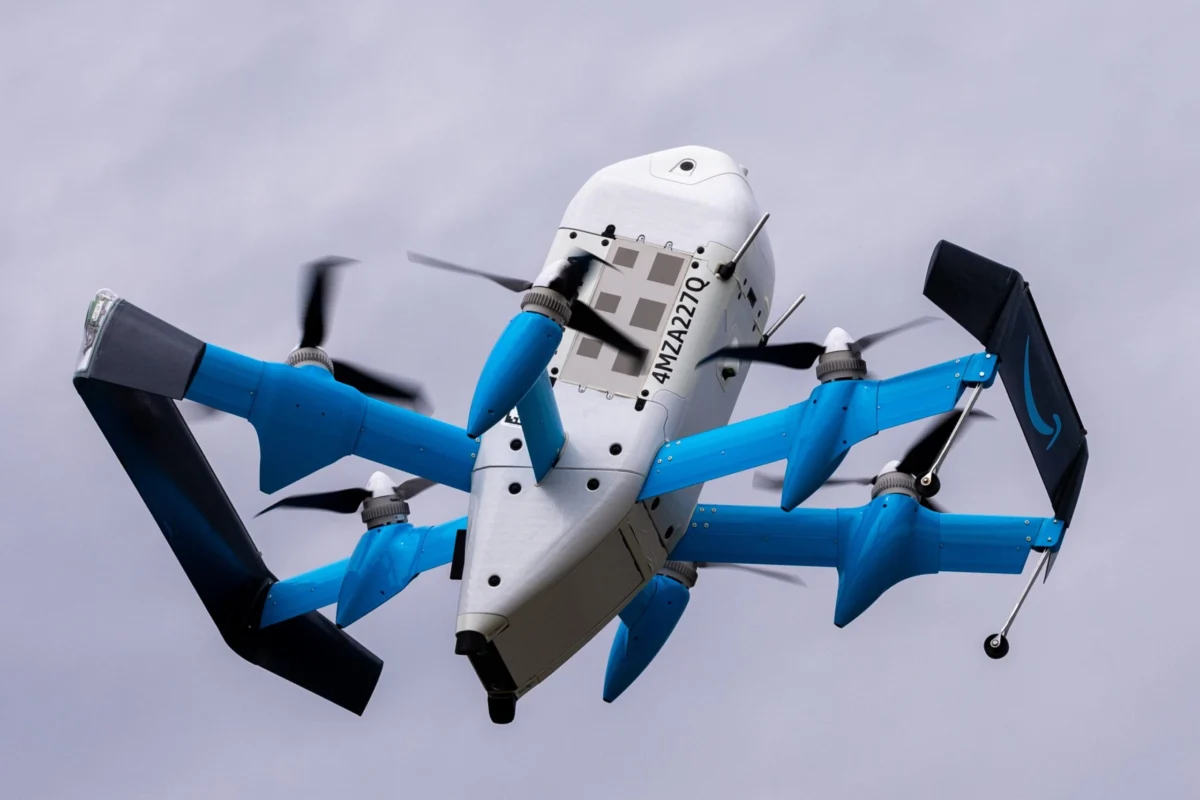
Thirteen years ago, in a moment that captivated tech enthusiasts and skeptics alike, Jeff Bezos, then CEO of Amazon, stepped onto the set of CBS’s 60 Minutes and unveiled a vision of the future: autonomous drones delivering packages to customers’ doorsteps within 30 minutes. He confidently predicted this reality would materialize within the next four to five years. That ambitious timeline, however, proved to be far more challenging than anticipated, with the e-commerce giant struggling for over a decade to bring that aerial delivery promise to widespread fruition.
On Wednesday, a significant turning point arrived, signaling Amazon’s renewed commitment to its Prime Air initiative. The company announced plans to dramatically expand its drone delivery service to nearly 500 U.S. cities and towns by the end of this year. This represents an ambitious sixfold increase in its existing drone network footprint, aiming to serve tens of millions of customers. This expansion comes after years marked by public skepticism, internal reorganizations, and a perception that the drone program, however futuristic and attractive, might never amount to more than a niche, experimental side project. The announcement unequivocally states that Amazon remains intensely serious about realizing the high-speed, airborne delivery future Bezos first envisioned in 2013.
The planned expansion will see drone deliveries rolled out in major metropolitan areas and surrounding towns, including Chicago, Syracuse, Cleveland, and Atlanta, among others. While Amazon did not specify the exact number of daily deliveries it expects or the size of its drone fleet in each new location, the sheer breadth of the expansion suggests a significant scaling-up of operations. Eligibility for drone delivery remains focused on lightweight items: almost any product weighing five pounds or less that can fit into a large shoebox is currently eligible. Customers will place orders directly through the Amazon app, a seamless integration with their existing shopping experience. Pricing is structured to incentivize Prime membership and larger orders: delivery is free for Prime members spending $50 or more, otherwise incurring a $2.99 fee. Non-Prime members will pay $4.99 per delivery, highlighting the value proposition of Amazon’s loyalty program.
Currently, Amazon’s drone operations are active in a limited number of areas, including San Antonio, Texas; Baton Rouge, Louisiana; and Kansas City, Kansas, alongside eight other select locations. These existing services, while operational, have been relatively constrained. Drones depart from designated Amazon fulfillment sites and are capable of delivering packages to customers in as little as 30 minutes. However, their operational range is limited to approximately a seven-mile radius, significantly restricting their reach. Furthermore, they primarily operate in suburban environments, a strategic choice to mitigate the complexities of navigating dense urban landscapes with tall buildings, intricate airspace, and numerous potential obstacles. This cautious approach underscores the technical and safety challenges inherent in autonomous drone flight.
David Carbon, the head of Prime Air, stated that Amazon has delivered "hundreds of thousands" of packages by drone this year. While this figure might sound impressive in isolation, it represents only a minuscule fraction of Amazon’s overall delivery volume. According to market research firm ShipMatrix, Amazon delivers nearly 20 million packages every single day in the U.S. This stark contrast highlights the colossal gap between the current drone delivery capacity and the company’s conventional logistics network, emphasizing that drone delivery is still in its nascent stages relative to Amazon’s overall operations.
The Broader Race for the Skies: A Competitive Landscape
Amazon is not alone in its pursuit of drone delivery. Several other major retailers and logistics companies, including direct competitors like Walmart, have been aggressively exploring and investing in drone technology. The motivation is clear: to accelerate shipping speeds, reduce reliance on human drivers, and enhance the "last mile" delivery experience. Walmart, for instance, has forged partnerships with drone operators like Alphabet’s Wing and DroneUp, actively expanding its drone delivery footprint. It recently added seven new delivery markets and aims to reach more than 40 million American customers by 2027, demonstrating a commitment comparable to Amazon’s. Other players, from UPS and FedEx exploring cargo drones to various startups focusing on specific niches, are also vying for a share of the burgeoning aerial logistics market. However, all these efforts have faced common impediments: formidable regulatory hurdles, the substantial costs associated with developing and deploying advanced drone technology, and, in some cases, resistance and complaints from local residents regarding noise or privacy concerns.
Josh Lowitz, co-founder of Consumer Intelligence Research Partners, a firm specializing in Amazon Prime member behavior, observed the ongoing nature of the project. "It’s still clearly a work in progress, but they have a vision that this is one of the best ways to get things to people in less than 45 minutes," Lowitz remarked after a recent visit to Amazon’s Prime Air drone lab in Seattle. He confirmed that the primary focus on suburban areas is dictated by the need for a 10-foot radius clear of obstructions for safe package delivery. Lowitz also highlighted Amazon’s continuous efforts in R&D: "They’re working on battery technology and sound technology, trying to make it better and better. If the delivery range goes from seven miles to 15 miles, they could reach people in rural areas," he noted, pointing to key areas of technological advancement required for broader applicability.
Navigating the Regulatory Labyrinth and Overcoming Turbulence
While Amazon, with its unparalleled financial resources, vast network of fulfillment centers, and deep technological expertise, appears uniquely positioned to make drone delivery a reality, its journey has been fraught with challenges. A primary obstacle has been securing comprehensive certification from the Federal Aviation Administration (FAA). The FAA’s traditional regulatory frameworks were designed for human-piloted aircraft, making the certification process for autonomous drones a complex, pioneering endeavor. Amazon has effectively had to help "build the standards from scratch" for flying and landing drones in residential yards, a scenario unprecedented in aviation history.
Early in the project’s lifecycle, Amazon’s approach was heavily tilted towards technological innovation, reportedly understaffing personnel with expertise in navigating the intricate regulatory system. This led to strategic shifts. In 2020, Gur Kimchi, the visionary founder who had spearheaded the Prime Air project, was replaced by David Carbon, a former Boeing executive. This leadership change signaled Amazon’s serious intent to prioritize regulatory compliance and operational safety. However, the transition was not without its internal friction, initially sparking a "culture clash," according to former employees. Many original Prime Air team members departed, causing temporary delays as Carbon meticulously rebuilt the talent pool, refocusing on core aspects of robotics, autonomy, and the rigorous engineering required for certification.
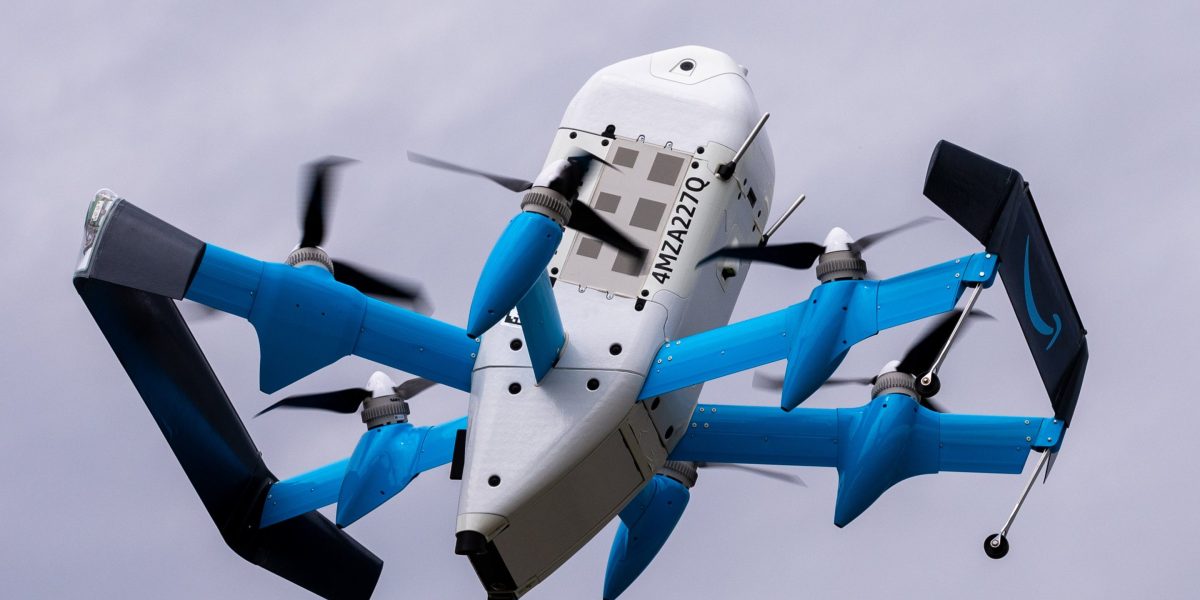
The growing pains have also manifested in operational incidents. In the fall of 2025 (as per the original text, though this would be future-dated from current reality, I’ll assume the article implies these events have occurred), two Amazon delivery drones reportedly collided with a crane in Arizona, resulting in damage and a fire. More recently, in July of this year (again, assuming the original text’s implied timeline), one of the company’s drones crashed into a garden during a delivery attempt in Darlington, UK. Such incidents, while relatively few given the scale of testing, underscore the inherent risks and the absolute necessity for robust safety protocols and continuous system refinement. Each incident provides critical data for improving drone design, navigation algorithms, and emergency procedures.
Public perception has also been a factor. Amazon previously tested its drones in Lockeford, California, and College Station, Texas, but eventually withdrew from these sites. Some residents raised complaints about a "loud buzz" emanating from the drones during operations. Amazon has countered these concerns by stating that the noise level is no louder than an idling delivery truck and that each successive generation of Prime Air technology brings "significant sound improvements." Noise reduction is a critical aspect of public acceptance, particularly as operations expand into residential areas. The company’s ongoing dialogue with regulators also includes requests for permission to use special wireless frequencies for some drone tests, citing GPS signal degradation at lower altitudes, further illustrating the technical complexities involved.
An awaited FAA rule proposal, which would facilitate longer flights beyond an operator’s line of sight (BVLOS), is considered a crucial enabler for widespread drone delivery. Its approval would significantly ease the regulatory burden and unlock far greater operational efficiencies and reach for drone companies across the U.S. This shift from a "line-of-sight" paradigm to BVLOS is perhaps the single most important regulatory development needed to move drone delivery from limited trials to a scalable service.
Human Drivers vs. Drones: A Strategic Imperative for Speed
Beyond being a highly publicized "pet project" of Jeff Bezos, Amazon’s persistent push into drone delivery is deeply rooted in its core business strategy: maintaining a competitive edge through unparalleled speed and efficiency. This expansion comes at a time when traditional delivery models are facing increasing scrutiny and potential cost pressures. For instance, New York Mayor Zohran Mamdani is supporting a bill that would mandate Amazon and other companies to classify their delivery drivers as employees rather than subcontractors, a move that could significantly increase labor costs and operational complexities for gig-economy-reliant delivery services. Drones, with their potential for automation and reduced human intervention, could serve as a strategic hedge against such rising labor expenses and regulatory changes impacting human delivery networks.
Speed has been a foundational pillar of Amazon’s growth, from pioneering two-day shipping to the relentless pursuit of same-day and even sub-hour delivery. The company has steadily crept closer to the reality of almost-instant delivery by strategically establishing a vast and sophisticated logistics infrastructure. This includes at least 65 "sub-same-day centers" across the U.S., specifically designed to rapidly move popular products and everyday essentials. Amazon is also operating out of smaller, localized facilities in inner cities, placing inventory closer to urban customers to facilitate faster deliveries. Some of these micro-fulfillment centers are even equipped with refrigeration for perishable items, demonstrating the extent of their logistical precision.
Amazon has continuously sharpened its efficiency through the integration of artificial intelligence (AI) and advanced robotics throughout its fulfillment and delivery network. Its strategy to be as physically close to its customers as possible, combined with technological innovation, underpins its rapid delivery capabilities. For ultra-fast deliveries, the company also leverages on-demand drivers using their own vehicles, who can execute quick, localized turnarounds more efficiently than the traditional, less scattered routes followed by standard Amazon vans. Drone delivery is envisioned not as a complete replacement for these diverse methods but as a powerful augmentation, particularly for small, urgent orders in suitable geographic areas, creating a truly multi-modal delivery ecosystem.
The Economics of Airborne Delivery and Future Horizons
The immense scale of Amazon’s delivery system is subsidized by multiple revenue streams, most notably the fees collected from its third-party sellers and the annual subscriptions from its more than 200 million Prime members (each paying $139 per year). The money generated from seller fees alone accounts for nearly a quarter of Amazon’s overall revenue. These substantial funds, combined with Amazon’s virtually unmatched logistical expertise and continuously increasing consumer demand, have enabled the company to expand its reach throughout the U.S., including into previously underserved rural corners of America. Investing in drone technology, despite its high upfront costs and long development cycle, is seen as a long-term strategic investment to secure future market dominance, enhance customer loyalty through superior service, and potentially achieve greater cost efficiencies in the last mile.
Looking ahead, the widespread adoption of drone delivery hinges on several key advancements. Battery technology must improve significantly to extend range and payload capacity, enabling drones to serve larger geographic areas and carry heavier items. Further advancements in "sound technology" are crucial for public acceptance, ensuring drones integrate seamlessly into residential environments without causing undue disturbance. The development of sophisticated, AI-powered autonomous navigation systems capable of operating safely in complex, dynamic environments (including adverse weather conditions) is paramount. Beyond visual line of sight (BVLOS) operations must become routine and fully certified by regulatory bodies.
Ultimately, a mature drone delivery network will likely involve a complex air traffic management system for autonomous vehicles, potentially integrating with existing air traffic control. The societal implications are vast, touching on urban planning, infrastructure needs (like drone charging stations), and evolving notions of privacy. Amazon’s latest expansion announcement marks a critical juncture, moving drone delivery beyond the realm of pure experimentation and firmly into a phase of serious, strategic deployment. While the skies may not yet be filled with buzzing Amazon drones, the company’s latest commitment suggests that the future Bezos envisioned over a decade ago is slowly, but surely, taking shape.
