
 By Titik Puspa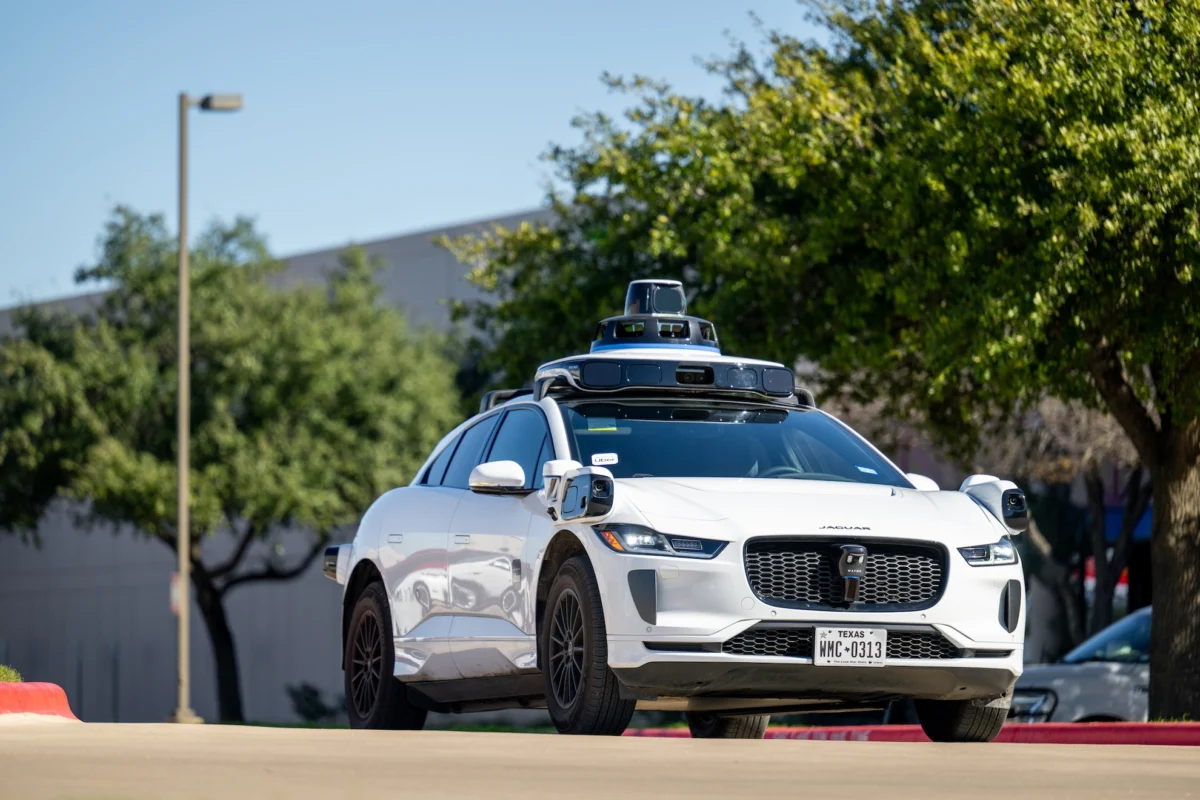
The National Highway Traffic Safety Administration (NHTSA) has received initial responses from autonomous vehicle developer Waymo concerning a low-speed collision involving one of its robotaxis and a child in Santa Monica, California, earlier this year. These responses, however, have been heavily redacted, citing "confidential business information," a move that underscores the sensitive nature of the ongoing investigation into the incident. The limited release of these documents, first appearing on NHTSA’s website following an inquiry from TechCrunch, signals that the regulatory scrutiny of Waymo’s operations is actively progressing, particularly after the company was granted additional time to compile its detailed replies.
The collision occurred on January 23, a date now etched into the narrative of autonomous vehicle safety concerns. A Waymo Jaguar I-Pace robotaxi was navigating a street in Santa Monica, an area with a notable presence of autonomous vehicle testing and operation. As the vehicle approached a school, a 9-year-old girl unexpectedly entered the roadway. According to a preliminary report issued in March by the National Transportation Safety Board (NTSB), which is conducting its own independent investigation into the incident, the Waymo vehicle was initially traveling at 17 miles per hour. In response to the emerging hazard, the robotaxi’s systems engaged, braking and reducing its speed to six miles per hour before making contact with the student. The NTSB report meticulously details the point of impact, stating it occurred "near its front-right headlight assembly."
The immediate aftermath of the collision, as described in the NTSB’s preliminary findings, indicates that the child fell but was able to get up and walk to the curb. Crucially, the injuries sustained were classified as minor, and the child did not require emergency medical transport. This detail, while offering some reassurance regarding the severity of the physical harm, does not diminish the significance of the incident from a safety and regulatory perspective. The NTSB’s investigation, a separate but complementary process to NHTSA’s inquiry, typically culminates in a comprehensive final report after approximately 12 months, aiming to provide a deeper understanding of the accident’s contributing factors and offer recommendations for preventing future occurrences.
NHTSA, tasked with overseeing vehicle safety on a national level, promptly initiated its own investigation into the Waymo incident just one week after it happened. This proactive regulatory stance highlights the agency’s commitment to thoroughly examining accidents involving emerging automotive technologies. On March 23, NHTSA formally communicated its concerns and inquiries to Waymo, issuing a set of 12 questions, some of which included multiple sub-questions. These inquiries were designed to probe various aspects of Waymo’s autonomous driving system, particularly its decision-making processes in sensitive environments like school zones.
The original deadline for Waymo to furnish its responses to NHTSA’s Office of Defects Investigation (ODI) was set for May 8. However, Waymo sought an extension, a request that was formally submitted in a letter dated May 1. This request for additional time indicates the complexity and scope of the information being sought by NHTSA and the considerable effort required by Waymo to compile a thorough and accurate response. The documents subsequently posted on Friday reveal that Waymo’s plea for more time was acknowledged and largely granted.
In its May 1 letter, Matthew Schwall, Waymo’s senior director of safety, articulated the company’s position, emphasizing a collaborative approach to the investigation. Schwall’s correspondence stated, "Our mutual goal is for Waymo to provide relevant information that facilitates ODI’s investigation, while avoiding extraordinary production and review burdens for Waymo and NHTSA ODI that would otherwise not benefit the agency’s investigation." This statement suggests Waymo’s intention to cooperate fully while also seeking to streamline the process and avoid what it might perceive as overly burdensome data production requirements that do not directly contribute to the safety inquiry. Waymo also used this letter to seek clarification on some of NHTSA’s questions, further illustrating the detailed nature of the exchange.
The ongoing dialogue between Waymo and NHTSA continued, with Waymo submitting responses to some of the agency’s questions in a second letter dated July 8. The most recent development, as of the publication of this article, is that Waymo has informed TechCrunch that it has now completed its submissions in their entirety. NHTSA, in turn, granted Waymo additional time to answer 10 out of the original 12 questions posed. The fact that the agency was willing to extend deadlines underscores the detailed and multifaceted nature of the investigation.
The specific areas of inquiry from NHTSA are critical to understanding the regulatory focus. The agency sought comprehensive information regarding Waymo’s methodologies for determining and adhering to speed limits in school zones, areas that present unique challenges for autonomous systems due to the unpredictable presence of children and fluctuating traffic patterns. Furthermore, NHTSA was keen to ascertain whether Waymo had received any prior complaints or reports concerning the behavior of its robotaxis in the vicinity of schools, a question designed to identify any recurring issues or patterns of concern. The investigation also delved into the intricate details of Waymo’s software, requesting documentation that would shed light on the algorithms, programming, and operational parameters that govern the robotaxi’s actions, particularly in complex urban environments and near vulnerable road users.
The redaction of Waymo’s responses is a significant aspect of this unfolding story. While the documents are publicly accessible on NHTSA’s website, the complete blacking out of the content under the guise of "confidential business information" leaves the public and the press with little insight into the specifics of Waymo’s explanations or any admissions or clarifications it may have provided. This practice, while legally permissible for protecting proprietary technological details and trade secrets, can foster skepticism and raise questions about transparency. Critics often argue that in matters of public safety, especially concerning new technologies, a higher degree of transparency is warranted. The redaction, however, does serve as an indirect confirmation that Waymo is actively engaged in the investigative process and is providing information, even if that information is not fully disclosed.
The NTSB’s separate investigation into the same incident provides a broader context for understanding the potential safety implications. The NTSB’s mandate is to investigate transportation accidents and make recommendations to prevent future occurrences. Their preliminary report, which is a public document, offers a factual account of the collision, including the vehicle’s speed, the child’s actions, and the nature of the injuries. This report serves as a foundational piece of evidence for both regulatory bodies, NHTSA and potentially other safety advocates. The fact that the child sustained only minor injuries, while fortunate, does not exempt Waymo from rigorous scrutiny. Regulators are concerned with understanding the system’s performance, identifying any potential failure points, and ensuring that the technology is demonstrably safe, even in low-speed, seemingly minor incidents.
The broader implications of this investigation extend beyond the specific incident in Santa Monica. It represents a crucial moment in the ongoing development and deployment of autonomous vehicle technology. As these vehicles become more prevalent on public roads, regulatory bodies like NHTSA are tasked with adapting their oversight frameworks to ensure public safety. The questions posed by NHTSA to Waymo reflect a deep dive into the operational parameters of self-driving cars, particularly their ability to navigate complex social environments and interact safely with human pedestrians, especially children.
The decision by Waymo to seek an extension and to redact its responses, while perhaps standard operating procedure for such investigations, also highlights the delicate balance between regulatory oversight, corporate transparency, and the protection of proprietary technology. The automotive industry, particularly the burgeoning field of autonomous driving, is a highly competitive landscape. Companies invest billions in research and development, and the algorithms and operational strategies that underpin their self-driving systems are considered valuable intellectual property.
However, the public’s trust in autonomous vehicles is paramount for their widespread adoption. Accidents, even those resulting in minor injuries, can erode that trust. Therefore, the transparency of investigations into such incidents is crucial. The current situation, where responses are heavily redacted, leaves room for speculation and raises concerns about the depth of public understanding of the safety measures and potential vulnerabilities of these advanced systems.
Looking ahead, the full findings of both NHTSA and NTSB investigations will be critical. The NTSB’s final report will likely offer a more detailed analysis of the crash dynamics and potentially identify specific areas for improvement in Waymo’s system or in the broader context of autonomous vehicle safety standards. NHTSA’s investigation, on the other hand, will focus on whether Waymo vehicles comply with existing safety regulations and whether any modifications to those regulations are necessary.
The current redactions mean that Waymo’s specific explanations for the incident and its proposed preventative measures remain under wraps. However, the fact that Waymo has now completed its submissions suggests that the active information-gathering phase of NHTSA’s investigation is drawing to a close. The agency will now meticulously review the submitted documents, potentially conduct further interviews or site visits, and analyze the gathered data to form its conclusions. The eventual public release of NHTSA’s findings, even if some proprietary information is still protected, will be a key indicator of the regulatory agency’s assessment of Waymo’s safety protocols and the overall safety of its autonomous driving technology in real-world scenarios. This ongoing dialogue between innovators and regulators is essential for navigating the complex path towards a future where autonomous vehicles can operate safely and effectively on our roads.
