
 By admin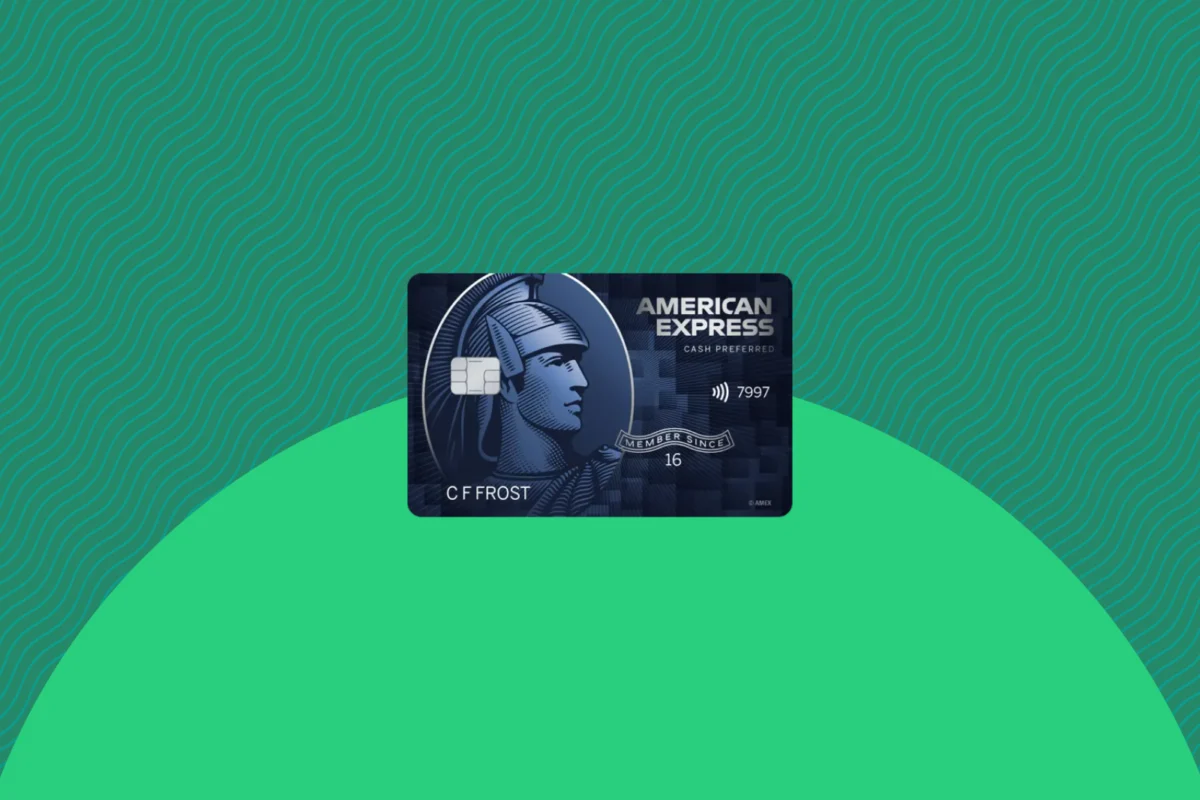
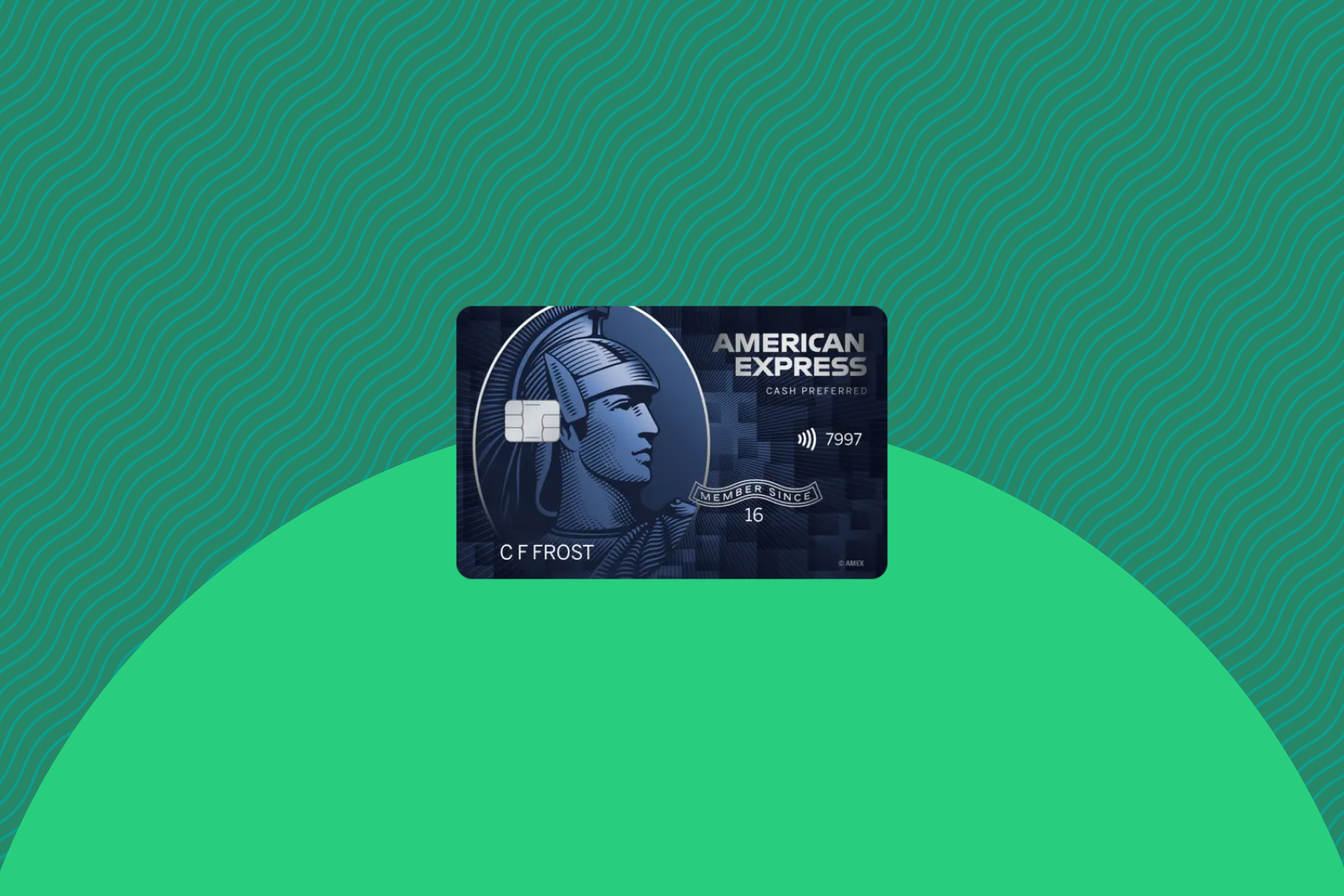
Choosing the right cash-back card requires a deep dive into your personal spending habits and an understanding of the current market competition among major issuers like American Express, Chase, Capital One, and Wells Fargo. The market is currently split into two primary categories: flat-rate cards that offer a consistent percentage on every purchase, and tiered cards that offer higher percentages in specific categories like dining, gas, or groceries. For those seeking the ultimate balance of high-yield rewards and everyday utility, the American Express Blue Cash Preferred® Card stands out as a premier choice. This card is specifically engineered for the modern household, offering a staggering 6% cash back at U.S. supermarkets on up to $6,000 in purchases per year (then 1%). In a time when food prices remain a significant portion of the average American budget, this 6% return is one of the highest in the industry. Furthermore, it offers 6% back on select U.S. streaming subscriptions, 3% back at U.S. gas stations and on transit, and 1% on other purchases. While it does carry a $95 annual fee (with a $0 introductory fee for the first year), the card provides a $120 annual Disney Bundle credit, which effectively nullifies the annual fee for families who already subscribe to Disney+, Hulu, or ESPN+.
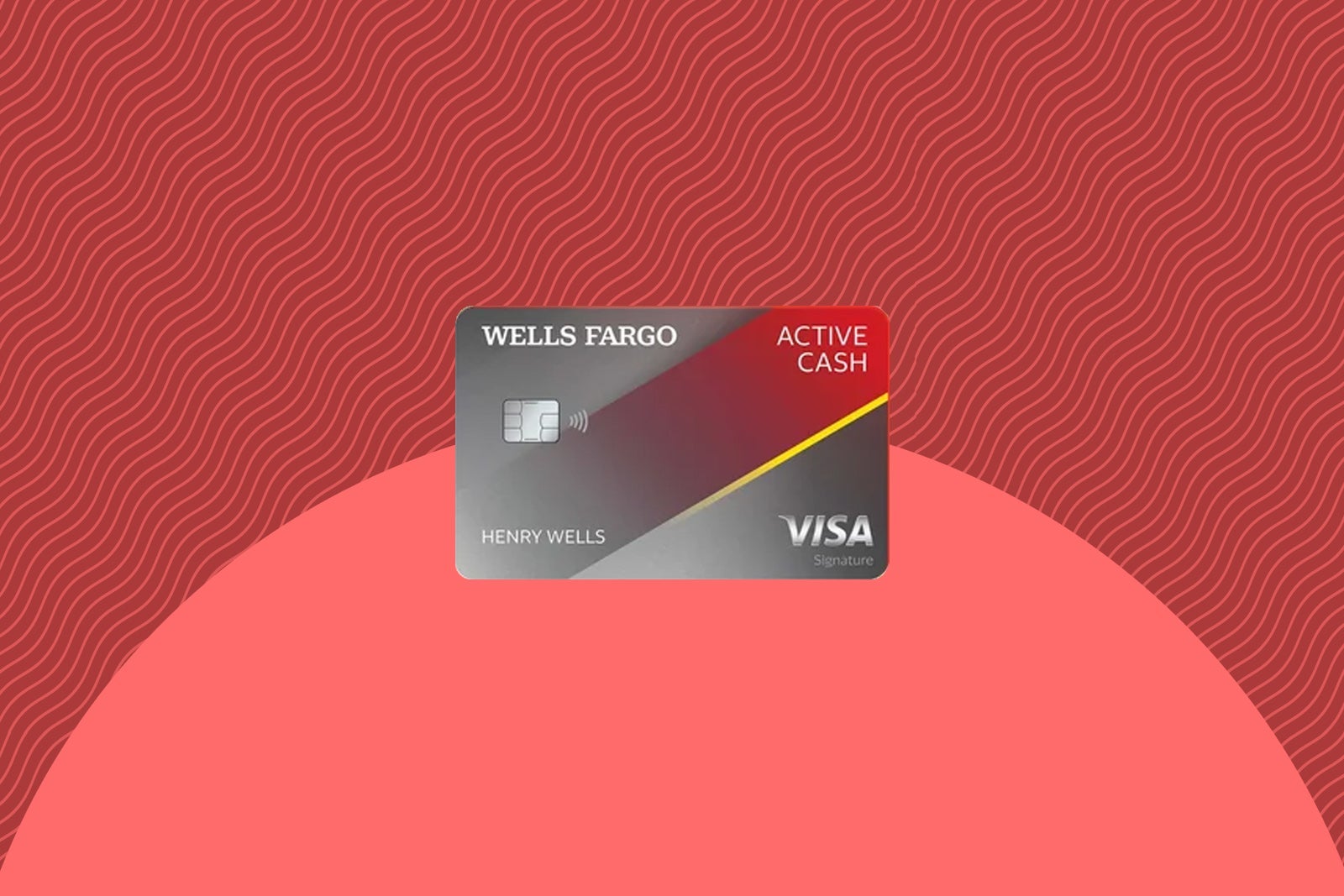
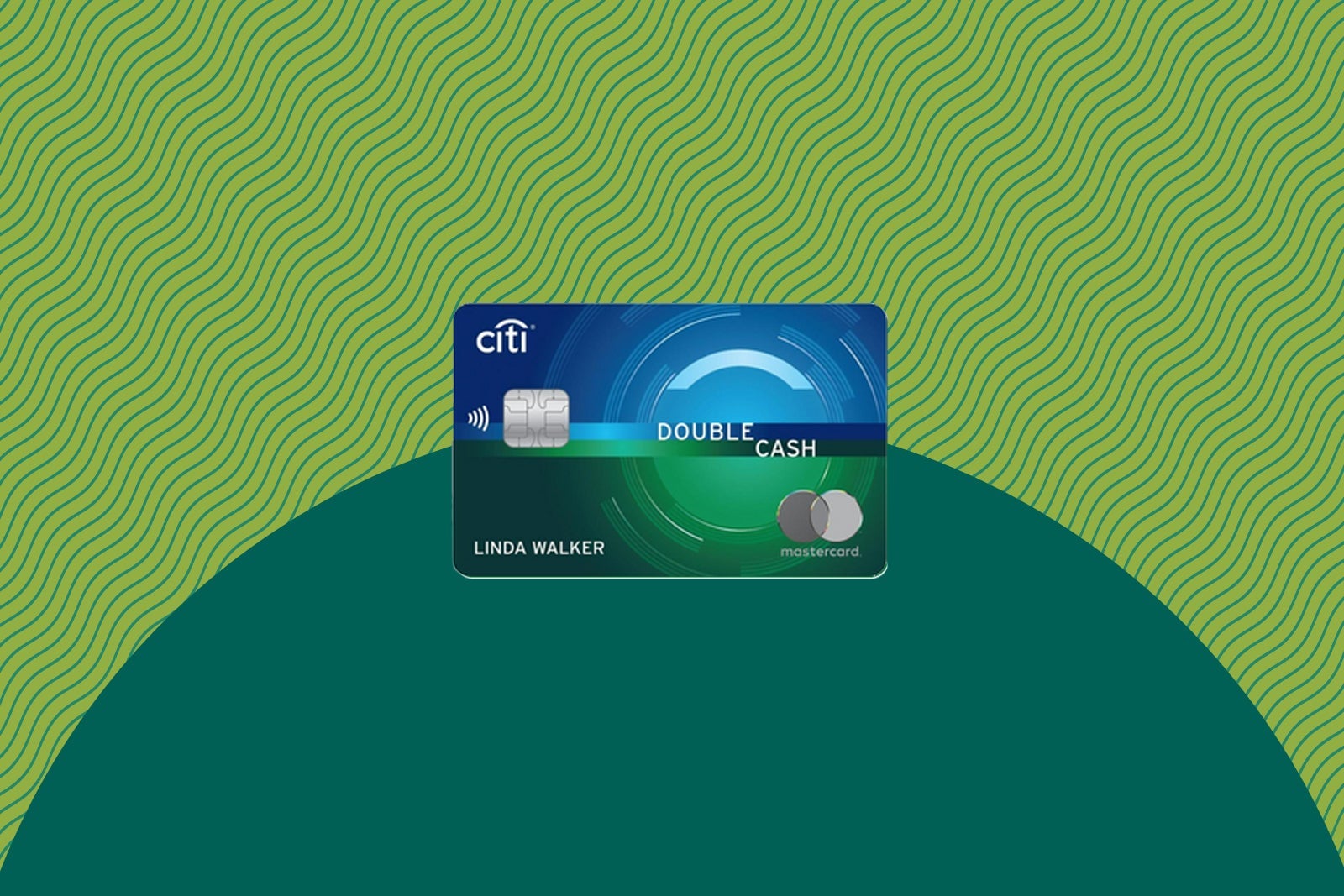
For consumers who prefer a "set it and forget it" approach without the burden of an annual fee, the Wells Fargo Active Cash® Card and the Citi Double Cash® Card represent the gold standard of simplicity. The Wells Fargo Active Cash offers an unlimited 2% cash rewards on purchases, making it one of the most competitive no-annual-fee cards on the market. Beyond the cash back, it includes valuable "hidden" perks like up to $600 in cell phone protection against damage or theft, provided you pay your monthly bill with the card. Similarly, the Citi Double Cash® Card offers a unique 2% earning structure: 1% when you buy and 1% as you pay for those purchases. This mechanism encourages responsible financial behavior by rewarding the cardholder for paying off their balance. A significant advantage of the Citi Double Cash is its integration into the broader Citi ThankYou Rewards ecosystem. If you also hold a premium card like the Citi Strata Premier℠ Card, you can convert your cash back into full-fledged airline and hotel transfer points, allowing you to pivot from a cash-back strategy to a travel strategy whenever you choose.
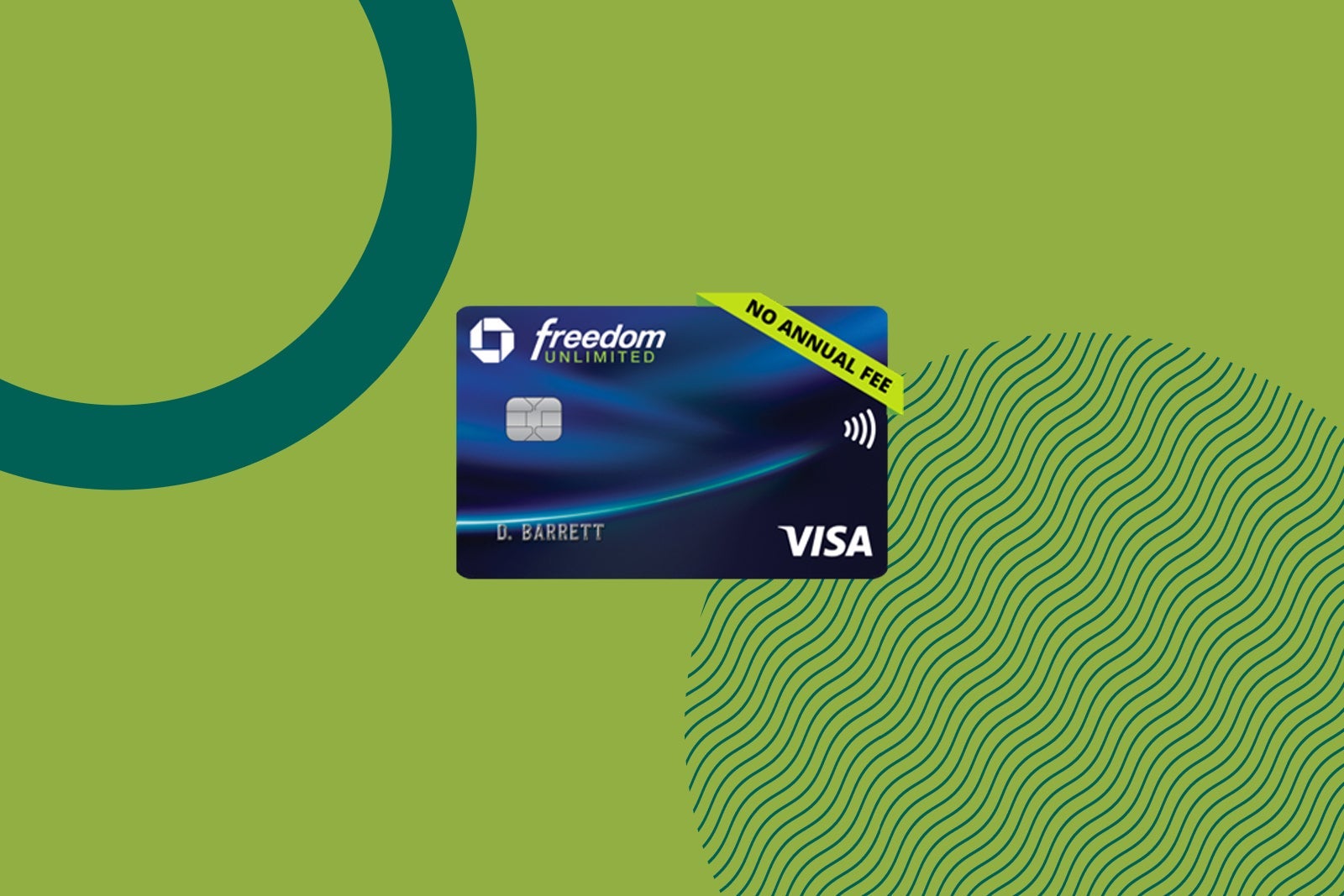
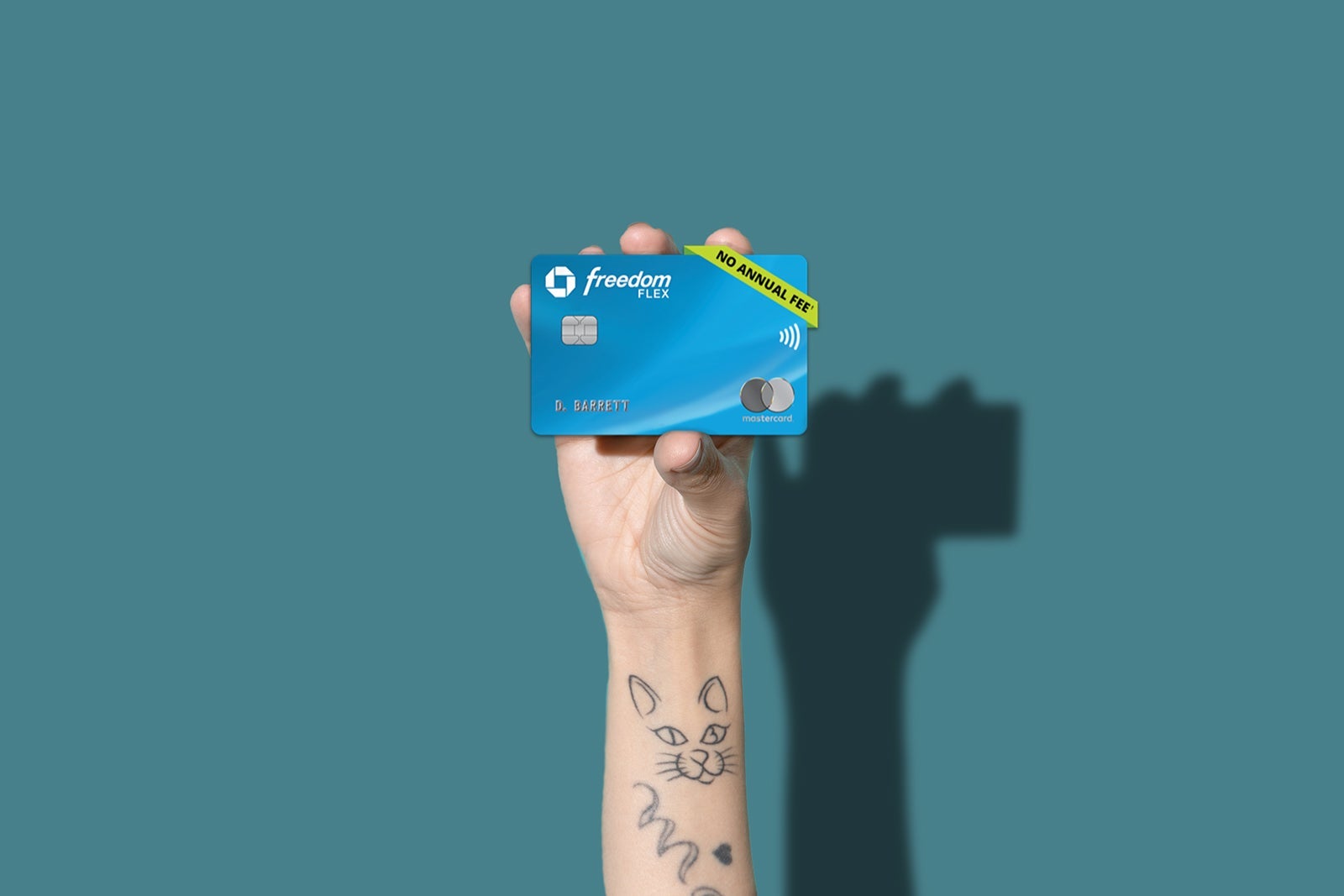
Chase offers a compelling middle ground with its Freedom suite. The Chase Freedom Unlimited® is a powerhouse for those who want both high-tier categories and a solid baseline. It earns 5% on travel booked through Chase Travel, 3% on dining and at drugstores, and a boosted 1.5% on all other purchases. This 1.5% floor makes it superior to many other tiered cards that drop to 1% for non-bonus spending. For those who enjoy "gamifying" their rewards, the Chase Freedom Flex® offers 5% cash back on up to $1,500 in combined purchases in rotating quarterly categories (activation required). These categories often include high-volume retailers like Amazon, Target, or grocery stores. Like the Citi Double Cash, both Freedom cards become infinitely more valuable when paired with a "premium" sibling like the Chase Sapphire Preferred® Card or Chase Sapphire Reserve®. This "Chase Trifecta" strategy allows users to earn at high cash-back rates and then move those rewards into the Ultimate Rewards program to book high-value travel, essentially treating cash back as a liquid asset that can be "upgraded" when needed.

The business sector has not been left behind in the cash-back revolution. Small business owners often face massive overhead costs, from inventory to digital advertising, and the Capital One Spark Cash Plus is designed to turn those expenses into significant revenue. It offers an unlimited 2% cash back on every purchase with no caps. While it has a $150 annual fee, the card rewards high-volume spenders by refunding that fee every year the cardholder spends at least $150,000. For smaller businesses or freelancers who want to avoid fees entirely, the Ink Business Unlimited® Credit Card from Chase offers a straightforward 1.5% cash back on all business purchases. This simplicity is vital for entrepreneurs who do not have the time to track whether a specific purchase qualifies as "office supplies" or "travel."
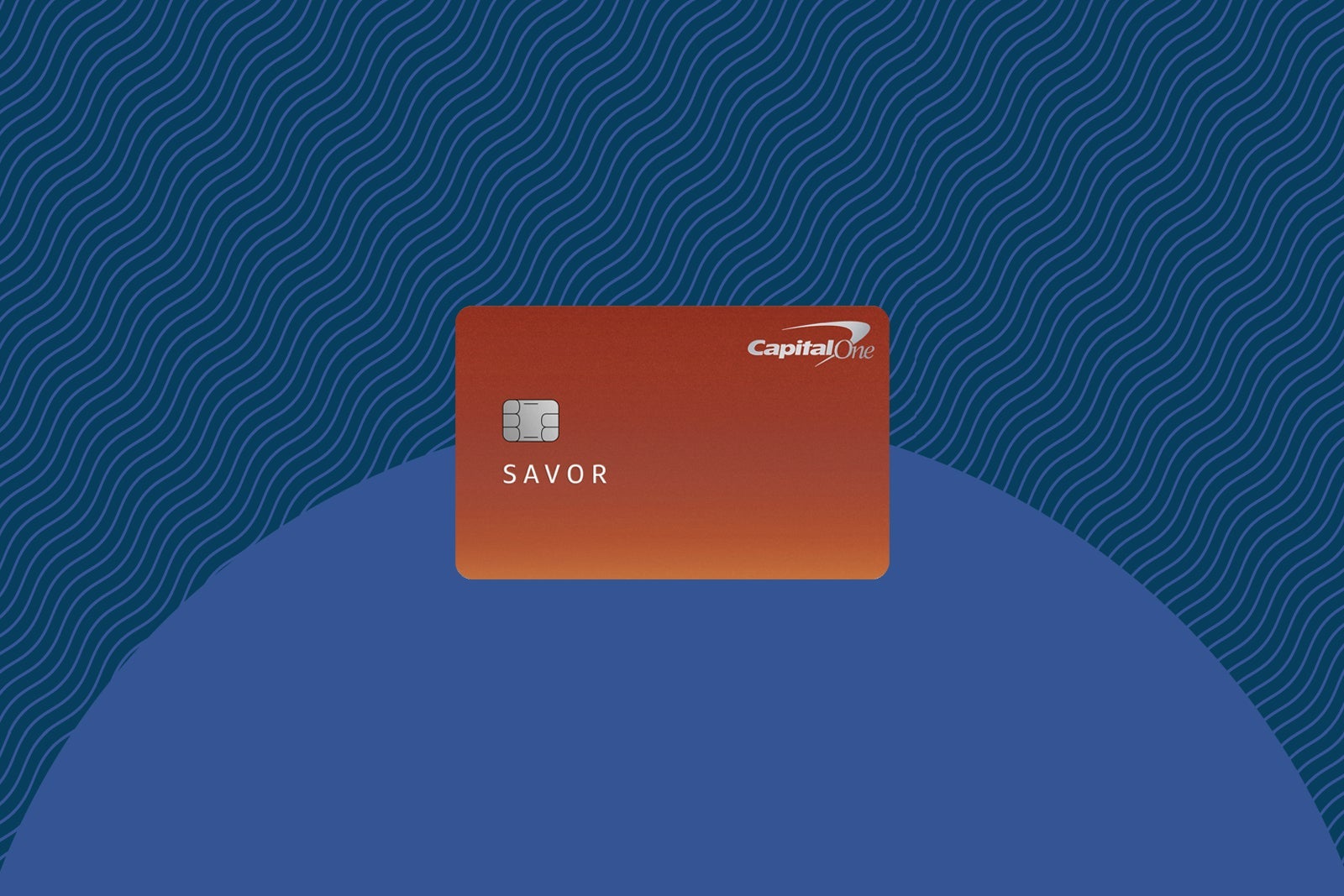
Capital One has also made significant strides in the lifestyle category with the Capital One Savor Cash Rewards Card. This card is tailor-made for the "experience economy," offering 3% cash back on dining, entertainment, popular streaming services, and at grocery stores. It also provides a massive 8% back on Capital One Entertainment purchases and 5% on travel booked through Capital One Travel. Because it has no annual fee and no foreign transaction fees, it is an ideal companion for someone who spends heavily on social outings and wants a card that works just as well at a local bistro as it does at a cafe in Paris. For those who want the simplest version of the Capital One experience, the Capital One Quicksilver Cash Rewards Credit Card offers a flat 1.5% back on all purchases, providing a reliable, fee-free option for those who value predictability above all else.
When evaluating which of these cards deserves a spot in your wallet, you must analyze your spending through the lens of "opportunity cost." If you spend $500 a month on groceries, the difference between a 1% card and the 6% Blue Cash Preferred is $300 a year—enough to cover several weeks of food. However, if your spending is fragmented across dozens of small, non-categorical niches, a 2% flat-rate card will almost always outperform a tiered card. You should also consider the "welcome offer" as a deciding factor. Most cash-back cards offer a modest bonus—typically $200 after spending $500 to $1,500 in the first few months. While this isn’t as flashy as a 100,000-point travel bonus, it represents a 20% to 40% return on your initial spend, which is an immediate win for your bottom line.
Beyond the math, the psychological benefit of cash back cannot be overstated. In an era of "loyalty program inflation," where airlines frequently increase the number of miles needed for a flight, the value of a dollar remains constant in relation to your debt. Redemptions are typically processed as statement credits, which directly reduces your monthly obligations. Experts suggest a "hybrid" approach: use a high-yield cash-back card for your "boring" but necessary expenses like insurance, utilities, and groceries, and save your travel cards for the aspirational spending. This ensures that you are never "points rich and cash poor."
Ultimately, the "best" card is the one that aligns with your current lifestyle. If you are a parent driving a minivan and cooking at home, the Amex Blue Cash Preferred is likely your winner. If you are a young professional dining out and traveling occasionally, the Chase Freedom Unlimited or Capital One Savor will serve you better. The flexibility of these cards ensures that as your life changes—perhaps from a season of heavy travel to a season of domestic nesting—your rewards program can change with you. Cash-back rewards provide the ultimate safety net; they can be a plane ticket to Hawaii today or a new water heater tomorrow. In the complex world of credit card rewards, that level of certainty is the most valuable perk of all. As you compare these top picks, remember to look beyond the headline percentage and consider the long-term utility of the issuer’s ecosystem, the ease of the mobile app, and the additional protections like extended warranty and purchase protection that often come standard with these high-quality financial products. By strategically selecting a combination of these cards, you can ensure that every dollar you spend is working hard to put money back into your pocket.
