
 By admin
Last July, the sleepy region of Gippsland, Australia, was thrust into an unwanted spotlight, not just for hosting the nation’s premier table tennis championships, but also as the backdrop for one of the most sensational criminal trials in the country’s history: the case of Erin Patterson, dubbed the "mushroom murderer." While elite athletes battled for national glory just kilometres away, the intricate legal proceedings against Patterson, accused of poisoning three of her estranged husband’s relatives with lethal mushrooms, were reaching a critical juncture. Now, Patterson’s legal team is mounting a high-stakes appeal, arguing that a series of logistical oversights, exacerbated by the influx of table tennis enthusiasts, "fatally undermined" the fairness of her trial and warrants a complete retrial.
The core of the defense’s argument centres on the sequestered jury, tasked with deliberating Patterson’s fate in isolation to ensure their judgment remained untainted by external influences. However, a perfect storm of circumstances, including a severe accommodation shortage in the region amplified by the national table tennis tournament, led to an unprecedented situation: the jury shared a hotel with key members of the prosecution team, including a crucial police witness, and, alarmingly, journalists. This proximity, Patterson’s barrister Richard Edney contends, created an environment where subconscious influence, or at the very least the perception of it, was unavoidable, thereby compromising the integrity of the verdicts. "The only proper remedy is… the order for a re-trial," Edney declared forcefully before Victoria’s Court of Appeal.
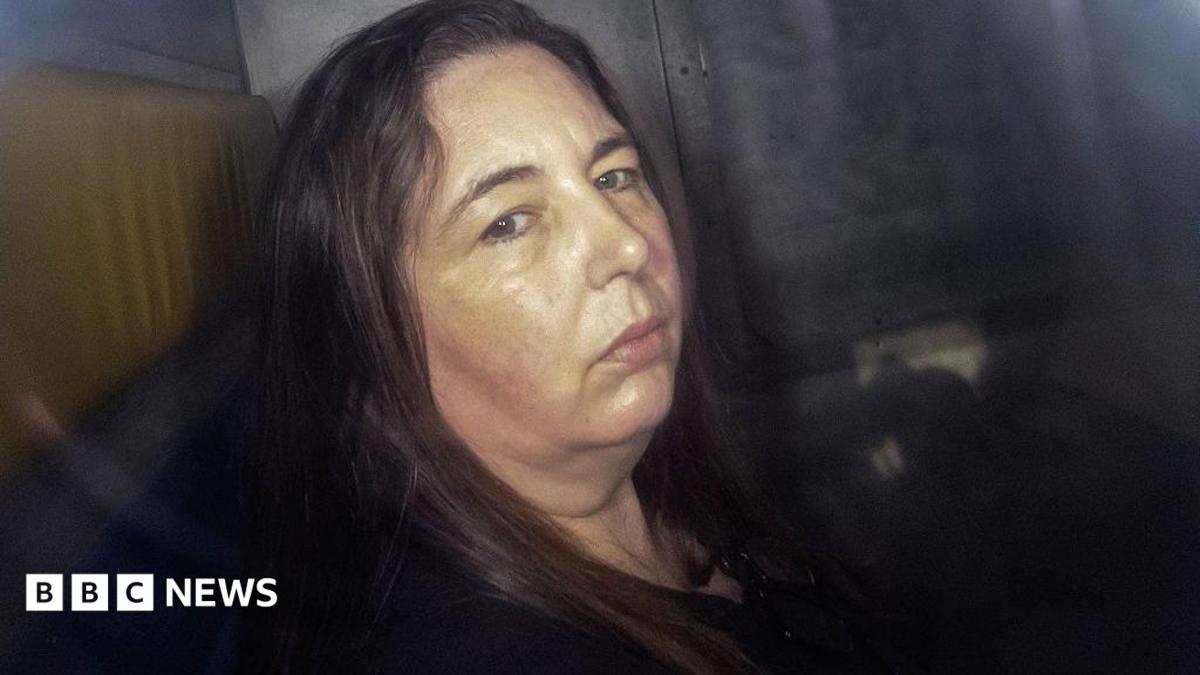
The towns of Korumburra and Leongatha, the epicentres of the tragedy and Patterson’s residence respectively, had already been gripped by a potent cocktail of grief, shock, and intense public scrutiny following the fatal lunch in July 2023. As the trial progressed in nearby Morwell, the area became a hive of activity, swarming with an unprecedented number of journalists, legal professionals, and curious onlookers. This pervasive public frenzy, the trial judge, Justice Christopher Beale, recognised, necessitated the protection of the jury. In Australia, the sanctity of jury deliberations is paramount. Jurors are strictly instructed to base their decisions solely on the evidence presented in court and to refrain from any discussion of the case with individuals outside their own panel, a rule that even extends beyond the conclusion of the trial.
To safeguard this delicate process, Justice Beale ordered the jury’s sequestration once deliberations commenced. This meant they were to be housed in supervised accommodation, with minimal to no contact with the outside world, until a verdict was reached. This is a measure employed only in exceptional circumstances due to its logistical complexity and cost. However, securing suitable accommodation for the jury and their escorts, known as jury keepers, proved to be a significant challenge as the trial extended beyond its initial estimates. The situation escalated dramatically when the national table tennis championships descended upon the region, coinciding precisely with the week the jury retired. This convergence transformed an accommodation shortage into a full-blown crisis, severely limiting available rooms.
The bombshell revelation of the jury’s proximity to prosecution figures came via an email from the judge’s chambers at 08:28 on Monday, July 7th, landing in the inboxes of the legal teams. The email disclosed that Detective Senior Constable Stephen Eppingstall, who led the murder investigation and was a pivotal witness, along with two prosecution solicitors, were staying at the same hotel as the sequestered jury. While the email assured that the jury occupied a separate floor and dined in a private conference room, and that the jury keeper reported no direct interaction, the mere presence of these individuals within the same hotel was deemed highly undesirable. Justice Beale himself acknowledged in his email, "I understand that there is a shortage of accommodation in the district, but it is obviously undesirable."
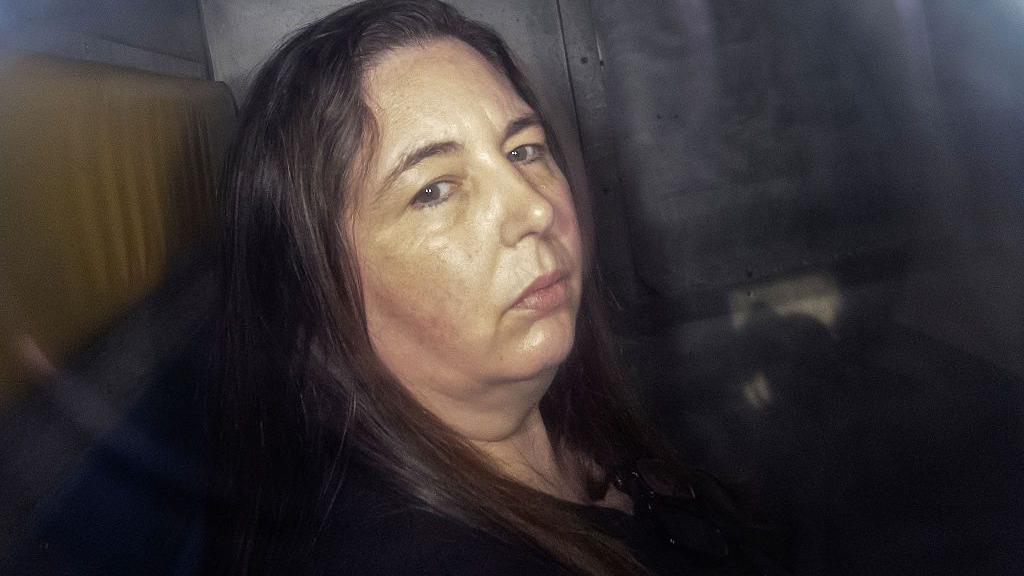
The prosecution’s response, received approximately two hours later, admitted awareness of the situation for several days. Their email stated that Detective Eppingstall had actively avoided common areas upon learning of the jury’s presence. The prosecution also conceded that while they had attempted to secure alternative accommodation for their staff, they were unable to find rooms for two solicitors, though they maintained that these individuals also took measures to avoid "incidental contact." This hotel situation, however, was soon overshadowed by a more definitive development: later that same afternoon, the judge’s chambers announced that the jury had reached their verdicts. They found Erin Patterson guilty on all counts.
Now, a year later, Patterson’s defense team is presenting this hotel entanglement as a "fundamental irregularity" that irrevocably tainted the trial’s outcome. "What occurred here was an inexplicable and perhaps still unexplained failure in the process," Edney argued, describing the situation as "catastrophic." The defense, which Edney highlighted was kept in the dark about the hotel issue for several days longer than other parties, did not immediately seek a mistrial in July. Instead, they lodged two separate requests with the state’s juries commissioner for an investigation into the matter in the weeks following the verdicts. Both requests, Edney noted, were ultimately rejected, with the reasons for these rejections remaining undisclosed.
The appeal hinges on what Edney described as a "vacuum of evidence" surrounding the events of that "most critical week" of the trial. Crucially, there is no CCTV footage from the hotel, no sworn affidavits from the individuals who shared the premises with the jury – a group that also included an unspecified number of journalists – and no official record of what transpired beyond the two brief emails exchanged in July. Edney also brought to light at least one media report from the time, which the prosecution dismissed as "unverified" and "seemingly inaccurate," suggesting that the mix-up had led to people "hiding in doorways to avoid contact" and "skipping breakfast."

Justice Peter Kidd, presiding over the appeal, posed a pragmatic counterpoint, questioning the significance of such occurrences in the broader context of jury trials. He noted that jurors frequently encounter other parties in public spaces like corridors or cafes, but are under the constant supervision of jury keepers whose sworn duty is to prevent any improper communication. Edney conceded that there was "no evidence" of direct communication between the jurors and the prosecution team or journalists. However, he maintained that even innocent contact, such as merely seeing the detective or solicitors, could have led to "subconscious influence." He repeatedly emphasized the fact that the hotel had "windows," a point met with a dry observation from the bench that hotels typically do have windows.
To bolster their argument, Patterson’s legal team cited two precedent-setting cases. In one, jurors were discharged after a defendant’s relative offered a throat lozenge to a juror experiencing a coughing fit. In another, a retrial was ordered after jurors shared a taxi ride without the escort of a jury keeper. The prosecution, however, maintained that "the system worked as it was intended to work." Director of Public Prosecutions Brendan Kissane KC argued that the jury was continuously supervised, and that prompt measures were taken to mitigate any potential issues once they were identified. He reiterated the assertions from the jury keeper, the lead detective, and the prosecution team that there was no actual contact. "The evidence in this case is that there was no interaction between any other person and the jury," Kissane stated. He further pointed out that the cases cited by the defense, which resulted in retrials due to jury errors, all contained evidence of actual improper communication, a situation he argued was not present here.
Patterson’s appeal is founded on seven grounds, with others pertaining to evidentiary rulings and alleged prosecutorial misconduct. However, the defense acknowledges that the hotel mix-up argument is, by its own admission, unprecedented. Edney invoked the trial judge’s own words from the first day of the trial, where he emphasized the fundamental principle that "Justice must not only be done, it must be seen to be done." This sentiment, Edney argued, highlights the critical importance of not only avoiding actual interference but also the perception of such interference.
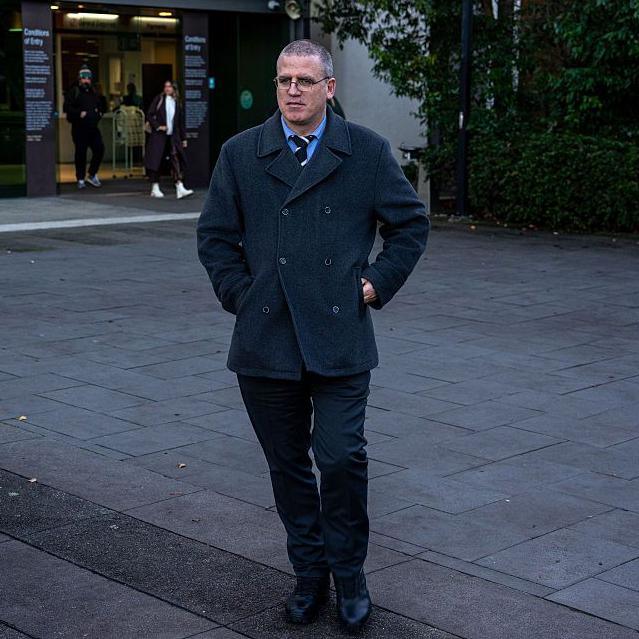
The three judges presiding over the appeal are now deliberating on both Patterson’s appeal and a separate argument lodged by the prosecution seeking to remove any parole period from her sentence. Their decision on these critical matters will be announced at a later date, leaving the fate of Erin Patterson and the integrity of the Australian justice system hanging in the balance.
