
 By admin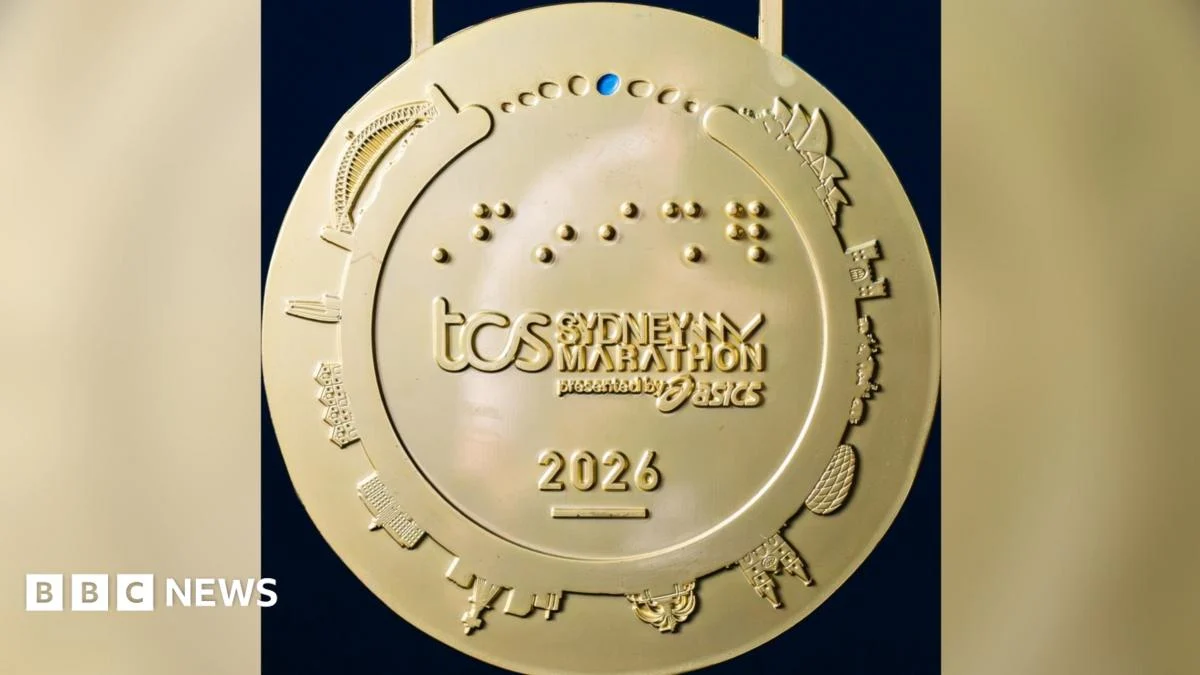
A significant blunder has cast a shadow of amusement and mild consternation over the much-anticipated Sydney Marathon, as a batch of medals intended for its 40,000 participants has been found to feature the incorrect stadium. While the double-sided medal proudly displays recognisable Sydney landmarks such as the iconic Opera House and the majestic Harbour Bridge, integral to the challenging 42.2km (26.2 mile) course, it’s the engraved stadium that has sparked widespread social media commentary and a touch of international mirth. Users scrolling through their feeds quickly noticed that the shape of the stadium etched onto the medal did not, in fact, represent Sydney’s own Allianz Stadium. Instead, the design appears to be a clear depiction of Munich’s renowned Allianz Arena, a striking structure characterised by its thousands of diamond-shaped inflatable cushions. This stark contrast to Sydney’s Allianz Stadium, which boasts a flatter facade smoothed with distinctive long bronze fins, has led to the glaring architectural misidentification.
The Sydney Marathon organisers, while confirming the error, have chosen to embrace the situation with a commendable sense of humour. In a statement, they acknowledged that runners would indeed receive the medal depicting the incorrect city’s stadium, but spun the narrative positively, noting, "It’s a beautiful medal, and now a little more unique." They further elaborated, "It’s certainly given everyone something to talk about this weekend, mostly in good humour." This lighthearted approach aims to diffuse any potential frustration among participants, transforming a seemingly significant oversight into a memorable talking point.
The international sporting community has also chimed in, with Germany’s Allianz Arena itself poking fun at the Sydney Marathon’s architectural faux pas. Taking to Instagram, the Munich stadium posted, "Oh wow, we didn’t have that on our bingo card!" The witty remark was followed by a thoughtful observation, suggesting a shared identity beyond mere naming: "Perhaps they tried to find something else they had in common: Allianz Arena — Sydney Opera — Unique Architecture — Both are worth a visit!" This playful exchange highlights the global interconnectedness of sport and the shared appreciation for iconic venues, even when one of them is mistakenly represented. The engagement from the German counterpart underscores the good-natured spirit with which the error is being received on a wider scale.
Beyond the architectural gaffe, the reverse side of the Sydney Marathon medal showcases a stunning gold and indigo pattern, a testament to the artistic vision of First Nations artist Ambrose Killian. This side of the medal has been widely commended for its intricate and ornate design, reflecting a deep connection to Indigenous Australian culture and heritage. Mr. Killian, when contacted by the BBC, confirmed that he was not involved in the design process for the face of the medal that features the incorrect stadium, thus clarifying his sole contribution to the aesthetically pleasing reverse side. This distinction is important, as it separates the artistic merit of his contribution from the logistical error made by the medal designers.
The Sydney Marathon, an event that has steadily grown in prominence, is poised for a record-breaking year in terms of participation and fundraising. With approximately 40,000 runners set to grace the city’s streets on August 30th, the event has seen an overwhelming response, with over 120,000 ballot entries submitted. This level of interest signifies the growing appeal of the marathon, not just as a sporting challenge but also as a significant charitable endeavour. Organisers have expressed their delight at the record participation and the substantial fundraising efforts that accompany this year’s event, underscoring the positive impact the marathon has on various charitable causes.
The context surrounding the Sydney Allianz Stadium’s architectural identity is crucial to understanding the nature of the error. Sydney’s Allianz Stadium, formerly known as the Sydney Football Stadium, underwent a significant redevelopment and reopened in 2022. Its design, by COX Architecture, features a distinctive façade that incorporates long, flowing bronze fins. These fins are not merely decorative; they are integrated into the building’s ventilation system, providing a unique and functional aesthetic. This modern interpretation of stadium architecture stands in stark contrast to the rounded, inflated cushion exterior of Munich’s Allianz Arena, which was designed by the renowned architectural firm Herzog & de Meuron and opened in 2005. The visual discrepancy is therefore quite pronounced, making the error readily apparent to those familiar with either structure.
The Sydney Marathon’s medal design process typically involves careful consideration of iconic Sydney landmarks to commemorate the event and the city. The inclusion of the Opera House and Harbour Bridge is a standard and well-received choice, as these are universally recognised symbols of Sydney and Australia. The marathon route itself often takes runners past these landmarks, offering breathtaking views and a unique race experience. The error, therefore, lies specifically in the selection and reproduction of the stadium image, a detail that, while not affecting the integrity of the race itself, has undeniably become the primary topic of conversation.
The incident also raises questions about quality control and the oversight processes involved in medal production for large-scale sporting events. While errors can happen, especially with complex designs and international manufacturing, the prominence of the mistake in this case suggests a need for thorough review at multiple stages. The fact that the error was so widely recognised on social media highlights the keen eye of the public and the rapid dissemination of information in the digital age.
The financial implications of such an error, while not publicly disclosed, could be significant. The cost of re-designing and re-manufacturing a batch of medals, or the potential for compensation or alternative mementos for participants, are factors that the organising committee will undoubtedly be assessing. However, the immediate focus seems to be on maintaining the positive spirit of the event and celebrating the collective effort of the runners and their supporters.
Ambrose Killian’s contribution to the medal’s reverse side offers a crucial counterpoint to the design blunder. His work, which often draws inspiration from the stories, traditions, and landscapes of Indigenous Australia, brings a layer of cultural richness and authenticity to the commemorative item. The intricate patterns and symbolic meanings embedded in his designs are a valuable element, and it is fortunate that this aspect of the medal remains uncompromised. The contrast between the artistically significant Indigenous design and the architecturally erroneous depiction of a European stadium serves to further highlight the unusual nature of the medal’s dual faces.
The Sydney Marathon’s commitment to inclusivity and community engagement is also evident in its organisation. The high number of ballot entries suggests a strong desire among the public to participate, whether for personal achievement, to support charitable causes, or to be part of a major city event. The event’s success in terms of fundraising is particularly noteworthy, as it directly impacts the lives of those supported by the various charities associated with the marathon. This altruistic aspect of the event often overshadows minor logistical hiccups, and the organisers are likely banking on this goodwill to navigate the current situation.
In conclusion, the Sydney Marathon medal mix-up, while a notable error, has been met with a surprising degree of good humour and international engagement. The distinctive, albeit incorrect, depiction of Munich’s Allianz Arena on a medal meant to celebrate Sydney’s sporting prowess has inadvertently created a unique keepsake for its participants. While the artistic integrity of Ambrose Killian’s First Nations design on the reverse side remains a point of pride, the engraved stadium serves as a humorous reminder of the complexities and occasional pitfalls of globalised event production. The focus now shifts back to the main event: the 40,000 runners preparing to tackle the iconic Sydney course, with their slightly less-than-perfect, yet undoubtedly memorable, medals in tow. The Sydney Marathon is set to be a landmark event for many reasons, and this unexpected design quirk will undoubtedly be a story told for years to come.
