
 By admin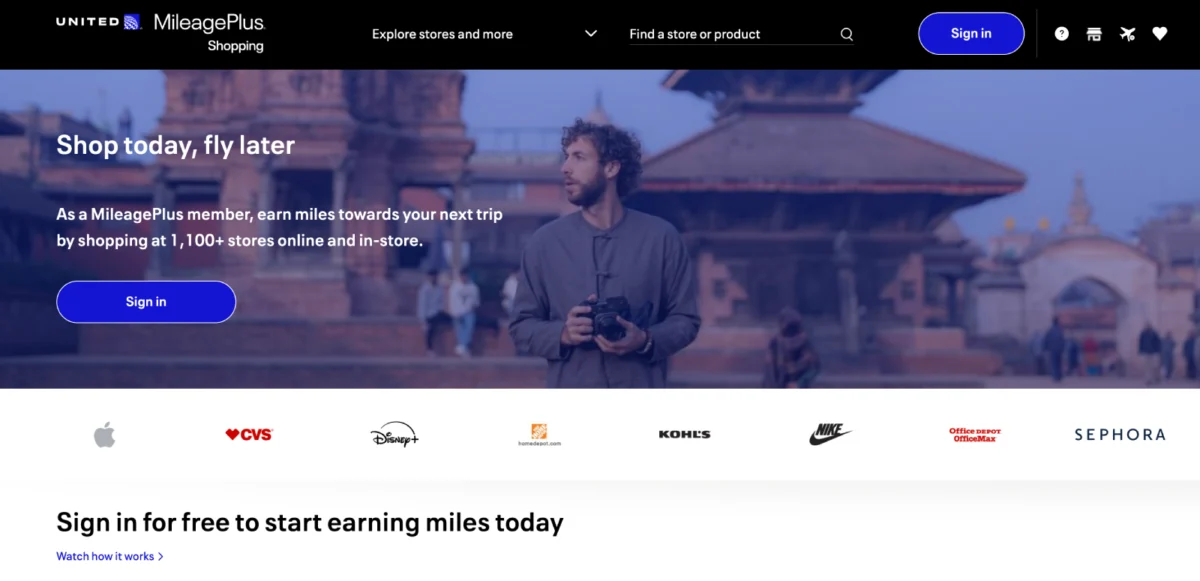
In an era defined by fluctuating economic stability and the persistent rise in the cost of living, the modern consumer is increasingly tasked with becoming a strategist. Whether purchasing essential pet supplies, refreshing home decor, or investing in a new wardrobe, the act of clicking "buy" now carries with it a secondary consideration: how much of that value can be clawed back? While many savvy shoppers utilize rewards credit cards to earn a baseline of points or cash back, a significant portion of everyday retail spending falls into "non-bonus" categories. Traditional credit cards often offer a meager 1% return on departments like clothing, furniture, or specialty gifts. This is where the sophisticated world of online shopping portals enters the fray, transforming routine transactions into high-yield opportunities for travel and savings.

Online shopping portals serve as a digital bridge between the consumer and the retailer, acting as an affiliate marketing layer that rewards the user for their loyalty. The premise is deceptively simple: instead of navigating directly to a retailer’s website, a shopper starts their journey at a portal like Rakuten, American Airlines eShopping, or Chase’s "Shop Through Chase" platform. By clicking through these hubs, the consumer triggers a tracking mechanism that allows the portal to earn a commission from the merchant. In a "win-win-win" ecosystem, the merchant gains a customer, the portal receives a referral fee, and the consumer receives a portion of that fee in the form of cash back, airline miles, or transferable credit card points.
To understand the sheer scale of this opportunity, one must look at the mechanics of "double-dipping." When a consumer uses a shopping portal, they are not replacing their credit card rewards; they are layering a second, independent stream of rewards on top of them. For example, if a shopper uses a card that earns 2% cash back to buy a $500 laptop through a portal offering 5% cash back, the total return jumps to 7%. In the world of "points and miles" enthusiasts, this synergy is the foundation of "travel hacking," allowing individuals to fund international business-class flights through the sheer volume of their domestic household spending.

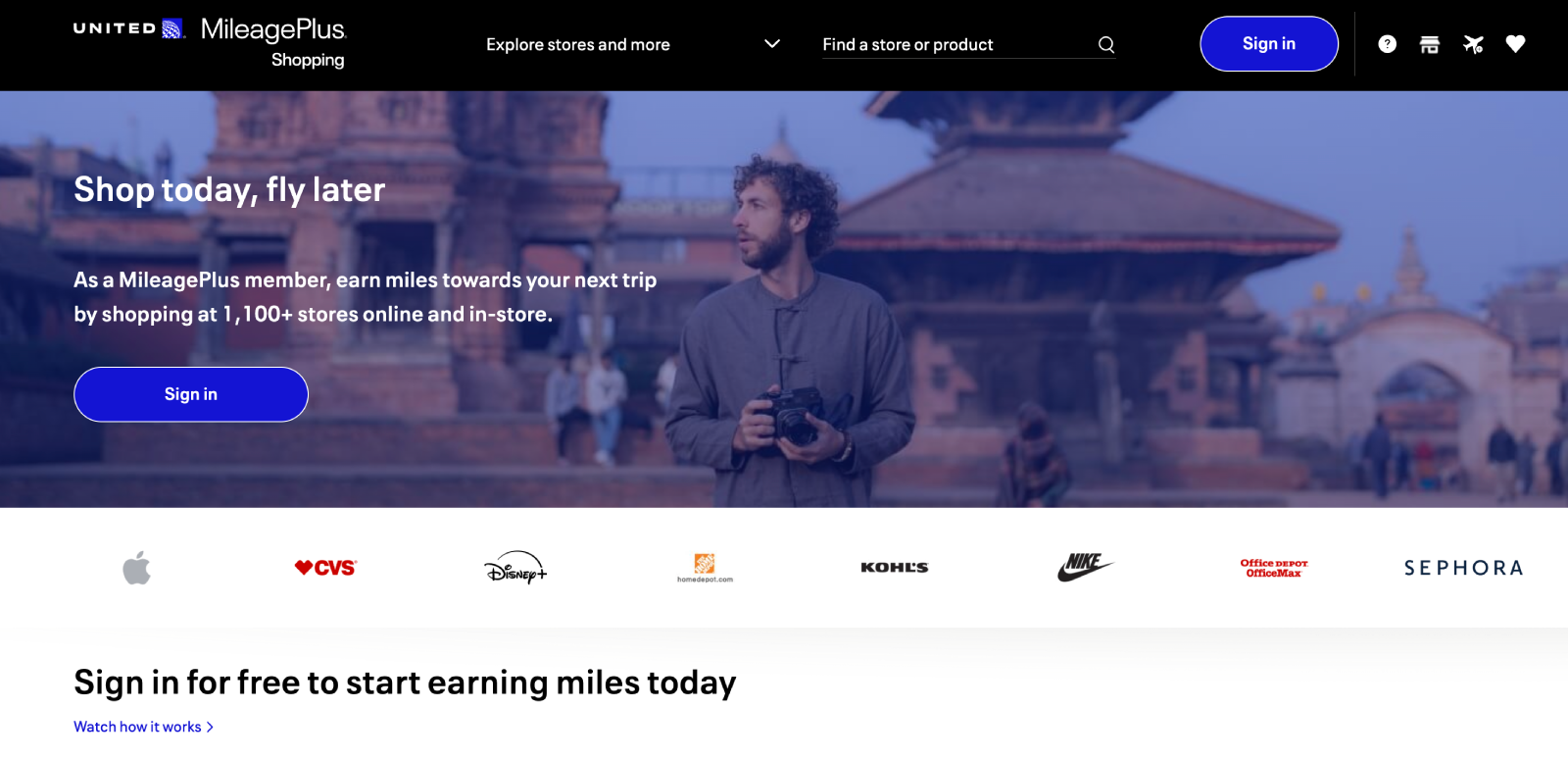
The landscape of these portals is diverse, generally categorized into airline-branded sites, bank-specific platforms, and independent cash-back giants. Airline loyalty programs, such as United’s MileagePlus Shopping or Delta’s SkyMiles Shopping, are particularly lucrative for those aiming for specific travel goals. These portals often run seasonal "mystery bonuses" or "back-to-school" events where spending a certain threshold—say $500—results in a flat bonus of 1,000 to 2,000 miles on top of the per-dollar earning rate. For American Airlines flyers, the eShopping portal has become an essential tool for earning "Loyalty Points," the currency required to reach elite status levels like Executive Platinum without ever stepping foot on a plane.
On the banking side, institutions like Chase and Barclays offer integrated portals. "Shop Through Chase" is a standout for those who hold cards like the Chase Sapphire Preferred or Sapphire Reserve. Because Chase Ultimate Rewards points are highly valued for their 1:1 transferability to partners like World of Hyatt and United Airlines, earning an extra 2 to 5 points per dollar at a retailer like Sephora or Apple can significantly accelerate one’s ability to book luxury hotel stays. Capital One has taken a slightly different approach with "Capital One Shopping," a browser extension that is available to the general public, regardless of whether they hold a Capital One credit card. This tool uses big data to scan the internet for lower prices and automatically applies coupon codes at checkout, adding a layer of direct price protection to the rewards-earning process.

Perhaps the most influential player in the hybrid space is Rakuten. Formerly known as Ebates, Rakuten has revolutionized the industry by allowing users to choose between traditional cash back or earning American Express Membership Rewards points. This is a critical distinction for high-value shoppers. According to industry valuations from experts like The Points Guy (TPG), American Express points are worth approximately 2 cents each when redeemed for travel. Therefore, a 10% cash-back offer at a retailer like Saks Fifth Avenue effectively becomes a 20% return on investment when converted to Amex points. Rakuten’s massive scale—partnering with over 3,500 stores—and its aggressive referral programs, which frequently offer $30 to $50 bonuses for new members, make it the "low-hanging fruit" for anyone beginning their rewards journey.
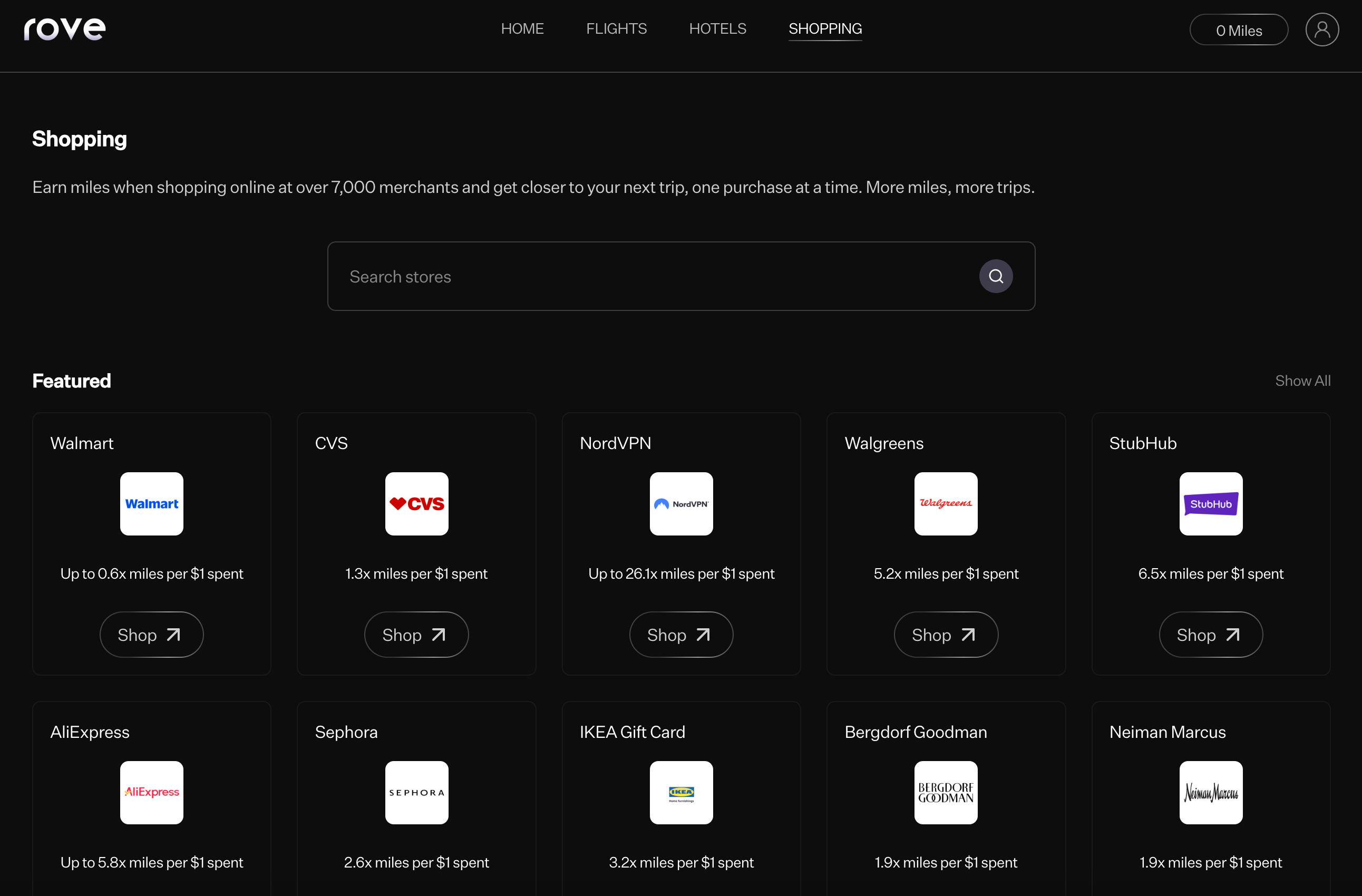
A newcomer to this space, launched in 2025, is Rove. Rove represents the next generation of loyalty, operating as a hybrid booking platform and shopping portal. By introducing its own proprietary currency, Rove Miles, the platform attempts to simplify the user experience by centralizing travel bookings and retail shopping into a single ecosystem. As the market becomes more crowded, platforms like Rove emphasize the importance of "frictionless" rewards, often utilizing browser extensions that "pop up" to alert a user of a deal so they never miss an earning opportunity.
Despite the clear benefits, maximizing these portals requires a degree of technical hygiene. The tracking that enables these rewards relies on "cookies" in a web browser. If a user has an aggressive ad-blocker enabled or navigates away from the window before completing the purchase, the "click-through" may not register, resulting in a lost bonus. Expert shoppers recommend clearing browser cookies before a large purchase or using a dedicated "clean" browser solely for shopping portal transactions. Furthermore, it is essential to read the fine print. Many portals exclude certain items—such as gift cards, high-demand electronics, or prescription drugs—from earning rewards.
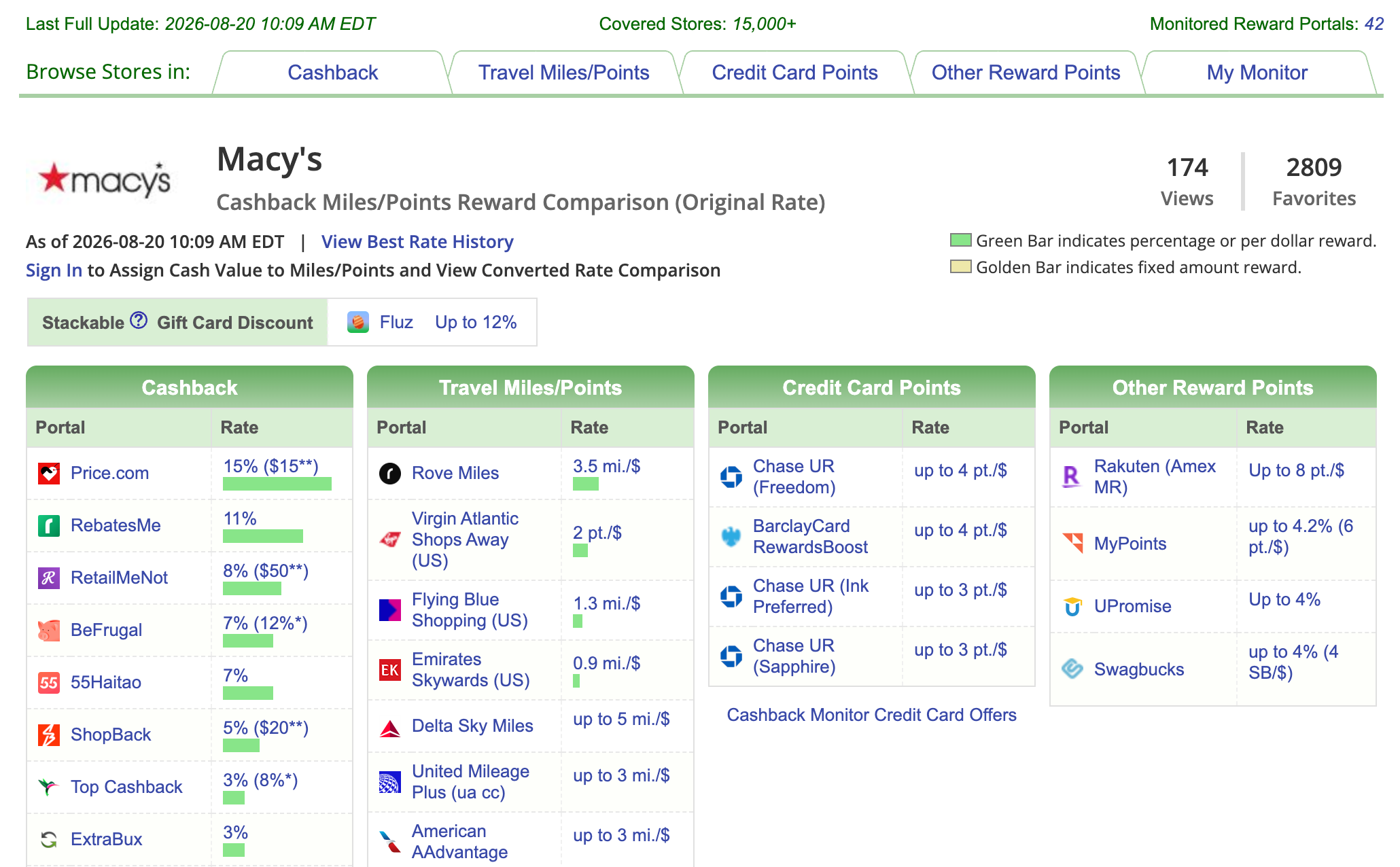
To navigate the "dizzying array" of options, the use of a shopping portal aggregator is indispensable. Sites like Cashback Monitor allow a consumer to search for a specific retailer and see a side-by-side comparison of every available portal’s current offering. For instance, if a shopper wants to buy a new mattress at Casper, Cashback Monitor might reveal that Rakuten is offering 2% back, while British Airways is offering 8 Avios per dollar. Depending on the shopper’s goals, the airline miles might be significantly more valuable than the cash.
The psychological impact of these portals cannot be understated. In an inflationary environment, where the consumer feels a loss of agency over rising prices, the ability to "manufacture" a discount through rewards provides a sense of financial control. It turns the tide against "bracket creep" and the rising costs of luxury goods. Moreover, these portals serve as a vital tool for account maintenance. Most airline and hotel loyalty points have an expiration date, often 18 to 24 months of inactivity. By making a simple $5 purchase through an airline’s shopping portal once a year, a member can reset the clock on their entire balance, potentially saving hundreds of thousands of miles from disappearing.
For those looking to achieve "pro-level" status, the ultimate strategy is the "Triple Stack." This involves:
- Activating a merchant-specific offer on a credit card (such as an Amex Offer for $50 off a $200 spend at Dell).
- Clicking through a shopping portal (like Rakuten) to earn 10x points on that same Dell purchase.
- Ensuring the purchase qualifies for the retailer’s own loyalty program (like Dell Rewards).
When executed correctly, this "triple stack" can result in a total return exceeding 30-40% of the purchase price, a figure that far outpaces any traditional sale or coupon.
As we look toward the future of retail, the integration of AI and real-time data will likely make these portals even more personalized. We may see a shift toward "instant gratification" rewards, where the points or cash back are credited to an account the moment the transaction is verified, rather than waiting for the standard 30-to-90-day "return period" to pass. For now, the advice for the general public remains clear: never go directly to a store’s website. The seconds it takes to route a purchase through a portal are perhaps the highest-earning seconds of a consumer’s day.
In conclusion, online shopping portals are no longer a niche tool for travel enthusiasts; they are a fundamental component of modern financial literacy. By understanding the distinctions between cash back and transferable points, utilizing aggregators like Cashback Monitor, and maintaining the technical discipline to ensure clicks are tracked, consumers can effectively devalue the prices they see on the screen. Whether the goal is a "free" family vacation to Hawaii or simply a more robust emergency fund, the path to those objectives is paved with the bonus points and miles found within these digital gateways. As the retail landscape continues to evolve, those who master the art of the portal will find themselves significantly ahead in the race to maximize every dollar spent.
