
 By admin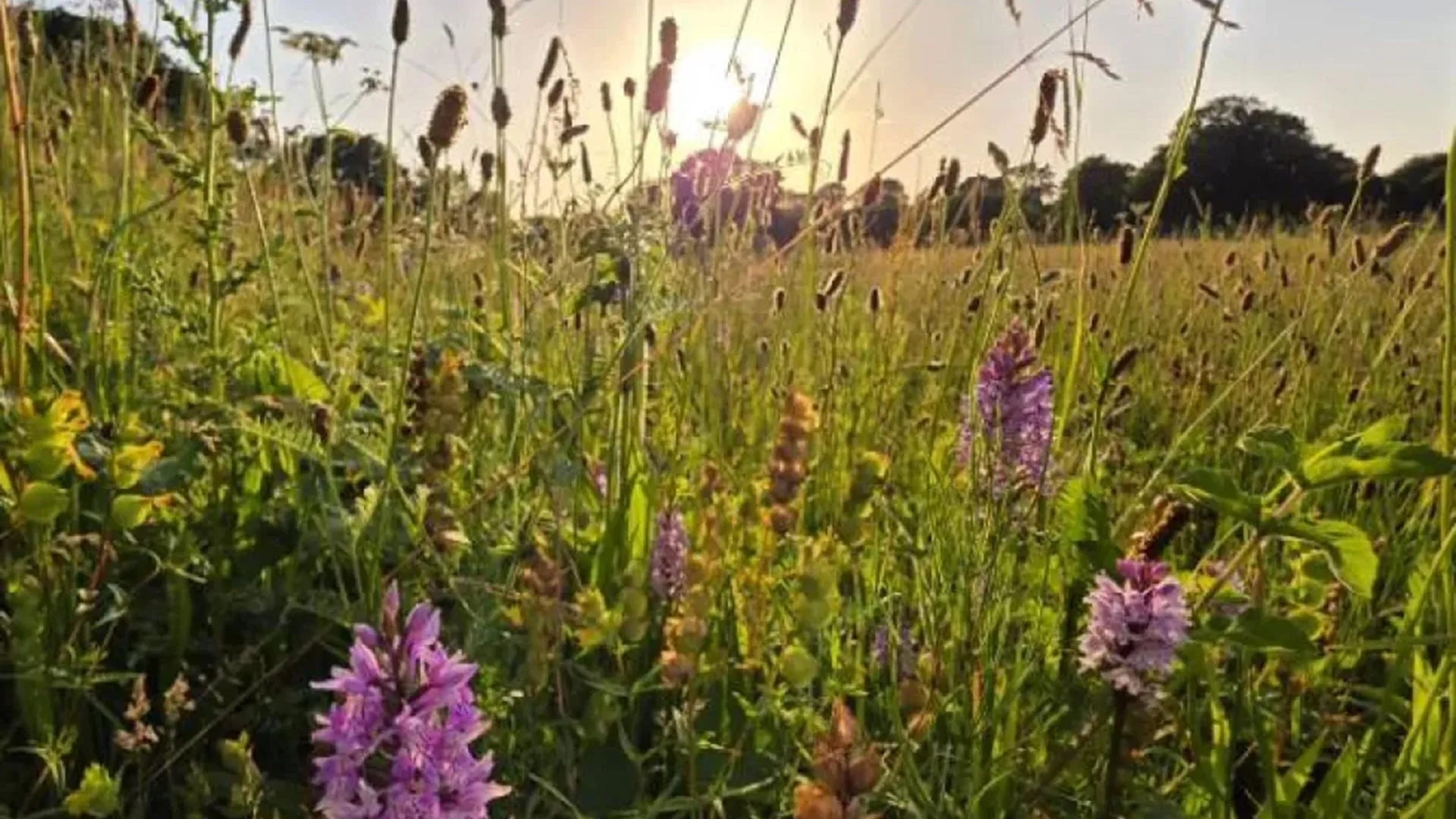
The findings, published in the esteemed journal Restoration Ecology, provide compelling evidence that a ‘hands-off’ approach, coupled with minimal intervention, can lead to the successful regeneration of biodiverse ecosystems on former agricultural land. This longitudinal study, spanning an impressive 11 years from 2011 to 2022, meticulously tracked the ecological transformation of a two-hectare field in North Norfolk, UK. The site, which ceased active farming operations after its final oilseed rape crop in 2005, was left largely to its own devices, with the singular management intervention being a traditional annual hay cut. This deliberate restraint allowed researchers to observe and document the nuanced processes of natural succession, offering profound insights into nature’s inherent capacity for recovery.
The Urgent Need for Biodiversity Restoration and Current Approaches
The imperative to restore biodiversity has never been more pressing. Across the globe, ecosystems are facing unprecedented pressures from human activities, leading to widespread habitat loss and species extinction. In response, governments and conservation organizations are committing significant resources to large-scale restoration projects. The UK, for instance, has set ambitious targets through its 25 Year Environment Plan, aiming to reverse the decline in nature and create thriving landscapes. Similarly, the European Union’s Nature Restoration Law underscores a continent-wide commitment to restoring degraded ecosystems.
Historically, conventional approaches to habitat restoration, particularly for species-rich grasslands, have often relied on active interventions. These typically involve the mechanical preparation of land, followed by the sowing of commercially produced wildflower seed mixes, or even the transplantation of turf from existing meadows. While such methods can yield relatively quick results and allow for precise control over species composition, they often come with substantial financial costs and raise questions about the genetic authenticity and long-term resilience of the restored habitats. There is a growing concern that these ‘designer’ meadows, while aesthetically pleasing, might lack the nuanced genetic diversity and local adaptations of naturally evolved ecosystems, potentially creating generic landscapes rather than truly resilient ones. It is against this backdrop of urgent need and established methodologies that the UCL study offers a refreshing and potentially paradigm-shifting perspective.
Farmland Transforms Into a Wildflower Meadow: A Testament to Nature’s Resilience
The North Norfolk field, once a monocultural expanse dedicated to arable crops, underwent a remarkable metamorphosis. Within a timeframe of just 10 to 15 years following the cessation of farming, the former agricultural land had developed into a vibrant, species-rich wildflower meadow. This transformation was not merely anecdotal; it was quantitatively observed and meticulously documented. The research team recorded a steady and significant increase in both the number and variety of plant species over the study period.
Crucially, the emergence of locally rare and ecologically significant species underscored the depth of this natural recovery. Among the notable arrivals were the southern marsh orchid (Dactylorhiza praetermissa), a charismatic species indicative of healthy wetland and grassland habitats; greater tussock-sedge (Carex paniculata), which provides important structural diversity and microhabitats; yellow rattle (Rhinanthus minor), a hemi-parasitic plant known to suppress vigorous grasses, thereby creating space for other wildflowers to thrive; and common centaury (Centaurium erythraea), a delicate annual herb often found in undisturbed grasslands. The appearance and proliferation of these species are not random; they are powerful biological indicators of successful ecological restoration and the establishment of a complex, functioning meadow ecosystem.
Questioning Conventional Wisdom: Patience Over Seed Packets
The compelling results of the Sayer study directly challenge the prevailing assumption that the creation of species-rich grassland invariably necessitates the use of commercial seed mixes or other expensive, high-intervention measures. Instead, the researchers propose that allowing natural ecological processes to unfold, given sufficient time and minimal appropriate management, can be a highly effective strategy for restoring biodiversity.
One of the most significant advantages of natural regeneration, as highlighted by the study, is its ability to preserve the genetic diversity of plants already adapted to the local area. Commercial seed mixes, while convenient, often contain genotypes that may not be optimally suited to the specific environmental conditions of a particular site, or worse, may introduce genetic material that could dilute or outcompete native populations. Natural recovery, conversely, relies on the seed bank present in the soil, the dispersal of seeds from surrounding habitats, and the gradual colonization by species that are inherently adapted to the local climate, soil type, and ecological pressures. This ensures that the resulting meadow is not only diverse but also genetically robust and resilient.
Professor Carl Sayer, a distinguished Professor of Limnology and Freshwater Ecology at UCL, articulated this critical point: "Our study shows that resisting seeding and allowing nature to lead may be worth trying a lot more in wildflower meadow restoration. Natural plant recovery better safeguards genetic diversity than seeding and ensures that local species thrive, making meadows less generic. As things stand, the UK needs nature recovery fast, at big scales. In the push to achieve this goal, our study poses the question: should we be employing patience over seed packet more often?" His words encapsulate the core message of the research: sometimes, the most effective and ecologically sound approach is to trust in nature’s own restorative powers.
Tracking Natural Meadow Recovery Over 11 Years: A Rare Glimpse
The long-term nature of this ecological study is a defining feature and a significant strength, setting it apart from many shorter-term restoration experiments. Long-term ecological studies examining the natural restoration of grasslands are uncommon precisely because they depend on consistent, dedicated monitoring over many years, often decades. This requires sustained commitment, funding, and a deep understanding of ecological dynamics.
The study focused on a specific site known as Sayer’s Meadow, located in the picturesque village of Bodham in North Norfolk. This personal connection to the land is noteworthy; the field is owned by Professor Sayer’s father, Derek Sayer, who is also a co-author on the published research. This familial link undoubtedly fostered the necessary patience and long-term vision required for such an endeavor.
To meticulously track the changes in vegetation, Professor Sayer, in collaboration with Pete Robinson, conducted detailed vegetation surveys every two to three years. These surveys were comprehensive, involving the identification and recording of every plant species present across the entire two-hectare meadow. Furthermore, they established permanent survey plots within the meadow, allowing for precise, repeatable measurements of species composition and abundance over time. This systematic approach provided a robust dataset that illustrated the gradual yet profound ecological transformation.
The quantitative data underscored the success: during the study period, the average number of plant species found within each permanent survey plot effectively doubled. Starting from approximately 10 species per plot in 2011, this figure rose to nearly 20 species by the conclusion of the study in 2022. This doubling of species richness within a relatively short period for ecological processes is a powerful indicator of the meadow’s increasing biodiversity and ecological complexity.
As the meadow developed and matured, some of the most striking visual and ecological changes included the natural establishment of thousands of orchids, transforming parts of the field into a spectacle of vibrant colour and intricate forms. Alongside the orchids, populations of yellow rattle also increased significantly. Both of these species are widely regarded by ecologists as key indicators of successful meadow restoration. Yellow rattle, in particular, plays a crucial ecological role as a hemi-parasite, drawing nutrients from the roots of vigorous grasses like perennial ryegrass. By weakening these dominant grasses, yellow rattle reduces competition, thereby allowing less competitive but more desirable wildflower species to flourish, thus accelerating the diversification of the sward.
Wildlife May Have Helped Plants Return: The Unseen Architects of Restoration
One of the fascinating aspects of natural regeneration is the role played by various ecological processes and agents, often subtly operating behind the scenes. The researchers posit that some of the site’s more unusual and rare plant species may have arrived without any direct human assistance. This process, known as natural dispersal, can occur through various mechanisms. Wildlife, such as deer, birds, and small mammals, can act as vectors, carrying seeds on their fur or feathers, or dispersing them through their droppings after consuming fruits. Wind is another powerful agent of dispersal, carrying lightweight seeds over considerable distances. Water runoff can also transport seeds, particularly in landscapes with varied topography.
The appearance of these novel species, seemingly out of nowhere, highlights the remarkable ability of landscapes to regenerate and re-colonize when natural ecological processes are given the necessary time and space to operate. It speaks to the inherent interconnectedness of ecosystems, where a healthy surrounding landscape can provide the biological resources (seed sources, animal dispersers) needed to kickstart recovery in a degraded area. This contrasts sharply with restoration models that assume a sterile slate requiring complete human intervention for re-colonization.
A Personal Journey: The Professor’s Vision
Professor Sayer’s personal reflection on the project adds a compelling narrative layer to the scientific findings, revealing the conviction and patience that underpinned this long-term endeavor. "The field belongs to my family, and after an oilseed rape crop in 2005 we stopped farming it as the land was difficult to drain," he recounted. "I really wanted a wildflower meadow and all advice was to seed it, but I resisted the temptation, as I have always been interested in nature’s ability to recover itself."
This decision to "resist the temptation" of conventional seeding, despite expert advice, was a pivotal moment. It stemmed from a deep-seated belief in nature’s intrinsic capacity for self-repair, a principle that often gets overlooked in the rush for immediate results. His patience was ultimately rewarded in the most delightful ways. "When the first orchids started appearing in our surveys, we were thrilled and now the meadow is unbelievably diverse, with thousands of orchids that delight locals in the village," he shared. The joy and wonder experienced by both the researchers and the local community underscore the aesthetic and cultural value of such naturally restored landscapes.
Professor Sayer concluded his reflection with a powerful statement: "Our study shows what can be achieved by a traditional hay cutting approach combined with nature’s brilliant spontaneity. A visit to the meadow is like stepping back through time." This emphasizes the blend of minimal, appropriate human management (the annual hay cut, which mimics historical grazing regimes and prevents the dominance of vigorous species) with the unpredictable, yet ultimately rich and authentic, spontaneity of natural processes. The feeling of "stepping back through time" evokes a sense of rediscovering a lost natural heritage, a landscape that feels ancient and genuine rather than artificially constructed.
A Simpler, More Sustainable Approach to Biodiversity Restoration
The research from UCL Geography offers a profound contribution to the field of ecological restoration. It provides robust, long-term empirical evidence that geographical studies, by meticulously observing and analyzing landscape changes over time, can indeed help shape practical, cost-effective, and ecologically sound strategies for restoring damaged landscapes.
The implications for biodiversity restoration goals are significant. Nature-led recovery, as demonstrated by the Sayer study, could contribute substantially to achieving ambitious targets, particularly across large areas of former farmland that are ripe for ecological transformation. Crucially, this approach offers the dual benefits of lowering both the financial cost and the logistical complexity often associated with bringing degraded land back to ecological health. For governments and landowners grappling with the challenges of extensive restoration projects, a simpler, more patient, and less interventionist strategy could prove to be a game-changer.
In a world increasingly aware of the limits of human intervention and the intrinsic value of wildness, this study champions a more humble, yet ultimately more powerful, approach to conservation. It suggests that by stepping back, practicing patience, and providing nature with the opportunity and the time it needs, we can foster truly resilient, genetically diverse, and ecologically authentic landscapes that will benefit both wildlife and future generations. The North Norfolk meadow stands as a living testament to this powerful truth: sometimes, the best way to help nature recover is to simply let nature lead.
