
 By admin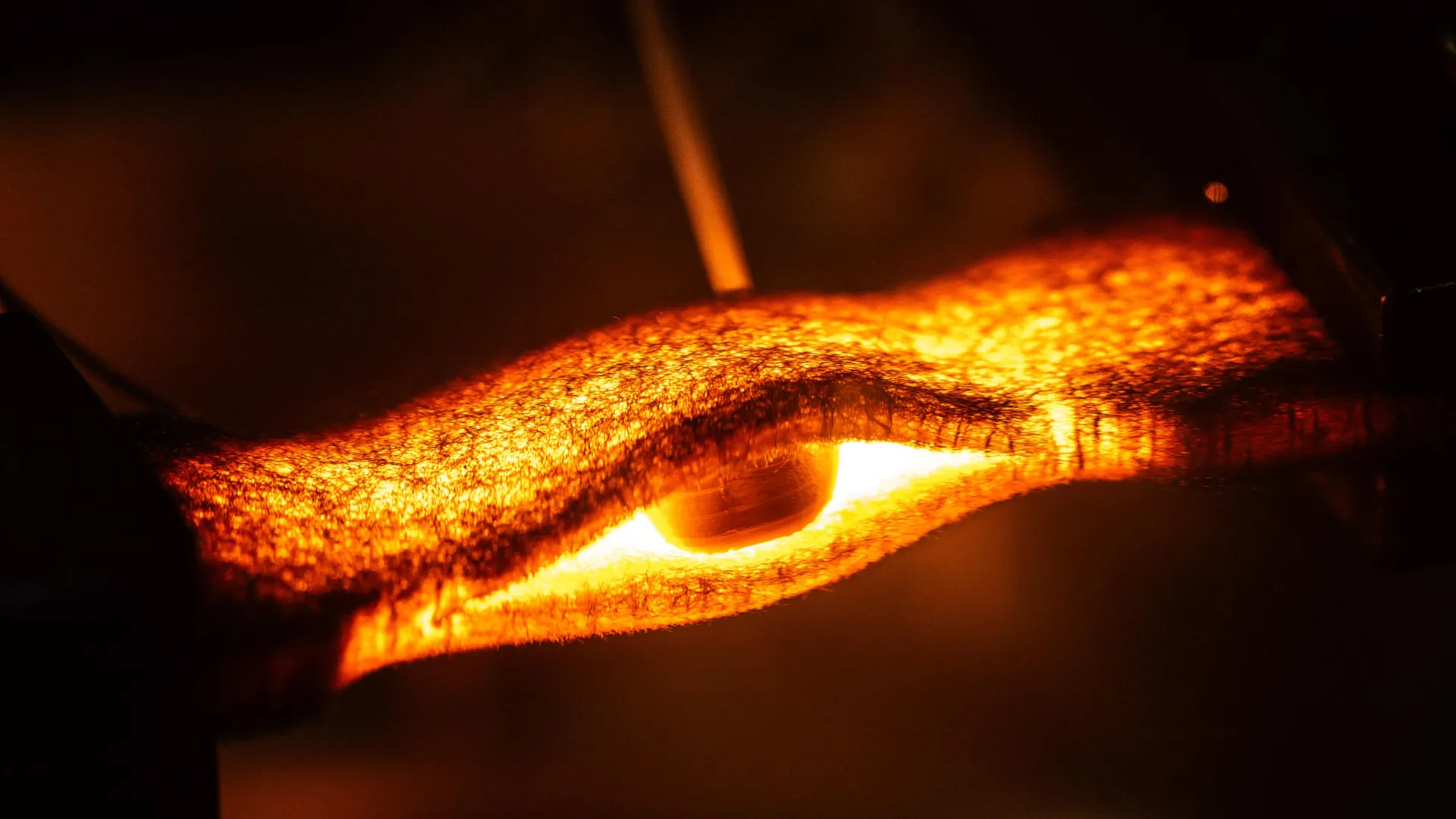
With crucial backing from the National Science Foundation (NSF) through its Partnerships for Innovation program, the research team is now vigorously pursuing the commercialization of this transformative technology. Their sights are set on widespread adoption for a range of essential dental restorations, including crowns, bridges, veneers, and other vital prosthetics. This push towards market readiness signifies a critical leap from the laboratory bench to the dental operatory, promising tangible benefits for both clinicians and patients alike.
Dr. Majid Minary, a distinguished professor of mechanical engineering in the Erik Jonsson School of Engineering and Computer Science at UT Dallas and a lead researcher on the project, expressed profound enthusiasm for the development. "We are excited to be advancing the commercialization of chair-side 3D-printed, all-ceramic zirconia permanent dental restorations," Dr. Minary stated. He underscored the profound implications of the technology, explaining, "Because the crowns can be custom-printed for each patient on the same day, this approach offers greater personalization, faster treatment and the convenience of receiving a permanent restoration in a single visit." This vision of immediate, custom-fit, and durable dental work stands in stark contrast to traditional multi-appointment processes, addressing a long-standing desire within the dental community for enhanced efficiency and patient satisfaction.
The Enduring Challenge: Why Zirconia Crowns Have Been Difficult to 3D Print Quickly
Dental crowns, which serve as protective caps placed over teeth compromised by damage or decay, are fundamental to restorative dentistry. They also play a crucial role in supporting dental bridges, which are designed to replace missing teeth. The demand for durable, aesthetically pleasing, and precisely fitted crowns is immense, reflecting the universal need for maintaining oral health and function.
In recent years, 3D-printed dental restorations have emerged as an increasingly attractive option, primarily due to their superior customization capabilities. This digital fabrication method allows for unprecedented precision in matching the restoration to a patient’s unique dental anatomy and achieving an exact shade match to surrounding natural teeth. Beyond aesthetic and fit advantages, the 3D printing manufacturing process itself offers inherent efficiencies, holding the potential to significantly reduce both production costs and material waste compared to conventional techniques.
However, the journey to widely available same-day 3D-printed crowns has been fraught with material limitations. While immediate 3D-printed crowns are indeed available today, they are typically fabricated from ceramic resins. These resin-based materials, while suitable for temporary or less demanding applications, generally fall short in replicating the superior strength, longevity, and fracture resistance that characterize zirconia. For permanent restorations, dentists and patients demand materials that can withstand the rigorous forces of mastication over many years, a benchmark where zirconia consistently excels.
An alternative for same-day zirconia crowns already exists in some dental practices, but it relies on a different fabrication method: subtractive manufacturing, or milling. This process involves carving the restoration from a solid, pre-sintered block of zirconia using computer-aided design/computer-aided manufacturing (CAD/CAM) technology. While milling provides a robust zirconia crown quickly, it presents its own set of challenges. The subtractive nature of milling can restrict the complexity of possible designs, making intricate anatomical features or highly customized contours difficult or impossible to achieve. Furthermore, the milling process itself, followed by the necessary high-temperature sintering, carries an inherent risk of inducing micro-cracking within the zirconia block, which can compromise the long-term integrity and strength of the final restoration. This delicate balance between speed, precision, and material integrity has been a significant hurdle for the widespread adoption of chairside zirconia fabrication.
UT Dallas’s Breakthrough: Solving the Post-Printing Bottleneck
The UT Dallas researchers, alongside their collaborators, have now ingeniously tackled one of the most formidable obstacles to producing zirconia restorations via 3D printing: the arduous post-printing processing. Their innovative method dramatically shortens the time required for critical stages after a restoration emerges from the printer, transforming a multi-day ordeal into a matter of minutes.
The groundbreaking technique was meticulously detailed in a peer-reviewed article published in the prestigious journal Ceramics International, signifying its scientific rigor and potential impact. While the findings are highly promising, the researchers acknowledge that the method will still require comprehensive clinical validation and rigorous regulatory approval from bodies like the U.S. Food and Drug Administration (FDA) before it can become widely commercially available for patient use. These steps are crucial to ensure the safety, efficacy, and long-term performance of the new technology in a clinical setting.
Cutting a 20 to 100 Hour Process to Mere Minutes: The Debinding Revolution
Once a zirconia crown has been precisely 3D-printed using a suitable ceramic slurry, it must undergo two indispensable post-processing stages: debinding and sintering. These steps are critical for transforming the "green" (unfired) printed object into a dense, strong, and durable ceramic restoration.
Traditionally, debinding is the first and often the most time-consuming step. During debinding, the printed crown is subjected to a slow, controlled heating process designed to meticulously remove the polymeric binder—the resin—that temporarily holds the zirconia particles together during the initial 3D printing phase. This binder is essential for the printing process but must be completely eliminated to allow the zirconia particles to fuse properly during subsequent sintering. The challenge lies in the pace: traditionally, this step can demand anywhere from a staggering 20 to 100 hours. This extended timeframe is dictated by the need for extremely gradual heating to prevent rapid outgassing of the polymer, which, if too fast, can lead to internal stresses and ultimately crack or fracture the delicate crown.
Following the thorough elimination of the resin, the crown proceeds to the sintering stage. This involves a high-temperature firing process, analogous to baking clay in a kiln, but at far more extreme temperatures. During sintering, the individual zirconia particles fuse together, densifying the material and forming a robust, hardened structure with the desired mechanical properties. Proper sintering is crucial for achieving the characteristic strength, hardness, and fracture toughness that make zirconia such an exceptional dental material.
"Debinding has historically been the principal bottleneck in the process," Dr. Minary explained, highlighting the core problem his team sought to address. He elaborated on the delicate nature of this step: "It must be done very slowly. If you speed it up, the polymer being burned off turns into gas, and if that gas cannot escape efficiently, the crown may crack or fracture." Dr. Minary underscored the impracticality of this traditional timeline for modern dental practice: "A debinding time of 20 to 100 hours is simply not practical for same-day dental service. As a result, permanent 3D-printed zirconia restorations that can be delivered in a single visit are not yet commercially available." The current system necessitates multiple patient appointments, the use of temporary crowns, and often reliance on external dental laboratories, all of which add time, cost, and inconvenience.
The new technology developed at UT Dallas represents a monumental leap forward, fundamentally altering this critical processing step. It slashes the debinding stage to an astonishingly brief period—less than 30 minutes. This dramatic reduction in processing time effectively removes one of the most significant barriers to the widespread adoption of same-day, permanent 3D-printed zirconia dental restorations, paving the way for a truly transformative change in clinical workflow and patient care.
The Ingenious Mechanism: How UT Dallas Achieved Rapid Debinding
The secret to the UT Dallas system’s unprecedented speed lies in a sophisticated combination of engineering principles. The technology integrates significantly improved heat transfer mechanisms with the strategic use of a highly porous graphite felt, all operating within a controlled environment. The graphite felt, capable of withstanding and transmitting temperatures exceeding 2,550 degrees Fahrenheit (approximately 1,400 degrees Celsius), plays a pivotal role. This advanced material completely surrounds the 3D-printed zirconia restoration during the debinding process. Its inherent porosity is crucial, as it creates an intricate network of pathways that allow the gases released by the burning resin to escape rapidly and efficiently from the immediate vicinity of the crown.
Simultaneously, a precisely calibrated vacuum system is employed to actively remove these liberated gases from the surrounding atmosphere within the processing chamber. This constant evacuation prevents the buildup of gaseous byproducts that could otherwise exert pressure on the delicate zirconia structure or impede further outgassing, thereby accelerating the entire debinding kinetics. The synergistic interplay between enhanced heat delivery, the highly permeable graphite felt, and the active vacuum extraction creates an environment where the polymeric binder can be removed at an accelerated rate without compromising the structural integrity of the zirconia part.
Dr. Minary emphasized the multifaceted nature of their solution: "The combination of all of these features is what makes it work." He elaborated on the practical implications for dental professionals: "With our technology, if a practitioner wants to offer a 3D-printed zirconia crown chair-side, they could provide it to a patient within just a few hours." This vision of a truly "chair-side" permanent zirconia crown delivery within a single appointment promises to redefine patient expectations and elevate the standard of dental care.
Moving Toward Same-Day Commercial Dentistry: A Collaborative Future
The UT Dallas team, under the expert leadership of Dr. Minary, is now actively collaborating with industry partners to propel this innovative technology from the laboratory into commercial viability. A significant milestone in this journey was the recent award of a $550,000 grant (grant 2431684) through the NSF’s Partnerships for Innovation – Technology Translation (PFI-TT) project. This highly competitive program is specifically designed to bridge the gap between fundamental research discoveries and their practical application in the marketplace, underscoring the high potential impact of the UT Dallas innovation.
The commercialization effort is a testament to interdisciplinary collaboration, drawing expertise from various sectors. Key partners include:
- Pan-AM Dental Laboratory: Based in Arlington, Texas, this established dental laboratory will play a critical role in validating the technology within a production environment, scaling up manufacturing processes, and ultimately distributing the system to dental practices. Their extensive experience in dental fabrication and market reach will be invaluable.
- 3DCeram Sinto Inc.: Located in Grand Ledge, Michigan, this company specializes in advanced ceramic 3D printing materials and equipment. Their involvement will be crucial for integrating the rapid debinding technology into existing or future 3D printing systems, ensuring material compatibility and optimized performance.
- Dr. Amirali Zandinejad: A highly respected prosthodontist practicing in Arlington, Texas, and a former associate professor at the Texas A&M University College of Dentistry. Dr. Zandinejad’s clinical expertise provides an essential perspective on the practical application, clinical performance, and patient outcomes of the new technology. His involvement will be pivotal for clinical validation, ensuring that the crowns not only meet technical specifications but also perform optimally in the demanding oral environment, considering factors like fit, occlusion, patient comfort, and long-term durability.
The research itself involved a dedicated team of contributors from UT Dallas, reflecting the university’s commitment to cutting-edge innovation. Key team members included Mahdi Mosadegh, who served as the first author on the Ceramics International paper and is a mechanical engineering doctoral student; Moein Khakzad PhD’25; chemistry doctoral student Zahra Sepasi; mechanical engineering graduate student Kalyan Nandigama; and Dr. Golden Kumar, an associate professor of mechanical engineering whose expertise further strengthened the project.
In addition to the pivotal support from the National Science Foundation, the foundational research described in the paper also received funding from the U.S. Air Force Office of Scientific Research. This dual funding source highlights the broad applicability and strategic importance of the materials science and engineering principles developed, potentially extending beyond dental applications to other high-performance ceramic components in aerospace or medical implants.
This transformative technology from UT Dallas stands poised to redefine the landscape of restorative dentistry. By effectively eliminating the primary bottleneck in 3D-printed zirconia fabrication, it promises to usher in an era of truly same-day, high-quality, and personalized permanent dental restorations. The collaborative journey from laboratory breakthrough to commercial availability, meticulously guided by scientific rigor and clinical validation, holds immense promise for improving patient care, enhancing dental practice efficiency, and pushing the boundaries of what is possible in digital dentistry.
