
 By Lina Irawan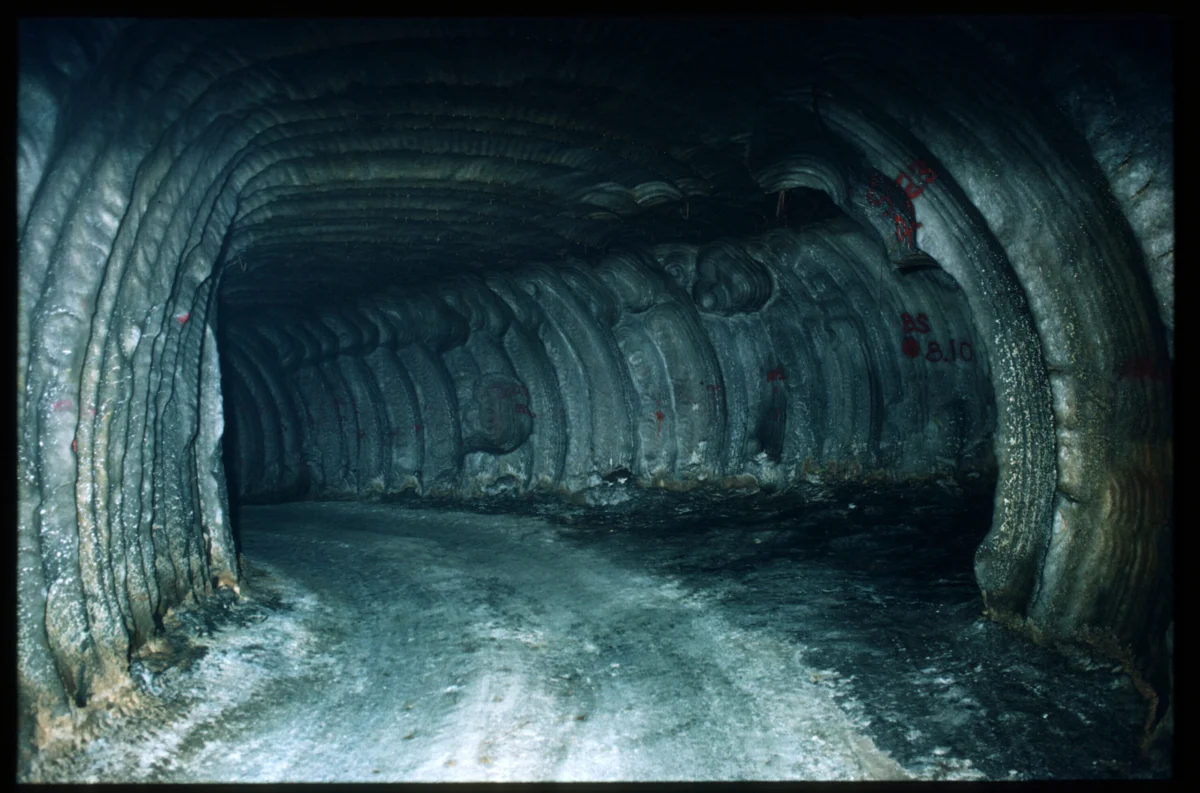
The Strategic Petroleum Reserve, established in the wake of the 1973-74 Arab oil embargo through the Energy Policy and Conservation Act (EPCA) of 1975, serves as the world’s largest emergency oil supply. Its primary mission is to protect the U.S. and its allies from severe oil supply disruptions. For decades, the SPR has been a silent guardian, a geopolitical lever, and an economic shock absorber, stabilizing markets during crises ranging from the Gulf War in 1991 to Hurricane Katrina in 2005, the Libyan Civil War in 2011, and most recently, the global market disruptions following Russia’s invasion of Ukraine in 2022. The 2022 drawdown, a historic 180 million barrels release, was the largest in its history, significantly depleting the reserve and bringing its inventory to levels not seen in 40 years. This rapid depletion has laid bare the vulnerabilities of an aging infrastructure and the critical need for a deeper understanding of its operational limits.
Inside the Mountain of Salt: An Engineering Marvel Under Strain
The SPR is a subsurface engineering marvel, a testament to human ingenuity. Spanning 60 massive underground salt caverns across four storage sites in Texas and Louisiana, the system boasts a combined authorized capacity of 714 million barrels. These caverns are not merely holes in the ground; they are meticulously crafted, solution-mined cavities, often 300 feet wide and 2,000 feet tall—large enough to stack the Empire State Building inside. The process of solution mining involves injecting fresh water into deep salt formations, dissolving the salt, and then extracting the resulting saturated brine. This creates incredibly stable, impermeable storage chambers deep within the earth.
The genius of salt dome storage lies in its unique geological properties: salt is self-healing, meaning small cracks or fissures tend to close under the immense pressure of the overlying earth, creating a natural, leak-proof seal for hydrocarbons. However, these caverns operate entirely on a liquid displacement system, meaning they can never be left truly empty. Crude oil, being lighter than water, floats atop a cushion of heavy salt brine. To extract oil, more brine is pumped into the bottom of the cavern, pushing the oil out through extraction pipes at the top. Conversely, to fill the cavern with oil, brine is withdrawn from the bottom. This delicate balance is critical. If the fluids were removed without replacement, the immense geological weight of the overlying earth would cause the salt domes to collapse inward like a crushed shield. Consequently, the total volume of fluid (crude oil plus brine) inside the reserve must be permanently maintained at 714 million barrels to ensure the structural integrity of the caverns.
The actual crude oil inventory, however, tells a sobering story. While the total fluid volume remains at capacity, the crude oil volume currently stands at approximately 293 million barrels. The remainder, a staggering 421 million barrels, is entirely heavy salt brine used to push the oil out. This means that while the caverns are physically "full" of fluid, their capacity for oil is severely diminished. Operating below this 300-million-barrel threshold, and especially near the 293-million-barrel mark, pushes the aging infrastructure into uncharted and hazardous territory, reducing its flexibility and increasing operational risks.
The Danger Zone: Physical Floors vs. Legal Reality
Understanding the SPR’s operational limits requires distinguishing between its absolute physical minimums and its legally mandated thresholds. According to the Department of Energy (DOE), the absolute physical minimum crude oil inventory is approximately 70 million barrels. This cushion is required at the very top of the caverns to keep the extraction pipes safely submerged in oil rather than the underlying brine. Dropping below this level risks "brine coning," where the upward flow of brine into the extraction pipe contaminates the oil, makes it unpumpable, and leaves a significant volume of crude permanently trapped and unrecoverable. This 70-million-barrel mark is the structural floor where the salt rock might physically hold together, but it is not a practical operational level.
The practical operational floor is much higher, around 250 million barrels. Operating anywhere near this bottom threshold effectively disables the reserve due to a combination of physical limitations and hard legal stops. Below this level, the ability to achieve emergency flow rates diminishes significantly, and the risk of damaging the infrastructure escalates.
More critically, under the Energy Policy and Conservation Act (EPCA), federal law places a strict statutory stop at 252.4 million barrels. This is not a suggestion; it is a hard legal barrier. Dropping below this number fundamentally alters the President’s authority. It prohibits the President from ordering routine, limited drawdowns—those designed to mitigate sudden supply shocks or economic disruptions without declaring a full-scale national emergency. Crossing this limit transforms the reserve from a flexible economic buffer into a restricted emergency asset requiring a severe domestic or international energy supply emergency declaration. This legal threshold, therefore, represents a critical point of no return for the SPR’s everyday utility.
The Subsurface Hazards of Rapid Drawdown
The core mission of the reserve is to support the market quickly during a crisis, often requiring rapid, high-volume releases. However, as the crude layer drops below 300 million barrels, and especially below 293 million barrels, the SPR physically loses its ability to pump oil at its originally designed rapid emergency speeds of around 4 million barrels per day. Attempting to do so triggers severe geomechanical, thermodynamic, and operational threats:
- Geomechanical Instability: Rapid pressure changes within the caverns, caused by fast oil extraction and brine injection, can induce significant stress on the salt dome structure. This can lead to fracturing, subsidence of the overlying land, or even partial cavern collapse. The cumulative stress from dozens of fill-and-drawdown cycles, far exceeding the original design, exacerbates this risk.
- Salt Dissolution from Freshwater Ingress: During rapid drawdowns, operators quickly exhaust their limited surface ponds of fully saturated brine. When this happens, they are forced to pump raw, fresh surface water into the caverns to maintain the necessary hydrostatic pressure. This fresh water, unsaturated with salt, aggressively dissolves the salt walls. Over time, this widens the cavern, dangerously thins the structural pillars between adjacent domes, and can create "rat holes" or "washouts" that compromise the overall stability of the storage site.
- Brine Coning and Oil Loss: As the oil layer thins at lower inventory levels, rapid pumping increases the risk of "brine coning." This phenomenon occurs when the underlying brine is drawn upwards into the oil extraction pipes, contaminating the crude oil stream and reducing the amount of recoverable oil. It can also lead to significant volumes of brine being delivered to refiners, causing operational issues and product contamination.
- Equipment Damage and Wear: High-speed pumping places immense strain on the SPR’s aging pumps, valves, and pipelines. Increased friction, vibration, and the potential for entrained salt particles can cause premature wear, costly breakdowns, and extended repair times, further limiting the reserve’s ability to respond effectively.
- Thermodynamic Effects: Rapid extraction can cause a significant drop in temperature within the caverns. For heavier crude oils, this can increase viscosity, making the oil more difficult to pump efficiently and potentially reducing flow rates even further.
- Increased Monitoring Challenges: Lower oil levels and altered cavern geometries make it harder to accurately monitor cavern integrity, oil-brine interface, and potential structural weaknesses using existing sonar and seismic technologies.
The Ticking Clock: Infrastructure on Borrowed Time
The SPR infrastructure was primarily built in the 1970s and 1980s with an initial 25-year design life, engineered to safely handle only five complete fill and drawdown cycles. Over the last forty years, it has been forced to execute dozens of these cycles, far exceeding its intended operational lifespan and stress limits. This cumulative strain, combined with deferred maintenance and the aggressive 2022 drawdown, has left the system vulnerable.
With an inventory of roughly 293 million barrels, only about 40.6 million barrels remain before hitting the 252.4-million-barrel statutory limit. While the reserve was originally engineered with a maximum drawdown capacity of 4.4 million barrels per day, high-speed pumping is now a direct trigger for cavern collapse and equipment ruin, as it necessitates the use of fresh water and induces severe geomechanical stresses.
Consequently, operators must severely choke back extraction speeds. A safe, conservative rate is now between 500,000 and 750,000 barrels per day. At 500,000 barrels per day, extracting the remaining 40.6 million barrels means the reserve can operate for roughly 81 days before hitting the legal floor. At 750,000 barrels per day, it hits the wall in just over 54 days. Pushed to 1 million barrels per day, it crosses the line in approximately 40 days. These figures highlight the extremely limited window of opportunity for any significant, non-emergency drawdown.
The Way Forward: Navigating the Limits
To extract the remaining crude without destroying the infrastructure and to restore the SPR’s efficacy, operators must enforce strict engineering controls and policymakers must consider long-term strategic investments:
- Strict Engineering Controls and Gradual Drawdown: Any future drawdowns must prioritize cavern integrity over speed. This requires continuous, real-time monitoring using advanced seismic, sonar, and pressure sensors to detect any signs of instability or salt dissolution. Drawdown rates must be carefully managed to prevent rapid pressure changes and minimize the use of fresh water.
- Optimized Brine Management: Significant investment is needed in infrastructure to produce and recirculate fully saturated brine. This includes constructing new brine production wells, storage ponds, and pipelines, ensuring that fresh water is rarely, if ever, used for displacement. This is paramount to halting the destructive dissolution of cavern walls.
- Proactive Maintenance and Modernization: A comprehensive program for inspection, repair, and modernization of wellbores, pipelines, pumps, and surface facilities is critical. This could include relining wellbores, upgrading pumping stations, and implementing predictive maintenance technologies to prevent catastrophic failures.
- Strategic Replenishment: Restoring the SPR’s inventory is vital, but equally important is the how. Replenishment should be conducted strategically, taking advantage of lower oil prices to buy back crude and refill the caverns without unduly stressing infrastructure or distorting markets. Long-term contracts and clear procurement strategies are essential. The Bipartisan Infrastructure Law of 2021 included funding for SPR maintenance and upgrades, but continuous, targeted investment is needed.
- Legislative Review and Flexibility: Policymakers should consider reviewing the EPCA’s statutory limits in light of current operational realities. Adjusting the 252.4-million-barrel threshold, or creating new categories for presidential authority that account for infrastructure limitations, could provide greater flexibility without compromising national security.
- Diversification of Energy Security: While the SPR remains crucial, a broader strategy for energy security must also involve accelerating domestic energy production, investing in renewable energy sources, enhancing energy efficiency, and strengthening international energy partnerships to reduce reliance on volatile global oil markets.
The 252.4-Million-Barrel Wall: A Legal and Strategic Impasse
The Energy Policy and Conservation Act enforces a strict statutory floor of 252.4 million barrels, a limit that fundamentally dictates how the President can use the reserve. Under current law, the President has the flexibility to order a limited drawdown, releasing up to 30 million barrels over a 60-day period, to mitigate sudden supply shocks without declaring a full-scale national emergency. This "limited drawdown" authority is an invaluable tool for market stabilization and preventing minor disruptions from escalating.
However, this flexibility is completely revoked if the reserve falls below the 252.4-million-barrel mark. Once the inventory crosses that hard threshold, the law explicitly prohibits these routine limited drawdowns. Below that line, oil can only be legally released if the President formally declares a severe domestic or international energy supply emergency. Crossing this statutory limit instantly transforms the reserve from an economic buffer, a flexible instrument of market policy, into a highly restricted, last-resort asset. This not only signals a much graver crisis to global markets but also significantly constrains the President’s ability to proactively manage energy challenges.
The Strategic Petroleum Reserve is rapidly losing its physical ability to act as an immediate economic buffer. We are no longer limited merely by how much oil is left in the ground, but by the physical and engineering limits of how fast the earth will let us take it out. The "300 million barrels" moment is a stark reminder that America’s energy security hinges on understanding and respecting these subterranean boundaries, demanding urgent attention and strategic investment to safeguard this vital national asset for future crises.
Disclaimer: The views and opinions expressed in this article are those of the author and do not necessarily reflect the official policy or position of Texas A&M University.
The opinions expressed in Fortune.com commentary pieces are solely the views of their authors and do not necessarily reflect the opinions and beliefs of Fortune, or of Texas A&M University.
