
 By admin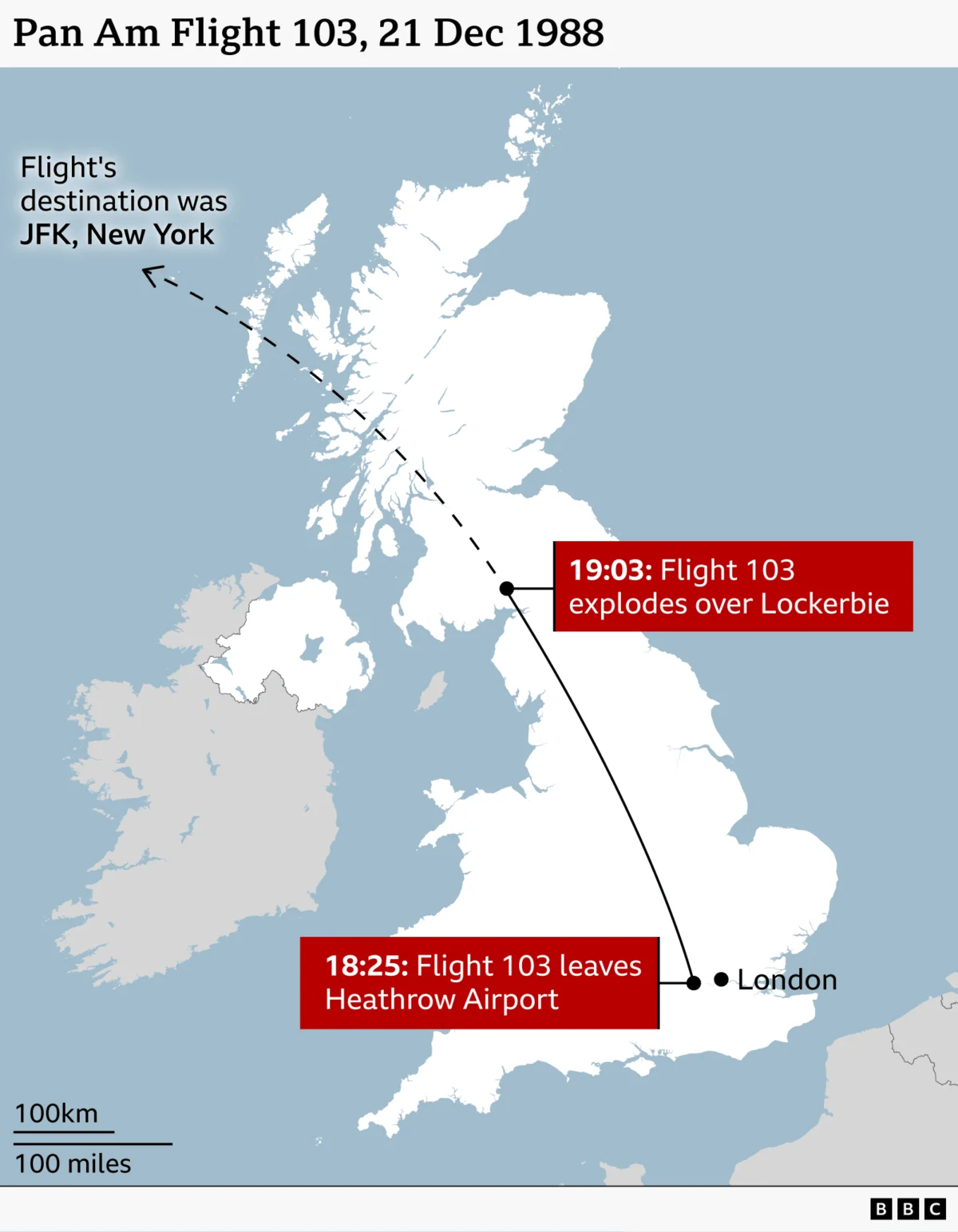
The trial of Abu Agila Mohammad Kheir Al-Marimi, the Libyan man accused of constructing the bomb that destroyed Pan Am Flight 103, has been postponed for a third time. The judicial process, already fraught with delays, was once again halted after the emergence of "newly discovered evidence" just three days prior to the scheduled commencement of jury selection in Washington D.C. The trial, which was slated to begin jury selection on Wednesday, has now been rescheduled for January of the following year, a decision that underscores the significant implications of the recently unearthed information.
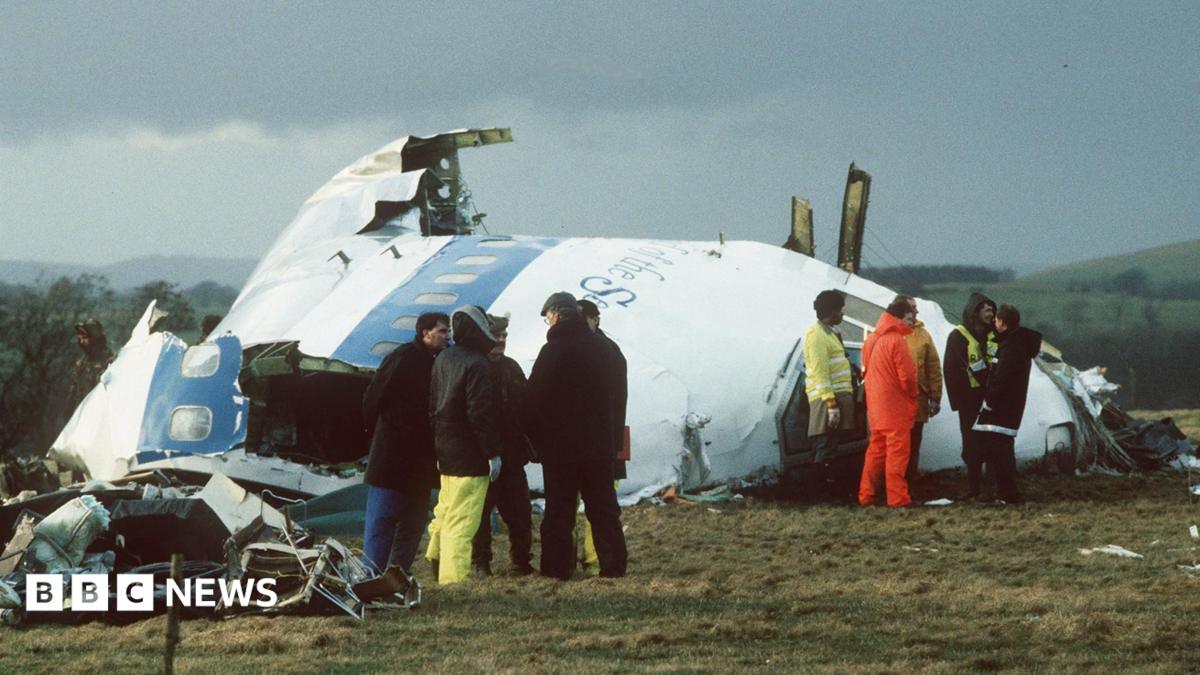
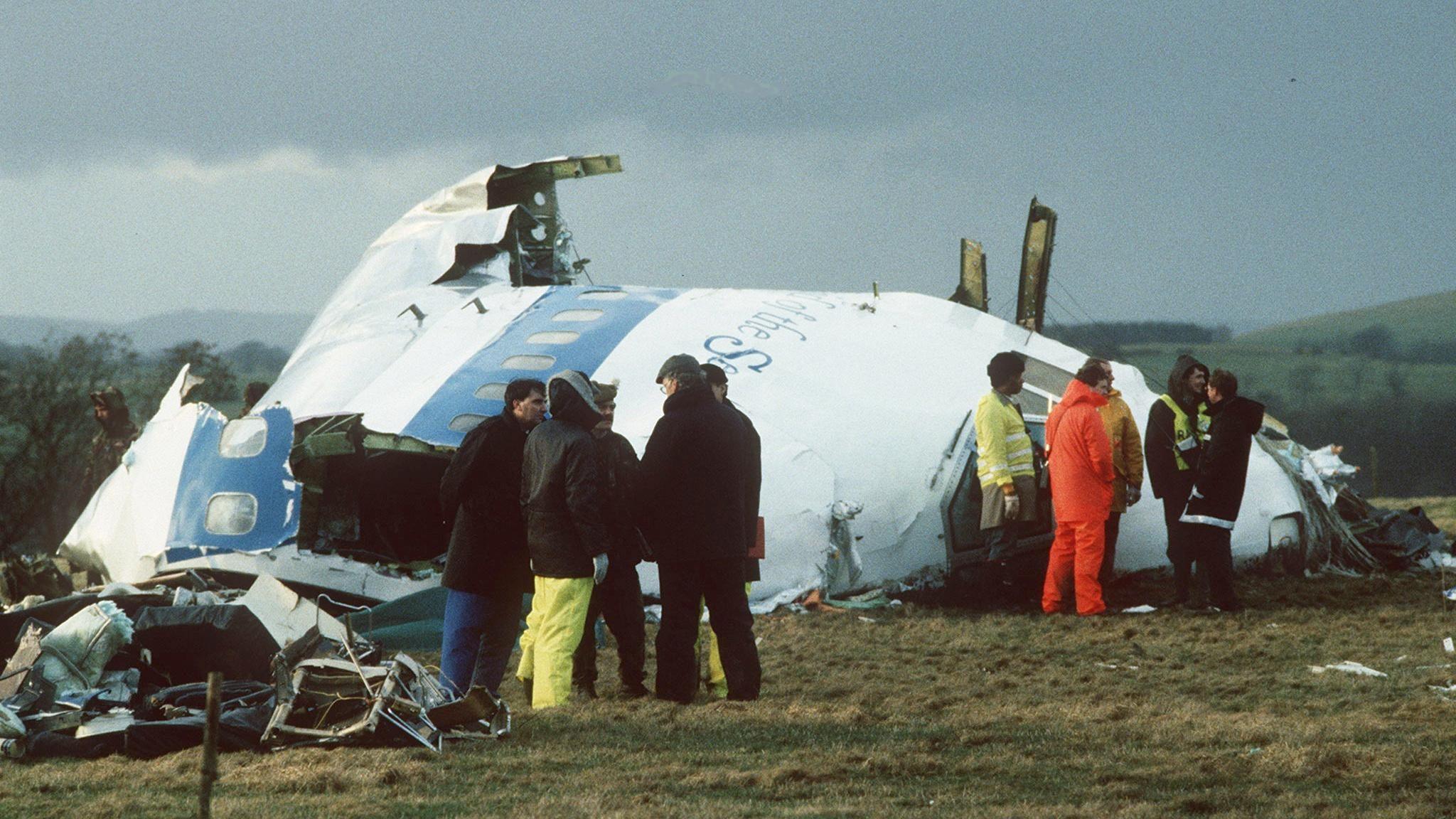
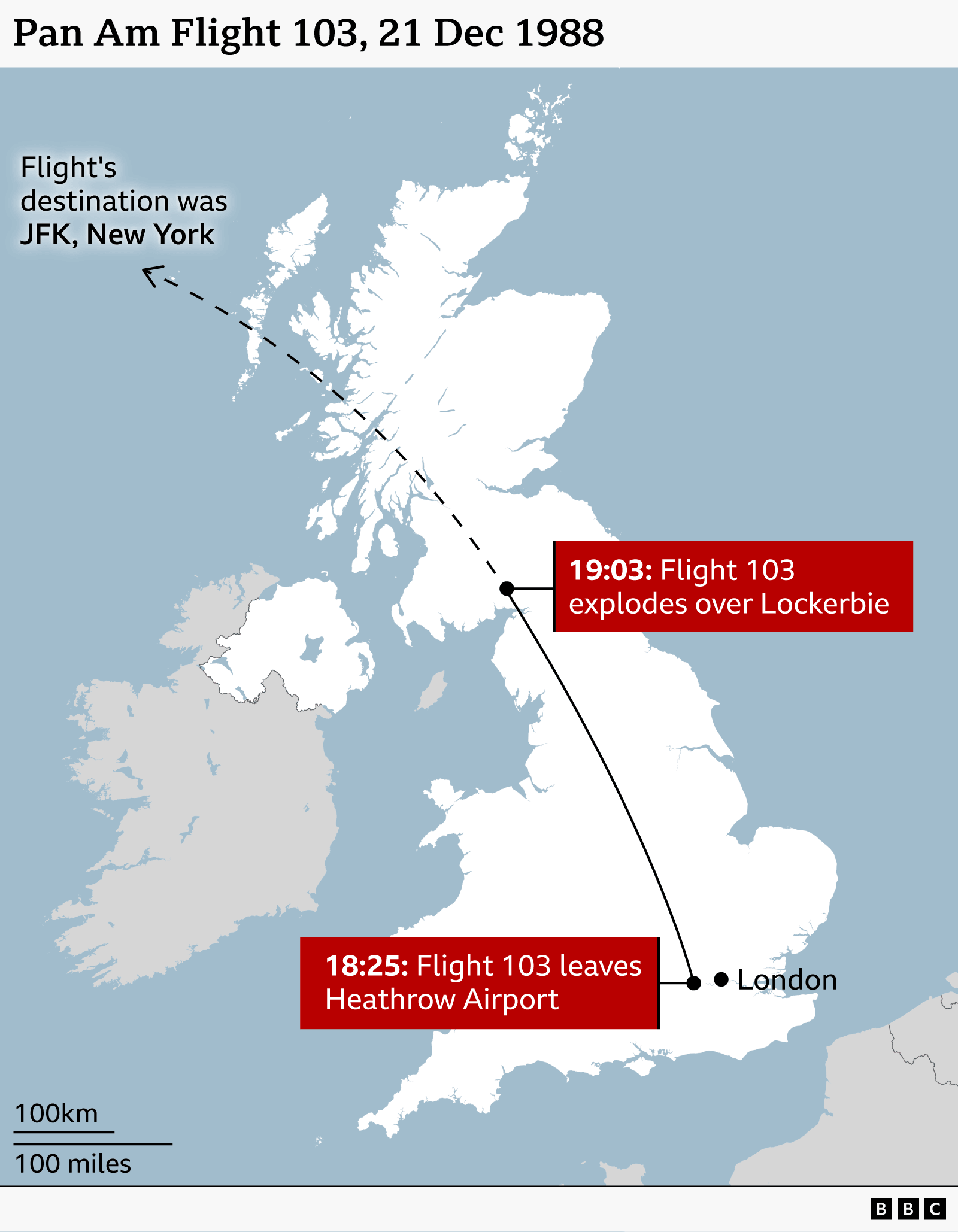
Al-Marimi stands accused of playing a direct role in the catastrophic bombing of Pan Am Flight 103 on December 21, 1988, an act of terror that claimed the lives of all 270 people on board and an additional 11 on the ground in Lockerbie, Scotland. The victims comprised 190 Americans and 43 Britons, making it the deadliest terrorist attack and mass murder in British history. The prosecution alleges that Al-Marimi was instrumental in building the explosive device that shattered the aircraft at an altitude of 31,000 feet.
The defense team for Al-Marimi informed the court that the newly revealed evidence was previously unknown to both their legal representatives and the United States government prosecutors. This revelation, which surfaced on Friday, August 21st, has compelled the defense to investigate its implications thoroughly, citing constitutional and ethical obligations. Al-Marimi himself, according to his lawyers, has agreed to the request for a postponement after being briefed on the developments.
The trial judge, Dabney Friedrich, has acknowledged the potential gravity of the new evidence by agreeing to set aside the original start date. This decision signifies a departure from the usual reluctance to grant last-minute postponements, especially after months of meticulous preparation and protracted pre-trial legal battles. For the families of the victims and for Al-Marimi himself, this latest delay prolongs the agonizing wait for a verdict, pushing a resolution potentially into the spring of next year. This development adds another layer of complexity to a case that has endured nearly four decades of investigation, legal maneuvering, and enduring grief.
The initial trial date was May 2025, but it was also vacated due to a joint request from the prosecution and defense, citing the case’s complexity and Al-Marimi’s reported ill health. The subsequent rescheduling to April of this year was also aborted when the defense sought additional time to prepare their case. Al-Marimi has been in U.S. custody since December 2022, following his extradition.
The joint Scottish-U.S. investigation into the Lockerbie bombing has been ongoing since the incident in December 1988. Prosecutors from the Crown Office and Procurator Fiscal Service, along with detectives from Police Scotland, were poised to travel to Washington D.C. to participate in the trial. Scottish witnesses were expected to be among the first to provide testimony. Laura Buchan, head of the Lockerbie investigation team at the Crown Office and Procurator Fiscal Service, acknowledged the disappointment this adjournment would cause for the families and those who have followed the case. She emphasized the continued commitment of Scottish prosecutors and police officers to supporting the pursuit of justice, despite the proceedings being led by U.S. authorities.
The implications of the newly discovered evidence remain unclear, but its emergence has been significant enough to warrant a substantial delay. The defense’s assertion that the evidence was previously unknown to them suggests it could potentially alter the narrative or introduce new lines of inquiry. In a case of such historical magnitude and complexity, any new information, particularly if it pertains to the construction of the bomb or the individuals involved, could have profound consequences for the legal proceedings.
The Lockerbie bombing, an act of unspeakable brutality, has cast a long shadow over international relations and the pursuit of justice for victims of terrorism. The original investigation culminated in the conviction of Abdelbaset al-Megrahi, a Libyan intelligence officer, by a Scottish court sitting at Camp Zeist in the Netherlands in May 2000. He was found guilty of mass murder and the destruction of an aircraft, while two co-accused were acquitted. Al-Megrahi was sentenced to life imprisonment but was later released on compassionate grounds in 2009 after being diagnosed with terminal cancer. He died in Libya in 2012, maintaining his innocence until the end.
The conviction of al-Megrahi was based on evidence that suggested the bombing was an act of state-sponsored terrorism carried out by members of the Libyan intelligence service. However, questions have persisted over the years, with some advocating for further investigation into who else might have been involved and the extent of state involvement. The current trial of Al-Marimi represents a renewed effort by the United States to bring another individual to justice for their alleged role in the attack.
Campaigner Kara Weipz, president of the Victims of Pan Am Flight 103 group, expressed her shock at the latest postponement. She conveyed her hope that older relatives of the victims would remain healthy enough to witness the trial when it eventually takes place. Weipz stated that her primary goal has always been for as many family members as possible to witness the proceedings and gain a fuller understanding of the truth. She believes that if the new evidence contributes to uncovering more truth, then the additional waiting time will be justified. "If that’s what this evidence brings, that’s what the families have been fighting for for almost four decades – we want the truth, we want to know what happened – and if that’s what this brings then this time will be worth it," she told BBC Radio Scotland.
Dr. Jim Swire, whose daughter Flora was among the victims, suggested that the delay might prove beneficial if it leads to a more thorough examination of the evidence. He has consistently advocated for the truth and believes that any postponement that allows for a more complete assembly of evidence is welcome. Dr. Swire noted that the judge’s apparent insistence on greater care in evidence assembly is a positive development. "For many years, we’ve been offering only one thing, and that is the truth," he stated. "If each delay allows the court to assemble more of the true evidence, I am all in favour of it. The judge seems to have stuck her oar in and insisted on further care being taken about the assembly of evidence, and if so, that is good news."
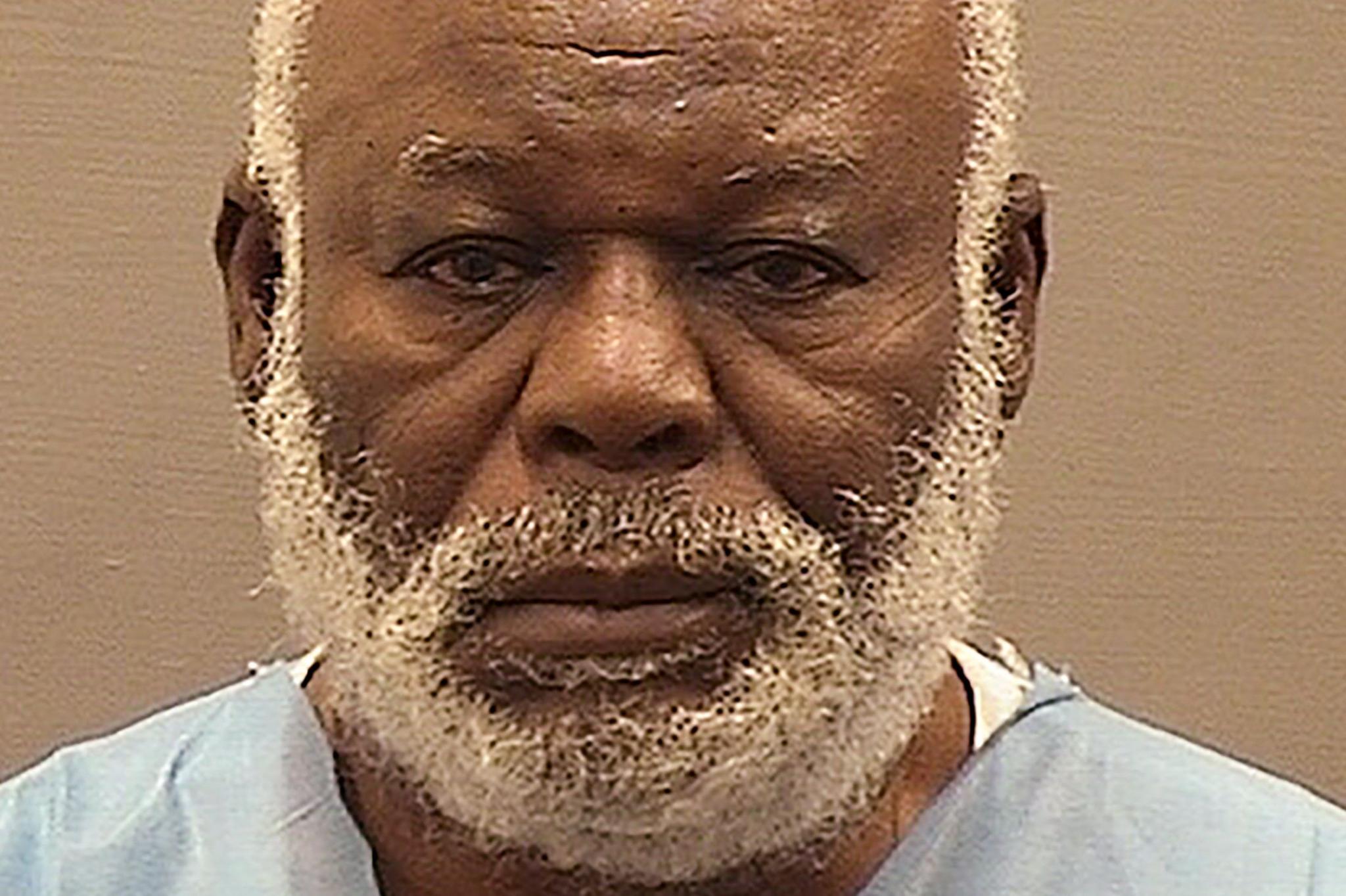
Al-Marimi, described as a grandfather in his 70s, is accused of collaborating with the two Libyans who faced the Scottish court in 2000. The original trial at Camp Zeist, a former U.S. air force base in the Netherlands, spanned eight months. The three judges who presided over that case concluded that the atrocity was an act of state-sponsored terrorism orchestrated by Libyan intelligence.
The current legal proceedings in the U.S. are a continuation of this long-standing pursuit of justice. The allegations against Al-Marimi center on his alleged role in the manufacturing and planting of the bomb. The defense’s insistence on investigating the "newly discovered evidence" highlights the critical nature of such disclosures in legal proceedings, particularly in cases involving terrorism where the stakes are extraordinarily high and the passage of time can sometimes obscure crucial details.
The postponement of the trial serves as a stark reminder of the enduring complexities and challenges inherent in prosecuting long-ago acts of terrorism. It also underscores the dedication of those seeking justice, whether they be legal professionals, investigators, or the families of the victims who have tirelessly campaigned for accountability for nearly four decades. The world watches and waits as this protracted legal battle continues, hoping that the truth, however long it takes to emerge, will ultimately prevail. The coming months will be critical as both the prosecution and defense grapple with the implications of the new evidence, aiming to ensure that justice, when it is finally served, is not only done but is demonstrably seen to be done.
