
 By admin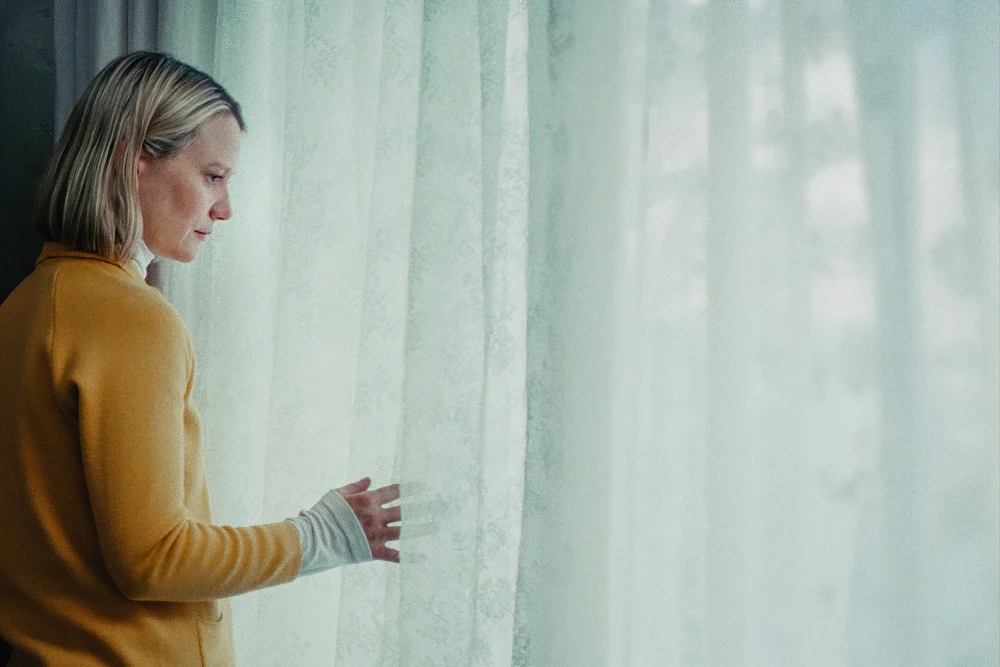
The international film sales landscape is abuzz with the announcement that French distributor MMM Film Sales has acquired the global rights to the highly anticipated Australian drama, "Agata the Writer." This marks a significant international debut for the film, which is slated to have its world premiere in competition at the prestigious Venice Film Festival, specifically within the acclaimed Venice Days section. The casting of acclaimed actress Mia Wasikowska in the titular role of Agata has further amplified anticipation, promising a nuanced and compelling performance.
"Agata the Writer," directed by the multi-talented filmmaker and artist Kuba Dorabialski, is a testament to the burgeoning talent within the Australian cinematic scene. The film is produced by Alex White, an industry figure whose previous success with the critically lauded "Babyteeth" has set a high bar for his subsequent projects. White’s involvement suggests a commitment to artistic integrity and a knack for identifying projects with significant storytelling potential. The production team’s pedigree, combined with the festival selection, positions "Agata the Writer" as a strong contender for critical attention and audience engagement on the international stage.
The narrative of "Agata the Writer" delves into the complex psyche of Agata, a Polish-Australian novelist embarking on a profound journey. Her quest takes her from the vibrant cityscape of Sydney to the historically charged landscape of Sarajevo, with the explicit intention of penning a novel about war. However, her endeavor is far from straightforward. As Agata immerses herself in gathering material and understanding the complexities of the conflict, she encounters resistance from the very locals she seeks to portray. These interactions are not merely passive observations; they are direct challenges to her motives, her understanding of the history, and her very right to interpret and represent the painful experiences of others. This thematic core of cultural appropriation and the ethics of storytelling in the face of lived trauma promises to be a central pillar of the film’s dramatic tension.
As Agata grapples with the mounting creative uncertainty and the ethical dilemmas she faces, a peculiar and unsettling mystery begins to unfold. The disappearance of a series of provocative and seemingly obscene artworks adds another layer of intrigue to her journey. These lost pieces of art are not just objects; they represent a disruption, a challenge to the established order, and perhaps a coded message within the very fabric of the city Agata is trying to understand. The film uses this unfolding mystery not as a mere plot device, but as a catalyst for Agata’s deeper self-reflection. Through her personal odyssey, "Agata the Writer" artfully reveals that the novel Agata is striving to write is not a straightforward account of warfare. Instead, it evolves into an exploration of the quiet, often overlooked human moments of resilience that persist in the shadow of conflict. This shift in focus underscores a profound understanding of storytelling as a means to connect with shared humanity rather than simply document historical events. Ultimately, Agata’s journey leads her to a more profound understanding of the art of storytelling itself and the significant ethical responsibilities that accompany the role of a storyteller. This philosophical undercurrent elevates the film beyond a simple narrative to a meditation on art, memory, and the human condition.
The MMM Film Sales team articulated their enthusiastic embrace of the project, stating, "We were immediately drawn to ‘Agata the Writer’ for its unique voice and its fascinating reflection on how we engage with history and memory." Their statement highlights the film’s distinct artistic perspective and its ability to provoke contemplation on universally relevant themes. They further elaborated on Mia Wasikowska’s pivotal role, noting, "Mia Wasikowska perfectly embodies the role of Agata, a writer returning to her home continent, seeking to understand and reconnect with the wounds of the recent past, and with the ways in which unresolved conflicts continue to echo in the present." This praise for Wasikowska’s performance suggests an intrinsic connection to the character and a powerful portrayal of a complex emotional landscape. The team’s assessment of Dorabialski’s direction is equally compelling: "Kuba Dorabialski has crafted a film that is both playful and thought-provoking, questioning the relationship between storytelling, identity and responsibility." This description promises a cinematic experience that is not only intellectually stimulating but also engaging on an emotional level, exploring the intricate interplay between the stories we tell, who we are, and the moral obligations inherent in their creation.
"Agata the Writer" is a collaborative effort, brought to life by Whitefalk Films and Produktion Productions. The film’s ambitious scope and artistic vision have garnered significant financial backing from key institutions. Principal production funding was provided by Screen Australia, a national agency dedicated to supporting and promoting Australian film. Further financial support, crucial for bringing such a nuanced project to fruition, came from Creative Australia, an organization that fosters artistic and cultural development, and the Adelaide Film Festival Investment Fund, demonstrating a commitment to nurturing bold and original cinematic voices. This robust financial backing from reputable bodies underscores the perceived artistic merit and potential of "Agata the Writer."
The success of producer Alex White with "Babyteeth" serves as a significant benchmark and a powerful indicator of the quality audiences can expect from "Agata the Writer." "Babyteeth," which also premiered in competition at the Venice Film Festival, garnered considerable international acclaim, including the prestigious Marcello Mastroianni Award. Its impact resonated widely within the Australian film industry, earning a remarkable 13 nominations at the Australian Academy (AACTA) Awards, of which it secured nine, including top honors for best film, director, and screenplay. The film’s international reach was further solidified by a BAFTA Award nomination for best director in 2021. Furthermore, "Babyteeth" received accolades from the Australian Directors Guild, winning the award for best direction, and garnered a British Independent Film Award nomination for best international film. This track record of critical and commercial success associated with White and his previous projects provides a strong foundation of trust and expectation for "Agata the Writer."
Director Kuba Dorabialski’s artistic background is as multifaceted as his filmmaking approach. Born in Wrocław, Poland, and now based in Sydney, Australia, Dorabialski has established a significant reputation as an artist with a diverse practice. His work has been exhibited extensively both domestically and internationally, demonstrating a keen visual sensibility and a capacity for impactful artistic expression. He has received prestigious accolades such as the John Fries Award in 2017 and the Fisher Ghost Art Prize in 2019, further cementing his status as a respected figure in the contemporary art world. In 2021, Dorabialski presented his first major institutional solo exhibition at Carriageworks, a significant contemporary art space in Sydney. The exhibition featured "Connection of the Sticks," a long-form video work that premiered within the FLUX: Art + Film program at the Sydney Film Festival in 2023. "Agata the Writer" represents a pivotal moment in Dorabialski’s career, marking his debut feature film and allowing him to translate his unique artistic vision and thematic preoccupations onto the cinematic canvas. His background in visual arts undoubtedly informs his directorial style, promising a film that is not only narratively compelling but also visually distinctive and thematically rich. The convergence of his artistic sensibilities with a compelling narrative and a stellar cast positions "Agata the Writer" as a film with the potential to leave a lasting impression on audiences and critics alike.
