
 By admin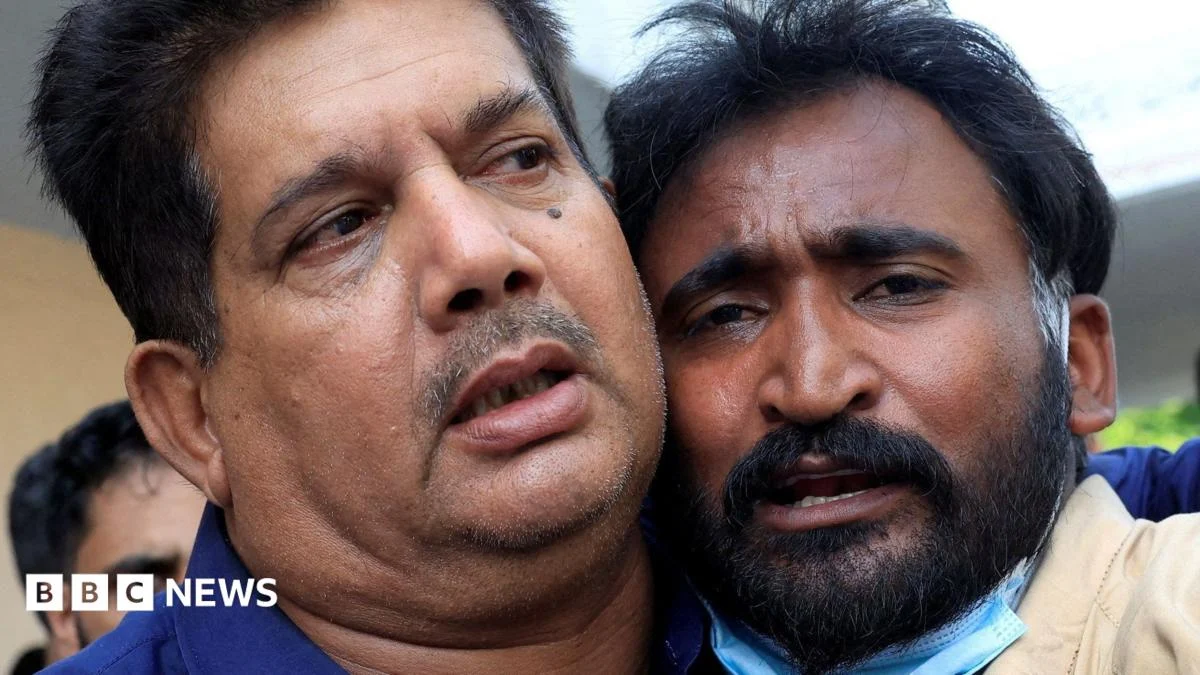
A catastrophic fire that erupted in the early hours of Wednesday morning at the Pakistan Institute of Medical Sciences (PIMS) maternity ward in Islamabad has resulted in the heart-wrenching deaths of 14 infants. The inferno, which eyewitnesses claim saw rescue services arrive hours late, has ignited widespread grief and outrage, with distraught parents recounting harrowing tales of helplessness and despair as they waited in vain for assistance. The incident has once again thrust the critical issue of healthcare infrastructure safety and emergency response protocols in Pakistan into the spotlight, raising urgent questions about accountability and the protection of vulnerable populations.
Hivsa Walid, who was present in the vicinity of the maternity ward at the time of the blaze, described the terrifying moments leading up to the discovery of the fire. She was accompanying her sister-in-law, who had recently given birth, when she first heard a shout. Initially mistaking it for a patient’s medical emergency, the situation quickly escalated as smoke began to fill the air. "We didn’t even think about our belongings," Walid recounted, her voice trembling with residual fear. "We just grabbed the baby and rushed downstairs." The baby she referred to, a fragile newborn so young she has yet to be given a name, was whisked to safety by the quick-thinking relatives. "Some patients had delivered their babies just that night," Walid added, her memory a blur of panic. "I don’t even know how we managed to get down – it was all a blur."
The fire is understood to have originated from a faulty air-conditioning unit on the third floor of the mother and child unit at PIMS, one of Islamabad’s premier state-run hospitals. The ward, a sanctuary for new life, tragically became a scene of devastation. Of the 15 infants present when the fire broke out, a mere one was successfully rescued. The overwhelming loss has left families shattered and communities in mourning.
Khurram Mehmood, a grieving father who lost his three-day-old daughter in the blaze, spoke with palpable anguish to AFP news agency. He highlighted the agonizing wait for emergency responders, a delay that proved fatal for his child and many others. "I lost my daughter. She was only three days old," he stated, his words heavy with the weight of his unimaginable loss. The sentiment of abandonment and prolonged suffering was echoed by Jaweria, the mother of another infant victim. She claimed that the door to the maternity ward was locked, exacerbating the chaos and hindering any immediate escape attempts.
"For two hours I kept crying and wailing," Jaweria recounted, her voice thick with emotion. "Police arrived after four hours and said they are here to investigate." Her distress turned to searing anger as she questioned the system that allowed such a tragedy to unfold. "Why did the doctors leave the children there?" she demanded, her voice rising in a cry of anguish. "To hell with you, rescue team and police. Babies burnt to death there, but nobody could save them." Her words encapsulate the profound sense of betrayal and helplessness felt by many parents who entrusted their most precious possessions to the care of the hospital.
In response to the allegations of a locked door and delayed response, Rana Imran Sikander, the hospital’s executive director, offered a different account to the BBC. He stated that the ward’s door was not locked but was, in fact, manned. Sikander explained that the security measure was in place to prevent the theft of babies, an unfortunate reality that has occurred in government hospitals in the past. This explanation, however, does little to assuage the anger of parents who believe their children could have been saved if access had been easier or if evacuation procedures had been more efficient.
Further contradicting the eyewitness accounts of delayed arrival, Islamabad’s Chief Commissioner Sohail Ashraf informed AFP news agency that rescue teams reached the scene "immediately" after the emergency call was made. These conflicting statements create a disquieting picture, leaving room for doubt and fueling speculation about the true timeline of events and the efficacy of the emergency response system.
PIMS, a sprawling institution, is one of the largest hospitals in Pakistan’s capital, boasting a 156-bed maternal and child health unit. The sheer scale of the facility, coupled with the devastating outcome, underscores the systemic failures that may have contributed to the tragedy. The incident at PIMS is not an isolated event in Pakistan’s recent history. The nation has grappled with a series of high-profile fires in recent years, with recurring issues of inadequate safety regulations, unenforced building codes, and a general laxity in oversight frequently cited as reasons for the alarmingly high death tolls.
A stark reminder of these recurring safety lapses was the fire that claimed dozens of lives at a Karachi shopping mall in January of this year. Survivors of that horrific incident reported that locked exits were a significant factor in the high number of fatalities, highlighting a pattern of negligence that seems to persist despite such devastating consequences. The parallels drawn between the mall fire and the PIMS tragedy underscore a critical need for a fundamental overhaul of safety standards across public institutions.
In the wake of the PIMS inferno, Prime Minister Shehbaz Sharif has expressed his "deep sorrow and heartfelt regret" over the incident. A statement from his office indicated that he has instructed authorities to "conduct an immediate investigation" into the causes of the fire and the subsequent response. Demonstrating the gravity with which the government is treating the matter, Prime Minister Sharif has also suspended Federal Health Secretary Aslam Ghauri, a senior official within the health department, pending the outcome of the investigation. The Prime Minister’s office acknowledged the profound and irreparable nature of the loss, stating, "Such a situation with children is irreparable."
The investigation will undoubtedly scrutinize the fire safety measures in place at PIMS, including the maintenance of electrical systems, the availability and functionality of fire suppression equipment, and the adherence to evacuation protocols. Furthermore, the response of emergency services, including the fire brigade and medical teams, will be a critical focus. The conflicting accounts regarding the timing of their arrival and the accessibility of the ward necessitate a thorough and transparent inquiry.
Beyond the immediate investigation, this tragedy demands a broader societal reflection on the value placed on human life, particularly that of vulnerable children, within Pakistan’s healthcare system. The recurring failures in safety and oversight suggest a deeply ingrained problem that requires more than just administrative changes. It calls for a cultural shift towards prioritizing safety, investing in robust infrastructure, and ensuring strict accountability for negligence.
The testimonies of parents like Khurram Mehmood and Jaweria serve as powerful indictments of a system that appears to have failed them at their most critical hour. Their grief is amplified by the questions of "what if" and the knowledge that their children’s lives might have been saved with a more responsive and effective system. The loss of 14 innocent lives is a wound that will take a long time to heal, and the scars of this tragedy will undoubtedly serve as a stark reminder of the urgent need for comprehensive reforms in Pakistan’s healthcare infrastructure and emergency preparedness. The international community will be watching closely to see if this devastating event spurs the meaningful and lasting change that is so desperately needed.
