
 By admin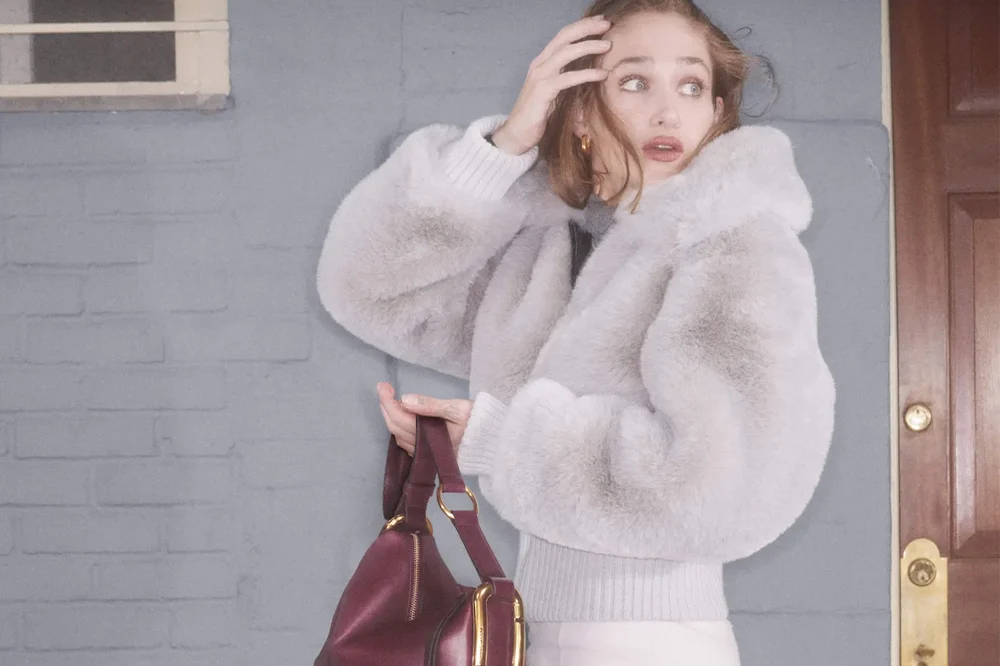
Marc Jacobs is boldly venturing into the realm of cinematic storytelling for its Fall 2026 campaign, unveiling "The Swap," a captivating scripted micro-drama designed to intertwine fashion with narrative art. This ambitious project sees acclaimed actresses Jemima Kirke and Rowan Blanchard taking center stage, their accidental handbag mix-up igniting a thrilling chase across the vibrant landscape of New York City. Adding a touch of theatrical flair, the celebrated playwright and actor Jeremy O. Harris makes a notable cameo appearance, further cementing the campaign’s commitment to a multifaceted artistic vision.
"The Swap" is the latest iteration of Marc Jacobs’ ongoing "Question Marc" initiative, a strategic endeavor aimed at dissolving the traditional boundaries between the fashion industry and the broader entertainment world. This serialized storytelling approach has proven to be a powerful tool for engaging audiences on a deeper, more emotional level, allowing the brand to transcend mere product placement and instead foster a connection through compelling narratives. This latest installment follows the success of "The Scene," a previous short film set in Manhattan, which was masterfully written and performed by Rachel Sennott earlier in April. The "Question Marc" series, in essence, transforms the advertising campaign into a form of accessible, engaging entertainment, making the brand’s collections integral to the unfolding stories.
The narrative of "The Swap" unfolds in the immediate aftermath of a high-energy Marc Jacobs runway show, a milieu where fashion, celebrity, and a palpable buzz of excitement converge. It is within this electrifying atmosphere that Kirke and Blanchard, positioned near each other, find themselves in possession of each other’s belongings. Both actresses are seen carrying the iconic "Scene Bags," which are virtually identical, leading to the pivotal mix-up. This seemingly minor error becomes the catalyst for an intricate and visually dynamic plotline, propelling the two actresses on intersecting journeys through the bustling streets and iconic locales of New York. As they delve into the contents of the swapped bags, they begin to construct imagined personas of their respective owners, a process that reveals not only the contents of the bags but also the inner lives and aspirations of the individuals they represent. This narrative device allows the campaign to subtly highlight the personality and individuality that can be expressed through the accessories and the way they are curated by their owners.
In an exclusive conversation with Variety, Jemima Kirke shared insights into her personal approach to carrying everyday essentials, reflecting on the evolution of her own habits. "I’ve always carried the same things with me," Kirke divulged, offering a glimpse into her consistent personal rituals. "What’s changed is that I no longer need most of this stuff. Other than lipstick and candy. There’s nothing that my phone can’t handle, but I do it anyway out of habit and ritual." This sentiment speaks to the enduring power of tactile objects and personal routines in an increasingly digital world. Her typical carry-all, she elaborated, comprises a well-worn notebook, an assortment of pens, a meticulously organized calendar book, her signature lipstick, a book for moments of quiet reflection, essential hand cream, her keys, a wallet that she describes as “massive,” and, of course, a selection of candies. This detailed inventory underscores a penchant for preparedness and a certain nostalgic attachment to tangible items, even in an age where digital alternatives abound.

However, this personal consistency in Kirke’s daily life stands in stark contrast to the stylistic choices of Jessa, her famously bohemian character from the critically acclaimed HBO series "Girls." When questioned about whether she ever drew style inspiration from Jessa, whose free-spirited, vintage-laden ensembles became a defining sartorial signature of the show and a significant influence on fashion trends of the early 2010s, Kirke’s response was unequivocally direct. "No, not at all," she stated firmly, leaving no room for ambiguity. "Jessa’s look doesn’t appeal to me personally." This candid admission highlights the clear distinction between an actor’s on-screen persona and their private aesthetic preferences, demonstrating Kirke’s distinct personal style that diverges from the character she so memorably portrayed.
Kirke’s real-life experiences, particularly those encountered during Fashion Week, possess a certain chaotic, almost cinematic quality that could easily have been lifted from one of the more memorable and audacious episodes of "Girls." She recounted a particularly vivid anecdote from around 2014, during a Chanel fall show in Paris. The preceding night had involved a lively party with her cousin, which, in typical Kirke fashion, involved a rather spirited engagement with the festivities. "We helped ourselves to drinks from another group’s table," she admitted, painting a picture of a playful, albeit potentially disruptive, evening. The situation escalated when, according to Kirke, a confrontation ensued, culminating in an individual brandishing a broken bottle. "They were only able to make a scratch, but it was significant enough to get them kicked out," Kirke recalled with a hint of amusement. "Then we took their table and their booze." This story, filled with dramatic turns and a resourceful, defiant spirit, perfectly encapsulates the kind of larger-than-life scenarios that often define the fashion world and that "The Swap" campaign seeks to emulate through its narrative.
The emergence of "The Swap" campaign is indicative of a broader trend within the fashion industry, where luxury brands are increasingly investing in and producing original entertainment content. This strategic pivot sees fashion houses collaborating with actors, writers, and directors to create short films, episodic social media series, and intricate narrative projects. These ventures are designed to exist and thrive independently of the products they are ostensibly promoting, offering a more immersive and engaging way to connect with consumers. By creating content that resonates on an artistic and emotional level, brands can build a stronger brand identity and foster a deeper loyalty among their audience. The objective is to move beyond transactional relationships and cultivate a community of engaged followers who appreciate the brand’s creative vision.
Further installments of "The Swap" are slated for release throughout the fall season across Marc Jacobs’ various social media channels, promising to extend the narrative and continue the intrigue. The Fall 2026 collection, which serves as the thematic backdrop for this cinematic endeavor, is already available for purchase online, allowing consumers to engage with the brand both through its fashion offerings and its captivating storytelling. This integrated approach ensures that the campaign is not just a fleeting advertisement but a sustained engagement that builds anticipation and reinforces the brand’s commitment to innovation and artistic expression in all its forms. The campaign’s success hinges on its ability to create a world that is aspirational yet relatable, showcasing the Marc Jacobs brand not just as a purveyor of luxury goods, but as a curator of culture and a storyteller of modern life. The strategic integration of narrative into the fashion campaign allows for a more profound exploration of themes such as identity, connection, and the serendipitous moments that shape our lives, all while subtly highlighting the allure and functionality of the brand’s latest collection, particularly the covetable "Scene Bags." The choice of New York City as the backdrop further amplifies the campaign’s metropolitan chic and offers a familiar yet endlessly fascinating canvas for the unfolding drama. The city itself becomes a character, its diverse neighborhoods and iconic landmarks providing a dynamic and visually rich environment for Kirke and Blanchard’s escapades. This cinematic approach elevates the campaign from a mere showcase of products to a compelling piece of art that invites the audience to participate in the narrative and imagine themselves within the world of Marc Jacobs.
