
 By admin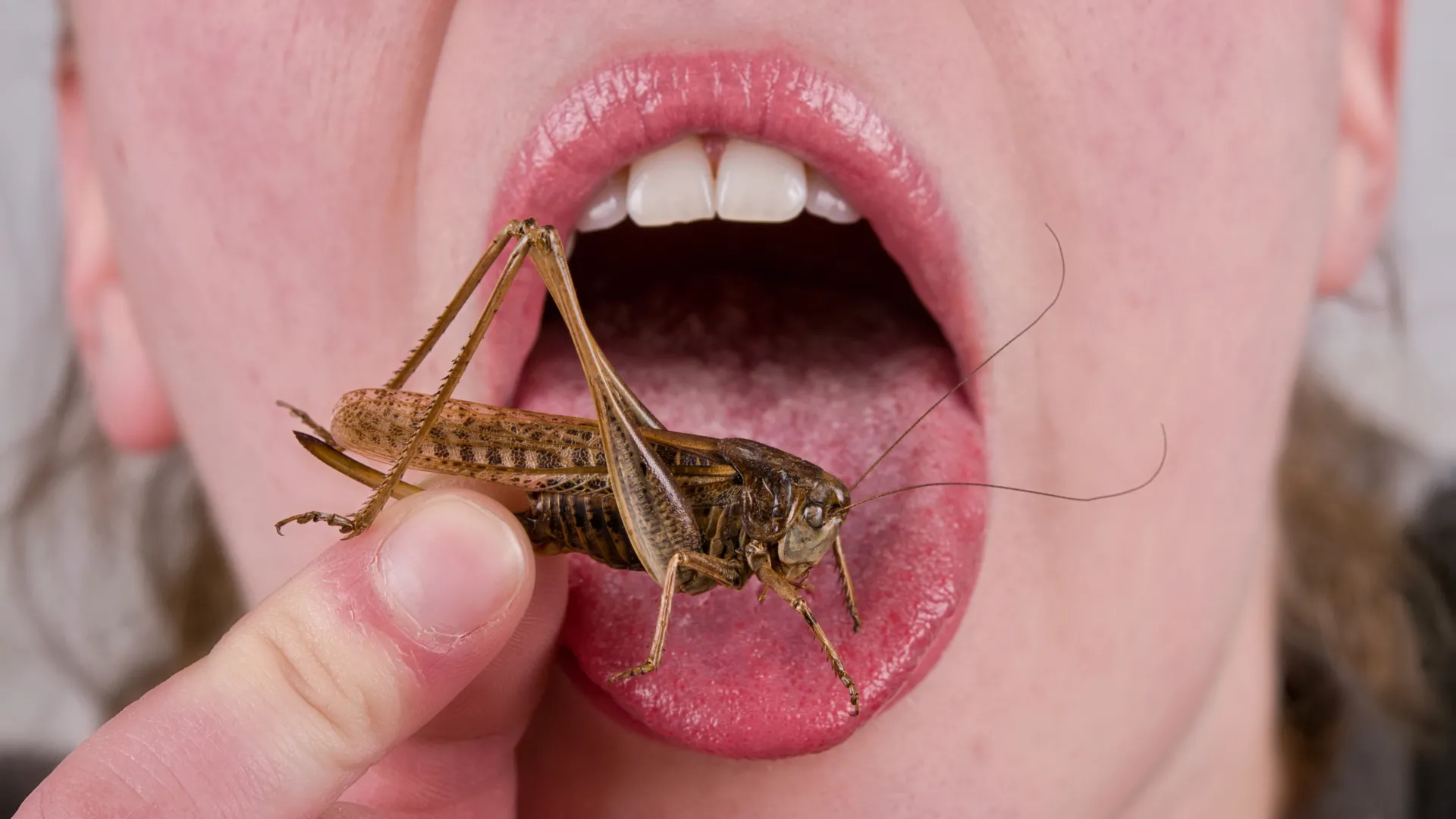
Even so, many Western societies remain strongly resistant to entomophagy, or eating insects, despite the fact that hundreds of millions of people around the world already include insects in their diets. This cultural aversion, often termed the "yuck factor," poses a significant barrier to the widespread adoption of insect-based foods in regions like Europe and North America. While cultural norms are frequently cited as the primary reason for this reluctance, the deep historical roots and potential evolutionary underpinnings of such dietary preferences have remained largely unexplored. Until now, scientists have lacked a comprehensive understanding of how far back this cultural divide goes or what other biological and ecological forces may have shaped it over millennia. This gap in knowledge has hindered efforts to effectively integrate insects into Western diets, as it leaves open questions about whether the resistance is merely a recent cultural construct or something more deeply ingrained in human biology and history.
Researchers from the Institute of Evolutionary Biology (IBE), a joint center of the Spanish National Research Council (CSIC) and Pompeu Fabra University (UPF), have now used groundbreaking genomic evidence to reconstruct patterns of insect consumption stretching back thousands of years. Their pioneering findings, published in the prestigious journal Science Advances, offer an unprecedented glimpse into the dietary habits of ancient human populations and our Neanderthal cousins. The study indicates that eating insects was probably occasional and largely accidental in Europe, Central, and East Asia, a pattern that starkly contrasts with evidence suggesting more common entomophagy in tropical regions and among Neanderthals. This comprehensive work provides new and profound insights into human evolution, ancient ecology, and the complex interplay of factors that have shaped modern attitudes toward insect-based foods, challenging the notion that Western aversion is solely a modern cultural phenomenon.
Ancient Teeth Reveal Insect Eating in Eurasia
To unearth direct signs of ancient insect consumption, the IBE researchers embarked on an ambitious project, meticulously examining 745 samples of dental calculus, commonly known as tartar, from anatomically modern humans. These samples, dating back as far as 33,000 years, served as invaluable time capsules of ancient diets. Dental tartar, a hardened plaque that accumulates on teeth, is a remarkable biological archive, capable of trapping and preserving microscopic fragments of DNA from species that were regularly consumed. This unique property allowed the researchers to reconstruct a detailed and long-term record of ancient dietary practices, offering a more direct and reliable source of information than indirect archaeological evidence alone.
The analysis of these ancient dental records yielded compelling results, suggesting a notable absence of regular insect consumption among modern humans residing in northern Eurasia. The "scarce presence" of insect DNA in their dental calculus indicates that insects were not a staple or even a consistent supplementary food source in these populations. This finding hints at a fundamental divergence in dietary strategies between northern Eurasian populations and those in other parts of the world.
Complementing the dental calculus analysis, the research team also delved into the genetic makeup of these ancient populations, specifically examining genes involved in the breakdown of chitin. Chitin, a complex polysaccharide, is a major structural component of insect exoskeletons and requires specific enzymes for efficient digestion. The genomic analysis revealed a striking pattern: among North Eurasian populations, chitinase genes—which produce enzymes like chitinase acid (CHIA) and chitobiase (CTBS) crucial for breaking down chitin—contain specific mutations associated with a reduced ability to digest insect exoskeletons. This genetic adaptation, or rather de-adaptation, has persisted for approximately 9,000 years, a timeline that remarkably coincides with the widespread adoption of agriculture and animal husbandry in these regions. The rise of agriculture provided more reliable and calorie-dense food sources, potentially reducing the evolutionary pressure to maintain efficient insect-digesting capabilities.
Pablo Librado, a principal investigator at the IBE who led the study, underscored the significance of these findings. "The scarce presence of insects in the diet of northern Eurasians suggests that the absence of entomophagy is not solely due to recent cultural factors, but also to a long ecological and evolutionary history," Librado explained. This statement challenges the prevailing view that Western resistance to entomophagy is a purely modern cultural phenomenon, suggesting instead that it has deep roots in a complex interplay of environmental factors, dietary shifts, and genetic adaptations that span millennia. In non-tropical environments, insects are often less abundant, more seasonal, and harder to collect in quantities sufficient to provide substantial caloric returns, potentially making them less appealing as a primary food source compared to large game or cultivated crops.
Neanderthals Show More Evidence of Eating Insects
The dietary landscape, however, presented a dramatically different picture for Neanderthals, our extinct hominin relatives. Despite inhabiting many of the same environments as anatomically modern humans in Eurasia, their dental calculus samples contained considerably more insect DNA. This stark contrast suggests a fundamental difference in dietary strategies and adaptability between these two hominin groups. The higher prevalence of insect remains in Neanderthal tartar indicates that insects likely played a more significant and perhaps more regular role in their diets.
The amount of insect DNA detected in Neanderthal samples was surprisingly similar to levels found in the dental calculus of modern Western chimpanzees. Chimpanzees are known to supplement their diets with insects, particularly on the savanna during periods of drought or when other food sources are scarce. This parallel suggests that insects might have served a similar opportunistic, supplementary role for Neanderthals, providing crucial nutrients and calories during times of scarcity or as a consistent, accessible food source.
Among the most common genetic traces identified in Neanderthal tartar were remains from Diptera, the vast insect group that includes flies and mosquitoes. Mosquito DNA, in particular, was found to be exceptionally abundant. This specific finding offers compelling support for a recent hypothesis suggesting that Neanderthals may have regularly consumed animal carcasses that were already infested with fly larvae (maggots). Such a practice would have provided an additional source of protein and fat, especially if carcasses were left to mature slightly, increasing the insect biomass. The strong presence of mosquito remains also lends credence to the idea that Neanderthals might have sometimes stored or processed prey carcasses in ponds or marshy environments, where mosquitoes would naturally lay their eggs. This practice could have facilitated the intentional or unintentional consumption of mosquito larvae or eggs, further diversifying their dietary intake.
Reinforcing the archaeological evidence, genetic analysis also pointed in the same direction. Neanderthal chitinase genes appeared to have supported more efficient insect digestion, indicating that their bodies were better adapted to breaking down the tough exoskeletons of insects. This genetic pattern, indicative of a robust ability to process insect protein, was also detected in the only Denisovan specimen included in the analysis, suggesting that this digestive adaptation might have been a common trait among these archaic hominins. This robust digestive capability further supports the idea that insects were a more integral part of the Neanderthal diet than they were for contemporary modern humans in similar latitudes.
Tropical Populations Retained Insect-Digesting Genes
The researchers extended their investigation beyond ancient populations, also examining genes involved in digesting chitin across both ancient and modern human samples from various geographical regions. They focused on the genes responsible for producing the key enzymes chitinase acid (CHIA) and chitobiase (CTBS), which are active in the stomach and essential for breaking down chitin.
A clear and compelling pattern emerged: populations living closer to tropical regions, both historically and in the present day, were significantly more likely to carry genetic variants associated with a higher expression of these chitinase enzymes. This suggests a continued evolutionary pressure to maintain efficient insect digestion in environments where insects are abundant and have historically been a reliable food source. This genetic predisposition stands in stark contrast to the reduced digestive capacity observed in northern Eurasian populations.
Manuel Piñero, a predoctoral researcher at the IBE and the study’s first author, elaborated on the ecological rationale behind this observation. "Large quantities of insects need to be ingested to compensate for the high caloric expenditure involved in their collection. In the tropics, there is a greater availability of social insects, such as termites and locusts: their biomass and diversity allow for sustainable exploitation throughout the year, which even contributes to pest control," Piñero explained. Tropical ecosystems boast a much higher diversity and year-round availability of insects, including large colonies of social insects that can be harvested in bulk with relatively lower energetic cost per calorie gained. This ecological advantage made entomophagy a more viable and sustainable dietary strategy in these regions.
As human populations expanded geographically, migrating toward higher latitudes and away from the tropics, the expression of these crucial digestive enzymes gradually declined. This geographic pattern has remained remarkably consistent for at least 9,000 years, mirroring the timeline of agricultural development in Eurasia. It appears to reflect a gradual and sustained abandonment of insect eating among European populations as they moved into environments where insects were less accessible or less calorically rewarding, and as new dietary strategies (like agriculture and animal husbandry) became dominant.
Why Insect Eating Declined in Europe
The comprehensive findings from the IBE study fundamentally reshape our understanding of why Western societies exhibit such a strong reluctance to eat insects. The results strongly suggest that this aversion has roots that extend far beyond recent customs, cultural taboos, or even specific religious traditions. Instead, it points to a much deeper, evolutionarily ingrained history.
"Beyond cultural or religious factors, our results suggest that the reduced availability of insects in non-tropical areas may have been a key factor in the abandonment of entomophagy, leading to a reduced capacity to digest insect exoskeletons," commented Pablo Librado. This statement encapsulates the study’s core message: ecology played a pivotal role in shaping both human dietary behavior and, crucially, human biology. In regions where insects were less abundant, highly seasonal, and more difficult to collect in large, calorically significant quantities, they simply became less worthwhile as a food source over time. This diminishing return would have gradually led to a reduction in their consumption, and subsequently, a relaxation of the evolutionary pressure to maintain efficient insect-digesting enzymes.
The shift towards agriculture in Europe, which began around 9,000 years ago, further cemented this divergence. As humans transitioned from a hunter-gatherer lifestyle, relying on diverse and opportunistic foraging, to settled agricultural communities focused on cultivating crops and domesticating animals, their dietary repertoire narrowed. Cereal grains and livestock provided a more stable and calorically dense food supply, rendering insects less essential and eventually superfluous in the diet. Over thousands of years, the absence of insects from the diet, coupled with the genetic changes in chitinase genes, created a feedback loop: less consumption led to reduced digestive capacity, which in turn reinforced the unsuitability of insects as a food source. This long-term ecological and evolutionary trajectory provides a robust explanation for the deep-seated aversion observed in many Western societies today, suggesting it’s not merely a "yuck factor" but a biological legacy.
Could Insects Return to the Menu?
While the study highlights the profound historical and evolutionary reasons behind the decline of entomophagy in Europe, modern food production and technological advancements are fundamentally changing that equation. The challenges that led to the abandonment of insect eating—scarcity, difficulty of collection, and digestive issues—can now be addressed through innovation.
Industrial processing, for example, can transform insects into palatable and easily digestible forms. By grinding insects into flours, extracts, or pastes, the bulk of the chitin in their exoskeletons can be processed, making it easier for human digestive systems, even those with reduced chitinase activity, to extract the rich nutritional benefits. This bypasses the need for direct consumption of whole insects and significantly mitigates the digestive hurdle. Furthermore, advancements in food technology allow for the incorporation of insect proteins into a wide range of familiar food products, from energy bars and pasta to meat substitutes, thus reducing the "novelty" and increasing acceptance.
Crucially, insect farming now makes large-scale, sustainable production possible. Unlike traditional foraging, which can be inefficient and environmentally disruptive if unregulated, controlled insect aquaculture allows for a consistent, year-round supply of high-quality protein with a minimal environmental footprint. Insects require significantly less land, water, and feed than conventional livestock, and they emit far fewer greenhouse gases. Species like mealworms (Tenebrio molitor), crickets (Acheta domesticus), and black soldier fly larvae (Hermetia illucens) are already being farmed commercially, primarily for animal feed but increasingly for human consumption. Regulatory bodies, such as the European Food Safety Authority (EFSA), have begun approving specific insect species as "novel foods," paving the way for their broader integration into human diets.
The Ancient Population Genomics research group led by Pablo Librado at the IBE is actively studying how insect domestication develops. This research is critical for optimizing insect farming practices. Researchers are using species recently approved for human consumption as models, comparing the genomes of farmed insects with those of pre-domestication individuals preserved in entomological collections. This comparative genomic approach aims to identify genetic traits associated with faster growth rates, higher nutritional content, disease resistance, and other desirable characteristics that can be selectively bred for.
"We investigate the evolution of domestication in animals, which also gives us information to improve the exploitation of insects for consumption, both as animal feed and for human consumption," Librado concludes. This forward-looking research underscores the potential of insects to become a cornerstone of sustainable food systems. By understanding the historical and biological factors that shaped our relationship with insects, and by leveraging modern science and technology, humanity can overcome ingrained biases and re-embrace an ancient food source. The return of insects to the menu, particularly in Western societies, represents not just a dietary shift but a crucial step towards global food security, environmental sustainability, and a more diversified, resilient food future.
