
 By admin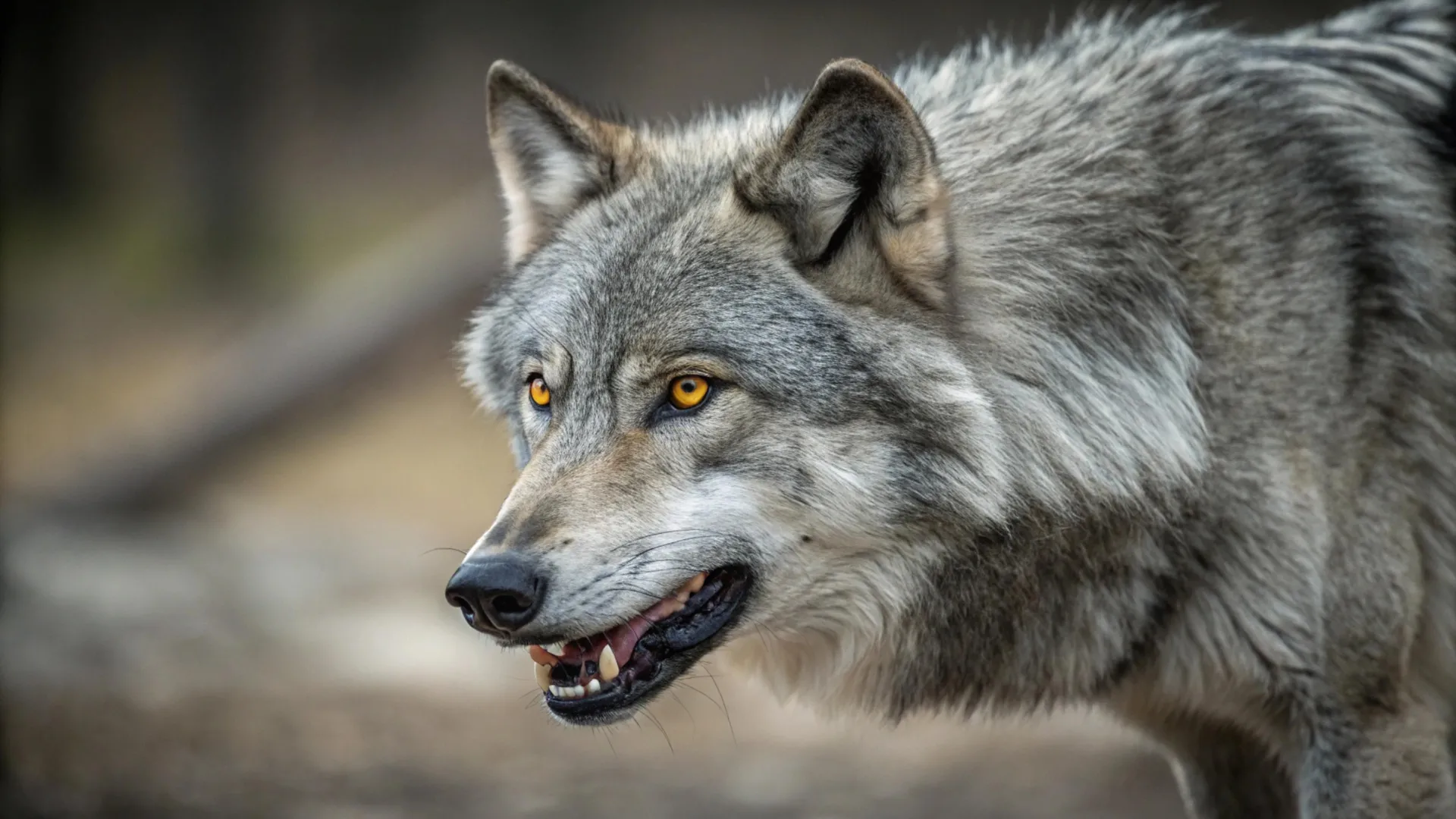
The core finding reveals that wildlife responses to humans are far from uniform; they differ substantially depending on the species and, crucially, on how heavily a landscape has already been altered by human development. This intricate interplay between direct human presence and habitat modification provides a critical missing piece in the puzzle of conservation science. The nuanced distinctions unearthed by this study could pave the way for scientists and policymakers to develop more precise, effective, and species-specific strategies for wildlife management and conservation, moving beyond broad strokes to finely tuned interventions.
"Humans have complicated effects on wildlife — from our physical presence to how we reshape habitats — but we can’t understand our full impact without information on both," articulated co-lead author Ruth Oliver, an assistant professor in UCSB’s Bren School of Environmental Science & Management. Her statement underscores the traditional blind spot in conservation efforts, which often focused primarily on habitat loss or degradation while underestimating the pervasive, albeit subtle, influence of direct human proximity. The research challenges the long-held assumption that once a landscape is modified, the direct presence of people becomes a secondary concern. Instead, it posits that these two factors often work in tandem, creating a complex web of influence that dictates animal behavior and survival.
COVID Lockdowns Created a Rare Wildlife Experiment
One of the most remarkable aspects of this research stems from an unforeseen global event: the COVID-19 pandemic. The unprecedented lockdown policies implemented worldwide dramatically altered where and how people moved, particularly during the initial phases of the pandemic in 2020. This unique and involuntary "anthropause," a term coined to describe the global reduction in human activity, inadvertently created a rare, large-scale natural experiment for scientists. It provided an unparalleled opportunity to disentangle the influence of human presence from the more permanent effects of landscape changes, allowing researchers to observe wildlife responses in environments where human infrastructure remained but human activity significantly diminished.
The research team meticulously examined weekly GPS records from a vast dataset of 4,581 individual mammals and birds across the continental U.S. These records spanned matching periods in both 2019 (pre-pandemic baseline) and 2020 (during lockdown). Measuring animal movement, while complex, benefited from decades of advancements in bio-logging technology, including lightweight GPS collars and tags affixed to animals, which transmit precise location data at regular intervals. However, determining exactly where people were present, and how their movements changed, presented a far greater challenge, requiring a more detailed and granular source of information than scientists normally have access to.
Historically, studies on interactions between people and wildlife have often relied on indirect measures of human activity. These proxies include metrics such as urban development density, agricultural land use, road networks, or, during the pandemic, whether a specific area was subject to lockdown restrictions. While these measures offer valuable clues about potential human impact, they fundamentally fall short of directly illustrating the dynamic, moment-to-moment movements of people across the landscape. This limitation has long been a significant hurdle in understanding the true ecological footprint of human activity.
To overcome this persistent limitation, the researchers leveraged a novel and powerful data source: anonymized cellphone geolocation data. This data, providing neighborhood-level resolution, offered an unprecedented glimpse into the ebb and flow of human populations. Crucially, the team emphasized that this marks the first time such fine-grained human movement data has been systematically used to examine its direct effect on animal movement patterns at a continental scale. The ethical implications of using such data were carefully managed, with all information anonymized and aggregated to protect individual privacy, ensuring that the study focused on population-level trends rather than individual movements.
"The cell phone data we used was made available to researchers during the pandemic to help reveal the impacts of COVID-19 shutdowns," explained co-lead author Scott Yanco, a research ecologist at the Smithsonian’s National Zoo. He highlighted the rarity of this access, noting, "Typically, private companies hold onto these, which made this a rare opportunity for us to quantify how human presence impacts wildlife, and to demonstrate that there is more to consider than just land modification to create robust conservation plans." This access was a game-changer, providing a level of detail previously unimaginable and allowing for a direct correlation between changes in human presence and observed shifts in animal behavior.
Human Presence and Habitat Changes Work Together
The comprehensive analysis delved into how human activity affected two critical aspects of animal ecology: the physical area used by each animal (its home range or territory) and its environmental niche. An environmental niche describes the specific set of environmental conditions, resources, and interactions that an animal requires to survive and reproduce. For the majority of species included in the analysis, the researchers concluded that human impacts could not be fully comprehended by examining landscape modification alone. The mere physical presence of people emerged as an equally significant, and often interconnected, factor.
Overall, a striking 57% of the diverse species studied were found to be significantly affected by both human presence and landscape modification. Breaking it down further, human presence alone was associated with measurable changes in either the amount of territory occupied or the size of the environmental niche for 67% of mammal species and 68% of bird species. These figures underscore the pervasive and widespread influence of human proximity across a broad spectrum of wildlife.
More profoundly, the study revealed that in many cases, these two human influences — landscape alteration and direct presence — were deeply interconnected and synergistic. The effect of people on an animal’s behavior and resource use often depended partly on how much the surrounding landscape had already been modified. Conversely, the influence of landscape modification was also contingent, in part, on how many people were present. This intricate relationship means that conservation strategies must consider both factors in concert, rather than in isolation. For instance, an animal might tolerate a modified landscape with low human presence but become highly stressed or displaced if human presence increases within that same modified area.
Approximately 67% of mammal species and 41% of bird species responded to the combined pressures of human presence and landscape alteration by reducing the amount of habitat they used. This "habitat compression" suggests that animals are either retreating to smaller, less disturbed refugia or becoming more selective in their use of space to avoid human encounters. The study highlighted that sensitivity to people was particularly pronounced in places with relatively little prior development, such as national parks or protected wilderness areas, compared with highly urbanized environments. This finding is critical because it implies that even in seemingly pristine areas, the mere influx of human visitors can have a significant ecological impact, potentially disrupting wildlife behavior in ways that might not be immediately obvious.
Wolves, Deer and Cranes Respond Differently
A crucial takeaway from the research was the absence of a universal, one-size-fits-all response across wildlife species. Each species, with its unique evolutionary history, behavioral ecology, and adaptive capacity, exhibited distinct reactions to human presence and landscape modification. This emphasizes the need for species-specific approaches in conservation rather than generic policies.
Wolves (Canis lupus), for example, displayed a behavior strikingly different from many other animals in the study. Their habitat use actually expanded in response to human presence. This intriguing response could potentially reflect their long and often difficult history with people, marked by intense persecution and eradication efforts. For wolves, an expansion of territory might be a strategy to spread out, increase vigilance, or move farther away from potential human threats, indicating a profound avoidance behavior driven by historical trauma and ongoing conflict. Their response suggests a deep-seated wariness that manifests as a need for greater spatial separation from human activity.
White-tailed deer (Odocoileus virginianus), a species known for its adaptability to suburban and agricultural landscapes, showed another distinct pattern. Their environmental niches expanded as landscapes became more modified, reflecting their ability to exploit new food sources and habitats created by human activities (e.g., gardens, crop fields). However, their niches contracted as human presence increased. This dual response suggests that while deer can adapt to altered environments, direct encounters with humans still induce stress or avoidance, leading them to be more selective about when and where they utilize resources in human-populated areas. They might, for instance, shift to nocturnal activity or use areas with dense cover during periods of high human presence.
Sandhill cranes (Antigone canadensis), large migratory birds, displayed the reverse response to white-tailed deer. Their environmental niches contracted with landscape modification but expanded as human presence increased. This could be due to a variety of factors, such as their reliance on certain agricultural fields (e.g., for foraging on waste grain) that are often associated with human activity, or perhaps a higher tolerance for non-threatening human presence in specific contexts. Their behavior might reflect an opportunistic strategy, where the benefits of accessing human-associated resources outweigh the risks of human proximity.
"These findings highlight the critical importance of species-based conservation," Oliver reiterated. "Every species has different habitat requirements, has its own particular behavioral tendencies and faces unique threats. Effective conservation requires that we understand the particular challenges that each species faces." This statement serves as a powerful call to action, urging conservationists to move beyond generic prescriptions and embrace tailored, evidence-based interventions that account for the unique ecological nuances of each target species.
Lessons From the Global "Anthropause"
This groundbreaking research is a pivotal component of the COVID-19 Bio-Logging Initiative, an expansive international collaborative effort created specifically to study how wildlife responded when pandemic restrictions caused human activity to change dramatically. The initiative capitalized on the extraordinary circumstances of the "anthropause" to gather unprecedented data on animal behavior in a world momentarily less dominated by human movement.
Earlier research stemming from this ambitious initiative has already documented widespread behavioral changes among mammals around the world, ranging from increased daytime activity in urban environments to altered foraging patterns. The initiative also revealed major changes in marine traffic patterns and, crucially, underscored the paramount importance of directly measuring human movement when studying wildlife responses in the Anthropocene – the current geological epoch characterized by significant human impact on Earth’s geology and ecosystems.
The broader collaboration involved an astonishing 600 partners globally and assembled a colossal dataset comprising 1 billion location records from approximately 13,000 animals. This vast repository of information represents an unparalleled resource for understanding the multifaceted influences of human activities on wildlife across diverse ecosystems and species.
The new findings, specifically integrating animal GPS tracking with mobile-device data, clearly demonstrate how these two powerful data streams can support the development of more precise and effective conservation strategies. By combining this information, researchers can now definitively distinguish between the effects of human-built infrastructure (e.g., roads, buildings, farms) and the more subtle, yet equally impactful, effects caused simply by people being physically present in an area. This distinction is vital for designing conservation interventions that are truly responsive to the complex realities of human-wildlife interactions.
Are These Behavioral Changes Helping or Hurting Wildlife?
While the study masterfully identifies and quantifies these behavioral shifts, it also opens the door to another critical and complex question that Oliver and her colleagues are now diligently examining: whether these human-driven changes to landscapes and climate ultimately influence the likelihood that animals will survive and thrive.
"Our current study shows that animals change how they use space and resources, but we don’t know if these changes are helping them adapt or are a sign of stress," Oliver pointed out. This crucial distinction lies at the heart of conservation biology. Behavioral plasticity, the ability of an organism to change its behavior in response to environmental changes, can be a sign of resilience and adaptation. However, it can also be a costly coping mechanism, indicating chronic stress, reduced reproductive success, or increased vulnerability to other threats. "Our group is now digging into that question by asking whether animals that change their behavior in response to human pressures are at greater or lower risk of dying." This follow-up research will provide vital insights into the long-term ecological consequences of human presence.
The unusual and tragic conditions created by the pandemic, paradoxically, allowed researchers to study human impacts in ways that had not previously been possible. As a direct consequence, many earlier conservation policies and management plans were developed without access to this kind of detailed, direct information about how animals react to the physical presence of people. This new understanding represents a paradigm shift, enabling conservationists to refine existing strategies and formulate new ones based on a more complete picture of human-wildlife dynamics.
"Our results give me some optimism that we can achieve wildlife-coexistence through more nuanced policies that more smartly consider where and when we need to give animals space," Oliver concluded. This sentiment reflects a hopeful outlook, suggesting that with a deeper, data-driven understanding of these complex interactions, humanity can forge a more harmonious relationship with the natural world. By strategically managing human presence – perhaps through designated quiet zones, seasonal access restrictions, or educational campaigns – we can create critical pockets of undisturbed habitat even within human-modified landscapes, fostering a future where wildlife can not only survive but also flourish alongside us. The meticulous work of researchers like Ben Marcus at the Smithsonian, among many others, contributed significantly to this monumental scientific endeavor, paving the way for a new era of informed and adaptive conservation.
