
 By admin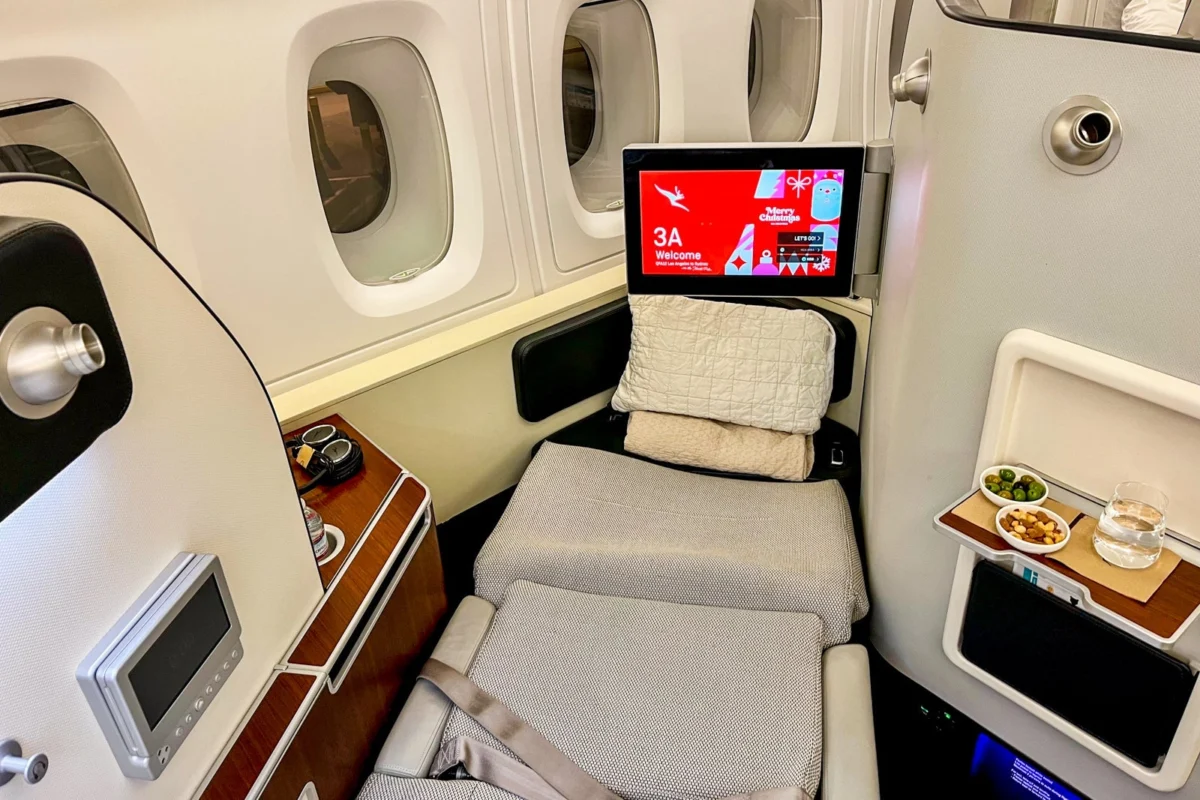
The Australian flag carrier has sent a clear signal to the aviation world that the era of the four-engine superjumbo is drawing to a close more rapidly than previously anticipated. This week, Qantas executives confirmed a strategic shift that will see the airline begin phasing out its iconic Airbus A380 fleet in 2028, moving the retirement timeline forward by four years from the original 2032 target. This decision marks a pivotal moment for the Sydney-based carrier as it navigates a post-pandemic landscape defined by volatile fuel prices, stringent sustainability targets, and a consumer preference for increased frequency and direct point-to-point connectivity.
The A380, often referred to as the "King of the Skies," has been a cornerstone of Qantas’ ultra-long-haul network for nearly two decades. However, the aviation industry has shifted its gaze toward highly efficient, twin-engine widebody aircraft. Qantas’ decision to sunset the double-decker giant is intrinsically linked to its massive multi-billion-dollar fleet renewal program. In 2023, the airline placed a landmark order for 24 new twin-aisle jets, consisting of 12 Airbus A350s and 12 Boeing 787 Dreamliners. This order was designed to provide a direct replacement for the aging Airbus A330s and the A380s. With 17 new aircraft expected to arrive within the current calendar year and an additional 31 slated for delivery by 2027, the airline now finds itself in a position to transition away from the superjumbo ahead of schedule.
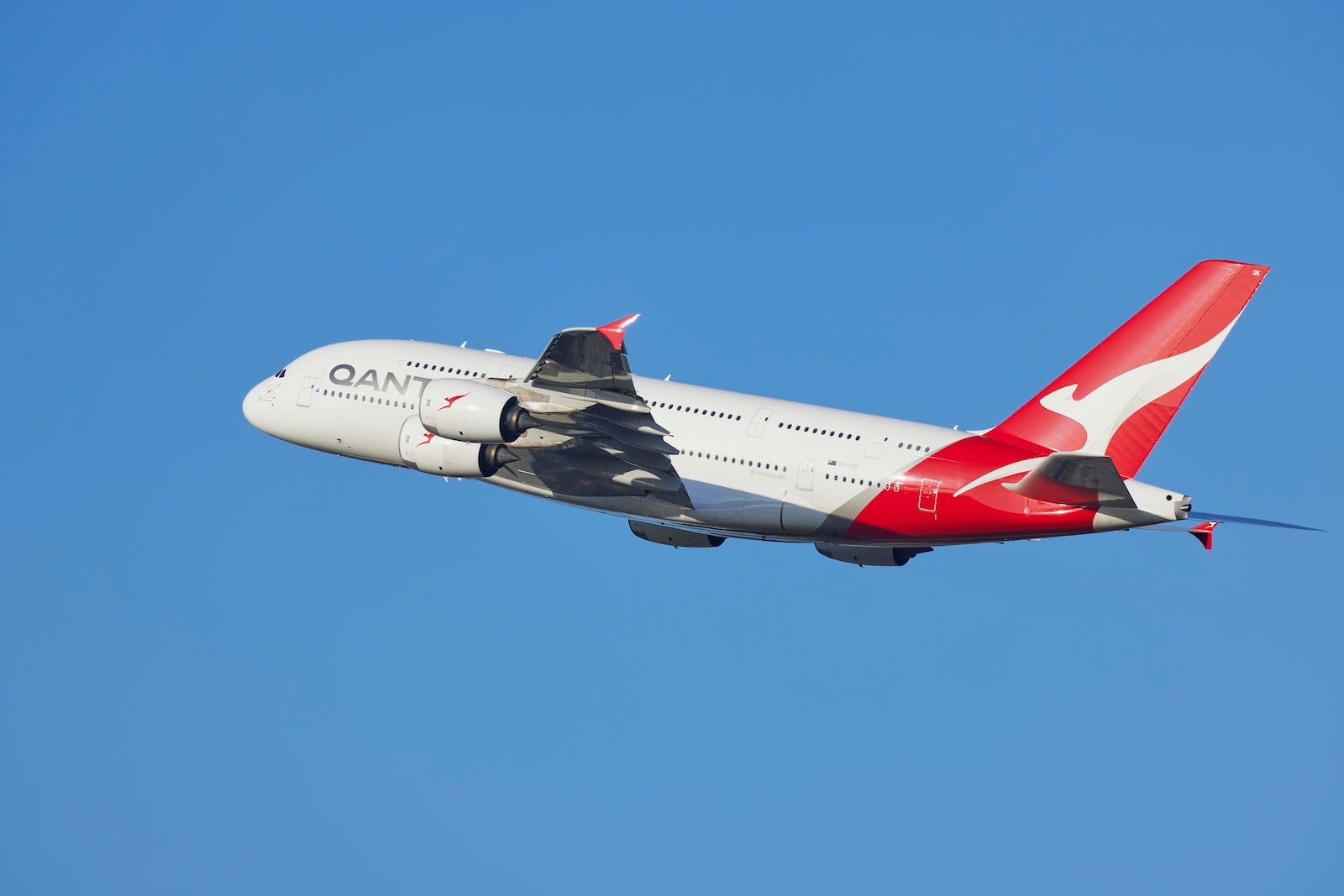
The retirement of the A380 is a move dictated as much by economics as by engineering. While the aircraft remains a passenger favorite due to its spaciousness, quiet cabin, and smooth ride, its operational costs have become increasingly difficult to justify. The A380’s four-engine configuration consumes significantly more fuel than modern twin-engine counterparts like the Boeing 787-9 or the Airbus A350-1000. In an era where fuel prices have surged—notably peaking in 2026—and carbon offset costs are rising, the "heavy" nature of the A380 makes it a financial liability unless it is consistently flown at near-100% capacity. With nearly 500 seats to fill per flight, the risk of "flying air" is a constant concern for network planners.
Furthermore, the maintenance requirements for the A380 are intensive. As the fleet ages, the cost of "D-checks" and specialized parts for an aircraft no longer in production—Airbus delivered its final A380 in 2021—becomes prohibitive. By 2028, the first of Qantas’ A380s will be approximately 20 years old. By accelerating the retirement, Qantas avoids the massive capital expenditure required for mid-life overhauls and cabin refreshes that would have been necessary to keep the planes competitive into the 2030s.
While Qantas prepares for the exit of the A380, it is simultaneously elevating the passenger experience on its newer aircraft. The airline recently unveiled a "next-generation" business-class suite for its incoming Boeing 787-9 Dreamliners, representing a significant "evolution" of its current premium product. For the first time on its 787 fleet, Qantas will introduce sliding privacy doors, a feature that has become the gold standard for international business class. These suites are designed with a 1-2-1 configuration, ensuring every passenger has direct aisle access.
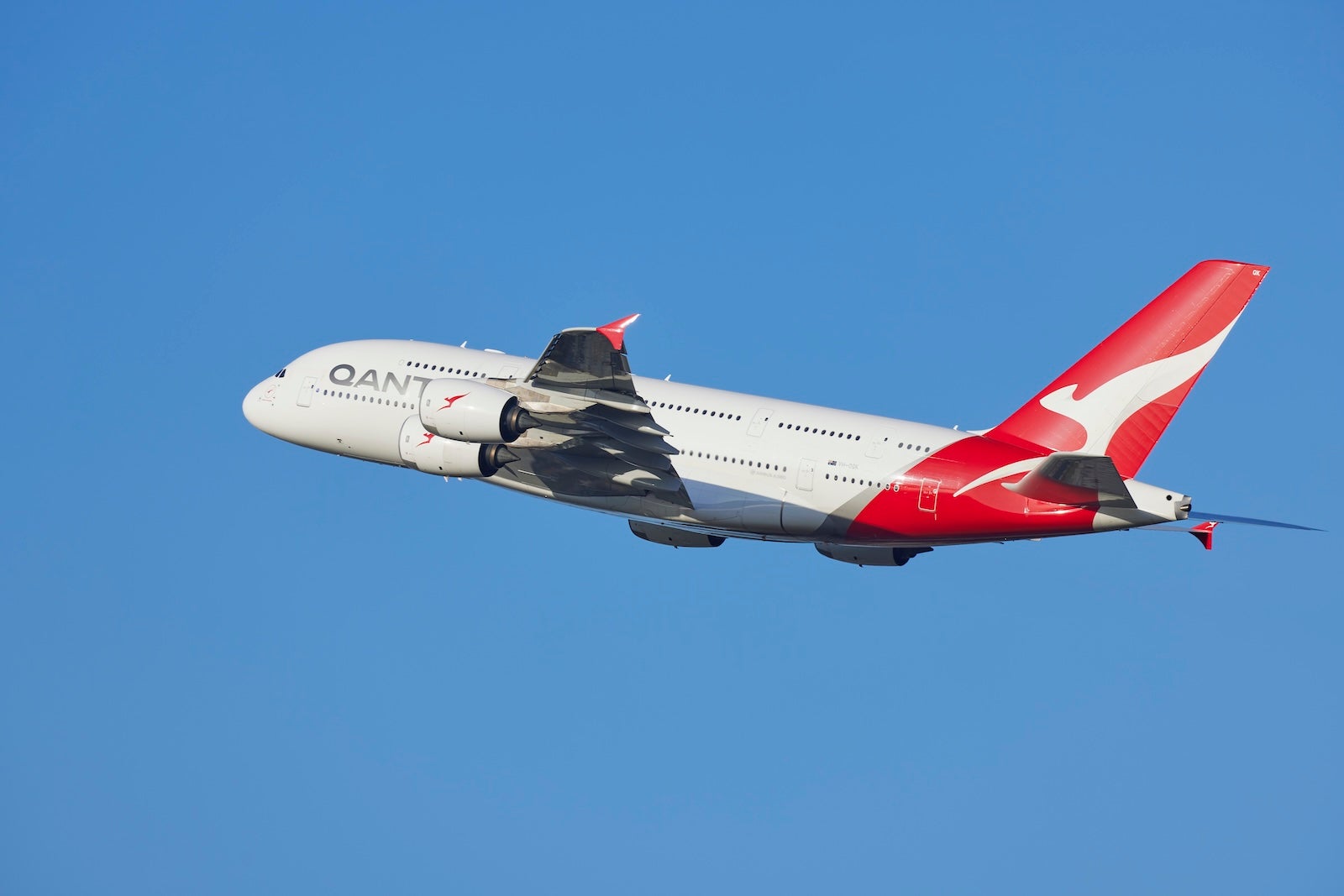
The new 787 suites are not just about privacy; they focus heavily on ergonomic comfort for the grueling 14- to 17-hour flights that characterize Qantas’ network. Travelers will enjoy 80-inch fully flat beds and wider footwells, addressing one of the common complaints regarding the current Dreamliner pods. Technology has also been prioritized, with 19-inch high-definition entertainment screens and integrated wireless charging. The aesthetic of the cabin is deeply rooted in the airline’s Australian heritage, featuring a color palette inspired by the rich, earthy tones of Western Australia’s Pilbara region. This design philosophy aims to provide a sense of place and tranquility from the moment a passenger steps on board.
This product upgrade is a critical component of Qantas’ broader strategy to dominate the ultra-long-haul market. The airline’s "Project Sunrise"—the ambitious plan to operate nonstop flights from Sydney and Melbourne to London and New York—will utilize specially modified Airbus A350-1000 aircraft. These planes will feature a dedicated "Wellbeing Zone" and some of the most luxurious First and Business Class cabins in the sky. By aligning the 787-9 product with the high standards of Project Sunrise, Qantas ensures a consistent premium experience across its entire long-haul network.
For aviation enthusiasts and luxury travelers, the window to experience the Qantas A380 is closing, but it remains open for the next several years. Qantas currently operates 10 A380s, which serve as the only aircraft in its fleet to offer a "true" international First Class. This cabin, located on the lower deck, features 14 individual suites that rotate to face a dining table, allowing for companion dining. The upper deck is dedicated to 70 business-class pods and a premium economy cabin, along with the famous on-board lounge where premium passengers can socialize during flight.
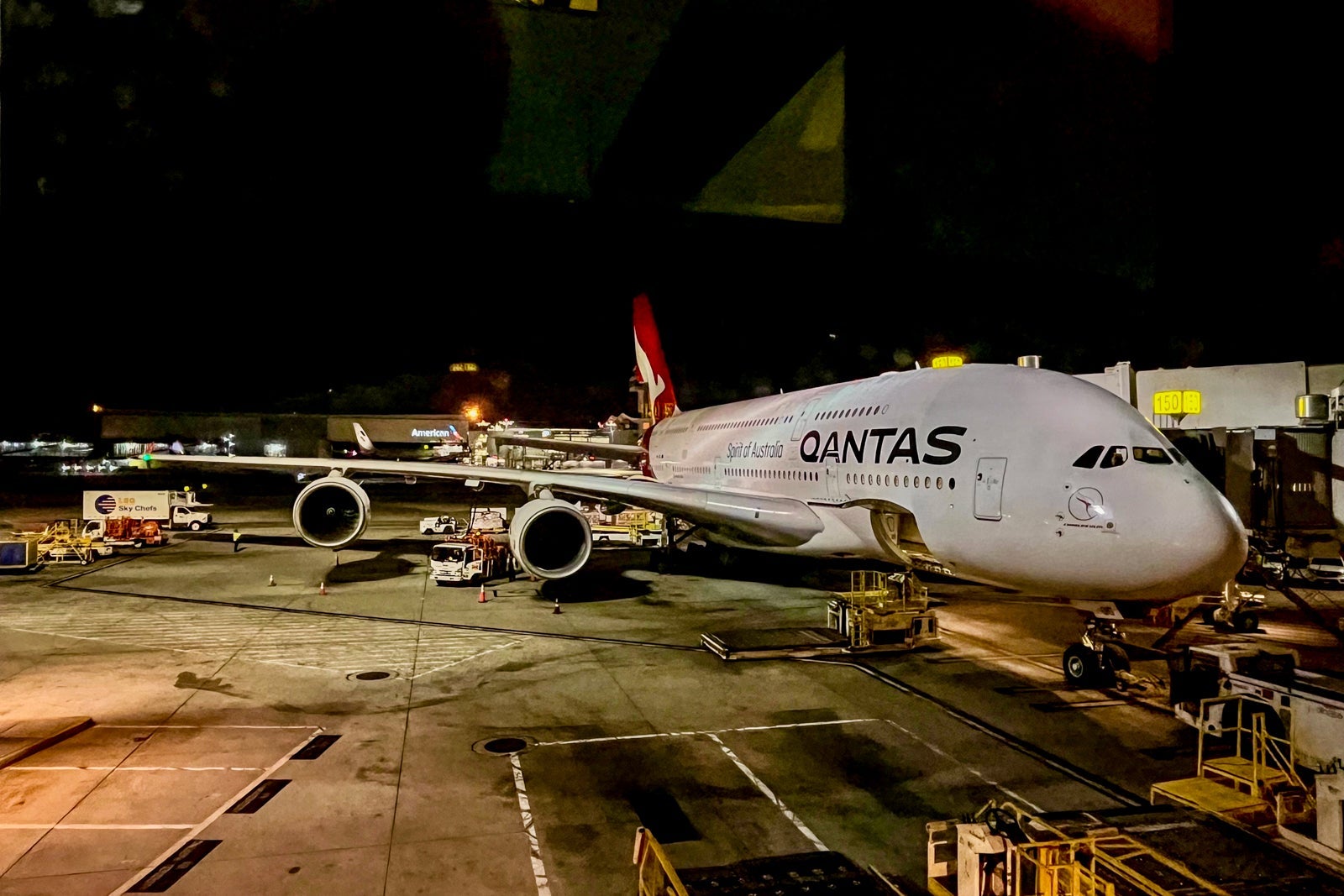
Currently, U.S.-based travelers can still find the Qantas A380 on three primary routes connecting North America and Europe to Australia. These include the flagship Sydney to Los Angeles (SYD-LAX) route, the Melbourne to Los Angeles (MEL-LAX) service, and the "Kangaroo Route" from Sydney to London via Singapore (SYD-SIN-LHR). These routes represent some of the longest and most prestigious in the Qantas network, where the high capacity of the A380 is still effectively utilized to meet demand on high-traffic corridors.
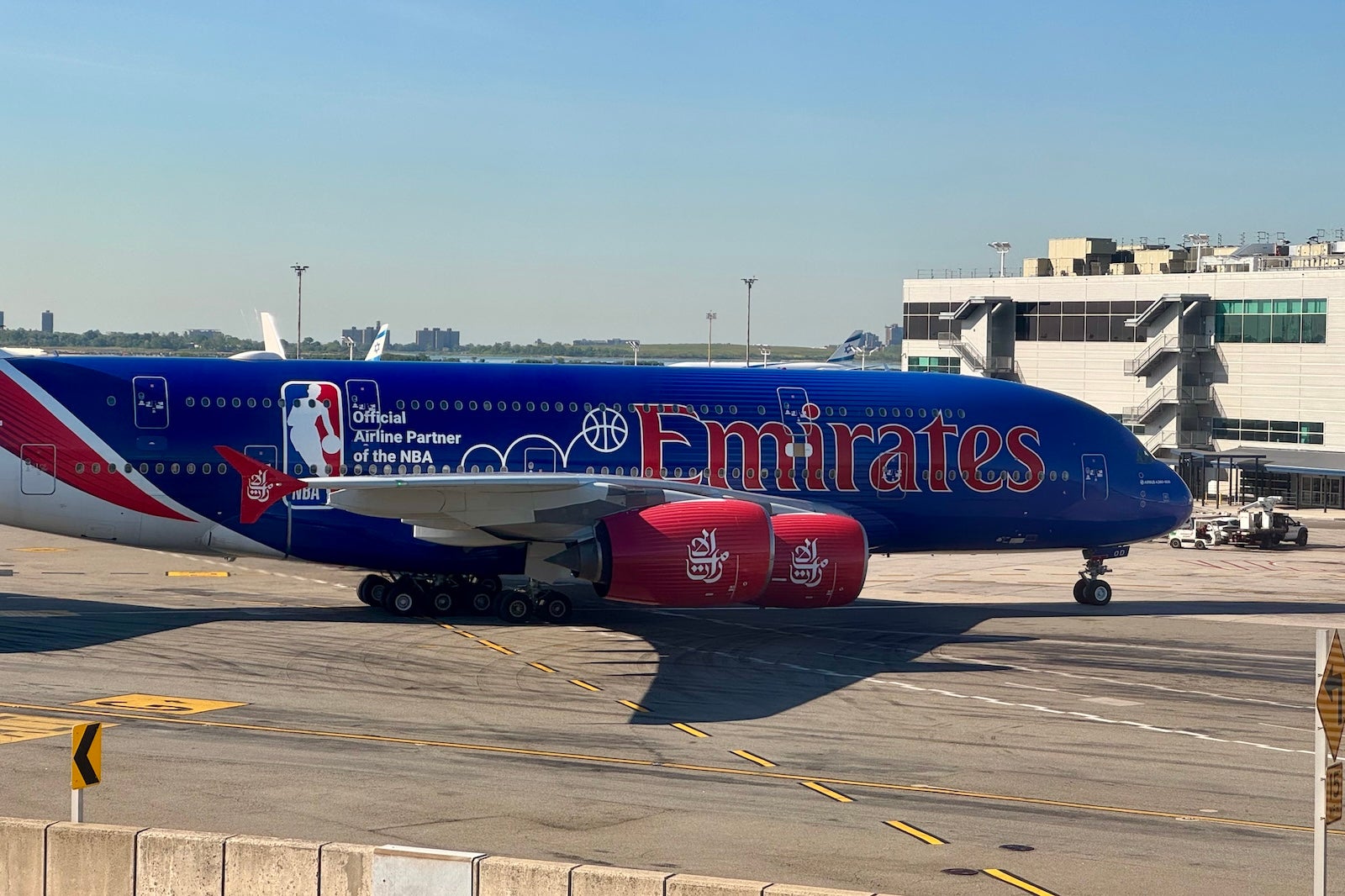
The global landscape for the A380 remains a patchwork of strategies. While Qantas is heading for the exit, Emirates continues to be the world’s largest operator of the type, maintaining a fleet of over 100 superjumbos and even investing in multi-billion-dollar retrofits to keep them flying into the 2040s. Other carriers, such as Singapore Airlines, Lufthansa, and British Airways, continue to operate the A380 on key trunk routes, though most have reduced their total fleet sizes since the pandemic. The departure of Qantas from the A380 club in 2028 will leave a significant void in the trans-Pacific market, where the plane has been a staple of the West Coast gateways for decades.
For those looking to book these final A380 flights using points and miles, the opportunities are diverse but require strategic planning. As a cornerstone member of the Oneworld alliance, Qantas award seats can be booked through various partner programs. In the United States, American Airlines’ AAdvantage program remains a popular choice, though availability for premium cabins on Qantas metal is notoriously tight. Another emerging option is Atmos Rewards, the unified loyalty program for Alaska Airlines and Hawaiian Airlines, which provides unique redemption pathways for trans-Pacific travel.
Furthermore, Qantas Frequent Flyer is a 1:1 transfer partner with several major U.S. credit card rewards programs. Cardholders of American Express Membership Rewards, Capital One, and Citi ThankYou Rewards can move their points directly to Qantas to book award seats or request upgrades. Additionally, the Rove rewards program has become an increasingly relevant player for high-spend travelers looking to leverage flexible points for Qantas redemptions. Given the impending retirement of the A380, travel experts suggest that the next three to four years will be the "golden window" for using miles to experience the superjumbo’s First Class before it is replaced by the A350’s new luxury offerings.
The acceleration of the A380 retirement is a pragmatic acknowledgment of the future of flight. As Qantas prepares to receive a steady stream of A350s and 787s, the airline is trading the grandeur of the world’s largest passenger plane for the agility and efficiency of the world’s most advanced twin-jets. For the "Flying Kangaroo," the move signifies a transition from an era of "bigger is better" to one defined by "farther and smarter." While the sight of the Qantas A380 soaring over Sydney Harbour or touching down at LAX will eventually become a memory, the legacy of the superjumbo will live on in the lessons it taught the industry about passenger comfort and the technical limits of aviation. Between now and 2028, the A380 will continue to serve as the flagship of the Australian sky, offering a final chapter of double-decker luxury for those ready to bid it a long, trans-oceanic farewell.
