
 By admin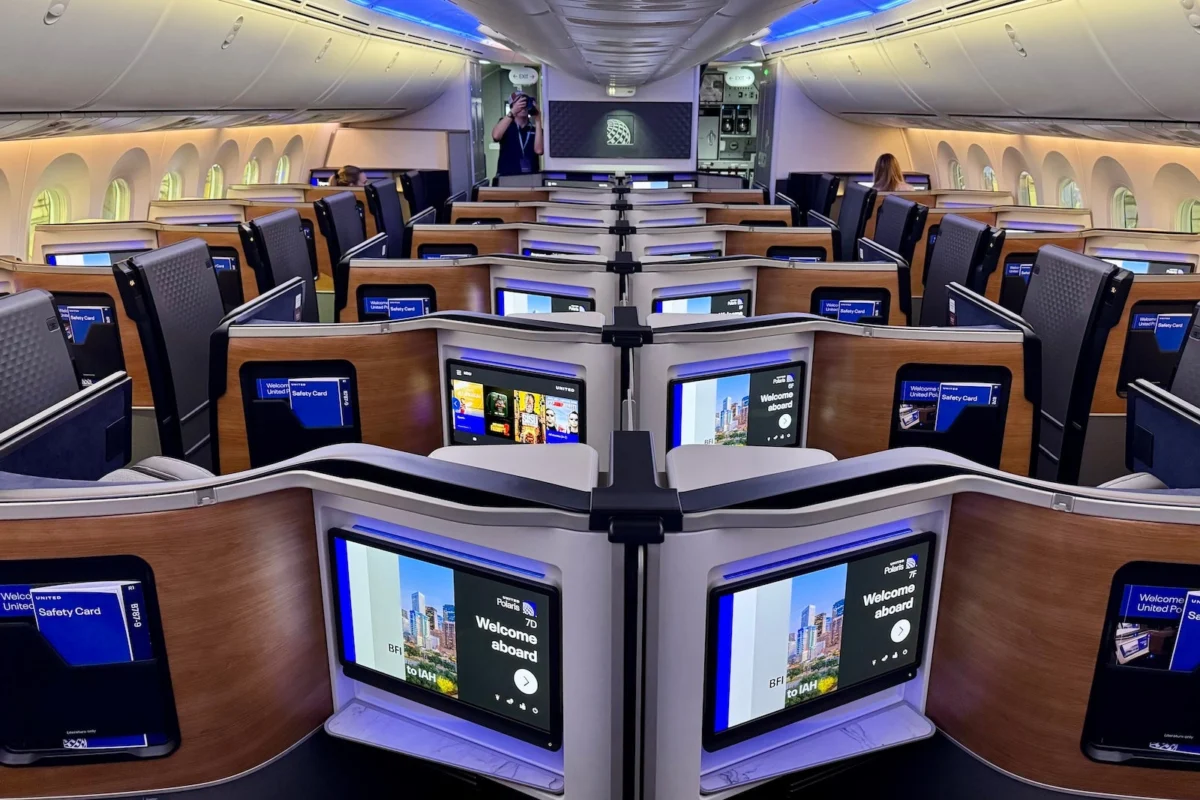
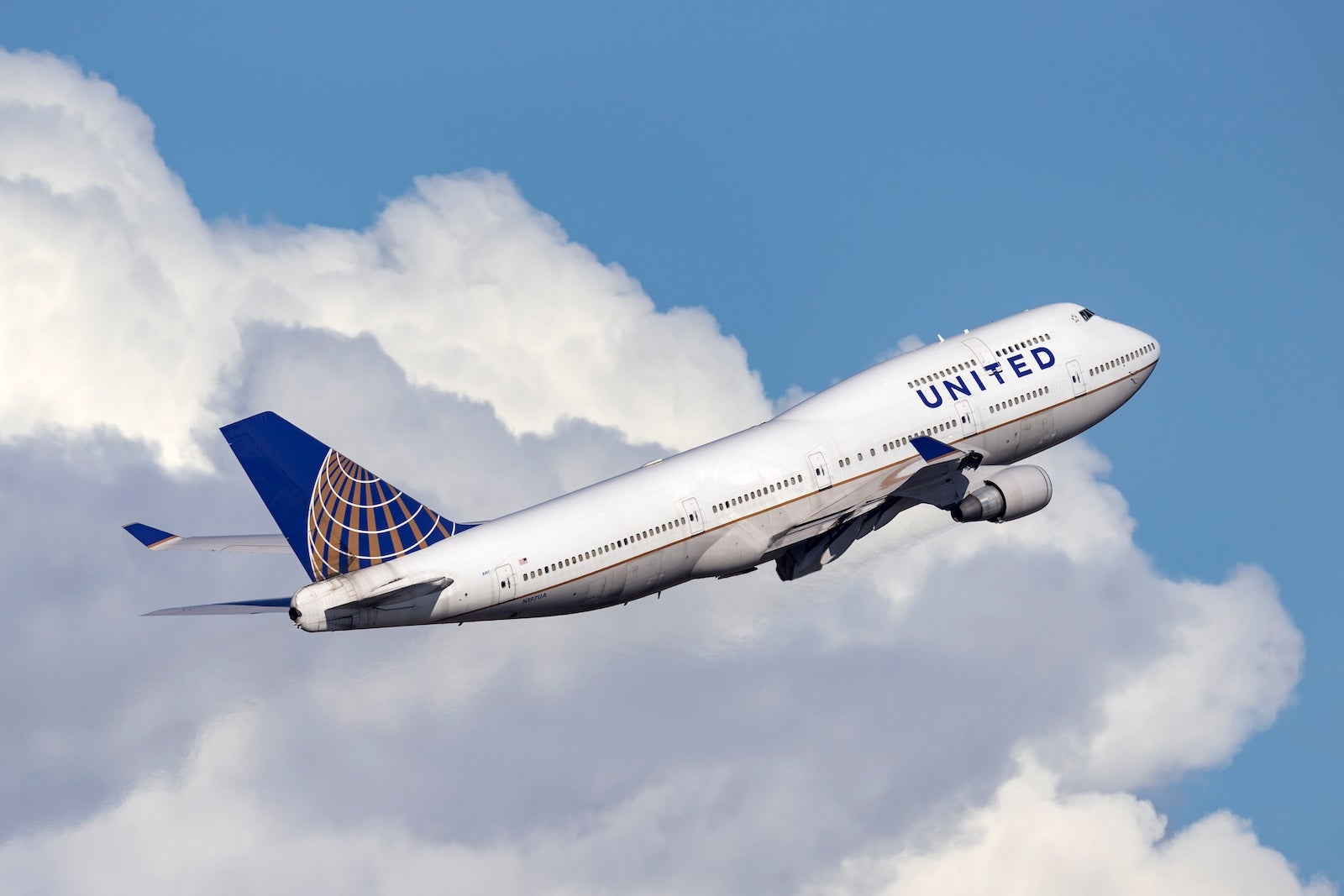
If you had boarded a flight to Europe fifteen years ago, the experience was defined by scale. Crossing the Atlantic meant stepping into the cavernous belly of a "Queen of the Skies," the Boeing 747, or perhaps the double-decker Airbus A380. These behemoths were the undisputed workhorses of international travel, designed to ferry hundreds of passengers between massive global hubs like New York, London, Paris, and Frankfurt. In that era, the sheer size of the aircraft was synonymous with the prestige of long-haul travel. However, as we look toward the summer of 2027, the landscape of aviation is undergoing a radical transformation, driven by a fundamental disagreement between the world’s largest carriers over how passengers want to fly.
United Airlines, the Chicago-based giant, has signaled a bold departure from the "bigger is better" philosophy. In a major global expansion announcement this past week, United unveiled ten new nonstop destinations slated for launch in the spring and summer of 2027. The list is a testament to the changing tastes of the modern traveler, featuring locales that were once considered niche or difficult to reach without multiple connections. From the medieval streets of Ljubljana, Slovenia, and the financial hub of Luxembourg to the volcanic landscapes of the Azores and the sun-drenched coastlines of Sicily, United is targeting secondary markets with surgical precision.
The most striking aspect of this expansion is not just where United is going, but how it plans to get there. The airline is placing a massive bet on smaller, single-aisle aircraft—specifically the Airbus A321XLR—to serve as the backbone of its transatlantic growth. This strategy marks a pivot toward "point-to-point" travel, bypassing the traditional European "megahubs" in favor of direct access to final destinations. It is a move that prioritizes convenience and time-saving over the traditional wide-body experience, and it has set the stage for a philosophical showdown with its chief rival, Delta Air Lines.
The Rise of the Narrow-Body Long-Haul
The catalyst for this shift is the Airbus A321XLR (Extra Long Range). For decades, narrow-body planes—the kind typically used for short hops from Chicago to Denver or London to Berlin—simply didn’t have the fuel capacity or the engine efficiency to safely and profitably cross the ocean. The A321XLR has changed that equation entirely. With a range of approximately 4,700 nautical miles and a fuel burn per seat that is roughly 30% lower than previous-generation aircraft, the XLR allows airlines to operate "thin" routes that would never see enough demand to fill a 300-seat Boeing 777 or 787.
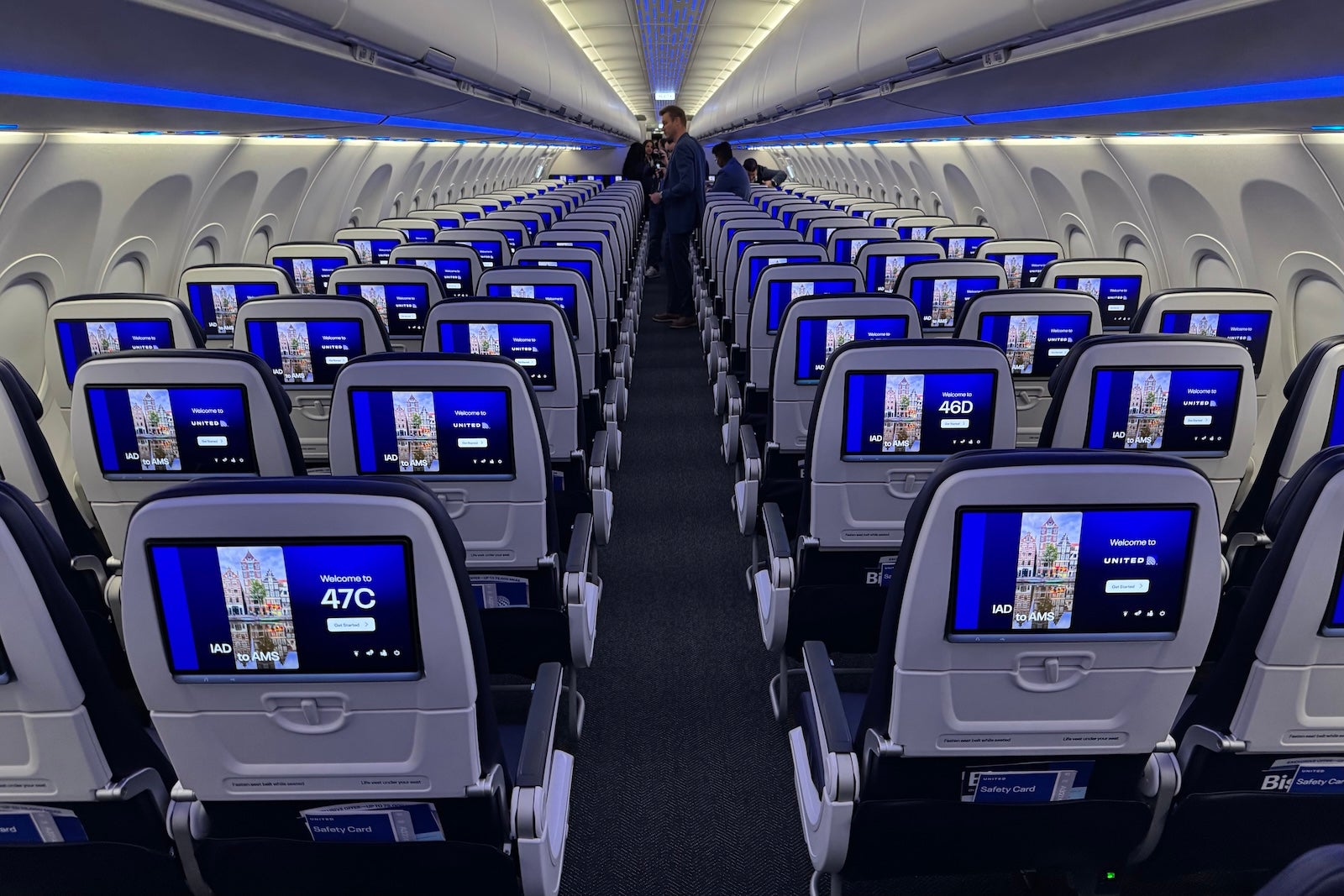
United has 50 of these aircraft on order, and they are being delivered with a premium-heavy configuration that challenges the notion that small planes are inherently less comfortable. United’s A321XLR features a "true" international business-class cabin, equipped with 20 Polaris suites that offer lie-flat comfort and direct aisle access. The plane also includes 12 Premium Plus seats, United’s dedicated premium economy product, ensuring that high-yield travelers are accommodated even on a smaller airframe.
"There’s really no other U.S.-based carrier that’s leaning into this narrow-body platform in a premium configuration the way United is," said Andrew Nocella, United’s Chief Commercial Officer. Nocella’s confidence stems from a belief that the "inconvenience" of a smaller cabin is far outweighed by the "convenience" of a nonstop flight. For a traveler heading to Palermo, Sicily, the choice is between an eight-hour flight on a narrow-body jet or a ten-hour journey that involves a stressful two-hour connection at a crowded airport like Rome Fiumicino or Paris Charles de Gaulle.
The Delta Counter-Argument: Comfort and Capability
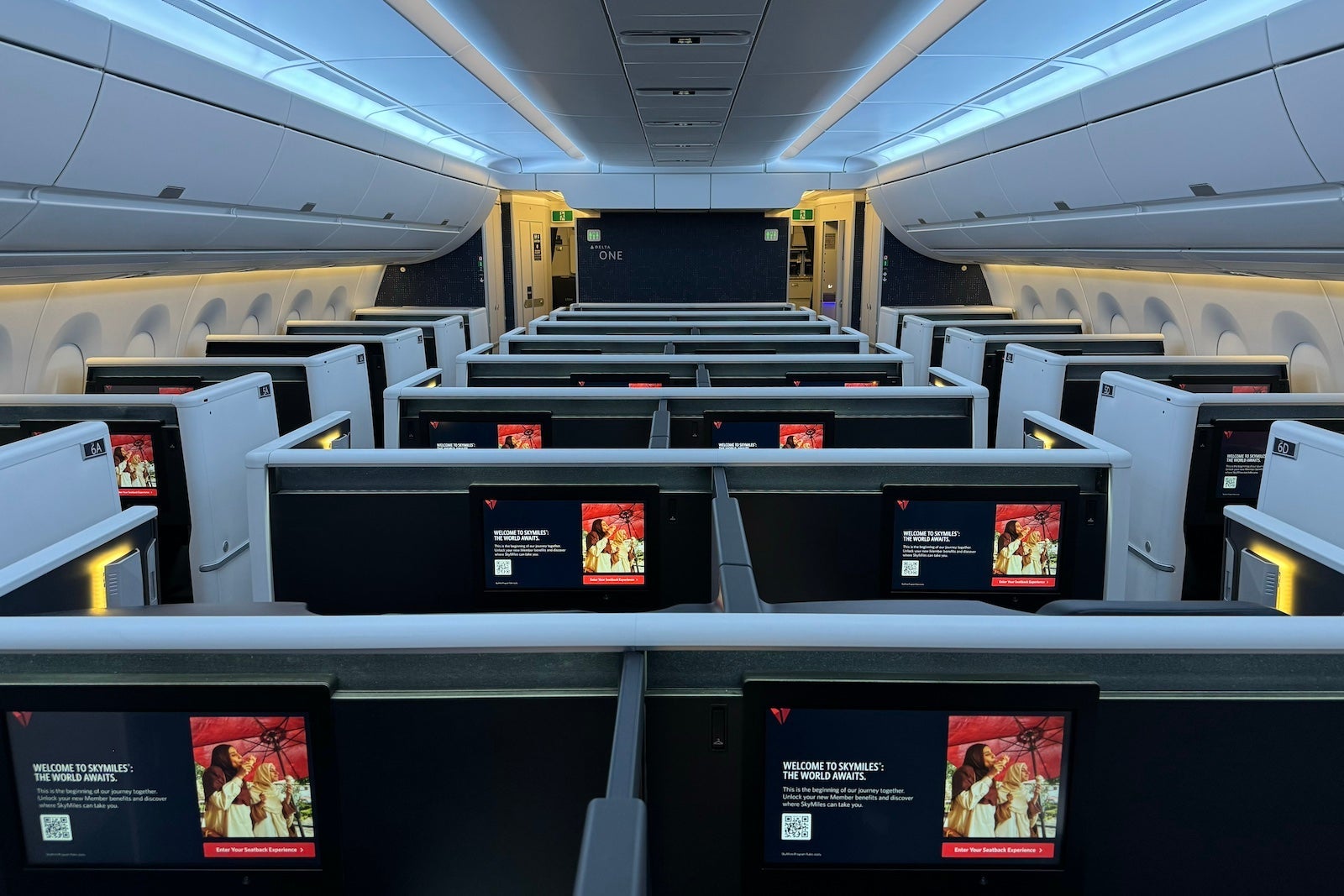
While United is "all-in" on the narrow-body revolution, Delta Air Lines is standing its ground. Delta has remained steadfast in its commitment to using wide-body aircraft—specifically the Airbus A350 and A330neo—for its long-haul international network. To Delta, the physical limitations of a single-aisle plane represent a compromise in the "premium" experience they have spent billions to cultivate.
Joe Esposito, Delta’s Chief Commercial Officer, has been vocal about the airline’s skepticism. "I don’t know if it’s the best product," Esposito remarked in a recent interview, questioning whether an eight-to-nine-hour flight on a domestic-sized aircraft meets the expectations of an international traveler. Delta’s argument is rooted in the physics of the cabin environment. A wide-body aircraft offers higher ceilings, wider aisles, and more "personal volume," which helps mitigate the effects of jet lag and claustrophobia.
Beyond passenger perception, there are significant operational hurdles to narrow-body long-haul flights. In a wide-body jet, there is ample room for large galleys where flight attendants can prepare multi-course meals. On a single-aisle plane, galley space is at a premium, often forcing a more streamlined—and perhaps less "grand"—dining service. Furthermore, the ratio of passengers to lavatories can become a pain point on an eight-hour flight. While United has worked to optimize these spaces, the reality of a single aisle means that any blockage, whether from a food cart or a passenger waiting for the restroom, effectively halts movement throughout the entire cabin.
A Growing Industry Trend
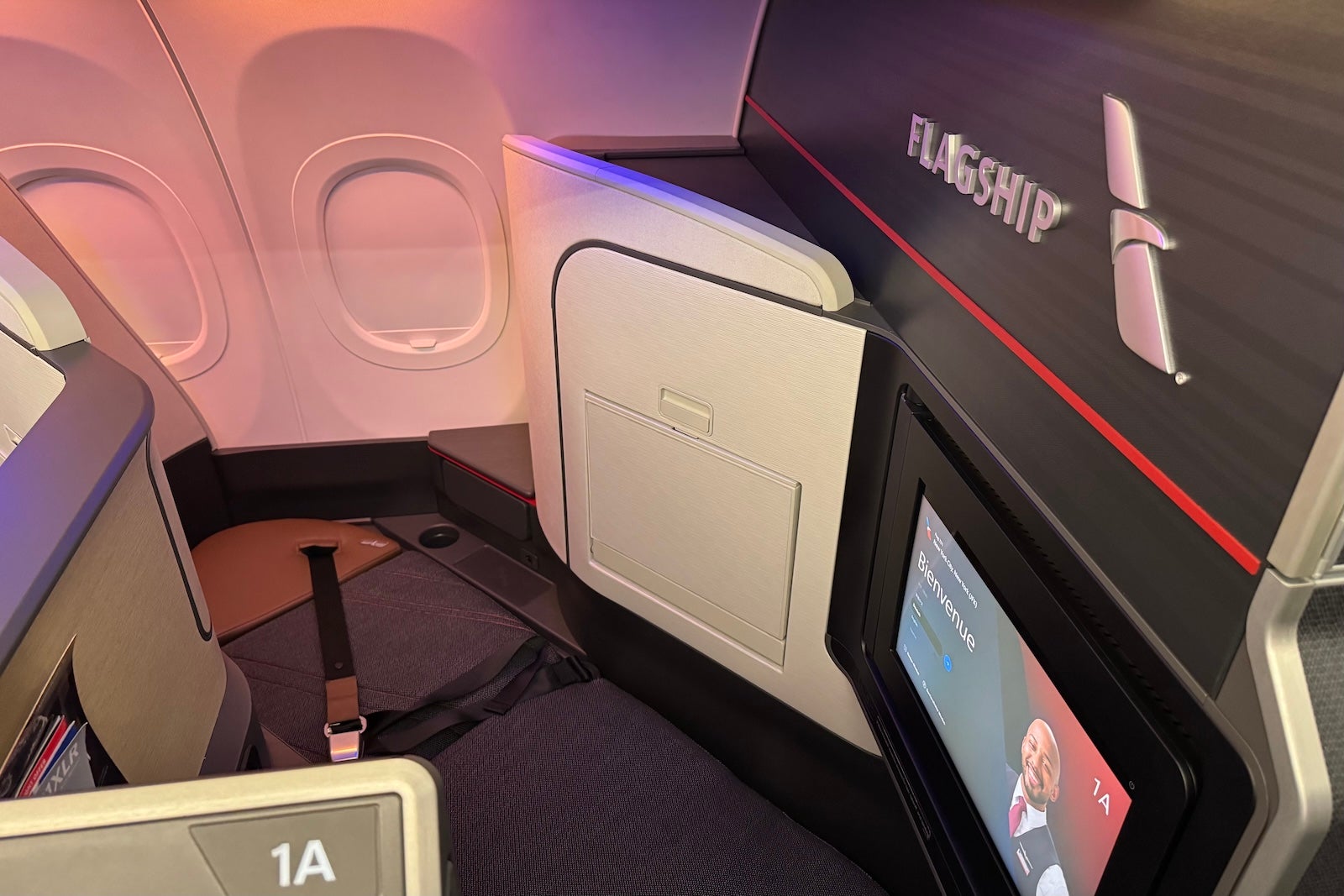
United is not alone in its vision, though it is perhaps the most aggressive among the "Big Three" U.S. legacy carriers. American Airlines has also embraced the A321XLR, deploying it to destinations like Edinburgh, Porto, and Vienna. American’s strategy mirrors United’s, focusing on high-end configurations with "Flagship Suite" seating to ensure that the narrow-body experience feels like a "premium" journey rather than a "budget" one.
The trend was arguably pioneered by JetBlue, which began flying its A321LR (Long Range) aircraft across the Atlantic in 2021. JetBlue’s "Mint" business class, featuring individual suites with sliding doors, proved that passengers were more than willing to fly on a single-aisle plane if the onboard product was superior. Across the Atlantic, European carriers like Aer Lingus and Iberia have used the A321XLR to open up nonstop routes from Dublin and Madrid to smaller U.S. cities like Raleigh-Durham and Cleveland—markets that could never support a daily wide-body service.
This shift represents a democratization of direct travel. Historically, if you lived in a mid-sized city, you were forced to hub through a major gateway. Now, the efficiency of the A321XLR is allowing airlines to bypass the hubs, connecting "secondary" cities directly to one another.
The Hybrid Strategy: United’s Dual Approach
It would be a mistake, however, to assume United is retiring its big jets. Even as it expands its narrow-body fleet, United is concurrently executing one of the largest wide-body orders in aviation history. The airline has hundreds of Boeing 787 Dreamliners slated for delivery over the next decade.
The strategy is a "dual-track" approach. United will use the massive 787s for high-capacity routes like New York to London or San Francisco to Tokyo—routes where the sheer volume of passengers justifies a twin-aisle aircraft. Meanwhile, the A321XLR will act as a "pathfinder," opening up new, thinner routes and testing demand in emerging markets. If a route like Newark to Faro, Portugal, becomes wildly successful, United has the flexibility to eventually up-gauge that service to a larger 787.
Patrick Quayle, United’s chief network planner, emphasized that the goal is to provide the most efficient path for the customer. "When you add that in with the fact that it’s a nonstop flight and it avoids the connection in Europe, this is all the ingredients for success," Quayle said. "We’re quite bullish on it."
The Passenger Verdict
As with any major industry shift, the ultimate judge will be the flying public. Frequent flyers are currently divided on the issue. On social media and travel forums, the debate is fierce. One camp of travelers—often those who prioritize comfort and the "glamour" of aviation—vows to avoid single-aisle transatlantic flights at all costs. They cite the "tight" feeling of the cabin and the lack of space to stretch their legs as deal-breakers.
The other camp—the "efficiency seekers"—values their time above all else. For these travelers, the ability to land in Sicily at 9:00 AM and be at their hotel by 10:30 AM is worth the trade-off of a narrower cabin. They argue that by the time a wide-body passenger has finished their connection in a chaotic hub, the narrow-body traveler has already started their vacation.
As we move into 2027, the results of this experiment will become clear. If United’s "point-to-point" narrow-body routes remain full and profitable, it may force Delta to reconsider its "wide-body only" stance. Conversely, if passengers find the eight-hour narrow-body experience too taxing, Delta’s commitment to the "best product" may give them a significant competitive advantage in the premium market.
For now, the "Queen of the Skies" has been replaced by a new kind of royalty: the ultra-efficient, long-range narrow-body. Whether this leads to a golden age of direct travel or a claustrophobic decline in passenger comfort remains to be seen, but one thing is certain—the way we cross the Atlantic has changed forever.
