
 By Titik Puspa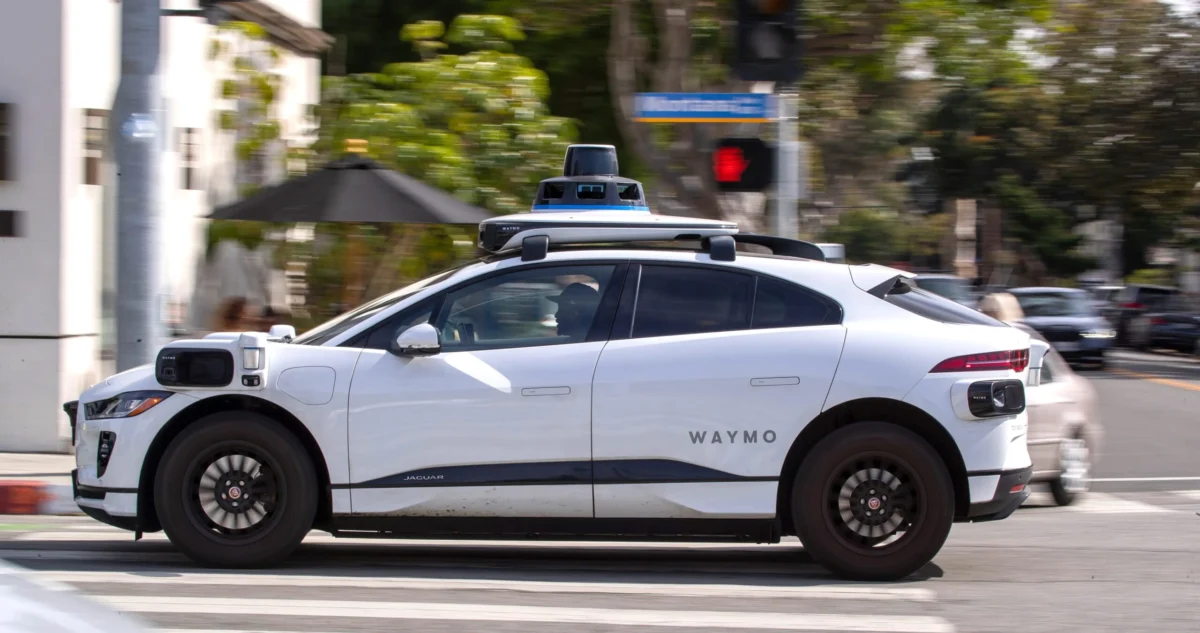
The relentless pursuit of fully autonomous vehicles, once heralded as a panacea for road safety, is revealing a starker reality for the human element involved in its development. While the promise of robotaxis and self-driving cars reducing crashes and enhancing safety remains a core tenet of the industry, a growing body of evidence suggests a significant cost is being borne by the very individuals tasked with testing and refining this cutting-edge technology. Recent data submitted to the Occupational Safety and Health Administration (OSHA) paints a concerning picture, revealing a pattern of injuries sustained by test drivers at leading autonomous vehicle (AV) developers, specifically Waymo and Zoox, during 2024 and 2025.
Sean O’Kane, a senior reporter specializing in special projects, meticulously analyzed these OSHA filings, uncovering over two dozen reported injuries directly attributable to the operation of autonomous vehicles. These incidents, ranging from whiplash to more debilitating conditions, were predominantly caused by abrupt braking or sudden, unexpected movements executed by the AVs. In some documented cases, test drivers were sidelined for extended periods, sometimes months, due to the severity of their injuries, highlighting the physical toll of meticulously monitoring and intervening in the often unpredictable behavior of nascent self-driving systems. This issue underscores a critical paradox: as AI strives to eliminate human error on the roads, the human operators facilitating its advancement are experiencing a new set of occupational hazards.
The evidence of these injuries is not merely anecdotal; it is backed by official reporting, providing a quantifiable measure of the risks involved. While Waymo and Zoox have been identified as having submitted these reports, it is crucial to consider the broader implications. As O’Kane rightly points out, it is highly probable that test drivers employed by other AV developers are also experiencing similar injuries. However, the limited scope of OSHA reporting requirements might mean that these incidents are not being captured for other companies. This potential blind spot in data collection could obscure the full extent of the problem across the entire AV industry, making it difficult to implement comprehensive safety protocols and worker protections uniformly. The full details of O’Kane’s investigative report, including firsthand accounts from current and former workers, offer a deeper understanding of the human experiences behind the technological leaps.
The development of autonomous vehicle technology is a complex, multi-stage process. Initial phases often involve extensive testing in controlled environments, gradually progressing to real-world scenarios. During these testing phases, human drivers, often referred to as safety drivers or test operators, play a critical role. Their responsibilities extend beyond simply supervising the vehicle; they are tasked with intervening when the AV encounters situations it cannot navigate, providing crucial feedback for algorithm refinement, and ensuring the safety of themselves and the public. The sudden braking incidents reported are often a consequence of the AV’s safety protocols, designed to avoid perceived hazards or to react to unexpected road conditions. While these reactions are fundamental to the AV’s learning process, they can be jarring and physically taxing for the human occupant.
The financial implications of these injuries, both for the employees and the companies, are also significant. Medical expenses, lost wages due to inability to work, and potential long-term health issues all contribute to the overall cost of AV development. Furthermore, increased injury rates could lead to higher insurance premiums, greater scrutiny from regulatory bodies, and potential legal challenges, all of which can impact the pace and trajectory of AV deployment. The industry’s aspirational goal of a future with zero crashes is commendable, but achieving it should not come at the expense of the well-being of the workforce instrumental in its realization.
Beyond the immediate physical toll, there’s also the psychological aspect. Constantly being in a state of heightened alert, anticipating sudden movements, and being responsible for the safe operation of a complex AI system can be mentally draining. This constant vigilance, coupled with the physical jolts, can contribute to stress and burnout among test drivers. The industry needs to consider not only the physical safety but also the mental health of its testing personnel.
The regulatory landscape surrounding AV development is still evolving. While agencies like OSHA are responsible for ensuring workplace safety, the unique nature of AV testing presents new challenges. Defining clear guidelines and standards for the safety of test drivers, particularly concerning the unpredictable behaviors of AI-driven vehicles, is an ongoing process. As AVs become more sophisticated and widespread, the need for robust regulatory oversight that addresses these specific occupational hazards will only intensify.

In this dynamic environment, the “Deals!” section of TechCrunch Mobility highlights significant financial injections and strategic moves within the broader transportation and logistics sectors, many of which are intertwined with or influenced by the advancements in AI and autonomous technologies. Gatik, an autonomous vehicle startup specializing in self-driving box trucks, has successfully navigated the challenging landscape of AV development and commercialization. Having emerged from "stealth" in 2019, Gatik has transitioned from a research and development lab to a functioning commercial operator, albeit on a smaller scale than traditional delivery services. Their model, focusing on driverless freight transport between distribution centers and retail stores, has proven viable, exemplified by their partnership with Walmart.
The recent announcement of $200 million in new funding, spearheaded by Qatar Investment Authority and Koch Disruptive Technologies, with contributions from Millennium Management, ARK Invest, and Intact Private Capital, signifies a major vote of confidence in Gatik’s operational model and future growth potential. This substantial capital infusion is earmarked for scaling their operations, a crucial step for any startup aiming to compete in the logistics arena. However, perhaps an even more significant development for Gatik is their multiyear commercial agreement with PepsiCo, inked in June, which represents a contracted revenue stream of $600 million. This substantial commercial commitment not only validates Gatik’s technology but also provides a clear path towards profitability and market penetration, demonstrating that the company is moving beyond theoretical applications to tangible, large-scale deployment.
The deals reported by TechCrunch Mobility also showcase a diverse range of innovation across the mobility spectrum. Airbound, an Indian startup, secured $37 million in Series A funding to develop autonomous drones for delivery services, aiming to compete with traditional trucking. This investment, led by Greenoaks and supported by notable participants like DoorDash and Lightspeed, underscores the growing interest in aerial logistics and the potential for drones to revolutionize last-mile delivery.
Mubadala Capital, the investment arm of Mubadala Investment Company, has agreed to acquire a majority stake in Arrive Logistics, a truckload brokerage firm. This move by a significant investment entity into the traditional brokerage space suggests a strategic interest in leveraging technology and data to optimize freight management, potentially integrating autonomous or AI-driven solutions in the future.
Regent Craft, an electric startup focused on developing and manufacturing electric seagliders, has raised an impressive $120 million in Series B funding, co-led by Mare Liberum and AE Ventures. This round was further bolstered by approximately $120 million in debt capital from Erebor Bank, founded by Anduril Industries’ Palmer Luckey. Regent’s seagliders, operating on the principle of wing-in-ground effect, represent a novel approach to maritime mobility. The company’s expansion into a substantial 255,000-square-foot factory and its increased focus on the defense sector highlight a strategic pivot, likely driven by the substantial funding opportunities and potential for strategic partnerships within the defense industry.
In the realm of private aviation, Vista Global Holding, a UAE-based group, is reportedly exploring a European Initial Public Offering (IPO) that could raise over $1 billion. Such a significant IPO signals a strong market appetite for established players in the luxury travel sector, potentially reflecting a post-pandemic resurgence in private air travel demand.
The "Notable Reads and Other Tidbits" section delves into a variety of pertinent topics shaping the future of mobility and broader societal concerns. A recent YouGov survey indicates that a majority of Americans oppose the use of police license plate cameras, a sentiment that sparks a broader discussion about surveillance, privacy, and law enforcement technology. This raises important questions about the balance between public safety initiatives and individual liberties, a debate that will likely intensify as technology becomes more pervasive.
In the electric two-wheeler market, Belgian startup Any is placing a strategic bet on the cargo segment, indicating a growing recognition of the demand for versatile and sustainable personal transportation solutions for carrying goods. This focus on utility and practicality could represent a significant growth avenue for electric mobility beyond the commuter market.

General Motors is facing heightened scrutiny from U.S. safety regulators concerning brake problems in its electric vehicles. Reports of hundreds of incidents, including over 20 crashes or fires and at least six injuries, have triggered a deeper federal investigation, highlighting the critical importance of robust safety systems in the burgeoning EV market. This situation underscores the challenges manufacturers face in ensuring the reliability and safety of complex new technologies.
Ford has made a significant executive hire, bringing on Dave Carroll as president of its energy business. Carroll’s previous experience at ENGIE North America suggests a strategic push towards expanding Ford’s presence and capabilities in the energy sector, potentially integrating with their automotive offerings and the broader energy transition.
The departure of Rivian CFO Claire McDonough at the end of October marks a notable change in leadership for the electric vehicle startup. McDonough’s tenure coincided with a pivotal and often tumultuous period for Rivian, including its highly anticipated IPO. Her resignation comes at a critical juncture as Rivian embarks on significant projects, including a robotaxi collaboration with Uber and the scaling of production for its R2 SUV, underscoring the intense pressures and high stakes within the competitive EV landscape.
Uber is introducing a new live video streaming feature for teen accounts, allowing parents to monitor their children’s rides in real-time. This safety initiative reflects Uber’s ongoing efforts to enhance user trust and address concerns about passenger safety, particularly for younger riders.
Waymo, a leader in autonomous driving technology, has shared ten lessons learned from its extensive fleet operations, accumulating over 200 million autonomous miles. One key takeaway, emphasizing the indispensable role of multimodal sensors, stands in direct contrast to Tesla’s camera-only approach, reigniting the debate on sensor fusion versus vision-based systems. Waymo’s insights into vision language models also highlight the growing importance of AI’s ability to interpret and understand visual data in complex environments. Furthermore, Waymo is expanding its global footprint, announcing plans to launch its robotaxi service in Munich, Germany, signaling a growing international ambition for autonomous ride-hailing.
The "One More Thing…" segment provides a crucial clarification regarding Waymo’s custom silicon chip. Previously, a statement about a 5 nm ASIC chip delivering over 1,000 TOPS (trillions of operations per second) of ML performance for front-end processing was interpreted by many, including this publication, to mean that a single chip achieved this performance level, comparable to Nvidia’s Drive AGX Thor. However, a Waymo spokesperson clarified that the 1,000 TOPS figure refers to the performance of the system, not a single chip. This distinction is significant, as it reframes the technological capabilities and architecture of Waymo’s autonomous driving system, highlighting a more integrated approach to computational power rather than an overwhelming reliance on a single, exceptionally powerful component. This clarification underscores the importance of precise communication in the rapidly evolving field of AI and autonomous systems, where technical specifications can be easily misinterpreted. The pursuit of advanced AI in transportation continues to push the boundaries of innovation, while simultaneously demanding careful consideration of the human impact and the intricate details of technological implementation.
