
 By Titik Puspa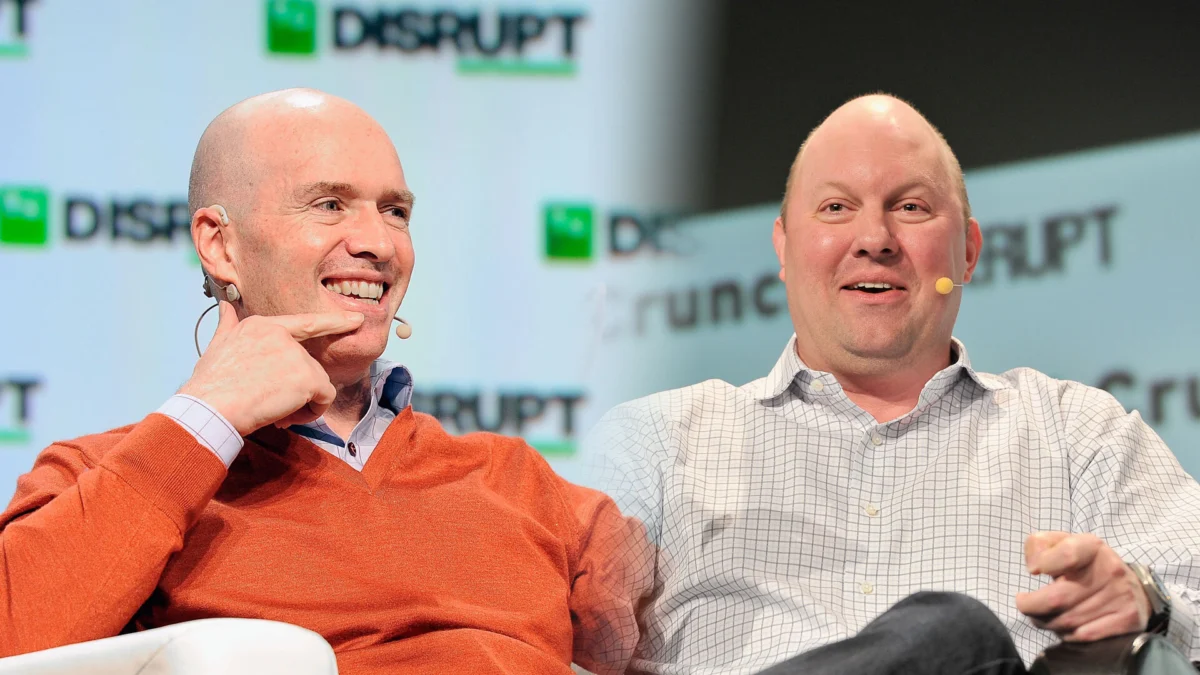
A prominent super political action committee (PAC) deeply invested in promoting artificial intelligence has launched a new affiliated group, Build American AI, poised to flood key battleground states with advertising campaigns advocating for the construction and expansion of data centers. This strategic move, detailed by several media outlets, signals a concerted effort by well-funded tech interests to influence public opinion and political discourse around AI infrastructure, particularly in regions where the development of these digital hubs has become a contentious issue.
Build American AI’s primary objective is to persuade voters of the benefits of hosting data centers within their communities. The organization explicitly states its affiliation with Leading the Future (LTF), a super PAC that has garnered significant attention, and at times criticism, for its aggressive political engagement. LTF’s substantial funding originates from influential venture capitalists Marc Andreessen and Ben Horowitz, as well as OpenAI President Greg Brockman. This nexus of powerful figures in the AI and venture capital worlds underscores the high stakes involved in the current push for AI-centric infrastructure development.
The initial advertising blitz by Build American AI is slated to target Kansas, Ohio, and Wisconsin. These states have been identified as crucial battlegrounds not only for general elections but also for specific statewide contests where the presence and impact of data centers have emerged as a central theme. The group has publicly stated its intention to deploy a multi-million dollar advertising budget, indicating a significant investment in shaping the narrative around data center development. This aggressive funding strategy is designed to ensure their message reaches a broad audience of voters in these pivotal states, aiming to counter potential local opposition and build political momentum for their agenda.
Leading the Future, the parent organization, has been a formidable force in political fundraising and spending since its inception. Reports from Politico reveal that LTF was launched with over $50 million in funding and has primarily channeled these resources into direct financial support for specific political candidates. Their strategy extends beyond mere endorsements; LTF actively seeks out and backs politicians who champion AI development and advocate for policies that facilitate its growth. Conversely, the PAC has also been known to oppose candidates whose platforms include lobbying against AI technologies or expressing concerns about their rapid expansion. This dual approach of supporting allies and targeting opponents demonstrates a comprehensive strategy to influence the political landscape in favor of AI interests.
The considerable influence and aggressive tactics employed by LTF have not gone unnoticed, nor have they been universally welcomed. OpenAI, the leading AI research and deployment company, found it necessary to publicly distance itself from LTF in a June blog post. The statement acknowledged the support provided to LTF by Greg Brockman, OpenAI’s President and co-founder, and his wife, Anna. However, OpenAI was emphatic in clarifying that it does not direct LTF’s operations or have any insight into their activities. This public disavowal suggests a strategic move by OpenAI to mitigate potential reputational damage or to create distance from specific advocacy methods that may be perceived as controversial.
Further elaborating on its concerns, OpenAI’s blog post explicitly condemned certain tactics attributed to LTF. The company’s statement urged advocacy groups to be transparent about their policy positions, clearly identify their representatives, and avoid employing methods such as "astroturfing." Astroturfing, in this context, refers to the practice of orchestrating a campaign to give the appearance of widespread, spontaneous grassroots support when, in reality, it is a paid and organized effort. By calling out this practice, OpenAI implicitly criticized LTF’s approach as potentially misleading to policymakers and the public, suggesting a preference for more genuine and transparent forms of advocacy.
While LTF has become a conspicuous player in the AI political arena, particularly within Silicon Valley circles, it is not the sole entity backed by major tech players pushing an AI agenda. Another significant example is Anthropic, a prominent AI safety and research company. Anthropic has publicly declared its support for Public First Action, a group that champions AI regulation. This highlights a nuanced landscape where different factions within the AI industry may converge on certain goals, such as promoting AI development, but diverge on the specific regulatory frameworks or advocacy strategies they favor. The existence of groups like Public First Action, advocating for regulation rather than unchecked growth, demonstrates that the discourse around AI policy is multifaceted and involves competing interests.
The financial clout behind these AI advocacy efforts is substantial, driven by individuals and firms with deep pockets and a vested interest in the future of artificial intelligence. Marc Andreessen and Ben Horowitz, through their venture capital firm Andreessen Horowitz, have been particularly active in political spending. A New York Times report characterized their involvement as "spending on politics like no other." According to their calculations, Andreessen Horowitz has emerged as one of the largest donors in the current midterm election cycle, surpassing even high-profile figures like Elon Musk and George Soros. The firm has reportedly disbursed over $115 million in disclosed federal contributions. This substantial financial commitment extends beyond solely supporting AI initiatives; it also encompasses robust backing for pro-cryptocurrency efforts, notably through the crypto super PAC Fairshake. The sheer scale of their political investments underscores a strategic vision that intertwines technological advancement with political influence, aiming to shape both the innovation landscape and the regulatory environment.
The strategic deployment of Build American AI and its extensive advertising campaign in battleground states represents a significant escalation in the political engagement of AI interests. By focusing on data centers, the campaign targets a tangible aspect of AI infrastructure that has direct implications for local economies, job creation, energy consumption, and environmental impact. These issues resonate with voters and can become potent political talking points. The choice of states like Kansas, Ohio, and Wisconsin is indicative of a data-driven approach to political strategy, identifying areas where public opinion on industrial development and technological investment may be particularly susceptible to persuasive messaging.
The narrative that Build American AI aims to construct likely emphasizes the economic benefits of data centers, such as job creation, tax revenue, and technological advancement. These arguments are often framed as essential for future economic competitiveness and innovation. However, the opposition to data centers often centers on concerns about their significant energy demands, their potential environmental footprint, and the impact on local communities regarding land use and infrastructure strain. The multi-million dollar ad blitz suggests that Build American AI intends to proactively address these concerns, or at least to frame them in a manner favorable to their development agenda.
The affiliation with Leading the Future and its prominent backers provides Build American AI with a degree of established political infrastructure and a network of potential allies. LTF’s track record of supporting specific candidates suggests that Build American AI’s advocacy may be coordinated with efforts to elect individuals who are amenable to policies that facilitate data center development. This can involve not only direct financial contributions to campaigns but also the creation of favorable public opinion that can sway undecided voters and put pressure on incumbent politicians.
The controversy surrounding LTF’s tactics, including the accusation of astroturfing, raises important questions about transparency and authenticity in political advocacy. When well-funded organizations attempt to simulate grassroots support, it can obscure the true origins and motivations behind policy proposals, making it difficult for the public and policymakers to make informed decisions. OpenAI’s public condemnation, while perhaps self-serving in part, highlights a broader concern within the tech industry about the potential for aggressive or misleading advocacy to undermine public trust and create a distorted policy debate.
The broader context of venture capital and tech industry involvement in politics is crucial to understanding this development. The immense profitability and societal impact of artificial intelligence have naturally attracted significant investment and, consequently, a strong desire to influence the political environment that governs its growth. Figures like Andreessen and Horowitz, who have been instrumental in shaping the digital economy, are now leveraging their financial power and influence to shape the future of AI through political action. Their broad investment strategy, encompassing AI, cryptocurrency, and other emerging technologies, indicates a holistic approach to shaping the future of innovation and its regulatory landscape.
The current advertising push by Build American AI is likely to be just one facet of a larger, more sustained effort to shape the political and public discourse around AI infrastructure. As AI continues its rapid evolution and integration into various aspects of society, the demand for the underlying digital infrastructure, such as data centers, will undoubtedly grow. This growing demand, coupled with the significant economic and political implications, makes the development and siting of data centers a critical issue. The battleground states chosen for this initial campaign will serve as a testing ground for strategies that may be replicated elsewhere as the debate over AI’s future intensifies. The success or failure of Build American AI’s efforts could set important precedents for how tech advocacy groups engage with voters and influence policy in the coming years, highlighting the intricate relationship between technological advancement, economic interests, and the democratic process. The substantial financial resources being deployed suggest a commitment to a long-term strategy, aiming to build a favorable political ecosystem for the continued expansion of AI-driven technologies.
