
 By admin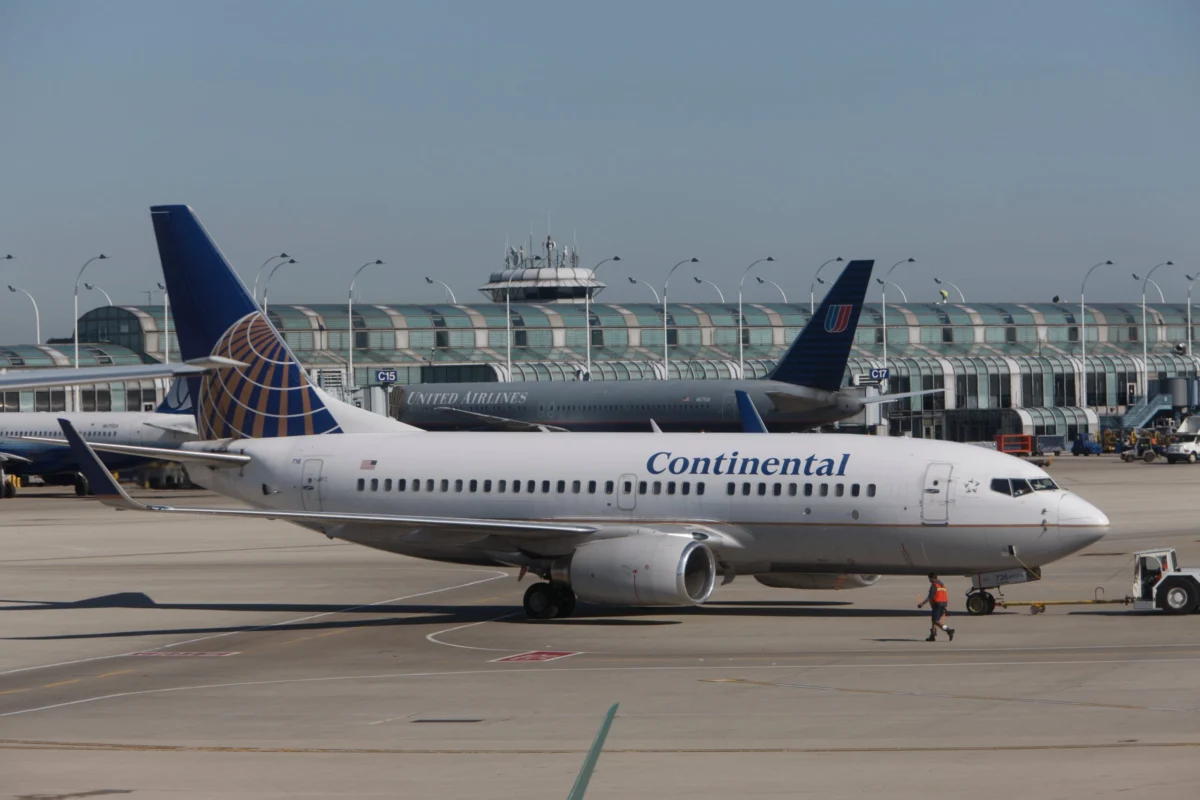
The suspension of the Newark-to-Lima route is set to take effect on March 27, 2027, providing travelers and corporate partners a lengthy window of roughly seven months to adjust their itineraries. According to a United spokesperson, the move is part of a broader "regular adjustment" to flight schedules based on seasonality, shifting demand, and evolving market factors. However, the end of this route is more than just a schedule change; it is the severance of a legacy link that predates the 2010 merger between United and Continental Airlines. Continental, which established Newark as its premier global gateway, began flying the Newark-Lima corridor as far back as 1996. For over three decades, this flight served as a vital bridge between the New York metropolitan area—home to one of the largest Peruvian-American communities in the United States—and the historic capital of Peru.
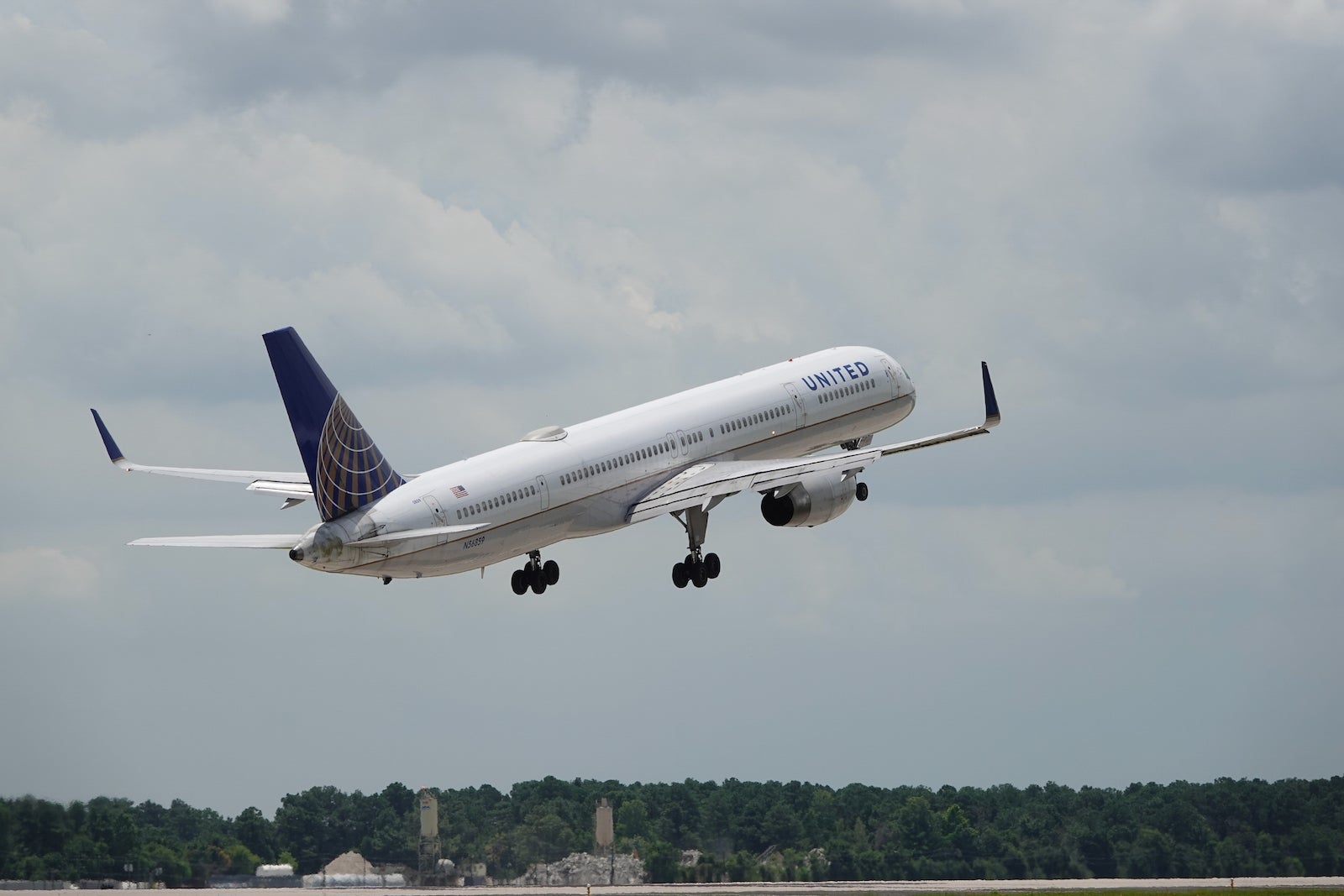
To understand why United is walking away from a legacy Newark route while simultaneously expanding elsewhere, one must look at the carrier’s broader South American strategy and the strengthening of its "Gateway to the Americas" in Texas. As the Newark service winds down, United is doubling down on its hub at Houston’s George Bush Intercontinental Airport (IAH). On the same day the Newark route ceases, United will increase its Houston-to-Lima frequency from one daily nonstop flight to two. This consolidation suggests that United sees more value in funneling its South American traffic through a centralized mid-continent hub rather than maintaining a point-to-point long-haul service from the congested New York airspace.
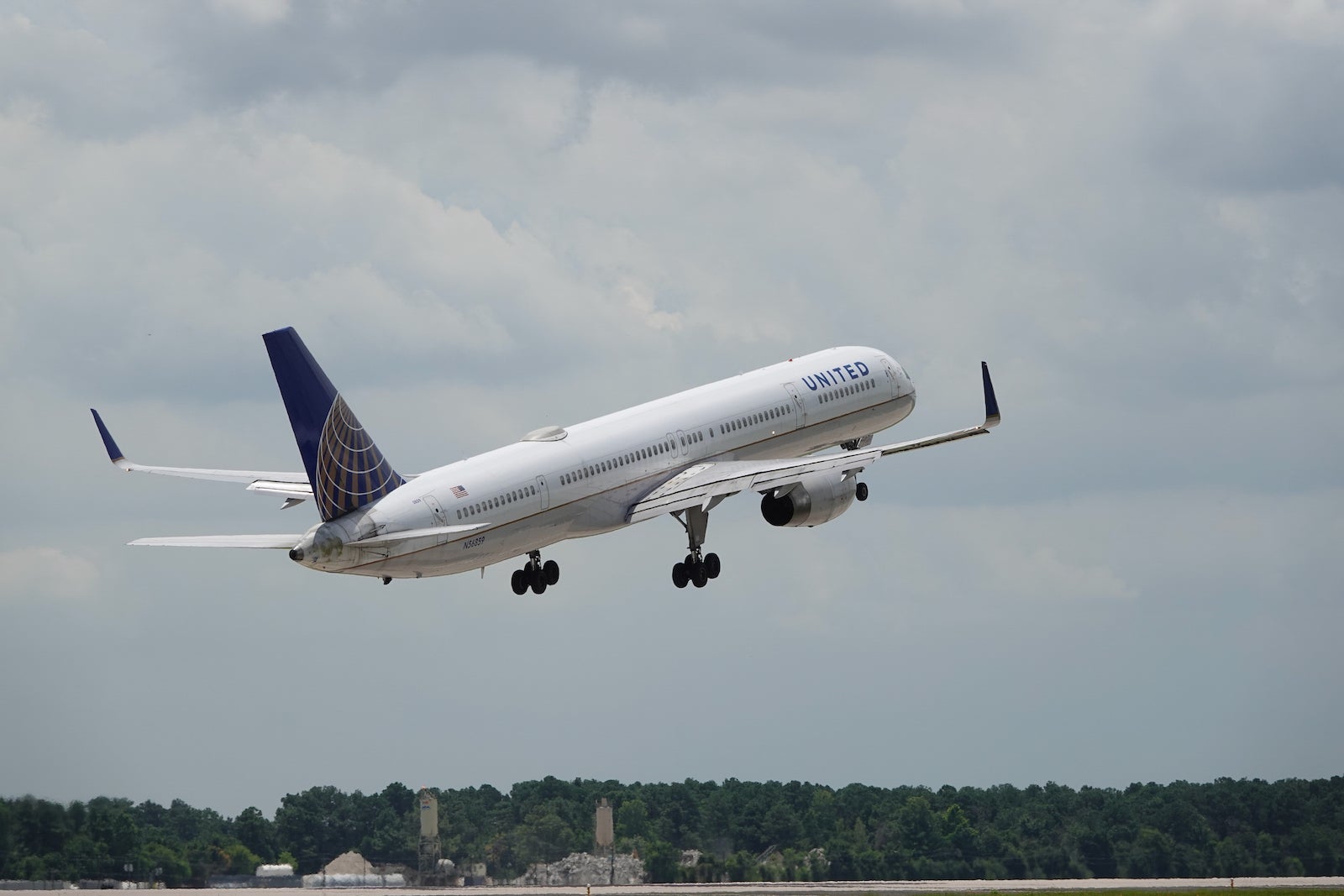
The strategic logic behind the Houston pivot is multifaceted. Geographically, Houston is better positioned to capture connecting traffic from across the United States, particularly from the West Coast, Midwest, and South. For a passenger traveling from San Francisco or Denver to Lima, a connection in Houston is more efficient than flying all the way to Newark only to backtrack south. Furthermore, the Newark hub is notoriously capacity-constrained. By removing the Lima flight, United frees up a valuable "slot" and a long-range aircraft that can be redeployed to more lucrative transatlantic routes or the airline’s newly announced exotic destinations like Greenland, Madeira, or Ulaanbaatar.
The Newark-to-Lima route has traditionally been operated by the Boeing 757-300, a "workhorse" aircraft known for its high capacity and range. However, as the 757 fleet ages, United is looking toward a future dominated by the Airbus A321XLR and the Boeing 787 Dreamliner. The transition in fleet composition often necessitates a transition in route structures. Routes that were marginally profitable on a 757 might not fit the mission profile of the newer, more efficient aircraft, or they might be better served by the increased frequency offered by a dual-daily service out of a hub like Houston.
This "Lima shakeup" also reflects the intensifying competition in the South American aviation sector. United faces stiff pressure from the formidable partnership between Delta Air Lines and LATAM Airlines. Since the two carriers received antitrust immunity for their joint venture, they have aggressively coordinated schedules and pricing, making it more difficult for United to maintain market share on standalone routes from the Northeast. LATAM, which maintains a significant presence at New York’s John F. Kennedy International Airport (JFK), offers direct competition to the Peruvian market. By consolidating its Lima operations in Houston, United can leverage its dominant position in the Texas market to compete more effectively on price and frequency, rather than fighting a fragmented battle across multiple East Coast gateways.
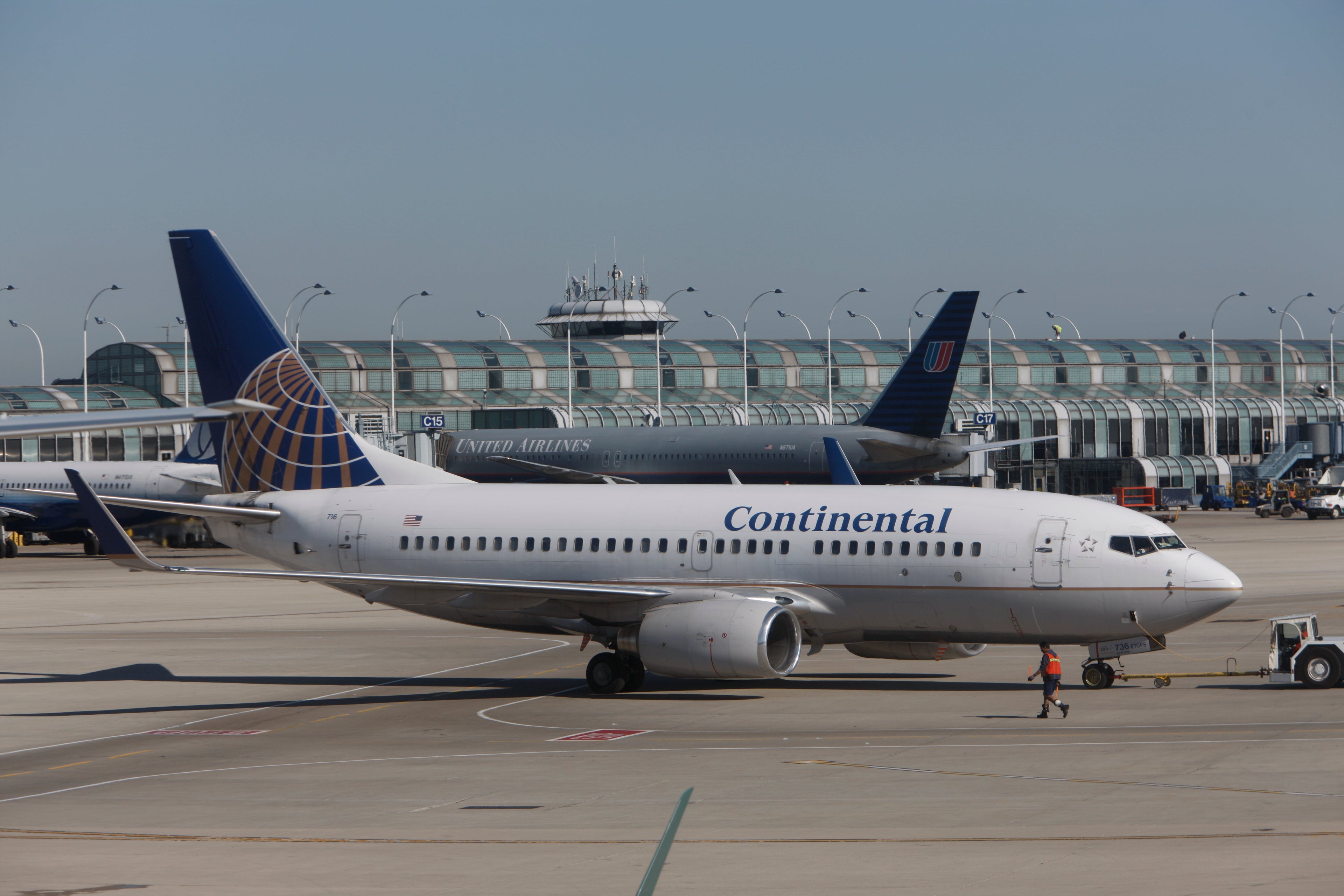
The history of the Newark-Lima route serves as a microcosm of the evolution of the U.S. airline industry. In the 1990s, under the leadership of Gordon Bethune, Continental Airlines transformed Newark from a struggling secondary airport into a world-class international hub. The Lima route was a jewel in the "Latinization" of the Newark hub, catering to both the burgeoning business ties between Wall Street and Lima’s growing economy and the VFR (Visiting Friends and Relatives) market. Following the 2010 merger, United inherited this network and maintained it for over a decade, even as the industry shifted toward massive joint ventures and mega-hubs.
The timing of this announcement is particularly noteworthy, coming just days after United’s Chief Network Officer, Patrick Quayle, detailed the airline’s most ambitious global expansion to date. While United is moving into uncharted territory with flights to places like Split, Croatia, and Palermo, Italy, the airline is clearly not afraid to trim the "legacy" fat where the numbers no longer add up. This approach demonstrates a "United Next" philosophy: a willingness to abandon sentimentality in favor of operational efficiency. During the expansion announcement, Quayle noted that the carrier did not plan to cut any of its "bold" long-haul destinations launched in recent years, but he remained silent on the fate of older routes that may have reached their strategic expiration date.
For travelers based in the New York area, the loss of the Newark-Lima nonstop is a blow to convenience. While United will still offer one-stop connections through Houston or Washington Dulles (IAD), the total travel time will inevitably increase. Travelers seeking a nonstop experience may be forced to look toward JFK, where carriers like LATAM or Delta provide alternatives, or perhaps even look to American Airlines via Miami. However, United’s gamble is that the increased frequency out of Houston will provide more flexibility for the majority of its customer base, offering better "banked" connections that reduce layover times for passengers originating elsewhere in the country.
Furthermore, the economic landscape of Peru itself plays a role in these network decisions. While Peru remains a premier global tourist destination—driven by the enduring allure of Machu Picchu and Lima’s status as the gastronomic capital of the world—the business travel segment has seen fluctuations due to local political instability and shifting trade patterns. Airlines are increasingly moving toward "seasonalizing" their networks, and it is possible that the Newark-to-Lima route could eventually return as a seasonal service if market conditions improve. For now, however, the "effective March 2027" date appears to be a definitive end to year-round service.
As United prepares for the arrival of its new Airbus A321XLR aircraft, the airline is essentially remapping its entire Atlantic and Latin American footprint. The A321XLR is designed to fly "long and thin" routes—those with lower demand that don’t require a wide-body jet but span distances previously unreachable by narrow-body planes. While one might think this aircraft would be perfect for a route like Newark-Lima, United’s decision to double down on Houston suggests they prefer the "hub-and-spoke" efficiency of IAH over the "long-thin" potential of EWR for this specific destination.
In summary, the discontinuation of United’s Newark-to-Lima service marks the end of an era that began in the mid-90s with Continental Airlines. It is a move that reflects the modern reality of the airline industry: a world where hub optimization, joint-venture competition, and fleet modernization dictate the map more than historical legacy. As United looks toward 2027, its vision is clear—to be the leading global carrier of the United States, even if that means closing the door on a route that has served millions of passengers over the last three decades. The Newark-to-South America corridor is not disappearing, but its heart is moving to Houston, leaving the New York gateway to focus on the carrier’s massive and growing ambitions across the Atlantic. For the loyal Newark flyer, it is the end of a long-standing direct link; for United, it is the next logical step in a high-stakes game of global chess.
