
 By admin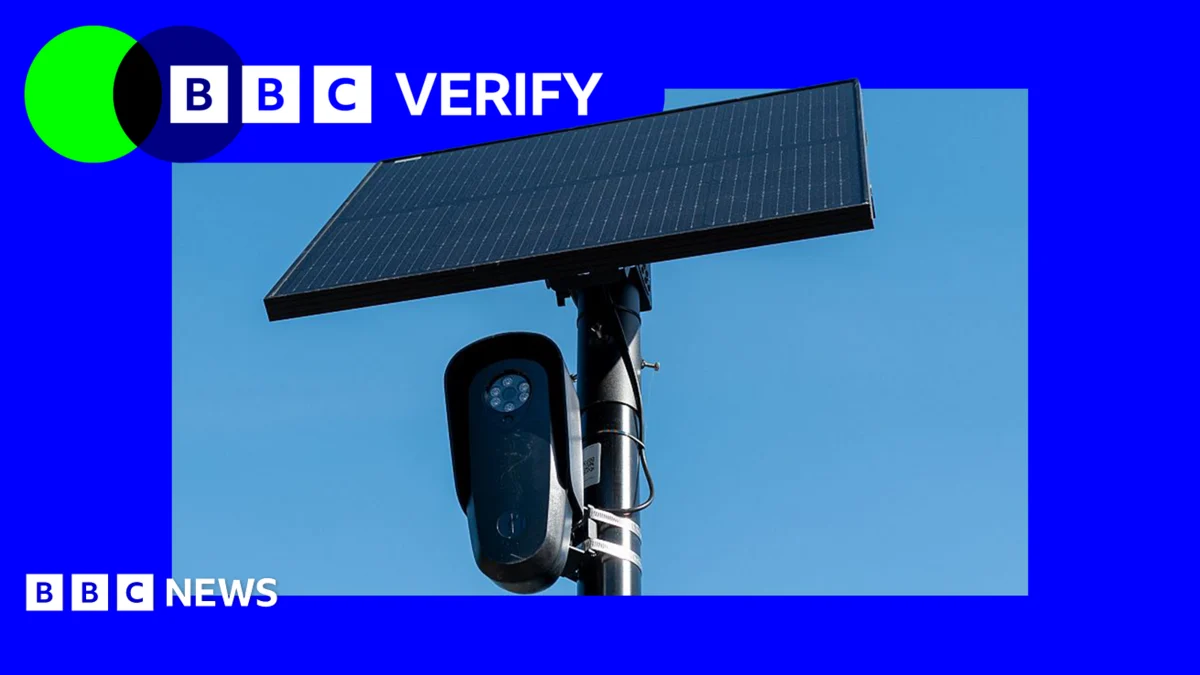
A sprawling network of artificial intelligence-powered license plate readers, operated by the private company Flock, is undergoing a dramatic and largely unchecked expansion across the United States, raising significant privacy concerns and igniting widespread protests. With approximately 130,000 of these sophisticated cameras now deployed nationwide, predominantly serving law enforcement agencies, the implications for individual liberties and the potential for misuse are becoming increasingly urgent topics of discussion and alarm. This report, by BBC Verify, delves into the intricacies of Flock’s pervasive system and the burgeoning backlash against its ever-growing presence.
Flock’s technology, which utilizes high-resolution cameras equipped with advanced AI algorithms, captures images of license plates of passing vehicles. These captured plates are then compared against various databases, including those of law enforcement agencies, stolen vehicle registries, and potentially other private or government datasets. The system is designed to flag vehicles of interest, aiding in investigations, locating missing persons, and even identifying individuals suspected of criminal activity. Proponents of the technology argue that it is an indispensable tool for modern policing, enhancing public safety and providing crucial evidence in criminal cases. They emphasize its ability to quickly identify suspects and vehicles involved in crimes, thereby expediting investigations and potentially preventing further offenses.
However, the sheer scale of Flock’s deployment, coupled with the opaque nature of its operations and data handling practices, has fueled a growing chorus of dissent. Critics argue that the widespread collection of license plate data creates a detailed and intimate record of individuals’ movements, effectively building a digital shadow of their daily lives. This data, they contend, can be exploited for purposes far beyond legitimate law enforcement needs, potentially leading to unwarranted surveillance, profiling, and even the chilling of free speech and association. The lack of robust public oversight and transparency surrounding the use of these systems further exacerbates these anxieties.
The expansion of Flock’s network is not merely a statistical increase; it represents a fundamental shift in the surveillance landscape of the United States. Historically, mass surveillance has often been associated with government entities. However, the rise of private companies like Flock, which are essentially selling surveillance capabilities to municipalities and law enforcement agencies, blurs these lines. This privatization of surveillance raises critical questions about accountability, data ownership, and the potential for profit-driven motives to influence the deployment and use of such powerful technologies.
To understand the scope of this issue, it is crucial to examine the context of the existing surveillance infrastructure. The US already possesses a vast array of surveillance tools, including CCTV cameras, facial recognition technology, and cell phone tracking. Flock’s license plate readers add another layer to this, creating a comprehensive system capable of tracking the movements of a significant portion of the American population. The data collected by these readers can be cross-referenced with other surveillance streams, creating an even more detailed and potentially intrusive picture of individuals’ lives.
Expert perspectives highlight the dual nature of this technology. Dr. Anya Sharma, a leading privacy advocate and researcher at the Digital Rights Foundation, states, "The potential benefits of Flock’s technology for law enforcement are undeniable. However, we are sleepwalking into a surveillance state without adequate safeguards. The data collected by these readers is incredibly sensitive. It can reveal where you live, where you work, who you associate with, and even your religious or political affiliations. Without strict regulations and transparent oversight, this data is ripe for abuse."
Conversely, Detective Mark Jenkins, a spokesperson for the National Police Chiefs’ Council, argues that "Flock’s technology is a game-changer for public safety. We’ve seen it help us apprehend dangerous fugitives, recover stolen vehicles, and solve crimes that would have otherwise gone cold. The privacy concerns are valid, but they must be balanced against the need to protect our communities. We operate under strict legal frameworks, and the data is only used for legitimate law enforcement purposes."
However, the reality on the ground often paints a more complex picture. Reports have emerged of Flock’s technology being used in ways that extend beyond traditional law enforcement, including for civil enforcement purposes and by private entities. This lack of clear boundaries and the potential for "function creep" – where technology initially intended for one purpose is gradually expanded to other uses – is a significant concern for civil liberties organizations.
The protests against Flock’s technology are a visible manifestation of this growing unease. From small towns to major cities, citizens are voicing their opposition, often citing concerns about the erosion of privacy and the potential for discriminatory surveillance. In some instances, these protests have led to moratoriums or outright bans on the use of Flock’s readers by local governments. The "No Flock Cameras" movement, a grassroots initiative, has gained significant traction, organizing awareness campaigns and advocating for legislative action to restrict the deployment of such surveillance systems.
Jake Horton’s investigation, produced by Krystal Campos with graphics by Leo Scutt-Richter, aims to shed light on the operational aspects of Flock’s system. This includes understanding how the data is collected, stored, accessed, and shared. The question of data retention policies is particularly critical. How long is this sensitive information kept? Who has access to it? And under what circumstances can it be shared with third parties, including other law enforcement agencies, federal bodies, or even private companies? The lack of clear and publicly accessible answers to these questions fuels public distrust.
Furthermore, the algorithms themselves are a subject of scrutiny. While AI can be a powerful tool, it is not infallible. Concerns about algorithmic bias, where AI systems may disproportionately target certain demographic groups, are a well-documented issue. If Flock’s AI is trained on biased data, it could perpetuate and even amplify existing societal inequalities, leading to unfair targeting and harassment of marginalized communities. This raises the specter of a technologically advanced system that, instead of enhancing justice, exacerbates injustice.
The business model of Flock also warrants examination. As a private company, Flock’s primary objective is profit. This raises questions about the incentives driving the expansion of their network. Are they actively lobbying governments and law enforcement agencies to adopt their technology? Are there incentives for agencies to purchase more cameras or expand their usage? Understanding these economic drivers is crucial to grasping the full picture of the surveillance expansion.
The legal framework surrounding the use of license plate readers is also a patchwork of varying state and local laws, with many areas lacking specific regulations. This regulatory vacuum allows for the rapid proliferation of these technologies without adequate consideration of their societal impact. Calls for federal legislation to establish national standards for the collection, use, and retention of license plate data are growing louder, but progress has been slow.
The implications of this expanding network extend beyond mere data collection. The potential for "chilling effects" on public life is a significant concern. If individuals know they are being constantly monitored, they may alter their behavior, avoiding protests, public gatherings, or even certain routes, for fear of being flagged or scrutinized. This can have a profound impact on democratic participation and the exercise of fundamental rights.
In conclusion, the rapid expansion of Flock’s AI license plate reader network represents a critical juncture in the ongoing debate about privacy and surveillance in the United States. While proponents highlight its utility in enhancing public safety, critics voice grave concerns about the erosion of civil liberties, the potential for misuse of data, and the lack of transparency and accountability. As the number of these cameras continues to climb, so too does the urgency for a comprehensive and open public discussion, robust legislative action, and clear ethical guidelines to ensure that the pursuit of security does not come at the unacceptable cost of fundamental freedoms. The BBC Verify investigation serves as a vital call to action, urging citizens and policymakers alike to confront the implications of this rapidly evolving surveillance infrastructure.
