
 By admin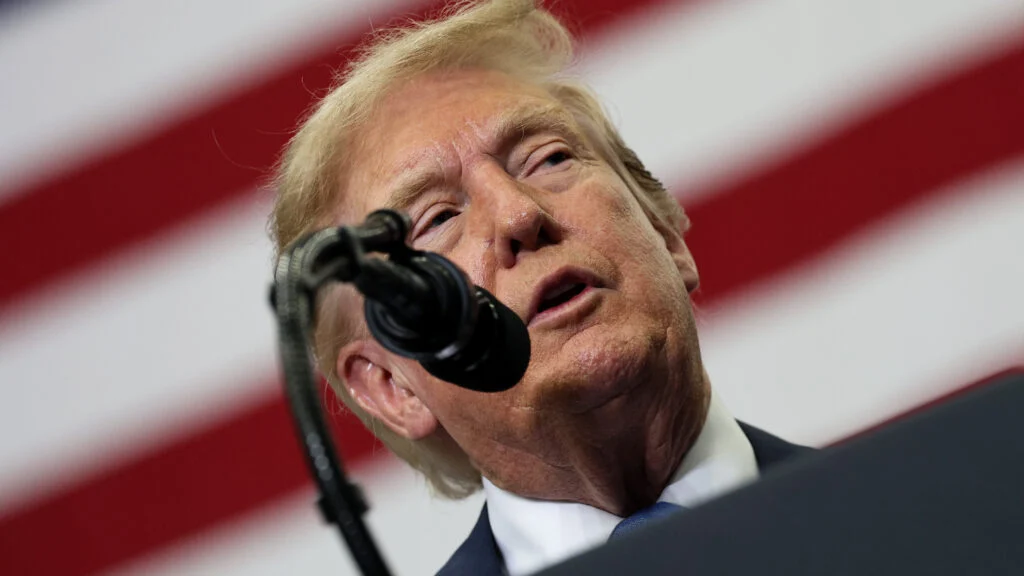
In a move that significantly broadens the White House’s ongoing efforts to overhaul the American pharmaceutical market, President Donald Trump announced on Monday that nine additional drug manufacturing companies have entered into voluntary pricing agreements with the federal government. This latest expansion brings the total number of participating pharmaceutical firms to 26, following an initial wave of 17 companies that reached similar accords earlier this year. The newly added participants—Alcon, Astellas, BeOne, BridgeBio, CSL, Sun Pharma, Kyowa Kirin, Teva, and UCB—have committed to a framework designed to lower the cost of medications for American consumers while strengthening the domestic medical supply chain through increased manufacturing and contributions to national stockpiles.
Under the terms of these agreements, which the administration describes as a cornerstone of its "America First" healthcare agenda, the participating companies have pledged to sell new medications to U.S. patients at prices that are comparable to the lowest prices offered in peer developed nations. This concept, often referred to as "Most-Favored Nation" (MFN) pricing, aims to eliminate the long-standing disparity where American taxpayers and patients often pay double or triple what citizens in Europe, Japan, or Canada pay for the exact same treatments. Furthermore, the companies have agreed to offer these preferential rates to state Medicaid programs, ensuring that the country’s most vulnerable populations benefit from the negotiated discounts.
The administration’s strategy appears to rely on a "carrot and stick" approach. In exchange for these voluntary concessions, industry analysts believe the participating companies will be shielded from the aggressive tariffs that the Trump administration has threatened to levy against foreign-manufactured goods. Of the nine new companies joining the initiative, eight are headquartered outside the United States, highlighting the global nature of the pharmaceutical supply chain and the administration’s use of trade leverage to influence healthcare costs. For these international firms, the prospect of avoiding broad-based tariffs on their exports to the U.S. market serves as a powerful incentive to comply with the President’s pricing demands.
A critical component of these new deals involves the physical security of the U.S. medical infrastructure. Four of the companies—UCB, Sun Pharma, Teva, and Astellas—have collectively committed to contributing 290 metric tons of active pharmaceutical ingredients (API) to the nation’s strategic reserves. This move is intended to mitigate the risks associated with global supply chain disruptions, a lesson learned during the height of the COVID-19 pandemic and subsequent global logistics crises. By securing massive quantities of the raw materials needed to manufacture essential medications, the administration hopes to ensure that the U.S. is not overly dependent on foreign adversaries for life-saving drugs. The inclusion of Teva and Sun Pharma is particularly noteworthy, as both companies are global leaders in the production of generic medications, which account for the vast majority of prescriptions filled in the United States.
Health and Human Services Secretary Robert F. Kennedy Jr. spoke at length on Monday about the scope of these agreements, claiming that with the addition of these nine companies, approximately 90% of all drugs prescribed in the United States are now covered by some form of pricing agreement with the administration. Kennedy, a central figure in the administration’s health policy reform efforts, framed the deals as a victory for the American consumer over the "extortionate" pricing models of the past. He also provided a rare glimpse into the internal pressures within the White House, noting that President Trump has been intensely focused on delivering tangible results before the next election cycle.
According to Kennedy, the President engaged in "very, very emotional conversations" with him and Centers for Medicare and Medicaid Services (CMS) Administrator Mehmet Oz, making it explicitly clear that their continued employment was contingent upon their ability to secure these drug pricing concessions. During the announcement, President Trump corroborated this high-pressure environment, quipping, “I didn’t want to fire a Kennedy. I wasn’t going to do that,” but emphasizing that the results were non-negotiable. This dynamic underscores the political urgency the administration has placed on the issue of drug pricing, which remains a top-tier concern for voters across the political spectrum.
Despite the administration’s celebratory tone, the deals have been met with a degree of skepticism from policy experts and transparency advocates. The specific details of the agreements—such as the exact price points for individual drugs or the specific impact on Medicare Part B and Part D spending—have not been made public. This lack of transparency makes it difficult for independent analysts to quantify the actual savings for taxpayers or the average patient. Furthermore, critics point out that Medicaid already benefits from a "best price" rule under federal law, which requires manufacturers to provide the program with the lowest price available to any other purchaser in the U.S. It remains unclear how much the "Most-Favored Nation" status in these voluntary deals will exceed the savings already mandated by existing statutes.
The backdrop of these voluntary deals is a long-running conflict between the executive branch and the pharmaceutical industry. For months, biotech and pharma giants have been scrambling to find an alternative to the administration’s proposed Medicare pilot programs. Those programs, which the industry views as a form of "socialized price controls," would have used mandatory mechanisms to link U.S. drug costs to international benchmarks. By entering into these voluntary, private agreements, the companies hope to stave off more permanent, legally binding price regulations. The industry’s willingness to cooperate is seen by many as a tactical retreat; the companies are choosing to give up some profit margin now to avoid a total overhaul of the market’s pricing structure later.
Moreover, the "voluntary" nature of these deals is a point of contention. While the administration has touted them as a collaborative success, industry insiders suggest they are more akin to a negotiated truce. Many pharmaceutical companies are still actively exploring legal avenues to challenge the administration’s broader drug pricing policies in court, arguing that the government lacks the authority to bypass Congress to set prices through executive action or pilot programs. The White House has simultaneously been pressuring Congress to codify these voluntary agreements into law, which would make the price caps permanent and harder for a future administration to reverse.
The effectiveness of the administration’s previous initiatives also casts a shadow over the new announcement. The "TrumpRx" platform, a digital marketplace launched with the goal of providing transparent, low-cost drug options directly to consumers, has faced criticism for failing to live up to its initial hype. While the administration claims the platform has helped lower costs, independent reviews suggest its impact has been limited to a narrow range of medications, and it has struggled to compete with established pharmacy benefit managers and discount programs.
The role of Dr. Mehmet Oz in these negotiations also highlights the administration’s unconventional approach to healthcare management. As the head of CMS, Oz has been tasked with leveraging the purchasing power of the federal government to squeeze better deals out of manufacturers. His involvement, along with Kennedy’s, signals a shift away from traditional bureaucratic processes in favor of direct, often confrontational, negotiation with corporate CEOs.
Analysis of the nine new companies reveals a strategic selection by the administration. Alcon, based in Switzerland, is a leader in ophthalmology, a field where specialized treatments can be prohibitively expensive. CSL, an Australian biotech giant, is a major player in blood plasma therapies and vaccines. Kyowa Kirin (Japan) and UCB (Belgium) provide high-cost treatments for rare diseases and neurological disorders. By bringing these specific players to the table, the administration is targeting high-cost niches of the pharmaceutical market that have historically been resistant to price competition.
However, the three-year term of these agreements remains a significant caveat. These are private-sector deals that are tied specifically to the current administration’s tenure. If there is a change in leadership at the White House or a shift in policy priorities, these voluntary pledges could expire or be abandoned, leaving the underlying issues of the American pharmaceutical market unresolved. This temporary nature suggests that while the deals may provide short-term relief and political "wins," they do not necessarily constitute a permanent fix for the structural problems of U.S. drug pricing.
As the administration continues its push to bring "many hundreds" of additional drugmakers into this framework, the tension between the public’s demand for lower costs and the industry’s desire for high R&D returns remains palpable. The pharmaceutical industry argues that aggressive price caps will stifle innovation and prevent the development of the next generation of "miracle drugs." The Trump administration, conversely, maintains that the current system is rigged against Americans and that the U.S. can no longer afford to subsidize the rest of the world’s healthcare through inflated drug prices.
In the coming months, the true impact of these nine new deals will become clearer as the "Most-Favored Nation" pricing begins to take effect at the pharmacy counter. For now, the administration is betting that its blend of trade threats, personal pressure, and strategic stockpiling will be enough to finally move the needle on one of the most intractable issues in American politics. Whether these voluntary agreements represent a genuine turning point or merely a temporary ceasefire in the drug pricing wars remains to be seen, but for millions of Americans struggling with the cost of their prescriptions, any movement toward lower prices is a development of significant consequence.
