
 By admin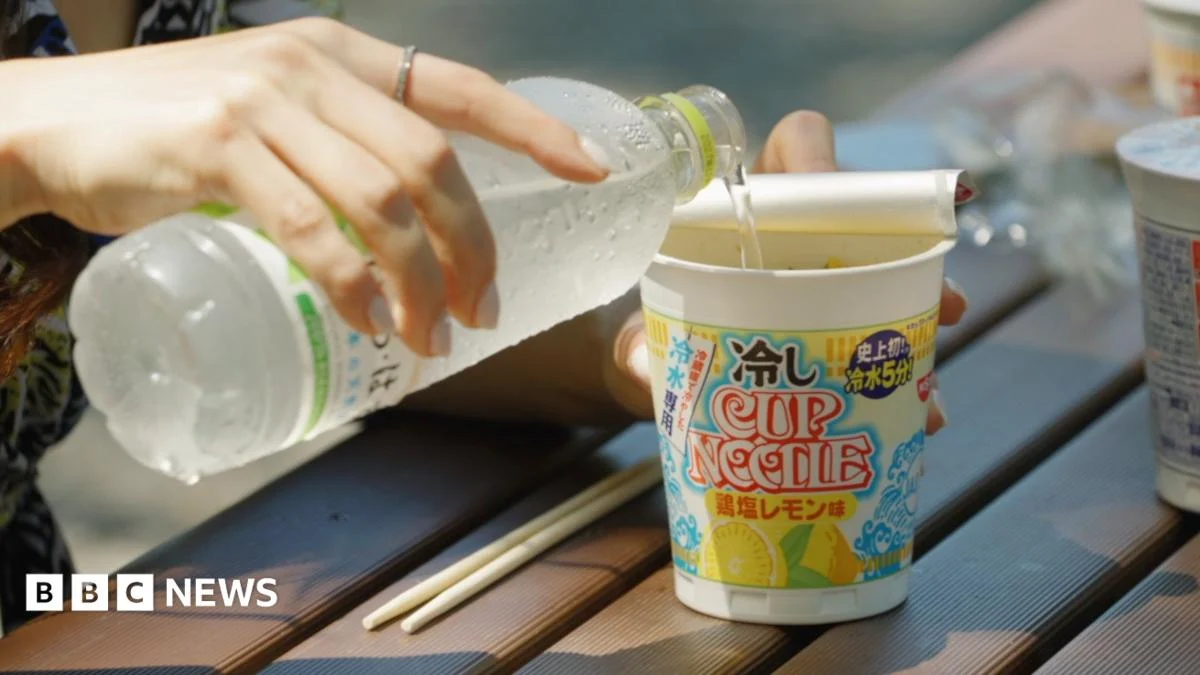
The humid Japanese summer, a season often synonymous with sweltering heat and the comforting embrace of steaming hot meals, is experiencing an unprecedented culinary subversion. A new wave of instant noodles, ingeniously designed to be prepared and consumed with cold water, has taken the nation by storm, selling out across the archipelago and igniting a fervent online buzz. This innovative twist on a beloved staple, traditionally a hot-weather comfort food enjoyed year-round, is challenging conventional wisdom and offering a refreshing alternative for those seeking respite from the relentless heat. The BBC’s Tokyo correspondent, Kurumi Mori, a seasoned observer of Japanese cultural phenomena, has immersed herself in this burgeoning trend, putting these chilled noodles to the ultimate test to determine if they truly deliver on their promise of a cooling summer snack.
The concept itself is deceptively simple, yet profoundly disruptive. For decades, instant ramen has been a global culinary icon, celebrated for its speed, affordability, and comforting warmth. The ritual of pouring boiling water over dehydrated noodles and flavor packets, waiting a few minutes for them to rehydrate and meld into a savory broth, is deeply ingrained in the collective consciousness of many cultures. However, as temperatures soar, the very act of preparing and consuming a steaming bowl of ramen can feel counterintuitive, even counterproductive, to staying cool. This is where the cold-water instant noodle emerges as a potential game-changer.
The appeal of this new product lies in its dual promise: the convenience and familiarity of instant noodles, coupled with the refreshing sensation of a chilled dish. Imagine a hot afternoon, the air thick with humidity, and the craving for something satisfying yet cooling. Traditional cold noodle dishes like zaru soba or hiyashi chuka (cold ramen) already exist and are popular summer staples in Japan. However, these often require more preparation, such as cooking the noodles from scratch, preparing a separate dipping sauce, and assembling various toppings. The cold-water instant noodle aims to democratize this cooling experience, making it as effortless as its hot-water counterpart.
The viral phenomenon surrounding these noodles is a testament to their immediate impact and the power of social media in shaping consumer trends. Online platforms, particularly TikTok and Twitter in Japan, have been flooded with user-generated content showcasing the preparation and enjoyment of these cold noodles. Short, engaging videos demonstrating the simple pour-and-stir method, often set against vibrant summer backdrops, have captured the imagination of a generation already accustomed to seeking out novel and shareable food experiences. This digital amplification has created a sense of urgency and desirability, driving demand to unprecedented levels. Stores across Japan have reported rapid sell-outs, with shelves emptied within hours of restocking, leaving many eager consumers disappointed but fueling further speculation and anticipation for the next available batch.
The underlying innovation in these cold-water noodles likely lies in the formulation of the noodles themselves and the flavorings. Traditional instant noodles are designed to rehydrate quickly in hot water, a process that breaks down starches and allows the noodles to soften. For cold water preparation, the noodles would need to be engineered to achieve a desirable texture and chewiness without the thermal assistance. This might involve using different types of flour, altering the extrusion process, or incorporating specific ingredients that facilitate rehydration in cooler temperatures. Furthermore, the soup base or sauce packets would need to be optimized for cold consumption. Instead of a rich, savory broth that relies on heat to release its aromas and flavors, these cold-water versions likely feature lighter, more pungent, and often more acidic flavor profiles that are refreshing when chilled. Think of flavors that complement a cool, crisp sensation, such as citrusy notes, herbal infusions, or even a hint of spice that doesn’t feel overwhelming in the heat.
Kurumi Mori’s taste test, as reported by the BBC, is crucial in discerning the actual efficacy and appeal of these noodles beyond their viral status. The question is not just whether they can be prepared with cold water, but whether they offer a truly satisfying culinary experience that rivals or complements existing cold noodle dishes. The BBC’s involvement adds a layer of journalistic rigor to the anecdotal evidence flooding social media. Their assessment would likely delve into several key aspects:
Firstly, texture: How do the noodles hold up when rehydrated in cold water? Are they mushy, firm, or somewhere in between? A desirable texture is paramount for any noodle dish, and achieving this without hot water presents a significant challenge. The BBC’s report will no doubt detail the mouthfeel and bite of the noodles.
Secondly, flavor profile: What are the dominant tastes? Are they genuinely refreshing, or do they fall flat without the warmth to amplify the savory elements? The type of seasoning – whether it’s a soy-based sauce, a miso blend, or something entirely new – will be critical. The presence of ingredients that lend themselves to a chilled dish, such as vinegar, lemon, or aromatic herbs, will be important to note.
Thirdly, overall satisfaction: Does the dish provide a sense of satiety and enjoyment? In the context of a summer snack, does it effectively quench hunger and provide a cooling sensation? The BBC’s correspondent would be assessing whether this product offers a genuine alternative to traditional summer fare or if it remains a novelty.
The context of Japan’s culinary landscape is also vital. Japan has a long and sophisticated tradition of cold noodle dishes. Hiyashi chuka, for example, is a beloved summer ramen variation that typically features a sweet and tangy soy-based dressing, an assortment of colorful toppings like shredded egg, cucumber, ham, and sometimes jellyfish, all served over chilled ramen noodles. Zaru soba and zaru udon are buckwheat and wheat noodles, respectively, served cold with a dipping sauce (tsuyu) and often garnished with scallions and wasabi. These dishes are celebrated for their lightness and refreshing qualities, making them ideal for the hot months. The cold-water instant noodle must therefore not only be convenient but also capable of offering a comparable level of refreshment and flavor satisfaction to compete in this established market.
The success of these cold-water noodles also speaks to broader shifts in consumer behavior and food trends. The demand for convenience food that aligns with modern lifestyles – busy schedules, a desire for quick and easy meals, and an increasing embrace of digital culture – is a constant driving force. Furthermore, the growing awareness of seasonal eating and the desire for foods that suit specific climatic conditions are also at play. As global temperatures rise due to climate change, the need for effective and accessible cooling food options might become even more pronounced, potentially extending the appeal of such products beyond Japan.
The viral nature of this trend also highlights the influence of influencer marketing and online communities. The rapid dissemination of information and visual content on platforms like TikTok has become a powerful engine for product discovery and adoption. Consumers are increasingly looking to their peers and trusted online personalities for recommendations, and the visually appealing nature of food preparation and consumption lends itself perfectly to this medium. The "wow" factor of seeing instant noodles prepared with cold water, a seemingly counterintuitive act, has undoubtedly contributed to its viral spread.
Looking ahead, the long-term success of this cold-water noodle trend will depend on several factors. Firstly, the manufacturers will need to ensure consistent quality and taste across different batches and over time. Secondly, they will need to continue innovating, perhaps by introducing a wider range of flavors and textures to cater to diverse palates. Thirdly, the price point will be a consideration; while instant noodles are generally affordable, a premium might be attached to this innovative product, which could influence its mass appeal.
Moreover, the environmental implications of producing and distributing these products, like any food item, are always a consideration. However, the potential reduction in energy consumption associated with not needing to boil water could be a subtle, albeit positive, environmental footnote.
In conclusion, Japan’s cold-water instant noodle phenomenon is more than just a fleeting food fad; it represents a clever adaptation of a beloved product to meet the demands of a changing climate and evolving consumer preferences. The BBC’s taste test, spearheaded by Kurumi Mori, promises to offer a definitive verdict on whether this innovative offering can truly deliver a refreshing and satisfying summer experience, moving beyond its viral status to become a staple in the nation’s culinary repertoire. The nation waits with bated breath to see if these chilled noodles will indeed bring a much-needed cool to the sweltering Japanese summer. The initial sell-out success and the widespread online buzz suggest that, at the very least, this cold-water revolution in instant ramen has undeniably captured the nation’s attention and appetite. The question now is whether it can sustain that excitement with genuine culinary merit.
