
 By admin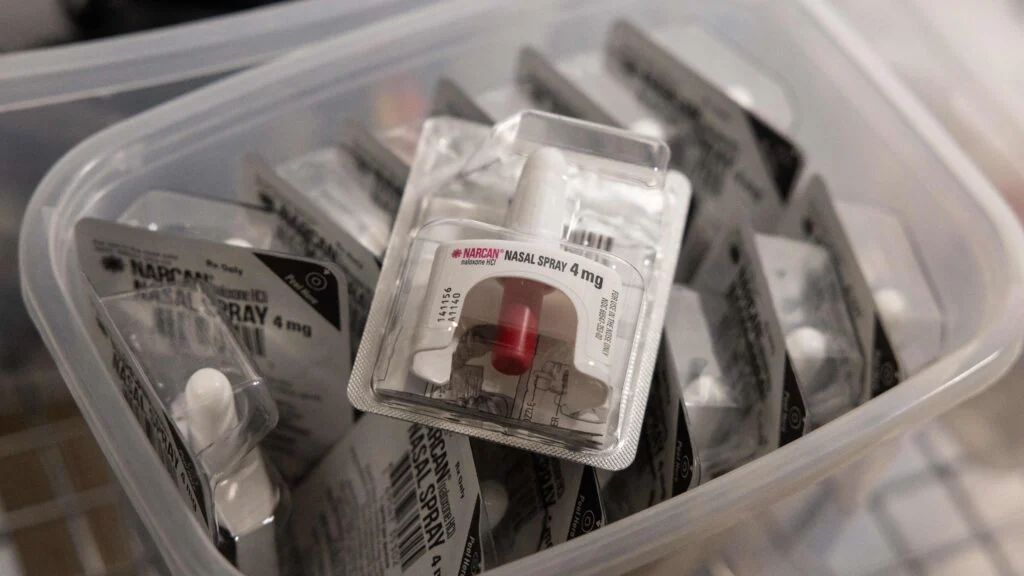
From 2021 to 2023, the United States was gripped by a public health catastrophe of staggering proportions, with drug overdose fatalities consistently exceeding 105,000 lives lost annually. This period marked the height of the "third wave" of the opioid crisis, driven largely by the proliferation of illicitly manufactured fentanyl, which pushed death rates tens of thousands of souls higher than the already devastating levels seen in the years leading up to the Covid-19 pandemic. For years, public health experts, emergency responders, and grieving families feared that the trajectory of the crisis was fundamentally irreversible. However, a startling and sudden shift occurred as the decade progressed. By 2024, U.S. overdose deaths plummeted by a remarkable 27%, and preliminary data from 2025 suggest a continuing, meaningful decline in mortality. While the absolute number of deaths remains tragically high by historical standards, the rapid reversal has left the global health community searching for answers.
This downward trend is not confined to American borders. Other nations that have long struggled with high rates of synthetic opioid use have reported similar, though slightly less dramatic, improvements. In Scotland, which has earned the grim reputation of being the drug-death capital of Europe, fatalities decreased by 13% in 2024. Canada, which has also been ravaged by the fentanyl supply, saw a 9% reduction in the same period. Brandon Marshall, a prominent epidemiologist at Brown University who has spent years tracking the ebbs and flows of the overdose epidemic, describes the current situation as "unprecedented." To see death rates come down so dramatically and so quickly defies previous epidemiological models. Yet, Marshall warns that the victory is far from complete, noting that the world is "nowhere near out of this crisis."
The suddenness of the decline has sparked an intense investigation into its causes. State health authorities, many of whom have spent decades on the front lines of the opioid epidemic, admit to being blindsided by the positive shift. Evan Gumas, a senior research associate at the Commonwealth Fund, recently spearheaded an exhaustive inquiry into the potential factors driving this change. His report, published this Thursday, draws on interviews and data from public health and addiction authorities across more than two dozen U.S. states and several international jurisdictions. The central takeaway from Gumas’s research is that there is no "silver bullet." Instead, the decline appears to be the result of a complex, synergistic convergence of several public health initiatives and environmental shifts.
According to the Commonwealth Fund report, the most frequently cited contributors to the falling death rates include the aggressive expansion of naloxone distribution, broader access to medications for opioid use disorder (MOUD), improved treatment protocols within the carceral system, and a more robust data infrastructure that allows for real-time responses to local "hot spots." Perhaps the most visible of these factors is the revolution in naloxone availability. In 2022, the federal Substance Abuse and Mental Health Services Administration (SAMHSA) fundamentally altered the landscape by requiring states receiving federal opioid response funding to implement "naloxone saturation" plans. The goal was simple: ensure that the overdose-reversal drug was as ubiquitous as fire extinguishers.
The impact of this saturation strategy is most evident in states like Virginia, which reported a 40% decrease in overdose deaths between 2023 and 2024 following the rollout of its comprehensive distribution plan. Maryland has seen similar success, more than doubling its naloxone distribution between 2021 and 2025. Maryland’s approach has been particularly innovative, utilizing high-tech solutions like naloxone vending machines and "leave-behind" programs where emergency medical services and public safety personnel provide the antidote to bystanders and survivors at the scene of an overdose. These efforts helped the state achieve a 25% decrease in overdose deaths from 2019 to 2024. Dr. Sarah Wakeman, an addiction medicine physician and director of the Mass General Hospital Substance Use Disorder Initiative, emphasizes that while naloxone is not a cure for addiction, it is the ultimate safety net. "Every single overdose death is really a failure," she notes, "because no one should die from an opioid-related overdose when we have an antidote."
Beyond emergency intervention, the long-term management of addiction through medications like methadone and buprenorphine has played a critical role. While these treatments remain drastically underutilized in the U.S. due to regulatory hurdles and social stigma, access has improved significantly in several key states. Gumas identifies Medicaid expansion as the single most influential policy lever for increasing coverage and access to MOUD. In Colorado, the number of methadone clinics surged from 25 to 54 in just five years, a more than 100% increase that has dramatically lowered the barriers to entry for those seeking recovery. New York has seen a similar expansion of its treatment infrastructure. This model of success is mirrored internationally; health authorities in Sweden informed Gumas that a decade of concentrated efforts to expand MOUD access contributed to a 25% reduction in their national death rate since 2017.
Another vital piece of the puzzle is the treatment of incarcerated individuals. Research consistently shows that substance use disorders are 12 times more prevalent among the prison population than the general public. Historically, the period immediately following a person’s release from custody has been the most dangerous, with the risk of a fatal overdose skyrocketing as individuals with lowered tolerances return to an unpredictable drug supply. To combat this, jurisdictions have begun prioritizing MOUD within prisons and jails. In New York, the use of these life-saving medications within the correctional system increased sevenfold between 2022 and 2025, providing a bridge to safety for one of the most vulnerable populations in the country.
However, the decline in mortality may also have darker, more sobering origins. Dr. Wakeman points out that the sheer scale of the death toll between 2021 and 2023 may have created a "depletion" effect. "So many people died during the years of really accelerating death rates that actually, there’s not as large of a population at risk of dying," she explains. Furthermore, the illicit drug supply itself is in a state of constant flux. There is evidence to suggest that the potency of fentanyl has begun to decline in some regions, possibly due to changes in precursor availability or shifting manufacturing techniques in the international black market. While the emergence of "tranqs"—contaminants like xylazine and medetomidine—presents new and horrific health challenges, including severe skin lesions and complex withdrawal syndromes, these substances do not always carry the same immediate, respiratory-depressing lethality as high-potency fentanyl.
Despite these gains, the future of the overdose response is increasingly precarious. The progress seen in 2024 and 2025 is threatened by shifting political winds and looming fiscal cuts. Many experts express deep concern regarding the Trump administration’s stance on public health. While the administration has signaled support for certain medications to treat opioid use disorder, it has taken a hardline stance against several proven harm reduction measures. In the first year of the current administration, SAMHSA was effectively "decimated," according to reports. More than half of the agency’s staff was cut, and approximately $1.7 billion in block grant funding was canceled. An additional $350 million specifically earmarked for addiction and overdose prevention was also slashed.
This retrenchment has been accompanied by a ideological shift. An open letter from SAMHSA leadership earlier this year warned states against using federal funds to purchase harm reduction supplies such as sterile syringes, pipes, or drug-checking test strips. This directive has left many state health departments in a state of paralysis, struggling to find alternative funding to maintain programs that have been instrumental in preventing the spread of infectious diseases and reducing overdose deaths.
The most significant threat, however, may be the looming cuts to Medicaid. A collaborative study by researchers at the University of Pennsylvania’s Leonard Davis Institute of Health Economics and Boston University estimated that the proposed cuts could result in 156,000 Americans losing access to opioid treatment. The study predicts that among this group, the overdose rate could double. Gumas warns that these cuts could be "catastrophic," potentially erasing years of hard-won progress in a matter of months.
As the global community looks toward the latter half of the decade, the stability of the current decline remains in question. Provisional data from Scotland for late 2025 already show signs of a potential rebound in death rates, serving as a reminder that the opioid crisis is a dynamic and resilient enemy. Without sustained funding, continued research into the variations of the drug supply, and a commitment to evidence-based harm reduction, the "Great Decline" of 2024 may be remembered not as the end of the crisis, but as a brief and fragile reprieve. For now, the goal remains clear: to entrench the policies that saved lives over the last two years and to protect the most vulnerable from the looming threats of policy reversal and social neglect.
