
 By admin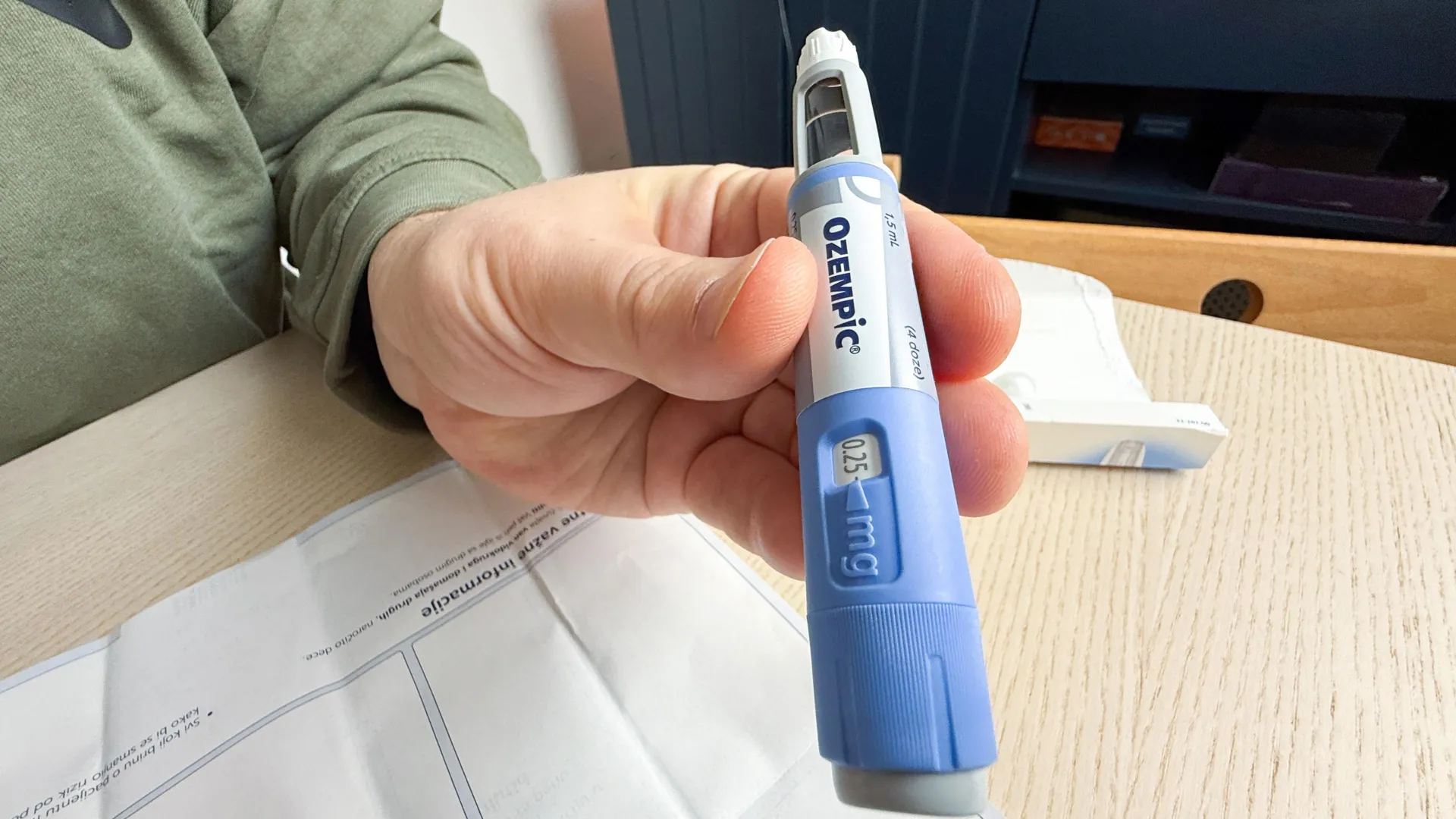
The co-occurrence of metabolic disorders like diabetes and obesity with severe mental illnesses such as bipolar disorder is a well-documented and pressing public health challenge. Individuals with bipolar disorder face a disproportionately higher risk of developing type 2 diabetes and obesity compared to the general population. While the latest World Health Organization estimates indicate that about one in 200 people worldwide, or roughly 37 million people, live with bipolar disorder, the burden is compounded by these metabolic comorbidities, which contribute to a reduced quality of life, increased physical health complications, and a significantly shortened life expectancy. The mechanisms underlying this frequent co-occurrence are complex, involving a confluence of genetic predispositions, shared neurobiological pathways, medication side effects, and lifestyle factors. GLP-1 medications, already established as effective treatments for diabetes and obesity, have recently garnered attention for their potential beyond metabolic regulation, but their specific effects on bipolar disorder outcomes have remained largely unexplored until now.
The Intertwined Burden: Bipolar Disorder, Diabetes, and Obesity
Bipolar disorder is a chronic, severe mental illness characterized by dramatic shifts in mood, energy, and activity levels. These mood episodes can range from periods of elevated mood (mania or hypomania) to periods of profound depression. The disorder often emerges in late adolescence or early adulthood and, without effective management, can lead to significant functional impairment, high rates of unemployment, and considerable personal distress. Treatment typically involves a combination of mood stabilizers, antipsychotics, and psychotherapy, yet many individuals continue to experience residual symptoms or debilitating relapses.
The metabolic health disparities observed in people with bipolar disorder are stark. Studies show that individuals with bipolar disorder have a two- to three-fold higher risk of developing type 2 diabetes and obesity. This increased risk is multifaceted. Atypical antipsychotic medications, which are a cornerstone of bipolar disorder treatment, are notorious for their metabolic side effects, including weight gain, insulin resistance, and dyslipidemia. Beyond medication, lifestyle factors such as irregular sleep patterns, poor dietary choices, sedentary behavior, and higher rates of smoking and substance use, often exacerbated during mood episodes, further contribute to metabolic dysregulation.
Crucially, emerging research points to shared underlying biological mechanisms that may link these conditions. Chronic low-grade inflammation, oxidative stress, mitochondrial dysfunction, and alterations in the gut microbiome are all implicated in both metabolic disorders and bipolar disorder pathophysiology. This suggests a bidirectional relationship where metabolic dysfunction can exacerbate psychiatric symptoms, and vice-versa, creating a vicious cycle that is challenging to break with traditional treatments alone. The presence of metabolic comorbidities also complicates the management of bipolar disorder, often leading to poorer treatment adherence, increased healthcare utilization, and a higher risk of cardiovascular disease, which is the leading cause of premature death in this population.
GLP-1 Receptor Agonists: A New Therapeutic Frontier?
Glucagon-like peptide-1 receptor agonists (GLP-1RAs) are a class of medications that mimic the action of the natural human incretin hormone, glucagon-like peptide-1 (GLP-1). This hormone is released from the gut in response to food intake and plays a critical role in glucose homeostasis. GLP-1RAs work by:
- Stimulating insulin secretion: In a glucose-dependent manner, meaning they only release insulin when blood glucose levels are high, reducing the risk of hypoglycemia.
- Suppressing glucagon secretion: Glucagon raises blood glucose, so suppressing it helps maintain lower levels.
- Slowing gastric emptying: This helps to reduce post-meal glucose spikes and promotes a feeling of fullness.
- Promoting satiety: GLP-1 receptors are found in the brain, and activation of these receptors helps to reduce appetite and food intake.
These combined actions lead to improved glycemic control and significant weight loss, making GLP-1RAs highly effective for the management of type 2 diabetes and obesity. Commonly prescribed GLP-1RAs include semaglutide (marketed as Ozempic for diabetes and Wegovy for weight loss), liraglutide (Victoza for diabetes, Saxenda for weight loss), and dulaglutide (Trulicity). While their primary indications are metabolic, a growing body of preclinical and observational evidence has hinted at broader systemic benefits, including cardiovascular protection, renoprotection, and increasingly, neuroprotective and anti-inflammatory effects within the central nervous system. This growing understanding paved the way for investigating their potential role in psychiatric conditions.
The Griffith University Study: Unveiling a Promising Connection
To rigorously investigate the possible effects of GLP-1RAs on bipolar disorder, a team of researchers led by Professor Mark Taylor from Griffith University’s School of Medicine and Dentistry undertook a large-scale, nationwide study utilizing robust Swedish health registry data. This retrospective cohort study design allowed the researchers to analyze real-world data from a vast population over an extended period, providing valuable insights into treatment patterns and clinical outcomes.
The study cohort comprised nearly 15,000 individuals with bipolar disorder who had been prescribed GLP-1 medications at some point between 2009 and 2024. This extensive 15-year period provided ample data for a within-individual comparison, where researchers could compare rates of psychiatric hospitalization during periods when patients were taking GLP-1 medications versus periods when they were not. This "self-controlled" design helps to mitigate confounding factors inherent in observational studies, as each individual serves as their own control.
The findings were striking and highly significant, particularly for semaglutide. Professor Taylor reported, "People with bipolar disorder who were taking semaglutide (otherwise known as Ozempic or Wegovy), a type of GLP-1 medication, had significantly lower rates of psychiatric hospitalization compared with periods when they were not taking GLP-1 medicines." Specifically, the researchers found that semaglutide use was associated with a substantial 21 percent lower risk of psychiatric hospitalization. Psychiatric hospitalization serves as a critical indicator of severe mood episodes, treatment failure, or acute symptom exacerbation, reflecting a significant clinical outcome for individuals with bipolar disorder. A 21% reduction in this severe outcome suggests a meaningful clinical benefit.
Professor Taylor emphasized the broader implications of these findings: "The findings add to growing evidence that GLP-1 receptor agonists may have benefits beyond diabetes and obesity treatment, and could represent a promising new avenue for bipolar research." This statement underscores the potential paradigm shift this research could herald, expanding the therapeutic landscape for complex psychiatric conditions.
A Class Effect? Not Quite.
An intriguing and crucial aspect of the study’s findings was the differential effect observed among various GLP-1RAs. While semaglutide demonstrated a clear association with reduced psychiatric hospitalization, the same pattern was not evident for other GLP-1 medications included in the study, namely liraglutide and dulaglutide. This indicates that any potential mental health benefit may not extend across the entire drug class and could be specific to semaglutide, or at least more pronounced with it.
Several factors might explain this discrepancy. Semaglutide is known for its higher potency and longer half-life compared to earlier GLP-1RAs like liraglutide, allowing for once-weekly dosing. These pharmacokinetic differences might translate to more sustained GLP-1 receptor activation, potentially leading to more pronounced and consistent effects on brain pathways. Furthermore, differences in brain penetrance could play a role. While GLP-1 receptors are expressed in various brain regions, the extent to which different GLP-1RAs cross the blood-brain barrier and exert direct central nervous system effects may vary. Semaglutide’s molecular structure might confer superior brain bioavailability. It’s also possible that there are subtle differences in the specific GLP-1 receptor subtypes activated or downstream signaling pathways engaged by different GLP-1RAs, leading to divergent clinical outcomes. Further research is needed to elucidate these drug-specific mechanisms.
Proposed Mechanisms: How GLP-1RAs Might Benefit the Brain
The findings suggest that GLP-1 signaling could offer neuroprotective benefits, potentially influencing several biological processes implicated in bipolar disorder. The proposed mechanisms are multifaceted and can be categorized into direct and indirect effects:
Direct Brain Effects:
- Anti-inflammatory Action: Chronic low-grade inflammation is a consistent finding in bipolar disorder, contributing to mood dysregulation and neuroprogression. GLP-1RAs have demonstrated anti-inflammatory properties in both peripheral tissues and the brain, potentially reducing neuroinflammation that can exacerbate psychiatric symptoms.
- Neuroprotection and Cellular Stress Reduction: GLP-1 receptors are expressed on neurons and glial cells throughout the brain, including regions critical for mood regulation like the hippocampus, prefrontal cortex, and hypothalamus. Activation of these receptors can protect neurons from oxidative stress, excitotoxicity, and apoptosis (programmed cell death), which are all implicated in the neuropathology of bipolar disorder.
- Mitochondrial Function Enhancement: Bipolar disorder has been linked to mitochondrial dysfunction, impairing cellular energy production in the brain. GLP-1RAs have shown the ability to improve mitochondrial function and bioenergetics, which could stabilize neuronal activity and enhance resilience to stress.
- Neurogenesis and Synaptic Plasticity: Preclinical studies suggest GLP-1RAs may promote neurogenesis (the birth of new neurons) and enhance synaptic plasticity, processes crucial for learning, memory, and mood regulation. These effects could contribute to greater mood stability and cognitive improvements.
- Neurotransmitter Modulation: GLP-1RAs may influence the balance of key neurotransmitters such as dopamine, serotonin, and GABA, which are central to the pathophysiology and treatment of bipolar disorder.
Indirect Effects (via Metabolic Improvement):
- Improved Metabolic Health: By effectively managing diabetes and promoting weight loss, GLP-1RAs reduce systemic inflammation and oxidative stress associated with metabolic dysfunction. This alleviation of metabolic burden can have a positive ripple effect on brain health and function.
- Gut-Brain Axis Modulation: GLP-1 is a key hormone in the gut-brain axis, a bidirectional communication system linking the gastrointestinal tract and the central nervous system. GLP-1RAs may modulate the gut microbiome composition and function, which is increasingly recognized for its influence on mood and mental health.
These intricate mechanisms, working in concert, could contribute to the observed reduction in psychiatric hospitalizations, potentially leading to greater mood stability and a lower risk of relapse in individuals with bipolar disorder.
Future Directions and Expert Perspectives
While the Griffith University study offers compelling observational evidence, Professor Mark Taylor rightly emphasized the critical next step: "I hope the findings will now be examined in a randomized controlled trial, which would provide stronger evidence about whether semaglutide itself can improve psychiatric outcomes in people with bipolar disorder." Randomized controlled trials (RCTs) are considered the gold standard in medical research because they can establish causality, minimize bias, and provide definitive answers regarding treatment efficacy. An RCT would involve randomly assigning individuals with bipolar disorder to receive either semaglutide or a placebo (or another active comparator) and then tracking their psychiatric outcomes over time.
Beyond Professor Taylor’s call for RCTs, the implications of this research are vast and resonate across various medical disciplines. For psychiatrists, GLP-1RAs could represent a novel adjunctive treatment strategy, particularly for patients with co-occurring metabolic issues, potentially reducing the burden of polypharmacy and improving overall health. Endocrinologists and primary care physicians might find their existing tools for diabetes and obesity management gaining an unexpected yet welcome psychiatric benefit. Neuroscientists are presented with new avenues for understanding the complex pathophysiology of bipolar disorder, integrating metabolic and inflammatory pathways more explicitly into neurobiological models.
However, several challenges and considerations must be addressed. GLP-1RAs, while generally well-tolerated, do have side effects, predominantly gastrointestinal (nausea, vomiting, diarrhea), which, though often transient, could affect adherence. The cost of these medications can also be substantial, raising questions about accessibility and insurance coverage. It is also crucial to reiterate that GLP-1RAs would likely serve as an adjunctive therapy, complementing rather than replacing established mood stabilizers and antipsychotics. Long-term studies are needed to assess the sustained mental health benefits and potential risks. Further research should also aim to identify specific patient populations with bipolar disorder who might benefit most from GLP-1RA treatment, perhaps those with a pronounced metabolic syndrome or specific inflammatory biomarkers.
This study profoundly contributes to the growing appreciation for the holistic connection between physical and mental health. It reinforces the idea that psychiatric disorders are not solely brain-based but are intricately linked to systemic physiological processes. The potential for repurposing existing drugs, particularly those with a strong safety profile and established efficacy for other conditions, offers a promising and efficient pathway for developing new treatments in psychiatry. Ultimately, the work by Professor Taylor and his team provides a beacon of hope, opening a promising new chapter in the pursuit of more effective and comprehensive care for individuals living with bipolar disorder. The rigorous investigation into the ‘Use of glucagon-like peptide 1 receptor agonists and the associated risk of hospitalisation in bipolar disorder, from a nationwide cohort, 2009-2024’ published in Acta Psychiatrica Scandinavica stands as a testament to the evolving understanding of mental illness and the innovative approaches being explored to alleviate suffering.
