
 By admin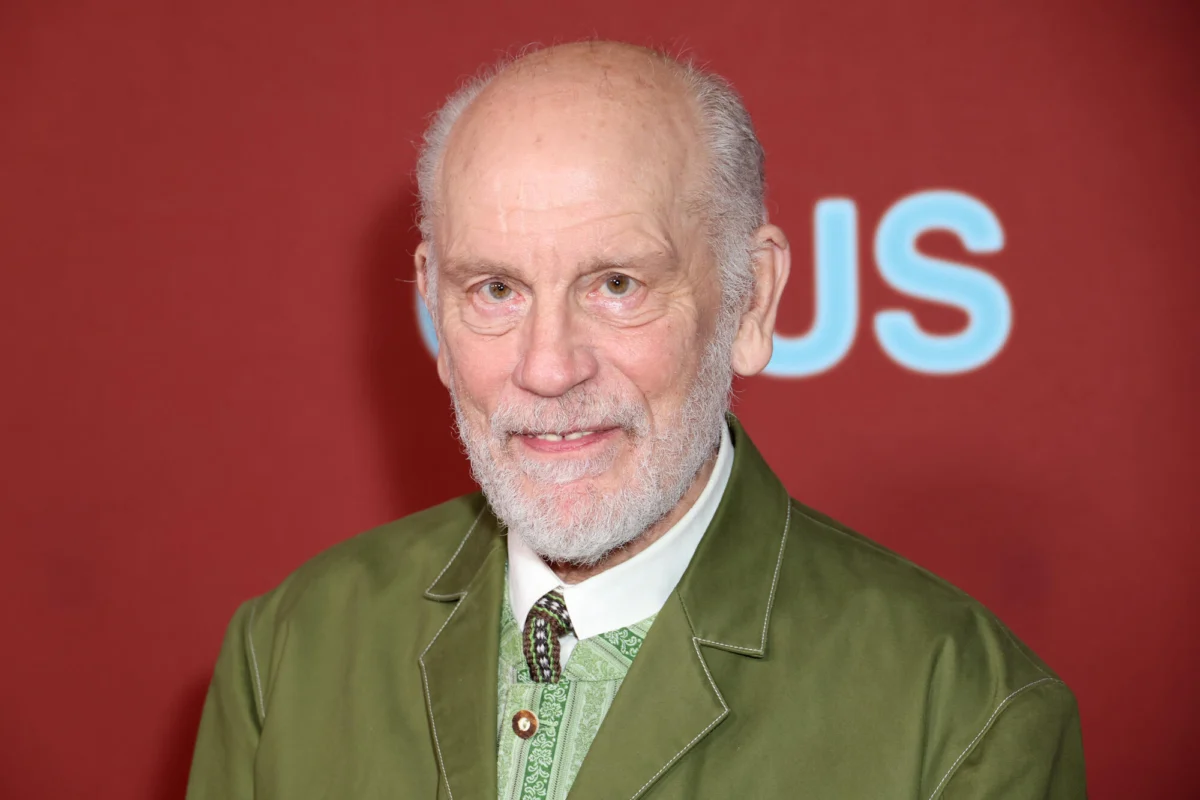
Renowned actor John Malkovich has officially withdrawn from an upcoming performance of "The Music Critic" scheduled to take place in Tel Aviv, Israel. The decision stems from a significant breach of professional conduct by a public relations firm hired by the Israeli promoter, which falsely attributed fabricated quotes to the esteemed actor. This misrepresentation has rendered the situation "unacceptable and untenable" for Malkovich, forcing his withdrawal from the highly anticipated event.
The news of Malkovich’s participation in Tel Aviv had initially surfaced through a press release that was subsequently published by The Hollywood Reporter and The Jerusalem Post. This press release included statements purportedly made by the actor regarding the Tel Aviv engagement. However, in a detailed statement released to address the controversy, Malkovich unequivocally denied uttering the attributed quotes and expressed his profound disappointment at their unauthorized publication.
"I was made aware of an article which appeared in The Hollywood Reporter (first published in The Jerusalem Post) announcing a date in Tel Aviv, Israel, for a performance of a piece called ‘The Music Critic,’ one of the numerous classical music collaborations and live theatre performances I have been touring in for nearly two decades and which I have performed in 47 countries at last count," Malkovich stated in his official communication. He further elaborated on the context of his touring schedule, explaining that the Tel Aviv date was intended to be a segment of a broader European and Middle Eastern tour.
The crux of the issue, as explained by Malkovich, lies in the actions of the public relations company. "A PR company hired by the Israeli promoter drafted a quote for the article that was attributed to me, though I never made the statements that were quoted, nor was I consulted before they were printed," he revealed. This lack of consultation and the direct fabrication of his words have been identified as the primary reasons for his withdrawal. Malkovich emphasized the severity of the situation, stating, "I did not utter these phrases, and they most certainly are not approved by me, nor do they reflect my feelings. The fact that they were printed as direct quotes from me is unacceptable and untenable."
"The Music Critic" is not a new undertaking for John Malkovich. He has been actively involved in touring with this particular piece, which is described as a "classical music collaboration and live theatre performance," for nearly two decades. This extensive experience has seen him perform in a remarkable 47 countries, highlighting his deep commitment to this artistic endeavor. The Tel Aviv performance was slated to be a part of a larger tour that encompassed various stops across Europe and the Middle East, underscoring the international appeal and scope of his artistic projects. The incident raises critical questions about ethical practices in public relations, particularly when dealing with high-profile individuals and international cultural events.
The role of public relations in the arts and entertainment industry is multifaceted and often crucial for a successful event. PR firms are typically responsible for crafting press releases, managing media relations, and generating publicity to attract audiences and generate interest. However, the core of their ethical obligation lies in accurately representing their clients and the projects they are promoting. Fabricating quotes or attributing statements without the subject’s knowledge or consent is a severe violation of these principles. It not only damages the reputation of the individual involved but also undermines the credibility of the PR firm and the promoter.
In the context of international cultural exchange, such incidents can have far-reaching consequences. They can create mistrust between artists, promoters, and audiences, potentially impacting future collaborations and the willingness of artists to engage with specific regions or promoters. The delicate nature of cultural diplomacy often relies on transparency and mutual respect, and the misrepresentation of an artist’s views can inadvertently create diplomatic friction, even if unintentional.
The specific content of the fabricated quotes, though not detailed in Malkovich’s statement, is implied to be significant enough to cause him distress and a sense of misrepresentation. While the exact nature of these false statements remains undisclosed, their impact is clear: they directly led to the cancellation of a scheduled performance. This highlights the power of words and the responsibility that comes with their dissemination, especially in the public sphere.
The decision by Malkovich to withdraw is a strong stance against professional misconduct. It sends a clear message that artists will not tolerate the misrepresentation of their words or intentions. For performers who have built their careers on authenticity and integrity, such breaches can be particularly damaging. The touring schedule of an artist like Malkovich is meticulously planned, involving significant logistical arrangements, financial commitments, and artistic preparation. The abrupt cancellation due to the actions of a third party can have ripple effects on all these aspects.
The incident also brings to the fore the importance of due diligence for promoters and event organizers. While they may delegate PR responsibilities, the ultimate responsibility for ensuring the accuracy of information disseminated to the public rests with them. A thorough vetting process for PR agencies and a clear understanding of their ethical guidelines are essential to prevent such situations from arising. The promoter in this case, by hiring a PR company that engaged in such practices, has inadvertently created a significant problem that has led to the cancellation of a high-profile event.
Furthermore, the involvement of reputable media outlets like The Hollywood Reporter and The Jerusalem Post in publishing these fabricated quotes, even if based on the provided press release, underscores the need for a robust fact-checking process within journalistic organizations. While journalists rely on press releases and official statements, there is an inherent responsibility to verify information, especially when it pertains to public statements attributed to well-known figures. The retraction or clarification of such articles, if issued, would be a necessary step in rectifying the misinformation.
The impact of this cancellation on the Israeli arts scene and potential audiences in Tel Aviv is also a point of consideration. "The Music Critic" is a performance that has garnered international acclaim, and its absence from the Tel Aviv calendar would undoubtedly be a disappointment for those who were anticipating it. The event cancellation also represents a missed opportunity for cultural exchange and engagement.
Looking ahead, this incident serves as a cautionary tale for the entire ecosystem of arts promotion and public relations. It emphasizes the critical need for clear communication, ethical conduct, and stringent verification processes. For John Malkovich, the decision to withdraw is a principled stand, prioritizing his artistic integrity and personal reputation over participation in an event tainted by misrepresentation. The focus now shifts to understanding how such breaches can be prevented in the future, ensuring that artistic collaborations are built on a foundation of trust and accurate representation. The statement from Malkovich, while brief, carries significant weight, highlighting a professional failing that has directly impacted his ability to perform. The ongoing nature of his statement, indicated by "More to come…," suggests that further details or resolutions may be forthcoming as the situation is addressed.
