
 By admin
The five specific routes slated for elimination involve seven distinct cities, with the most concentrated impact felt in Las Vegas, New York City, and Southern California. According to the airline’s latest schedule updates, the service terminations will begin in early November and conclude by mid-December 2026. Specifically, Delta will end its service from Las Vegas’s Harry Reid International Airport (LAS) to San Diego International Airport (SAN) and John Wayne Airport (SNA) in Orange County on November 8. The following day, November 9, will see the end of the route between New York’s LaGuardia Airport (LGA) and Tulsa International Airport (TUL). As the holiday season approaches, the airline will further trim its New York presence, ending its Saturday-only service from John F. Kennedy International Airport (JFK) to Palm Springs International Airport (PSP) and its daily service from JFK to Milwaukee Mitchell International Airport (MKE) on December 19.
The decision to scale back in Las Vegas is particularly noteworthy, as the city has long been a crown jewel of American leisure travel. However, data from aviation analytics firm Cirium reveals that Delta’s total departures from Harry Reid International Airport will be down approximately 7% this winter compared to the same period in 2025. This is not an isolated struggle for Delta; the entire airport is projected to see a 7% decrease in total flight volume across all carriers. This contraction follows a challenging 2025 for the Las Vegas tourism sector, which saw a 7.5% year-over-year decline in total visitors. The Las Vegas Convention and Visitors Bureau (LVCVA) characterized this period as one of the "more complex operating environments" seen in recent history, citing shifting travel dynamics and economic pressures that have tempered the city’s usual draw.
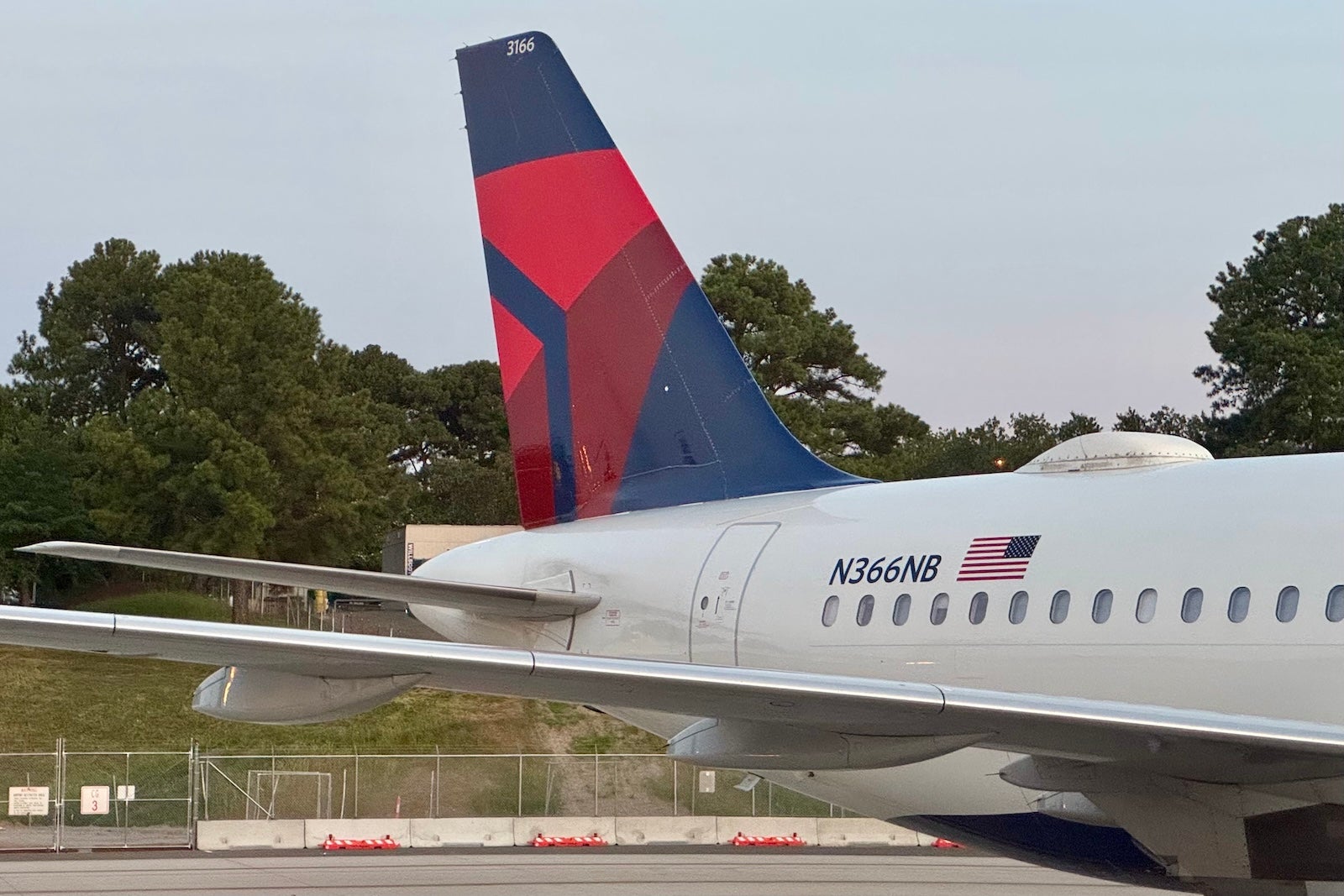
A Delta spokesperson explained that the cutbacks in the Southwest are a direct response to lower-than-anticipated travel demand for the upcoming winter months. The short-haul flights between Las Vegas and Southern California—specifically San Diego and Orange County—are notoriously competitive, often contested by low-cost carriers like Southwest Airlines and Spirit Airlines. For a legacy carrier like Delta, maintaining profitability on these short hops requires high load factors and premium ticket yields, both of which appear to be softening as travelers opt for alternative transportation or reduce the frequency of their weekend getaways. Interestingly, Delta is not abandoning these markets entirely; the airline plans to reinstate limited service to San Diego and Orange County in early January 2027 to accommodate the massive influx of attendees for the Consumer Electronics Show (CES). This suggests that Delta is moving toward an "event-driven" scheduling model for certain regional routes, focusing resources on periods of guaranteed high-yield traffic rather than maintaining year-round service.
In the New York market, the cuts illustrate Delta’s ongoing effort to optimize its dual-hub strategy between JFK and LaGuardia. The elimination of the JFK-to-Milwaukee route may seem like a blow to connectivity, but Delta emphasized that it will continue to operate four daily round-trip flights between LaGuardia and Milwaukee. This consolidation suggests that Delta is steering its business and regional travelers toward LaGuardia—which has recently undergone a multi-billion-dollar renovation—while reserving JFK’s precious slots for international long-haul flights and transcontinental service. Similarly, the removal of the Tulsa service from LaGuardia points to a reallocation of resources toward higher-performing regional destinations. For Tulsa travelers, this means a loss of direct access to the heart of New York City, likely forcing them to connect through Delta’s primary hubs in Atlanta, Detroit, or Minneapolis.
The cancellation of the JFK-to-Palm Springs Saturday-only service highlights the difficulties of maintaining "niche" leisure routes. Palm Springs has become an increasingly popular winter destination for East Coasters, but the Saturday-only frequency often struggles to attract business travelers or those seeking flexible vacation dates. By cutting this route, Delta can reassign the aircraft—typically a fuel-efficient but limited-capacity narrowbody—to routes with more consistent daily demand. Industry analysts suggest that these types of cuts are a preemptive move to protect margins against rising labor costs and fluctuating fuel prices. As pilot contracts become more expensive and ground handling fees increase, the "break-even" point for a domestic flight has risen, making marginal routes like LGA-TUL or JFK-PSP harder to justify on a balance sheet.
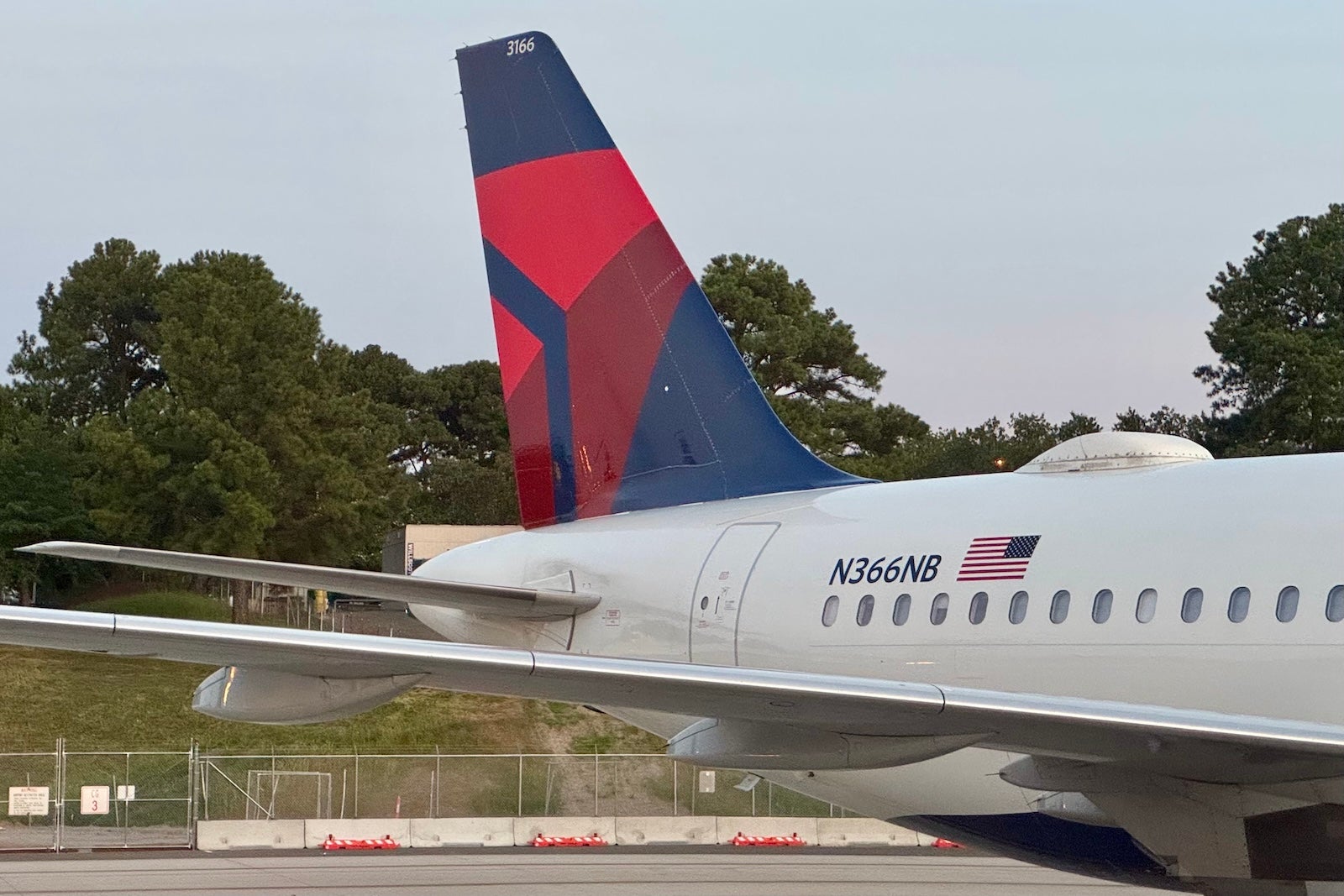
Expert perspectives on these changes suggest that Delta is leading a "normalization" phase for the U.S. airline industry. After years of erratic scheduling caused by the pandemic and subsequent recovery, carriers are finally returning to disciplined network planning. "What we are seeing is a pivot from volume to value," says one senior aviation analyst. "Delta is a premium-focused airline. If a route isn’t supporting the high-yield, premium-cabin demand that is central to their business model, they won’t hesitate to cut it, even if it means losing market share in terms of total passenger count." This sentiment is echoed in Delta’s own statement, which noted that the airline "continually evaluates its network to ensure we’re offering a schedule that best meets customer demand."
The impact on passengers in the affected cities will be immediate. Those who have already booked flights on these routes for the winter season will be contacted by Delta for rebooking or refunds. While Delta’s robust hub system ensures that most travelers can still reach their destinations with a connection, the loss of non-stop service is always a point of friction for frequent flyers. In Milwaukee, the shift to LaGuardia-only service might inconvenience those who prefer JFK for international connections, while in Tulsa, the loss of a New York link may be seen as a setback for the city’s growing business profile. However, the airline’s proactive communication and the availability of alternative routes through its major hubs aim to mitigate the disruption.
Looking ahead to the winter of 2026-2027, the broader aviation landscape remains cautious. With Las Vegas seeing a cooling of its post-pandemic fever and New York airports remaining some of the most congested and expensive to operate in the world, Delta’s retreat from these five routes may be just the beginning of a wider industry contraction. Other major carriers, including United and American, are likely watching Delta’s move closely. If Delta’s data shows a softening of demand in the "leisure capital of the world," it is highly probable that other airlines will follow suit with their own schedule reductions at Harry Reid International Airport.

Furthermore, the "CES exception" for the Las Vegas routes underscores a growing trend in aviation: the "pop-up" schedule. As data analytics become more sophisticated, airlines are better equipped to predict exactly when demand will spike. Instead of flying a half-empty plane between San Diego and Las Vegas for three months, Delta can save its fuel and crew hours, then flood the market with capacity for the four days of a major convention. This surgical approach to scheduling allows for higher profitability and less operational strain, though it offers less consistency for the local traveler.
In summary, Delta Air Lines’ decision to cut five routes across seven cities is a calculated response to a shifting economic environment. By reducing its exposure in Las Vegas and streamlining its New York operations, the carrier is positioning itself to weather a winter season where consumer spending may be more scrutinized. While the loss of non-stop service is a disadvantage for travelers in cities like Tulsa, Palm Springs, and San Diego, the airline’s commitment to its core hubs remains unshaken. As the industry moves toward 2027, the focus will likely remain on "smart growth"—prioritizing the most profitable paths and being unafraid to walk away from routes that no longer fit the strategic puzzle. For now, Delta flyers are encouraged to double-check their winter itineraries and prepare for a travel landscape that is increasingly focused on efficiency over expansion.
