
 By admin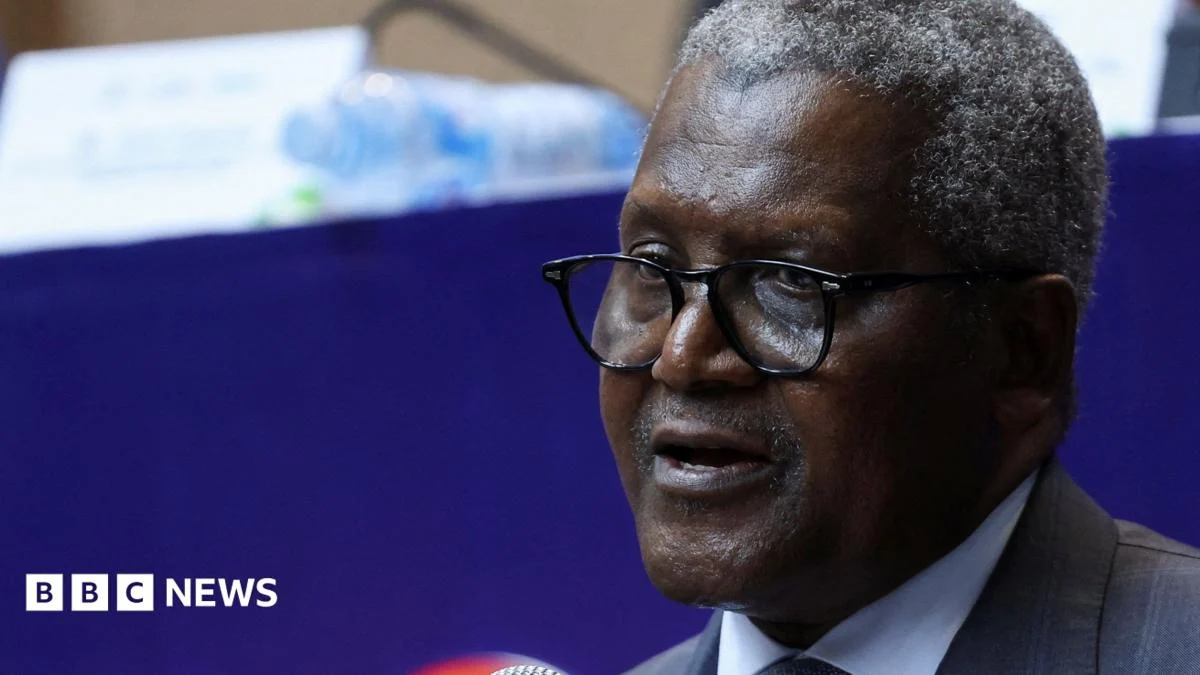
In a move that could redefine investment landscapes across the continent, Nigerian billionaire Aliko Dangote has officially launched Africa’s most substantial share sale to date, offering the general public a stake in his colossal oil refinery. This landmark initial public offering (IPO) aims to raise a staggering $2.1 billion (£1.6 billion), representing approximately 3% of the Dangote refinery’s equity. Dangote, a titan of African industry, has articulated a clear vision behind this unprecedented move: to democratize ownership and allow ordinary Nigerians to participate directly in the immense success of what is now one of the world’s largest and most sophisticated refining facilities.
The Dangote refinery, a monumental project that commenced operations in 2024 after more than a decade of meticulous planning and construction, stands as a testament to ambition and engineering prowess. Its sheer scale and operational capacity are set to revolutionize Nigeria’s energy sector. The refinery is now a dominant force in the nation’s energy matrix, supplying an impressive 70% of Nigeria’s total energy consumption. This domestic production is a critical development for a nation historically burdened by its status as Africa’s largest oil producer while simultaneously importing the vast majority of its refined fuel due to insufficient refining capacity. The economic implications are profound, promising to reduce reliance on foreign imports, conserve foreign exchange, and stimulate local economic activity.
The enthusiasm among ordinary Nigerians for this unique investment opportunity is palpable. Many see it not just as a financial investment but as a chance to be part of a national pride project. Isah Salisu, a resident of Kaduna, shared his personal commitment with the BBC, detailing how he meticulously withdrew 50,000 naira (£28; $37) from his hard-earned savings to invest. His sentiment, echoed by many, is one of hope and a desire to participate in wealth creation. "My hope is that my small money will one day grow big," he stated, articulating a common aspiration. "I don’t want to miss out as many I know are also investing." This collective eagerness underscores the broad appeal of the IPO, transcending typical investment demographics and drawing in individuals seeking to benefit from Nigeria’s industrial resurgence.
The IPO is structured to be accessible, with a duration of one month and a minimum purchase requirement of just 10 shares, translating to an entry cost of approximately $4. This low barrier to entry is a deliberate strategy to encourage widespread participation, particularly among retail investors. The minimum purchase is significantly lower than typically seen in large-scale IPOs, making it feasible for a broad segment of the Nigerian population to acquire a stake, however small, in this vital national asset.
However, amidst the excitement, seasoned economic and business experts are offering a balanced perspective, urging caution and informed decision-making. Dr. Abdulrazak Ibrahim Fagge, a respected voice in Nigeria’s economic discourse, acknowledged the historic nature of Monday’s launch, describing it as a pivotal moment for the nation’s financial markets and industrial development. Yet, he also issued a stark warning to prospective investors, particularly those new to the stock market. Dr. Fagge emphasized that share prices are inherently volatile and subject to market fluctuations, meaning that initial investments could potentially decrease in value.
"What prospective buyers, especially first-time buyers, should know is that they shouldn’t invest all their money or money they would need in a couple of months," Dr. Fagge advised, stressing the importance of long-term investment horizons. "They should invest something they could do without for the next three, four, five years." This counsel highlights the fundamental principles of prudent investing: diversification, risk assessment, and patience. For individuals with limited financial literacy, the allure of potentially high returns can overshadow the inherent risks.
Furthermore, Dr. Fagge raised a critical concern about the proliferation of scams. In any high-profile financial event, there is an increased risk of fraudulent activities targeting unsuspecting investors. "I will advise people to only deal with the institutions that have been listed," he cautioned, urging investors to exercise extreme vigilance and to conduct their transactions exclusively through official and reputable channels. This warning is crucial for protecting vulnerable individuals from falling prey to unscrupulous actors seeking to exploit the public’s enthusiasm for the IPO.
The strategic significance of the Dangote refinery cannot be overstated in the context of Nigeria’s economic history. For decades, Nigeria, despite its immense crude oil reserves, has been paradoxically dependent on imported refined petroleum products. This dependence represented a significant drain on the nation’s foreign exchange reserves and hindered the development of its downstream petroleum sector. The establishment of the Dangote refinery marks a turning point, signaling a shift towards self-sufficiency and adding substantial value to the country’s natural resources. The refinery’s capacity not only meets domestic demand but also positions Nigeria as a potential exporter of refined petroleum products, opening up new revenue streams and bolstering its economic resilience.
Aliko Dangote, the visionary behind this transformative enterprise, is a figure of immense influence and achievement in the African business world. At 67 years old, his net worth, estimated by Forbes magazine at around $28 billion, solidifies his position as one of the wealthiest individuals globally. His entrepreneurial journey began with a focus on essential commodities, primarily cement and sugar, in Nigeria. Through astute business acumen and strategic expansion, he built Dangote Group into a diversified conglomerate with operations spanning 16 African countries. His flagship company, Dangote Cement, is the undisputed largest cement producer on the continent, a testament to his ability to identify market needs and execute large-scale industrial projects.
The genesis of the Lagos refinery dates back to an announcement in 2013, with an initial projected cost of approximately $19 billion. However, the path to completion was arduous and protracted. Actual construction commenced in 2017, but the project faced numerous delays, including significant setbacks caused by the global COVID-19 pandemic. The sheer logistical and engineering challenges were immense. The refinery is situated in the Lekki Free Zone, near Lagos, a location that necessitated an enormous land reclamation effort. An astonishing 65 million cubic meters of sand were moved to prepare the site, highlighting the scale of the undertaking.
The operational capabilities of the refinery are truly world-class. With a processing capacity of 650,000 barrels of crude oil per day, it ranks as the seventh-largest refinery globally. This colossal capacity allows it to meet Nigeria’s burgeoning energy demands and positions it as a significant player in the international refining market. The funds raised through the current share offer are earmarked for a crucial expansion project, with the objective of doubling the refinery’s already impressive capacity. This planned expansion underscores Dangote’s long-term vision to further solidify the refinery’s dominance and its contribution to both the Nigerian and broader African economies. The IPO, therefore, is not merely about realizing current value but also about financing future growth and reinforcing Nigeria’s industrial ambitions.
The implications of this IPO extend beyond financial returns. It represents a significant step in fostering a more inclusive economic model in Nigeria, where citizens can directly benefit from the nation’s resource wealth and industrial advancements. By offering shares to the public, Dangote is not only seeking capital but also cultivating a sense of shared ownership and national pride. This approach could set a precedent for future large-scale projects in Africa, encouraging similar initiatives that prioritize broad-based participation and economic empowerment. The success of this IPO will undoubtedly be closely watched by investors, governments, and businesses across the continent, as it charts a new course for investment and development in Africa.
