
 By admin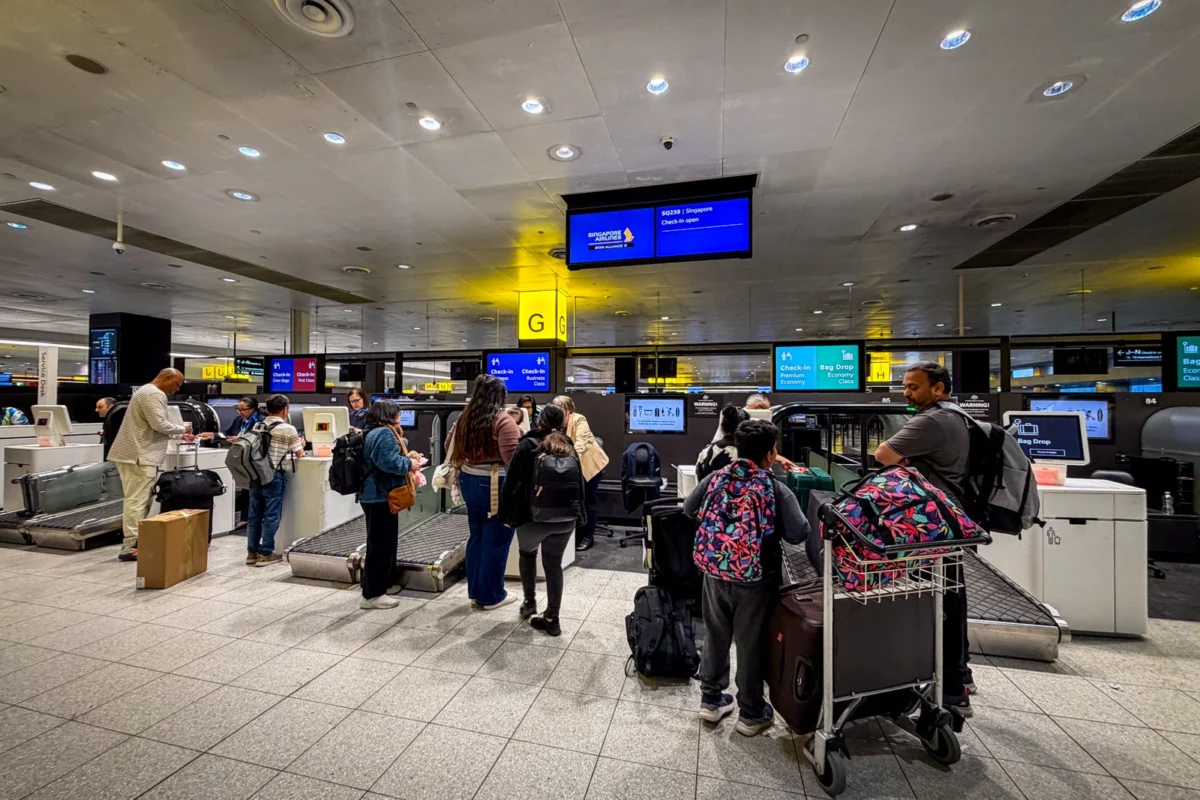
The aviation industry has witnessed a significant transformation in the middle-ground of air travel, with the gap between the cramped confines of economy and the lie-flat luxury of business class being bridged by the increasingly popular "Premium Economy" cabin. Among the world’s leading carriers, Singapore Airlines—frequently ranked as the best airline globally—has positioned its Premium Economy product as a premier choice for travelers who seek enhanced comfort without the five-figure price tag of a front-of-the-cabin suite. Originally introduced over a decade ago, the airline’s Premium Economy offering has become a staple on its long-haul fleet, including the Boeing 777-300ER, the Airbus A350-900, and the double-decker A380. For those navigating the eight-hour trek between Melbourne and Singapore, or even the ultra-long-haul routes to New York and London, the question remains: is the upgrade truly worth the investment of cash or hard-earned loyalty miles?
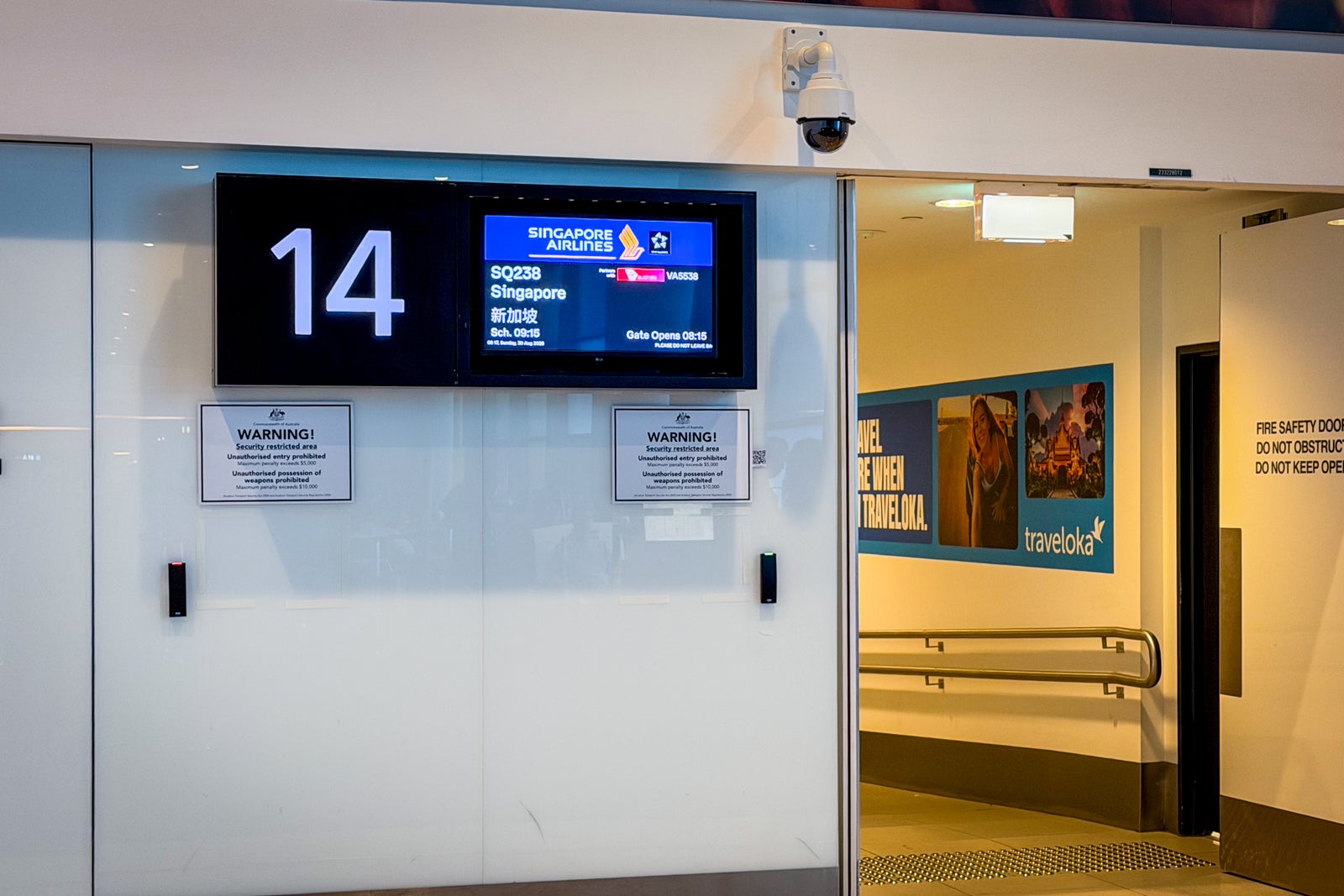
To understand the value proposition, one must first look at the economics of the booking process. The pricing for Singapore Airlines Premium Economy is rarely static, influenced by a complex algorithm of route demand, seasonal trends, and the carrier’s tiered loyalty structure. On a recent one-way jaunt from Melbourne Airport (MEL) to Singapore Changi (SIN), cash prices for this cabin hovered around $1,995 USD (approximately AU$2,784). In comparison, a standard economy seat was priced at $990 USD, while business class commanded a much steeper $3,042 USD. Essentially, the Premium Economy ticket cost twice as much as economy but offered a $1,000 discount relative to business class.
For loyalty enthusiasts, the math becomes even more nuanced. Singapore Airlines operates its KrisFlyer program using a mix of award tiers: Saver, Advantage, and the more recently introduced "Access" awards. Saver awards represent the "holy grail" of redemptions, offering the lowest mileage rates, but they are notoriously difficult to find on high-demand routes. On this specific Melbourne to Singapore route, a Saver award in Premium Economy would typically cost 53,500 miles. However, when Saver availability is exhausted, travelers are often forced into Access awards. In this instance, the ticket required 94,500 KrisFlyer miles plus $77.65 in taxes. While 94,500 miles is a significant sum—nearly enough for a business-class Saver award on some routes—the context of the cash price matters. By redeeming 94,500 miles for a $1,995 ticket, the realized value was approximately 2 cents per mile, significantly higher than the standard valuation of 1.3 cents. Furthermore, compared to an economy award which cost 87,000 miles for the same flight, the "upsell" to Premium Economy was a mere 7,500 miles. For a flight of eight hours, paying a 9% premium in miles for a 50% increase in comfort is a logical choice for most savvy travelers.
Fortunately for those based in the United States or abroad, KrisFlyer miles are among the easiest to accumulate. The program is a 1:1 transfer partner with nearly every major flexible credit card currency, including American Express Membership Rewards, Chase Ultimate Rewards, Citi ThankYou Rewards, and Capital One Venture miles. This accessibility makes Singapore Airlines a primary target for "point-and-mile" aficionados looking to maximize their travel budget.
The Premium Economy experience begins long before the aircraft leaves the tarmac. At Melbourne Airport, passengers are afforded a taste of the "VIP" treatment with dedicated check-in lanes. This priority service is a significant time-saver, allowing travelers to bypass the often-winding queues of the main economy cabin. Once checked in, passengers receive a Group 3 boarding priority, ensuring they can settle into their seats and secure overhead bin space before the bulk of the aircraft boards. It is important to note, however, that a Premium Economy ticket does not grant lounge access—a perk reserved for business class, first class, and high-level elite status holders. For those without status, access to the Aspire Lounge or other Priority Pass lounges remains the best alternative for a pre-flight espresso or snack.
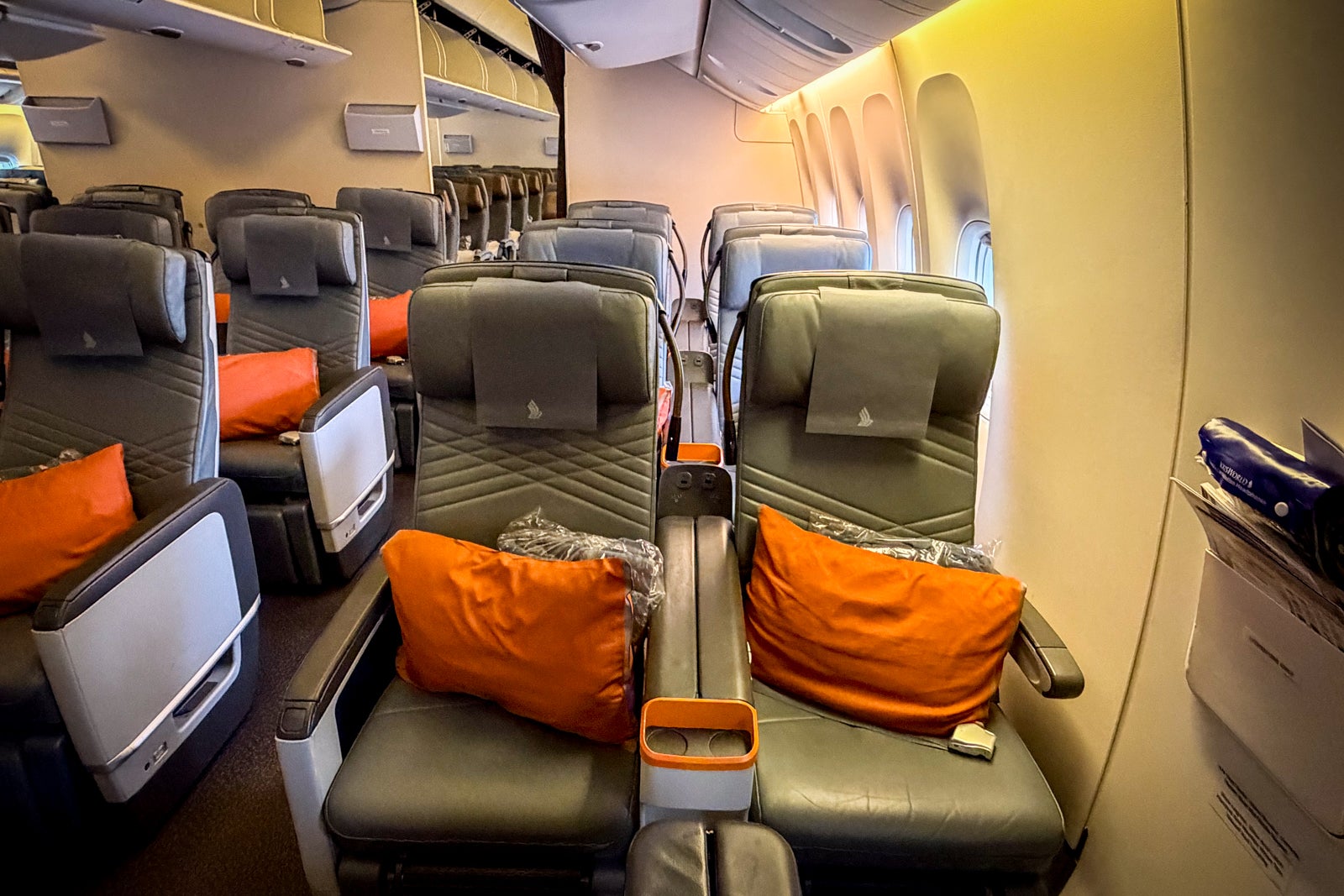
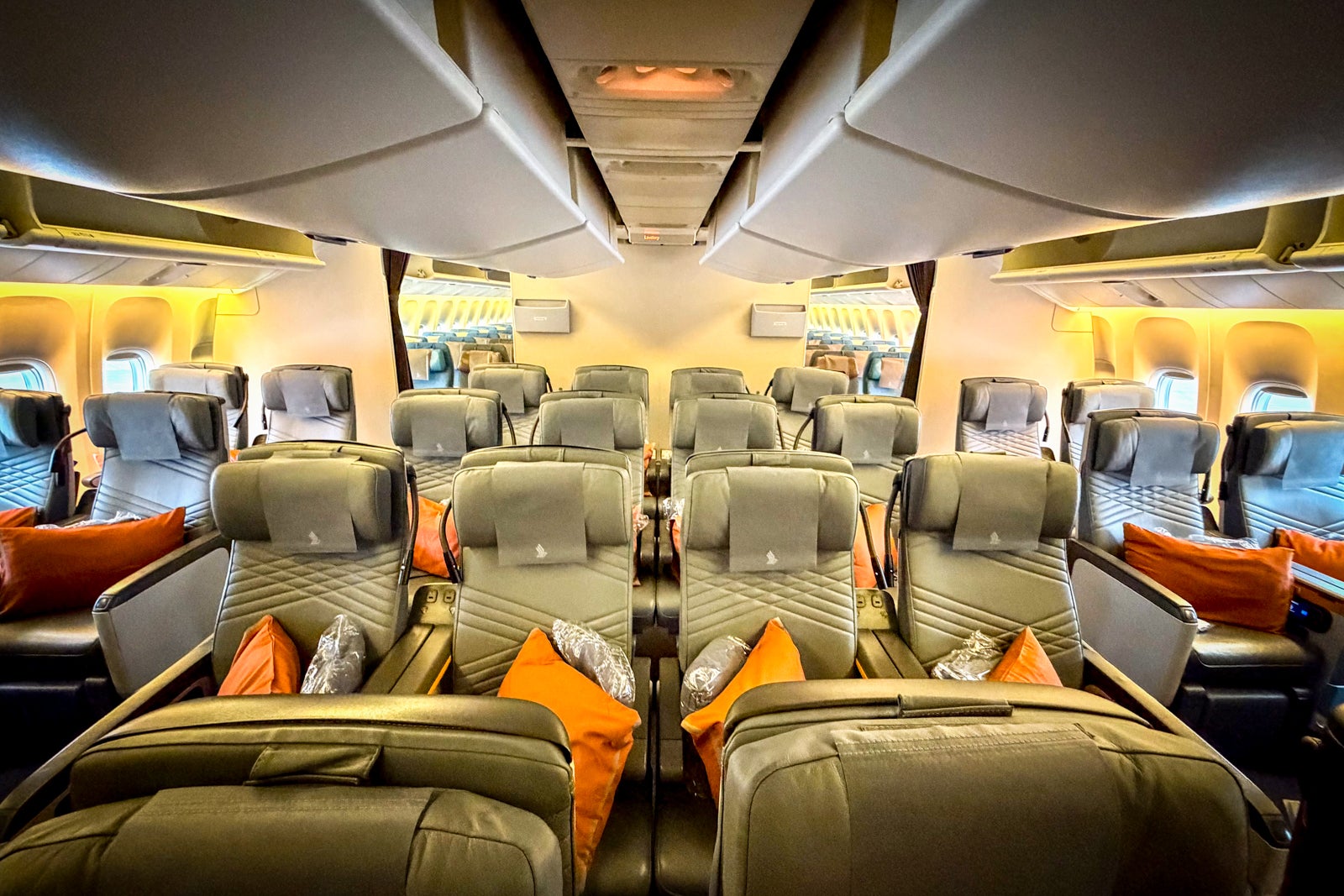
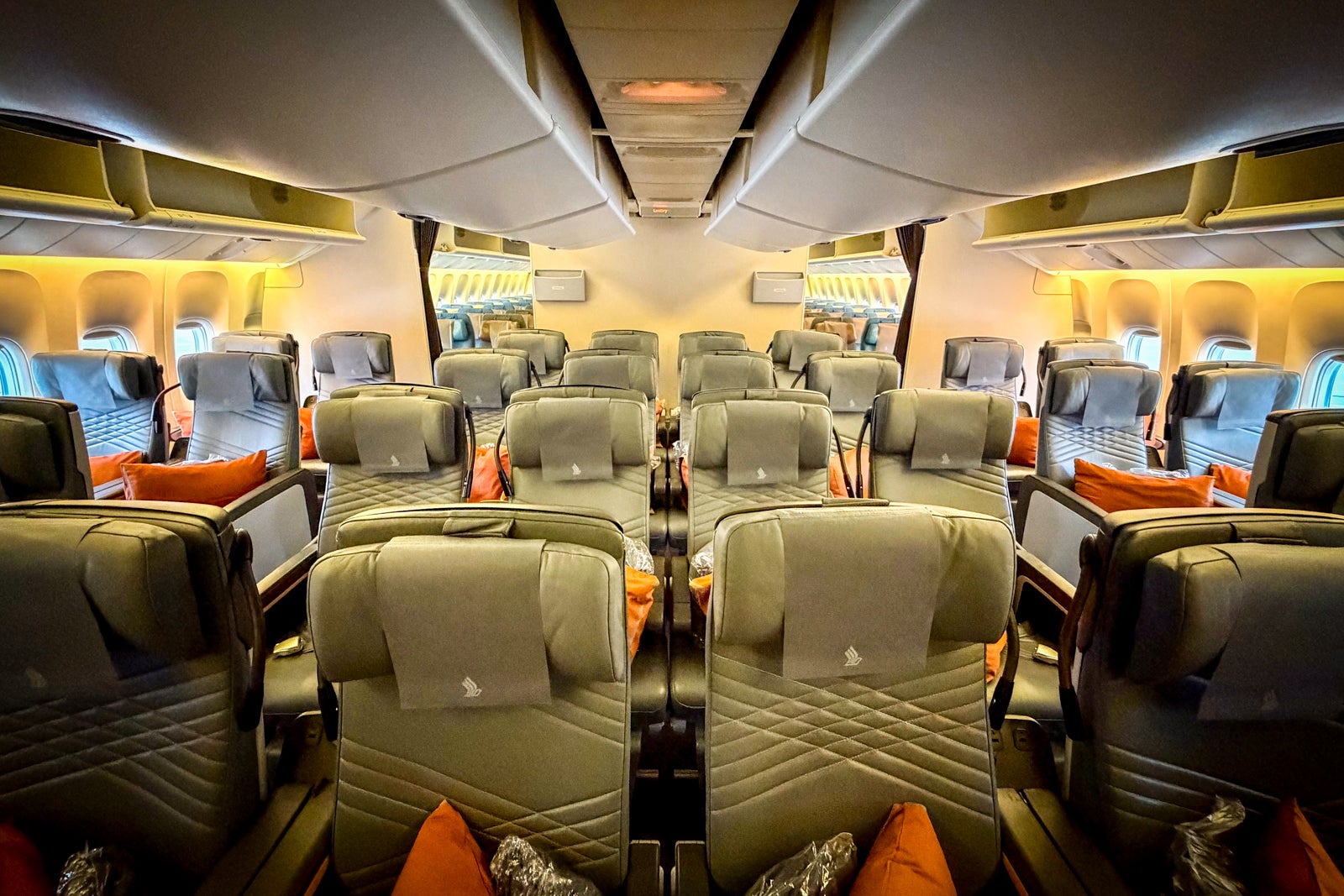
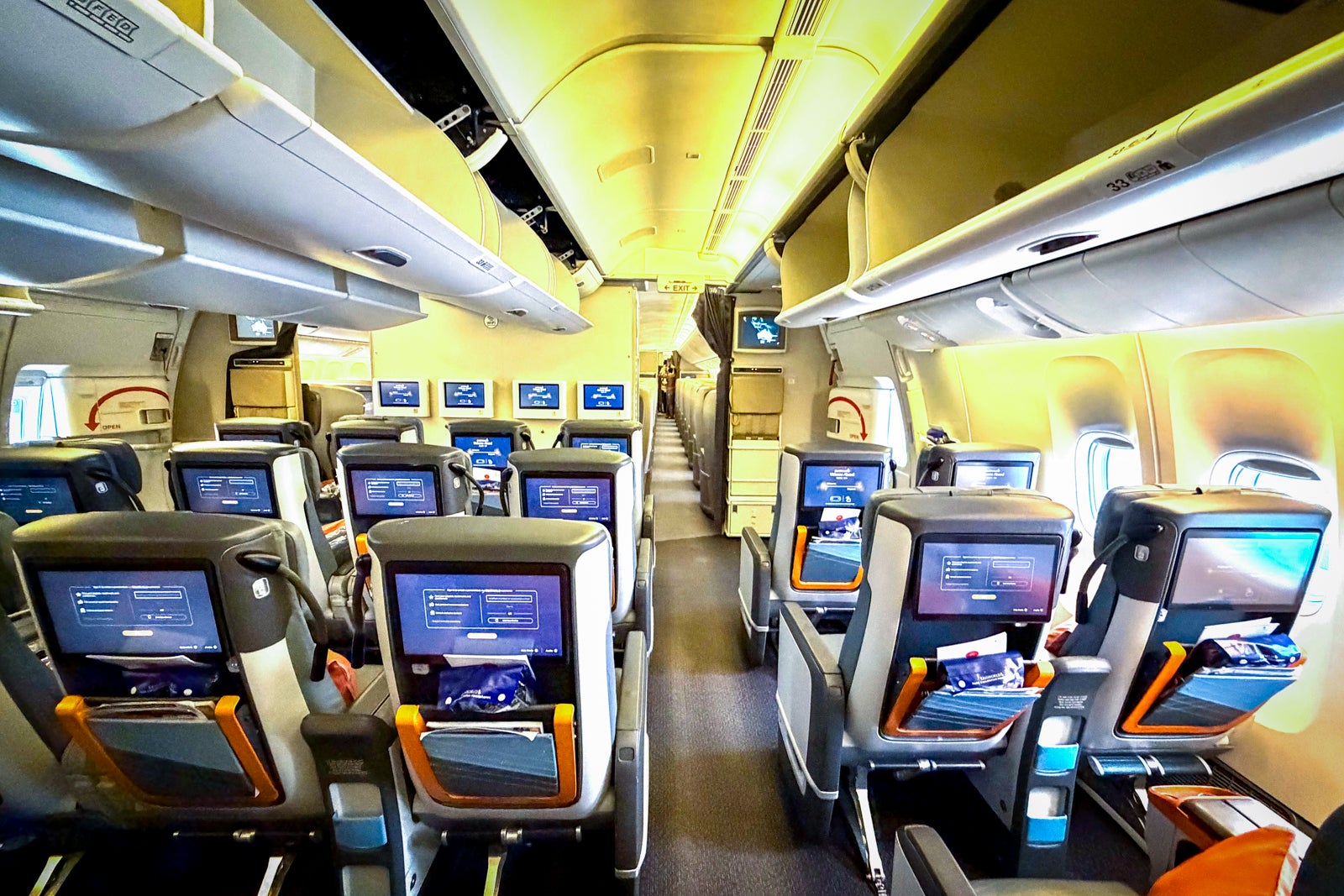
Stepping onto the Boeing 777-300ER, the Premium Economy cabin is immediately distinguishable by its intimate atmosphere and stylish aesthetics. On this aircraft, the cabin is tucked between business class and the main economy section, featuring just 28 seats arranged in a 2-4-2 configuration. This layout is inherently superior to the 3-3-3 arrangement found in economy, as it reduces the number of "middle" seats and provides couples with the privacy of two-seat blocks along the windows.
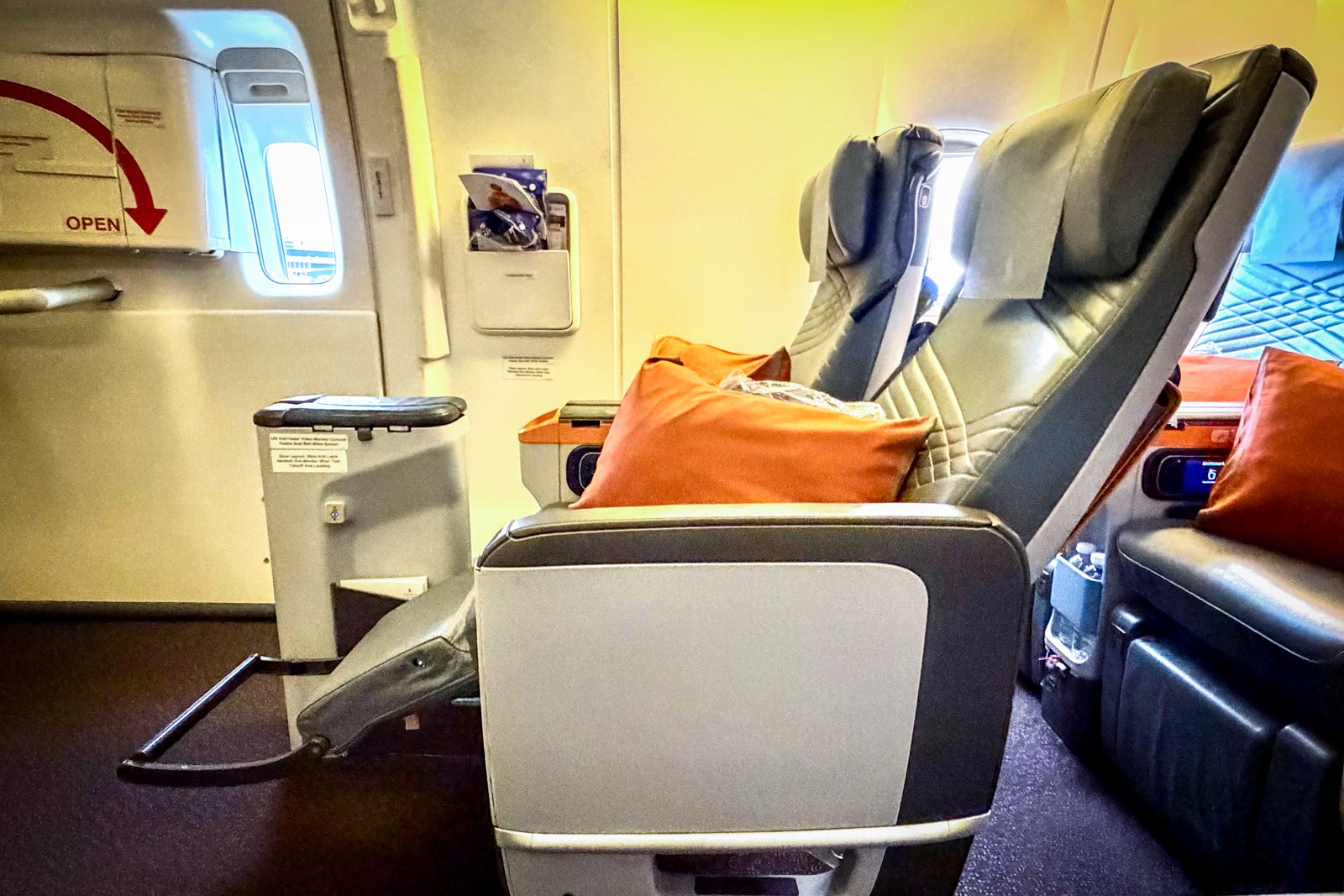
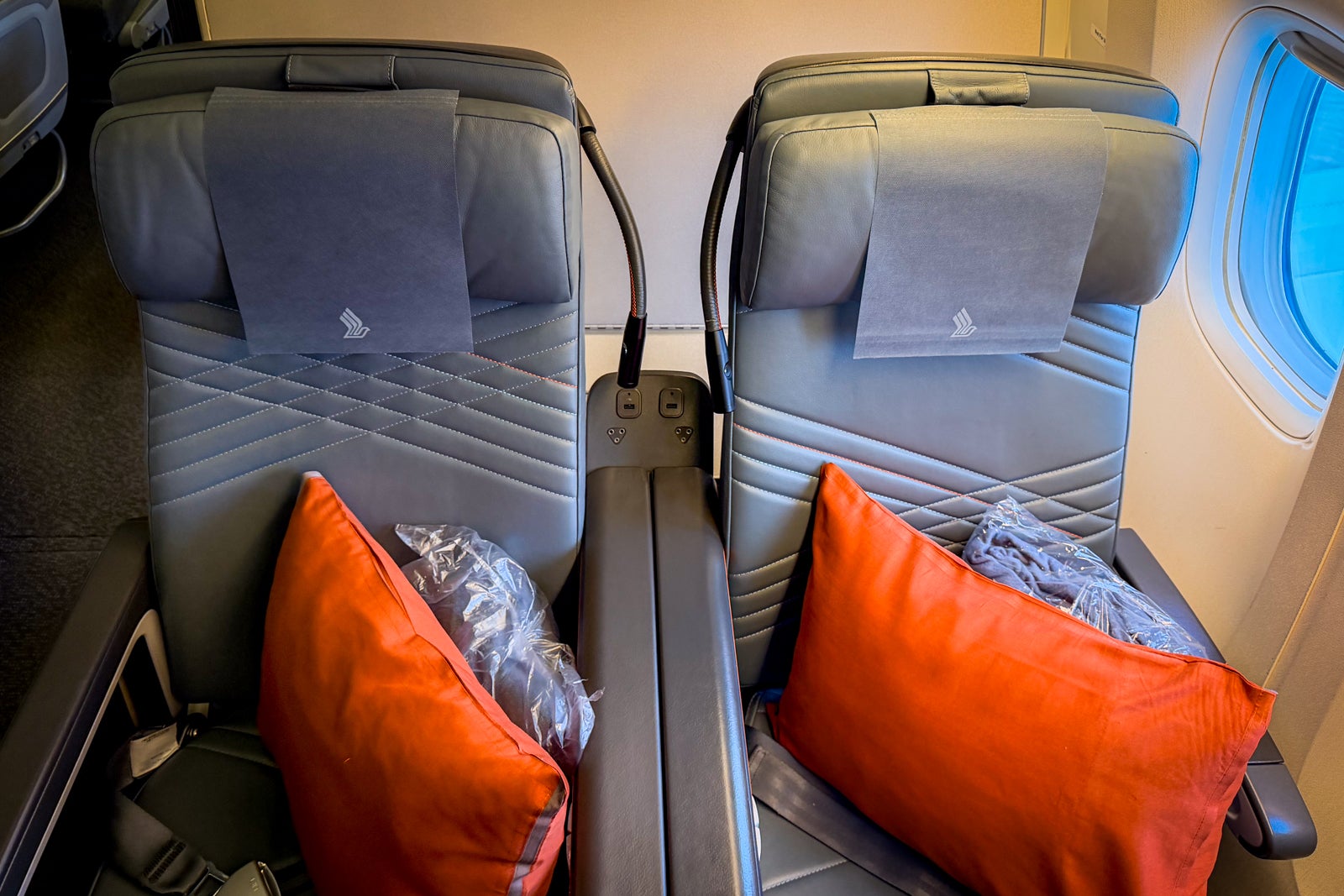
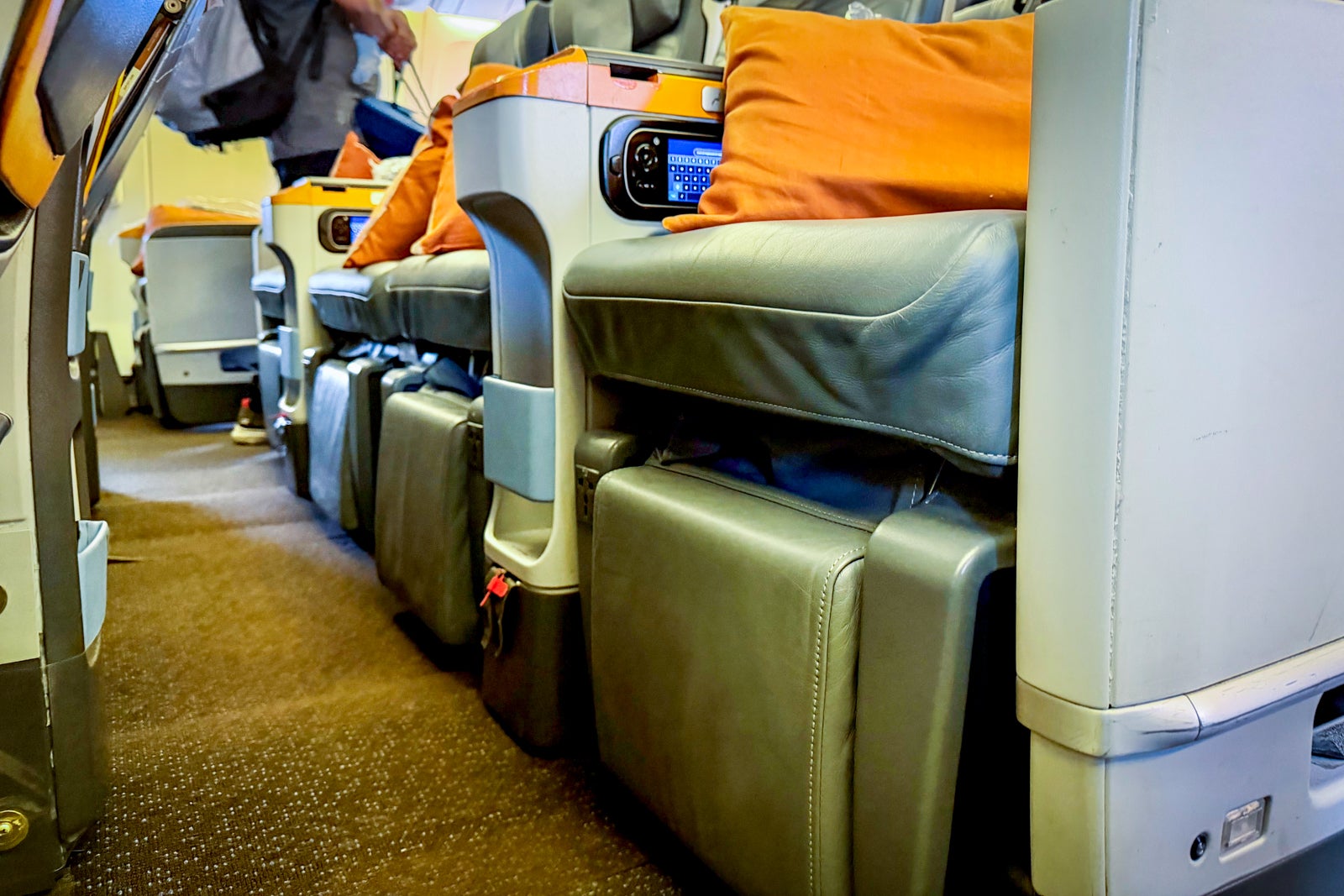
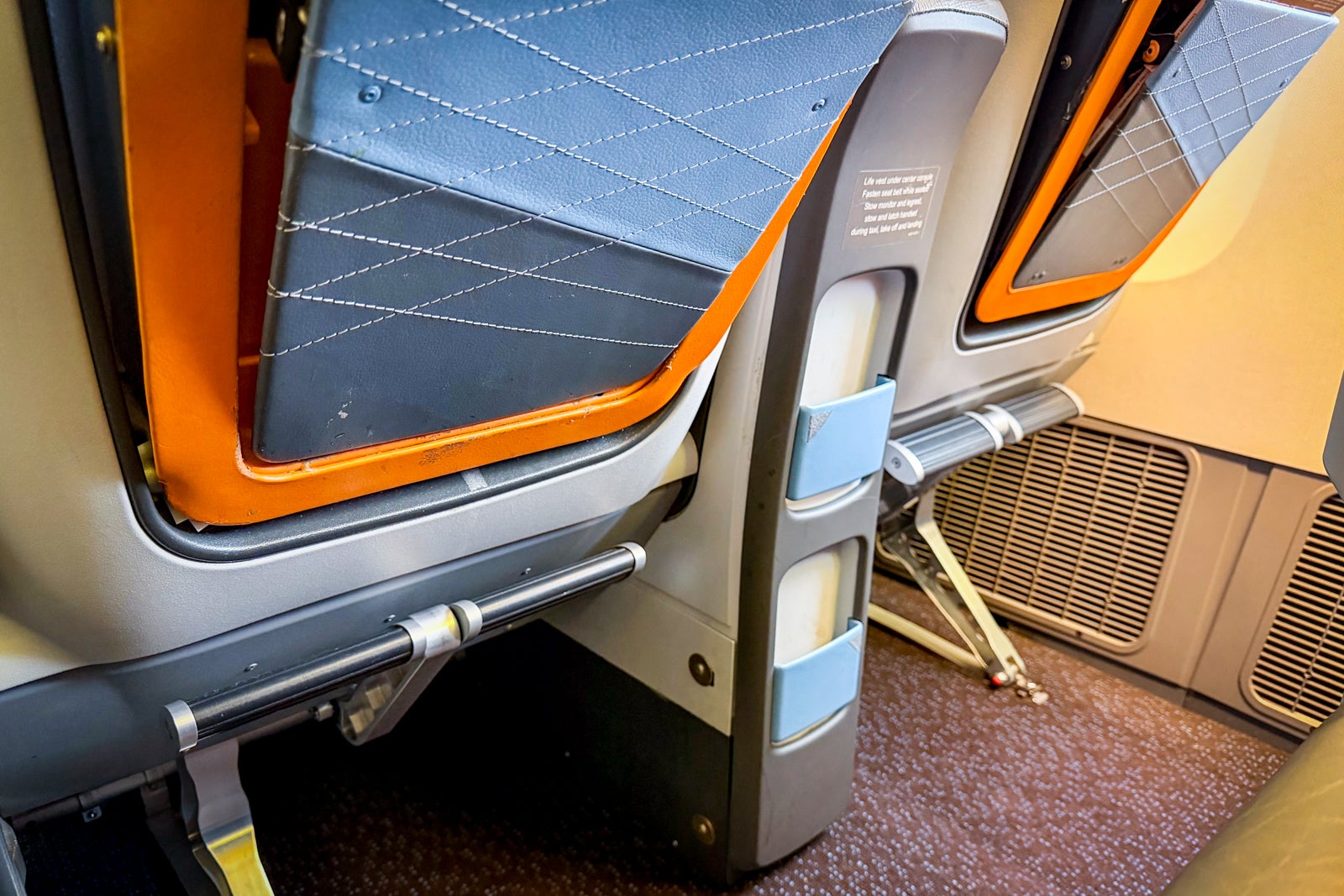
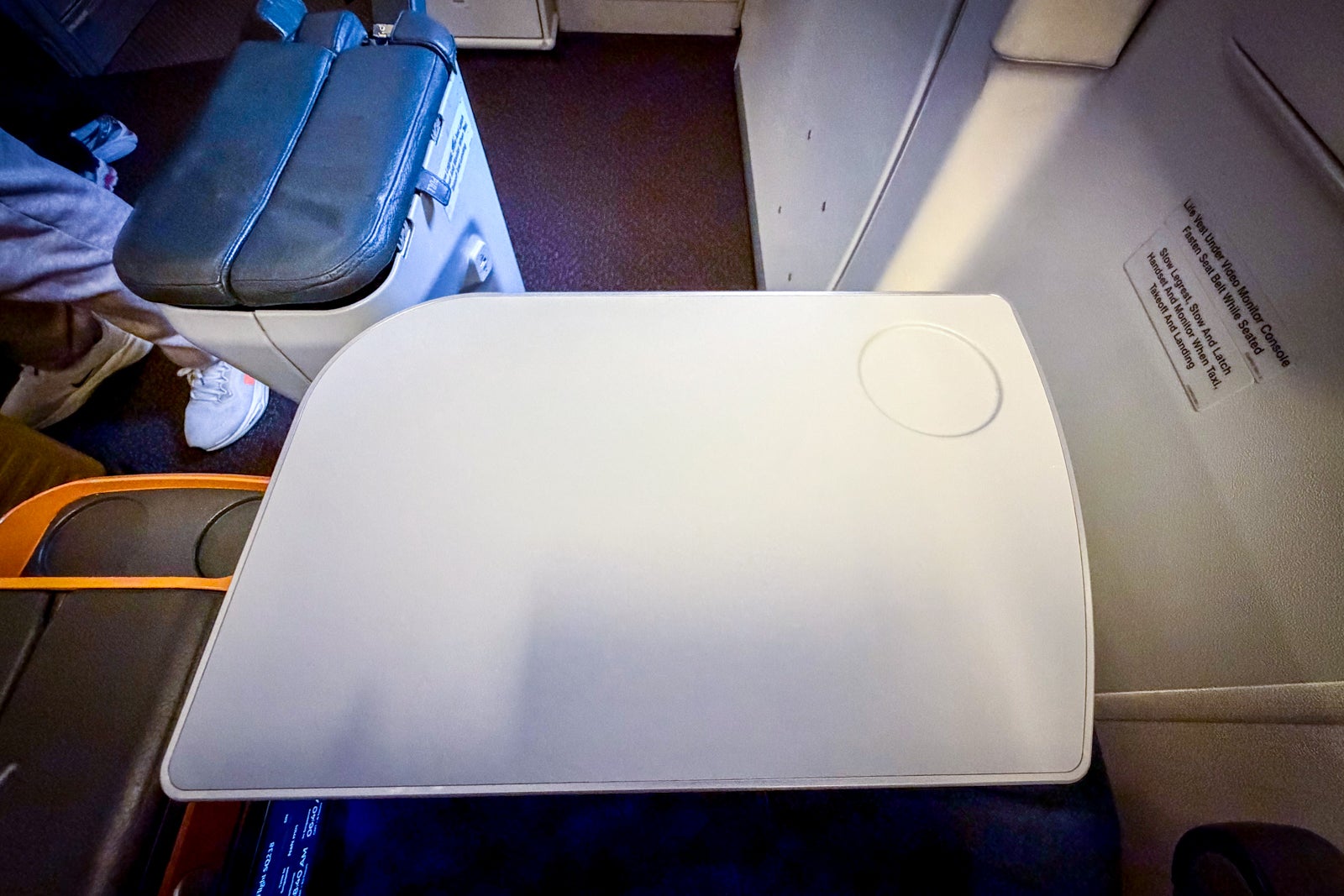
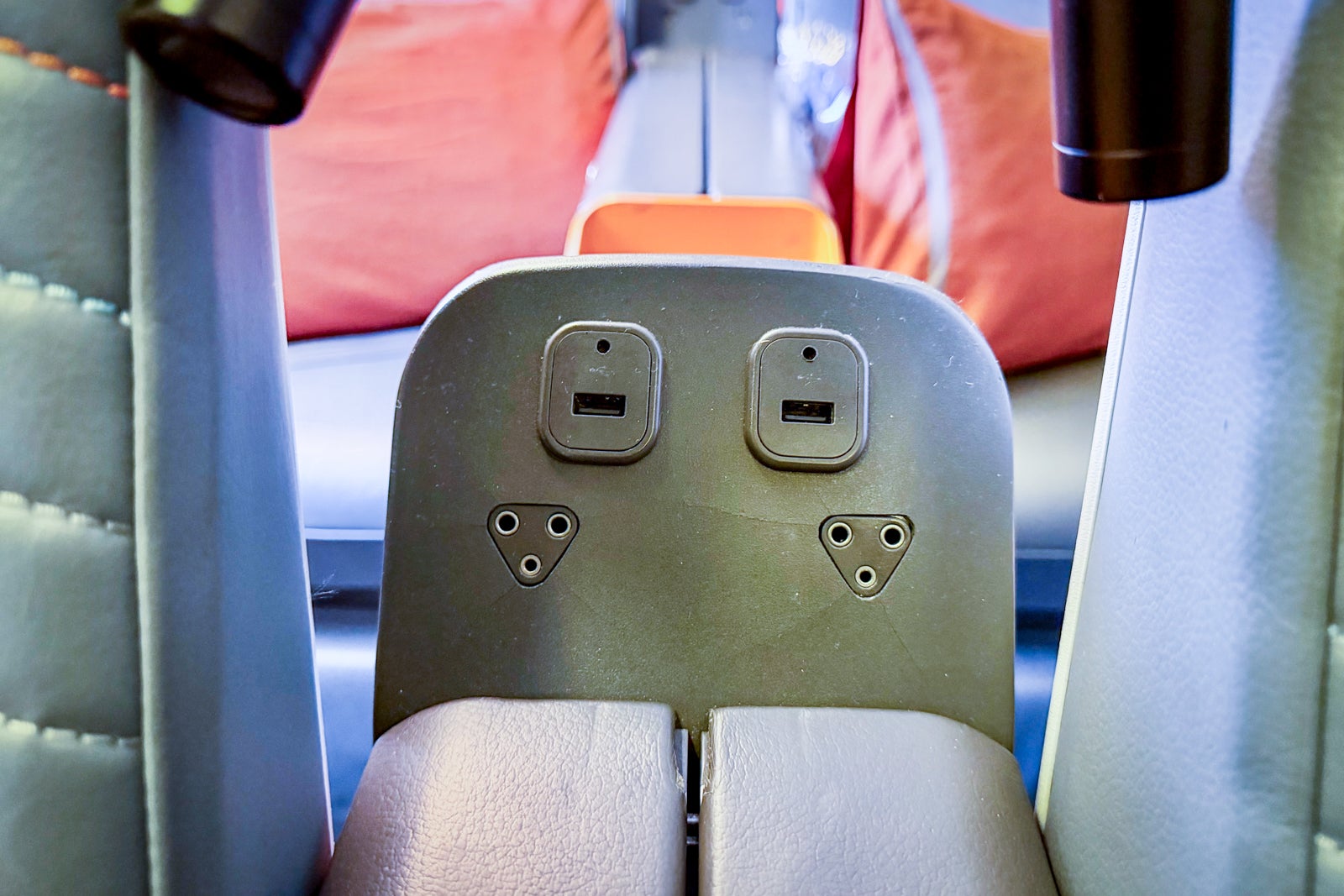
The technical specifications of the seat are where the "premium" label truly earns its keep. Each seat offers 38 inches of pitch—the distance from one seatback to the next—and a width of 19.5 inches. This provides a noticeable increase in personal space compared to the 32 inches of pitch and 18-inch width standard in economy. The most impressive feature, however, is the recline. The seatback can tilt back up to 8 inches, creating a cradling effect that, when combined with the calf-rest and fold-out footrest, makes it significantly easier to sleep or relax. Bulkhead seats, located in the first row of the cabin, offer even more legroom, though they come with the trade-off of having the entertainment monitor stowed in the armrest, meaning it cannot be used during takeoff and landing.
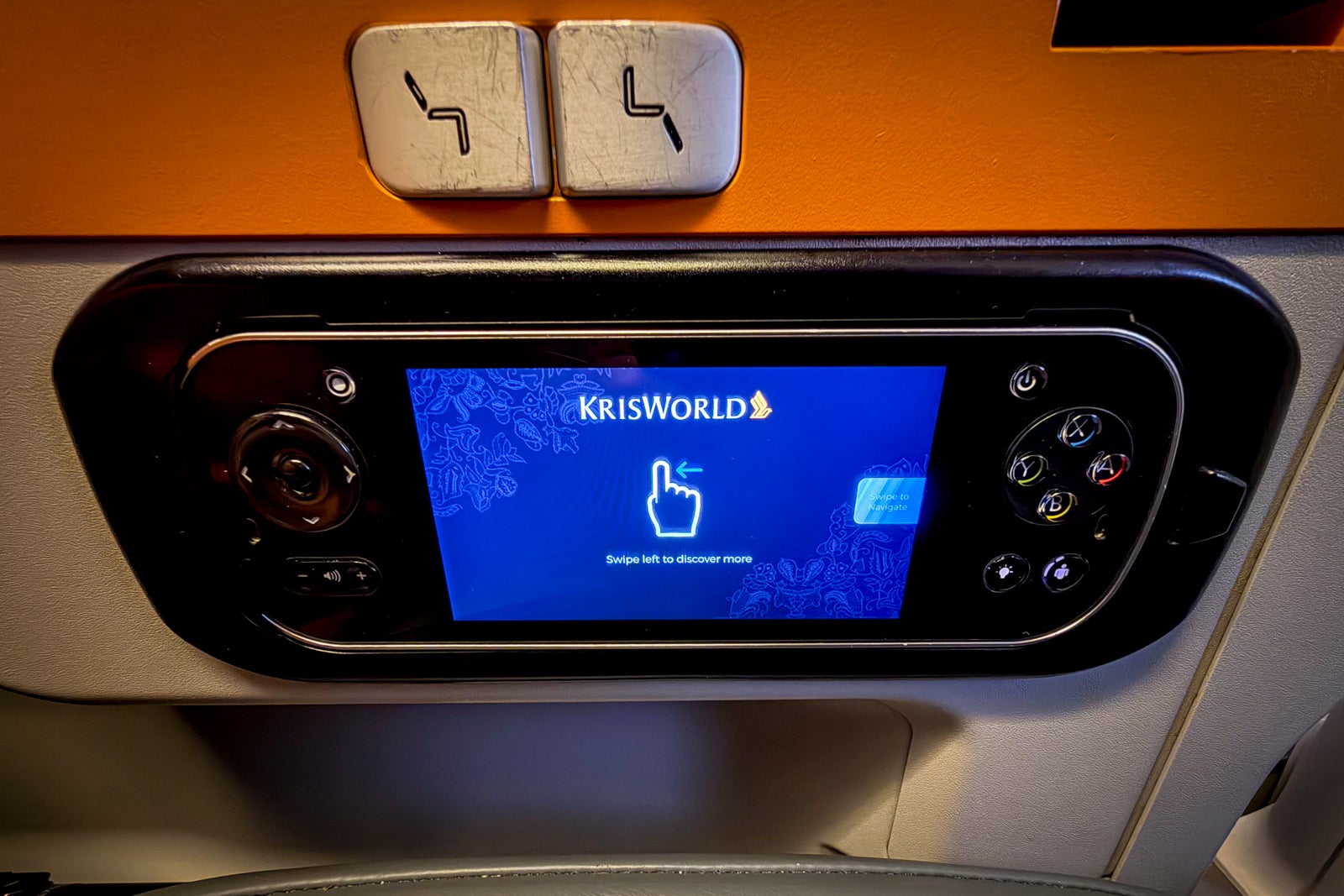
In-flight technology is another area where Singapore Airlines excels. The KrisWorld entertainment system is widely regarded as one of the best in the sky, and in Premium Economy, it is delivered via a 13.3-inch high-definition touchscreen. The library is staggering, featuring hundreds of films ranging from Hollywood blockbusters to international cinema. During this flight, the selection included titles like "The Devil Wears Prada 2," "The Mandalorian and Grogu," and "The Super Mario Galaxy Movie," alongside prestige television like "House of the Dragon."
Connectivity has also become a major selling point for the airline. In 2023, Singapore Airlines overhauled its Wi-Fi policy, offering free, unlimited Wi-Fi to all KrisFlyer members, regardless of the cabin they are flying in. By simply linking a KrisFlyer number to the reservation, passengers in Premium Economy can stay connected throughout the flight. While the speeds—clocked at approximately 280 Kbps—are more suited for messaging and light web browsing than high-definition video streaming, the ability to stay in touch with the world for free is a luxury many other airlines still charge $20 or more for.
Gastronomy is a cornerstone of the Singapore Airlines brand, and the Premium Economy dining experience is designed to be a "Business Class Lite" affair. While economy passengers are limited to the standard on-board menu, Premium Economy travelers can utilize the "Book the Cook" service. This allows passengers to preorder their main course from an expanded menu up to 24 hours before departure. Options on the Melbourne route included poached chicken with ginger and spring onion, Nasi Lemak, and classic beef carbonade.
The presentation of the meal is elevated through the use of ceramic-style plateware and metal cutlery, though the airline still utilizes plastic cups for beverages. The beverage program itself is surprisingly robust, featuring a selection of international wines, including an Ernest Rapeneau Champagne, which is a rare find in a non-business-class cabin. Flight attendants are proactive, performing frequent "water runs" and offering a variety of spirits and soft drinks throughout the journey. The second meal service, a "refreshment" served 90 minutes before landing, offered lighter options like a spicy samosa or a sandwich, providing the necessary fuel for arrival without being overly heavy.
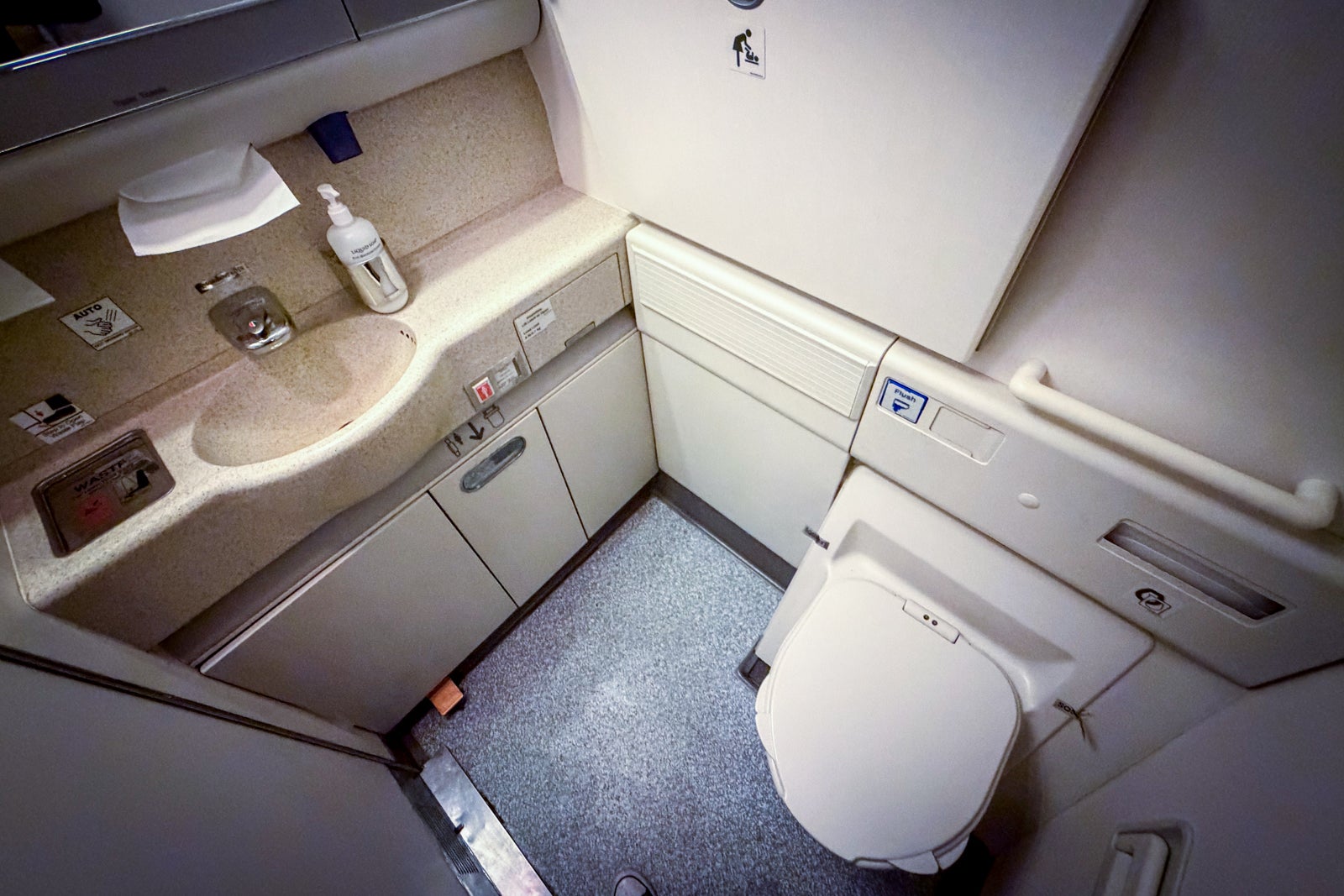
Service is perhaps the most intangible yet vital part of the experience. The "Singapore Girl" and her male counterparts are trained to provide a level of service that is both polished and personal. In a small cabin of only 28 passengers, the crew-to-passenger ratio is much more favorable than in the back of the bus. Requests are handled with a smile, and the cabin is kept meticulously clean. Even the shared lavatories—while technically shared with economy—are frequently refreshed by the crew to maintain high standards of hygiene.
Ultimately, the decision to book Singapore Airlines Premium Economy hinges on the traveler’s priorities. If you are a tall traveler who finds economy seats physically taxing, or if you are a business traveler who needs to arrive at your destination refreshed and ready to work, the upgrade is a no-brainer. While the "Access" award pricing can be steep in terms of miles, the small gap between economy and premium awards often makes it the most logical "splurge" in the KrisFlyer ecosystem.
Singapore Airlines has successfully created a product that feels like a distinct upgrade rather than just an economy seat with a little extra legroom. With its blend of ergonomic comfort, superior dining, and industry-leading connectivity, it remains one of the most compelling ways to cross the globe. Whether you are flying the eight hours from Melbourne or the nineteen hours from New York, Singapore Airlines Premium Economy offers a sanctuary of comfort that makes the journey as enjoyable as the destination.
