
 By admin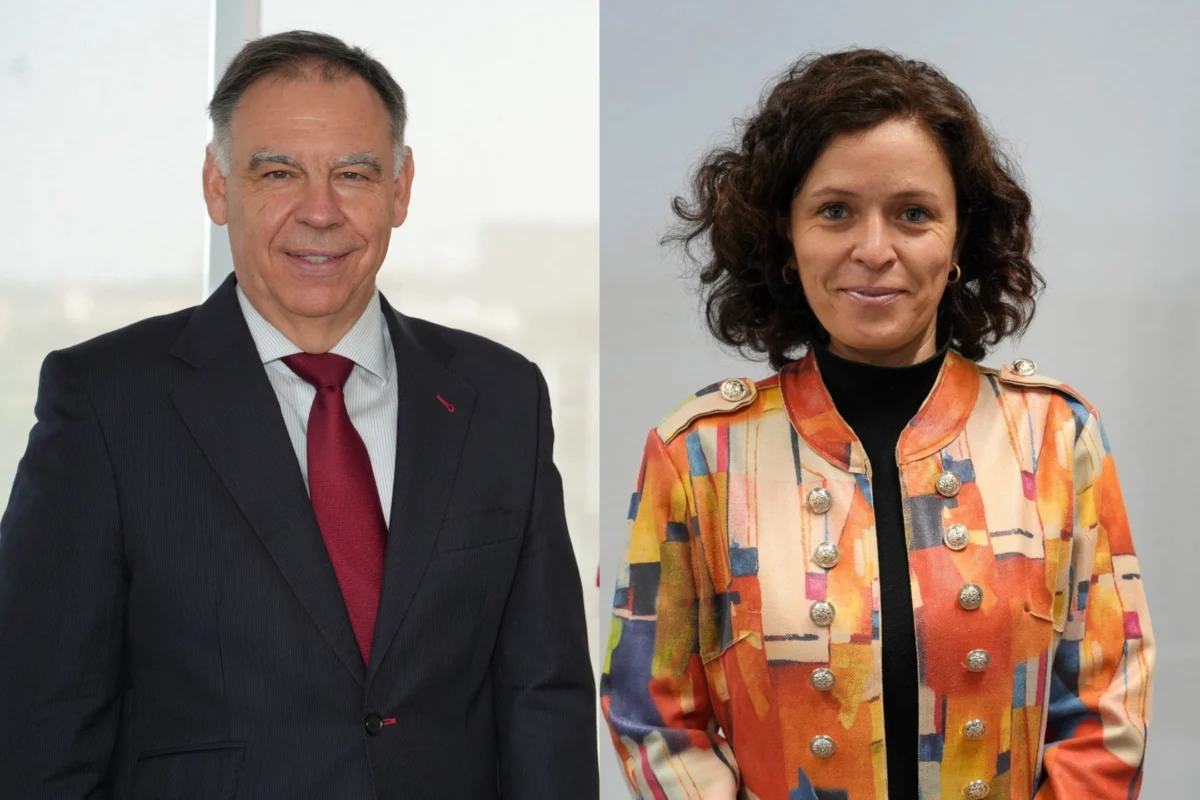
San Sebastián, Spain – A pivotal industry narrative set to unfold at this year’s San Sebastián Festival, running from September 18th to 26th, will be the comprehensive presentation of SETT, the venture capital fund spearheaded by Spain’s Ministry for Digital Transformation. This initiative represents a significant governmental commitment to revitalizing and expanding key economic sectors, with a particular focus on the burgeoning audiovisual industry. Javier Ponce, SETT’s Director General, and María Coronado, its Audiovisual Director, are poised to offer an in-depth, practical guide to Spain’s strategic investment drive, illuminating its objectives, methodologies, and future trajectory. Their insights promise to shed light on the dynamic companies receiving SETT’s backing, which are anticipated to be at the forefront of innovation within the Spanish economic landscape.
At its core, SETT operates as a public investment entity dedicated to managing and deploying capital in strategic, transformative sectors. As Javier Ponce explains, "SETT is a public investment entity that manages investments in strategic, transformative sectors, including the audiovisual industry. It serves as a public catalyst for growth, employment, innovation and talent – all core elements of the audiovisual sector." The organization has been instrumental in managing the Spain Audiovisual Hub Fund, a crucial instrument established under Spain’s ambitious Recovery Plan and significantly bolstered by financing from the European Union’s Next Generation funds. This strategic injection of capital aims to propel the Spanish audiovisual sector onto the global stage.
The Spain Audiovisual Hub Plan, orchestrated by SETT, provides a multifaceted approach to financing, offering equity or quasi-equity investments directly to companies within the sector or through established financial intermediaries. The overarching objective is to catalyze private investment and enhance access to finance for a diverse range of projects encompassing films, television series, animation, multimedia content, and interactive experiences. A key tenet of this strategy is the prioritization of high-impact projects that foster the creation of valuable audiovisual content and intellectual property (IP). Crucially, the plan emphasizes ensuring that these valuable IP rights remain firmly within the possession of the production companies, thereby empowering Spanish creators and fostering long-term value creation.
The rationale behind SETT’s sovereign venture capital fund and its co-investment model is rooted in the principles of public-private collaboration. Ponce elaborates on this strategy: "It is based on public-private collaboration to launch transformative initiatives that, because of their innovative nature, involve additional risks that make it difficult to attract purely private funding." He further contextualizes this by noting that "Only highly liquid, large-scale markets with a long-established audiovisual industry are able to mobilize sufficient capital to finance major new productions or transformative industry initiatives." This public-private partnership model is designed to de-risk innovative ventures, making them more attractive to private investors who might otherwise shy away from the inherent uncertainties of cutting-edge projects.
The substantial financial backing for SETT’s Spain AVS Hub fund, capable of drawing down up to €1.5 billion (approximately $1.75 billion) from NextGeneration EU funding, underscores the scale of Spain’s ambition. However, as noted by María Gonzalez Veracruz, current investments stand at just under €250 million. Ponce acknowledges the time constraints associated with these European funds: "Indeed, European funds have been fundamental for Spain, and the Recovery Plan has played a key role in driving major structural reforms and stimulating economic growth. However, it is also true that these funds came with specific requirements, including strict implementation deadlines, which made optimal execution more challenging." He further explains the novel nature of the co-investment model: "For the audiovisual sector, the possibility of co-investing alongside a public entity represented a major innovation. Time therefore became a critical factor, as market participants first needed to understand the role and implications of partnering with a public investor that shared both risks and returns." This period of acclimatization and understanding was essential for the successful deployment of the funds.
Looking ahead, Ponce emphasizes the ongoing commitment to the sector: "The next challenge is to ensure that these investments continue to thrive, identify new opportunities, and maintain confidence in the talent and ambition of Spanish audiovisual companies, which now benefit from SETT’s backing." SETT’s mission is far from over; it is evolving. The fund is actively engaged in exercising governance over the investment accords already established and is preparing for the launch of a new flagship program, "España Crece" (Spain Grows). This ambitious program boasts a substantial €13.3 billion ($15.6 billion) budget, managed by ICO (the official credit institution of the Spanish state), with SETT playing a pivotal role in the investment handling for specific strategic areas. Ponce confirms this evolution: "The audiovisual sector will remain one of SETT’s strategic areas of activity and will continue under new fund ‘España Crece.’ We have begun discussions with ICO to define the procedures and framework for collaboration between the two institutions, ensuring the continuation of co-investment in strategic technologies and sectors."
SETT’s introduction signifies a paradigm shift in how public investment is conceived and executed in strategic industries. "SETT has represented a significant shift in the way public investment in strategic industries is conceived," Ponce states. "Through SETT, the State acts as a catalyst and partner in the most innovative areas of the economy, with the objective of positioning Spain at the forefront of transformative industries. That is why we invested in the audiovisual sector and why we will continue to do so." The audiovisual sector, in particular, is recognized for its potent ability to generate industrial activity, create employment, and yield broad economic impact, solidifying its status as a strategic sector deserving of sustained public support.
María Coronado offers concrete examples to illustrate the effectiveness of SETT’s co-investment model. She outlines the three foundational pillars of the SETT model: "First, it adopts an industry-wide approach, rather than a project-based one, addressing the entire audiovisual business ecosystem. Second, its investment facilities are directed at the equity capital of companies or regulated investment vehicles. Third, it promotes public-private partnership instruments on a medium-long term." This holistic approach ensures that SETT’s support is not piecemeal but integrated within the broader industry development strategy.
Under this model, the onus is on project promoters to demonstrate the viability and potential of their ventures to private investors. SETT then enters as a co-investor on a pari passu basis, meaning its investment is subject to the same terms and conditions as private capital. "This approach," Coronado explains, "strengthens both domestic and international private investment in companies based in Spain, while also attracting foreign businesses that see Spain as an attractive location to establish their operations." She provides compelling examples: "Clear examples include the South African transactions involving The Refinery and Moonlighting, with a combined investment of €25 million, as well as Amuse Labs and Milo, two leading examples of Spain’s animation industry, which have mobilized €13 million and €19 million respectively." These investments not only provide crucial capital but also signal confidence in Spanish companies, attracting further private sector engagement and fostering international partnerships.
The impact of SETT’s investment extends beyond mere financial injection. Coronado believes that "the main challenge for the coming years is to consolidate the model we have been promoting and supporting." This consolidation involves a multi-pronged approach: "It is essential to continue strengthening and diversifying support policies so that Spain can establish itself as a global hub for the audiovisual industry over the long term. This means supporting every segment of the industry according to its specific needs." Scaling up operations, ensuring the availability of state-of-the-art infrastructure for productions of all sizes, and enhancing technical training programs are all critical components of this long-term vision. Furthermore, Coronado highlights the importance of a competitive tax framework, a supportive legal and regulatory environment, and the continuous development of public-private investment instruments.
Addressing the financial needs of projects is also paramount. Coronado emphasizes the necessity of understanding "the cash-flow financing needs of projects to address the full range of companies’ financing requirements." Finally, she underscores the imperative of adaptability: "the industry’s ability to adapt and diversify will remain critical, both in terms of technology and creativity, as well as business models and corporate structures." This forward-looking perspective ensures that Spanish audiovisual companies are not only well-funded but also agile and resilient in a rapidly evolving global market.
The introduction of sovereign venture capital through SETT has undoubtedly instigated a significant shift in the industry’s mindset. Coronado asserts, "Yes, absolutely. It creates new opportunities. It is essential to think in terms of medium- and long-term business strategy, rather than focusing only on immediate projects." This strategic reorientation empowers companies to "strengthen their capital base, making them more ambitious, better able to protect their intellectual property, diversify, expand internationally, and bring their products to market more effectively." This fosters a culture of sustained growth and global ambition, moving beyond short-term project cycles to building enduring enterprises.
Reflecting on the initial two years of the Spain AVS Hub Phase II, Coronado shares valuable lessons learned that will inform future investments under "España Crece." The most significant takeaway has been the "confirmation that SETT has a clear and necessary purpose for the industry, both in attracting private investment and foreign companies, and in creating opportunities for the local industry." She stresses the importance of allowing "more time for business plans to mature and for companies to secure private investment," recognizing that successful long-term investments require patience and a supportive ecosystem for development.
The SETT event at the San Sebastián Festival promises to be a significant platform for showcasing progress and outlining future plans. Coronado details the schedule: "As you would expect, we will have a strong presence at the festival, with a wide range of activities. On Sept. 20, the Secretary of State for Digitalisation and Artificial Intelligence, through the Ministry for Digital Transformation and the Civil Service, which is leading the Government’s Spain Audiovisual Hub Plan, will host an event in which SETT will present the huge progress we have made in financing the audiovisual sector and new ongoing projects." Further engagement includes Coronado’s participation in a panel discussion on September 22nd at the conference organized by the CAA as part of Spanish Screenings Investment & Tech. On the same day, SETT will host an exclusive roundtable with leading international and Spanish investment funds and banks specializing in the audiovisual sector. These events underscore SETT’s commitment to transparency, collaboration, and driving the future of Spain’s audiovisual industry.
