
 By admin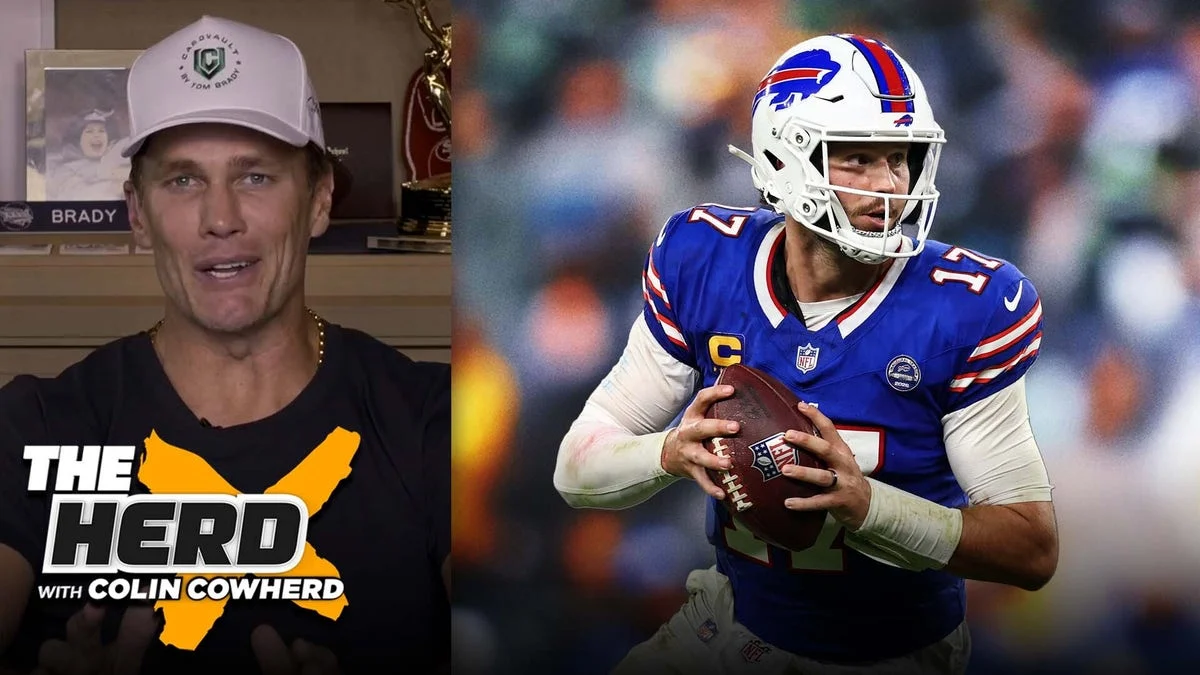
Buffalo Bills quarterback Josh Allen is making a resounding statement early in the NFL season, showcasing a level of play that has ignited MVP chants and drawn praise from one of the game’s greatest signal-callers. Through the first two games, Allen has guided the Bills to an undefeated 2-0 record, orchestrating an offense that is both explosive and remarkably efficient. His statistical output is nothing short of sensational, projecting a trajectory that could very well see him adding another MVP trophy to his burgeoning collection.
In these initial contests, Allen has demonstrated an all-around mastery of the quarterback position. He has amassed an impressive 582 passing yards, finding the end zone through the air on five occasions. But Allen’s impact extends far beyond his arm. He has also proven to be a formidable dual-threat, contributing 92 rushing yards and an additional four touchdowns with his legs. This dual-threat capability, combined with his pinpoint accuracy and decision-making, has made the Bills’ offense a nearly unstoppable force.
Perhaps the most striking aspect of Allen’s early-season dominance is his impeccable ball security. In an era where turnovers can drastically swing the momentum of a game, Allen has yet to throw an interception. This level of clean play is a testament to his growth and discipline, especially considering the aggressive style of play he often employs. It signifies a significant maturation in his game, moving beyond raw talent to strategic execution.
This impressive evolution in Allen’s game has not gone unnoticed by NFL legends. In a recent appearance on "The Herd" with Colin Cowherd, seven-time Super Bowl champion Tom Brady offered a detailed analysis of Allen’s development, highlighting key areas of growth that have propelled him to elite status. Brady, a quarterback renowned for his longevity, meticulous preparation, and unparalleled success, possesses a unique perspective on what it takes to sustain excellence at the highest level of professional football.
Brady’s analysis immediately zeroed in on the foundational impact of former Bills offensive coordinator Brian Daboll, who has since transitioned to become the head coach of the New York Giants. Brady believes that Daboll’s tenure in Buffalo was instrumental in shaping Allen’s understanding of offensive schemes and his ability to operate within them. "I thought there was a lot of development that took place when he had Brian Daboll as his [offensive] coordinator," Brady stated. "I think he learned the system. He’s got an awesome ability to improvise and we’ve seen that for a long time."
This acknowledgment of Daboll’s influence underscores the importance of strong coaching in developing a young quarterback’s potential. Daboll, known for his innovative play-calling and ability to tailor schemes to his players’ strengths, provided Allen with the framework to harness his immense physical gifts. While Allen’s natural talent has always been evident – his cannon arm and powerful legs are undeniable assets – the systematic approach instilled by Daboll allowed him to translate that raw talent into consistent, high-level performance.
However, Brady’s assessment went beyond praising the coaching staff. He delved into the specific areas where Allen has made the most significant strides, identifying the reduction of negative plays as the most crucial element of his recent success. Early in his career, Allen was often criticized for his propensity for turnovers, including fumbles and costly interceptions, which could derail promising drives and put the Bills in precarious situations. Brady, who has witnessed the devastating impact of such plays firsthand throughout his illustrious career, recognized this as the primary hurdle Allen needed to overcome to ascend to the top tier of quarterbacks.
"Beyond Allen’s physical traits, Brady pointed out that his ability to avoid negative plays has been his biggest area of growth," the article states. This is a critical observation. Negative plays, such as boneheaded fumbles, sacks for significant losses, or ill-advised throws into double coverage, have the power to completely demoralize a team and gift momentum to the opposition. They represent a lapse in judgment, a moment of overconfidence, or a failure to execute a fundamental aspect of the game. For a quarterback aiming for sustained success, mitigating these costly errors is paramount.
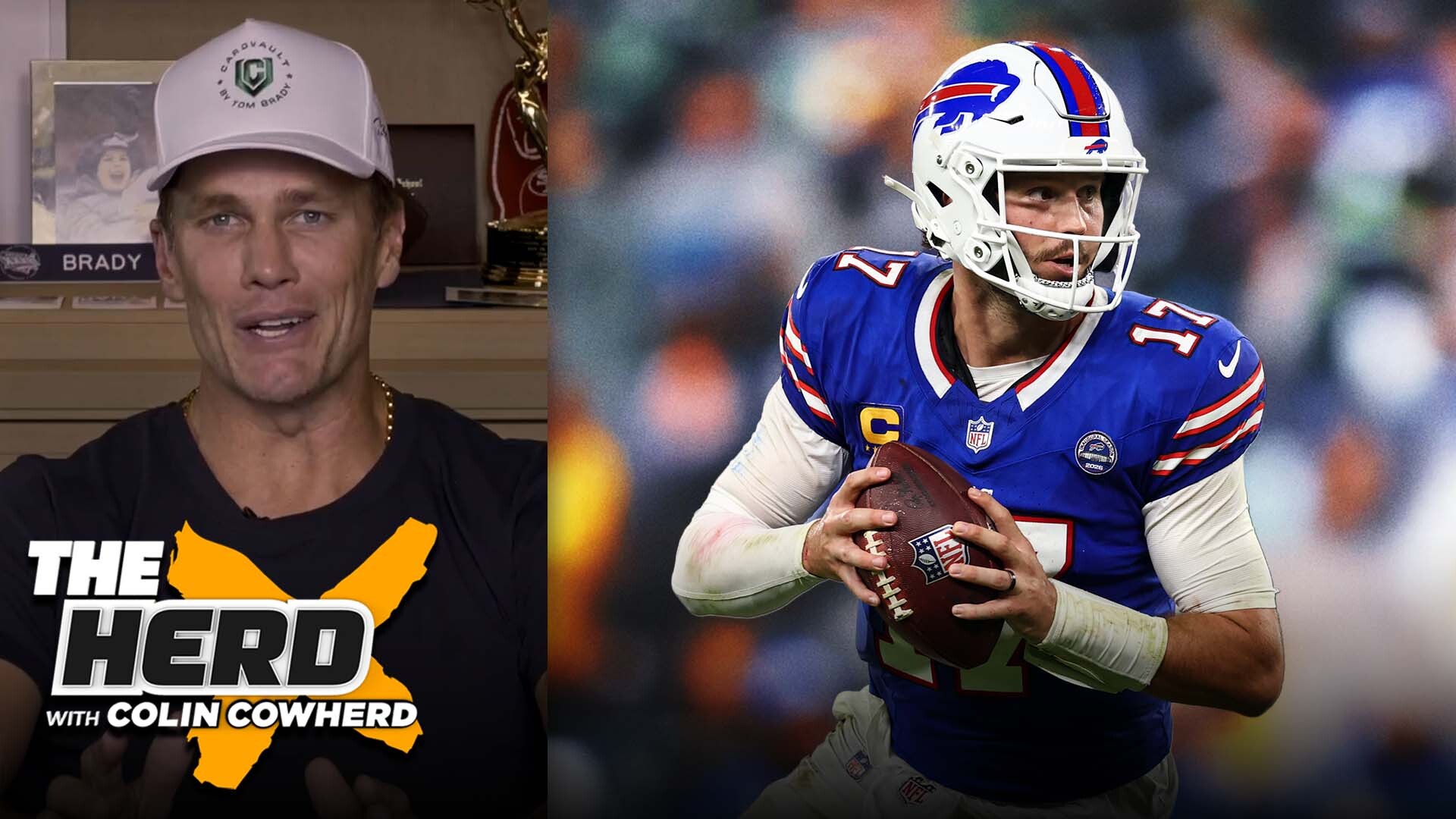
Brady elaborated on this point, emphasizing the detrimental effect of such plays: "He’s got the big arm, the legs and can kind of run the big plays. It’s always been ‘how can he eliminate the negative plays?’ The bonehead fumbles, the bonehead sacks and those plays are the ones that put your team behind the eight ball." This sentiment resonates deeply within the football community. While highlight-reel plays are exciting and can win games, consistent success is built on a foundation of minimizing mistakes. Brady’s experience, having navigated countless high-pressure situations, taught him that protecting the football and avoiding self-inflicted wounds are often more important than any single spectacular play.
As a Hall of Fame passer, Brady’s own career was characterized by an exceptional ability to protect the football. His record for the fewest interceptions thrown by a quarterback with a comparable number of attempts is a testament to his discipline and decision-making. Therefore, his recognition of the same growth in Allen carries significant weight. He sees in Allen a reflection of the same maturity and strategic awareness that defined his own legendary career.
"Sometimes the best play is throwing the ball away," Brady offered, articulating a simple yet profound truth that often separates good quarterbacks from great ones. This concept of "playing for the next down" is a hallmark of seasoned veterans. Instead of forcing a risky pass or attempting to scramble out of an impossible situation and risk a sack or fumble, a disciplined quarterback understands the value of preserving possession and setting up a more manageable situation for the subsequent play. This willingness to concede a few yards or even an incomplete pass to avoid a turnover or a significant loss is a sign of immense maturity and a deep understanding of game management.
Brady continued, drawing a direct parallel to Allen’s development: "Playing for a second down and staying in those situations. Eliminating the negative plays. I think for him, that’s where I’ve seen his game mature the most." This statement encapsulates the essence of Allen’s transformation. It’s not just about throwing for more yards or touchdowns; it’s about the quality of those yards and the situational awareness that accompanies them. The ability to recognize when to push the ball downfield and when to play it safe, to know when to extend a play and when to throw it away, is what elevates a quarterback from a talented athlete to a true field general.
The data supports Brady’s assessment. While Allen’s overall statistics are impressive, a deeper dive into his game logs would likely reveal a decrease in penalties, unnecessary sacks, and turnovers in critical situations compared to earlier seasons. This statistical trend, coupled with the eye test of his recent performances, strongly suggests that Allen is making smarter decisions under pressure. He is learning to trust his offensive line, his receivers, and his own judgment in a more calculated manner.
Furthermore, Allen’s improved decision-making likely stems from a deeper understanding of the Bills’ offensive playbook and a heightened awareness of defensive schemes. As quarterbacks gain more experience, they develop a better feel for coverages, blitz packages, and opposing tendencies. This allows them to anticipate plays, make quicker reads, and avoid situations that are inherently risky. The Bills’ coaching staff, under Sean McDermott and offensive coordinator Joe Brady (no relation to Tom), has undoubtedly played a crucial role in this continued development, providing Allen with the tools and guidance to refine his game.
The narrative surrounding Josh Allen has evolved significantly since his early days in the league. Once viewed primarily as a raw, physically gifted quarterback with a tendency for wild throws, he is now being recognized as a polished and cerebral leader. This transformation is not just about increased statistics; it’s about a fundamental shift in his approach to the game. The willingness to embrace the less glamorous aspects of quarterbacking – throwing the ball away, taking a shorter completion when a deep shot is covered, and avoiding the costly mistake – is a hallmark of true greatness.
As the Buffalo Bills continue their season, the spotlight will undoubtedly remain on Josh Allen. His current level of play suggests that he is not only a top-tier quarterback but one who is actively refining his game and learning from his experiences. Tom Brady’s endorsement, coming from a player who has set the standard for quarterback excellence for two decades, serves as a powerful validation of Allen’s progress. If Allen can continue to build upon this foundation of maturity and disciplined play, the MVP trophy is not just a possibility, but a distinct probability, solidifying his place among the elite quarterbacks in NFL history. The early returns indicate that the league is witnessing the full bloom of Josh Allen’s potential, a testament to his hard work, the guidance he has received, and his own unwavering desire to be the best.
