
 By admin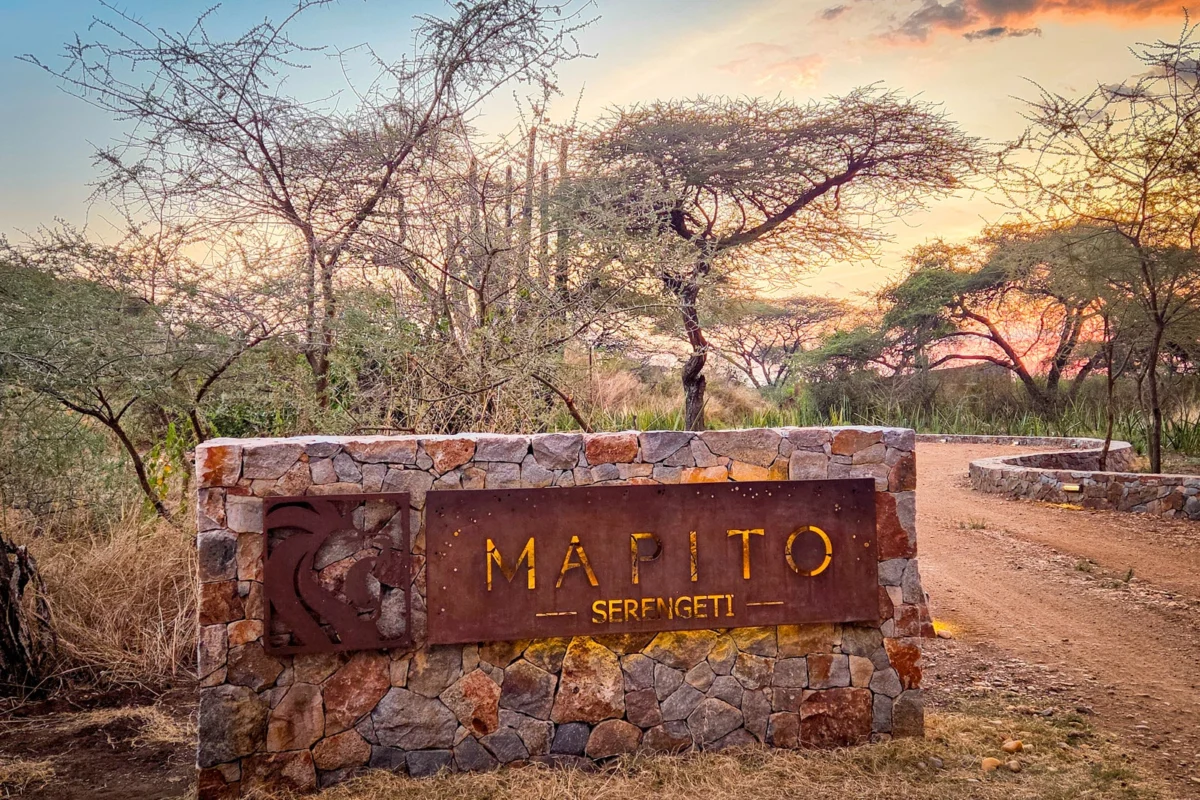
Tanzania has long been a crown jewel of African tourism, but its recent inclusion on the "Where to Go 2026" list highlights a significant shift in how travelers are accessing this bucket-list destination. While the country’s vast landscapes—ranging from the snow-capped peaks of Kilimanjaro to the endless plains of the Serengeti—have always been a draw, a new era of "points-based luxury" is making the high-end safari experience more attainable than ever. Historically, a luxury safari in East Africa required a five-figure cash investment, often excluding those who prefer to leverage loyalty programs. However, with the rapid expansion of major hotel brands into the region, the "points and miles game" has officially arrived in the bush.
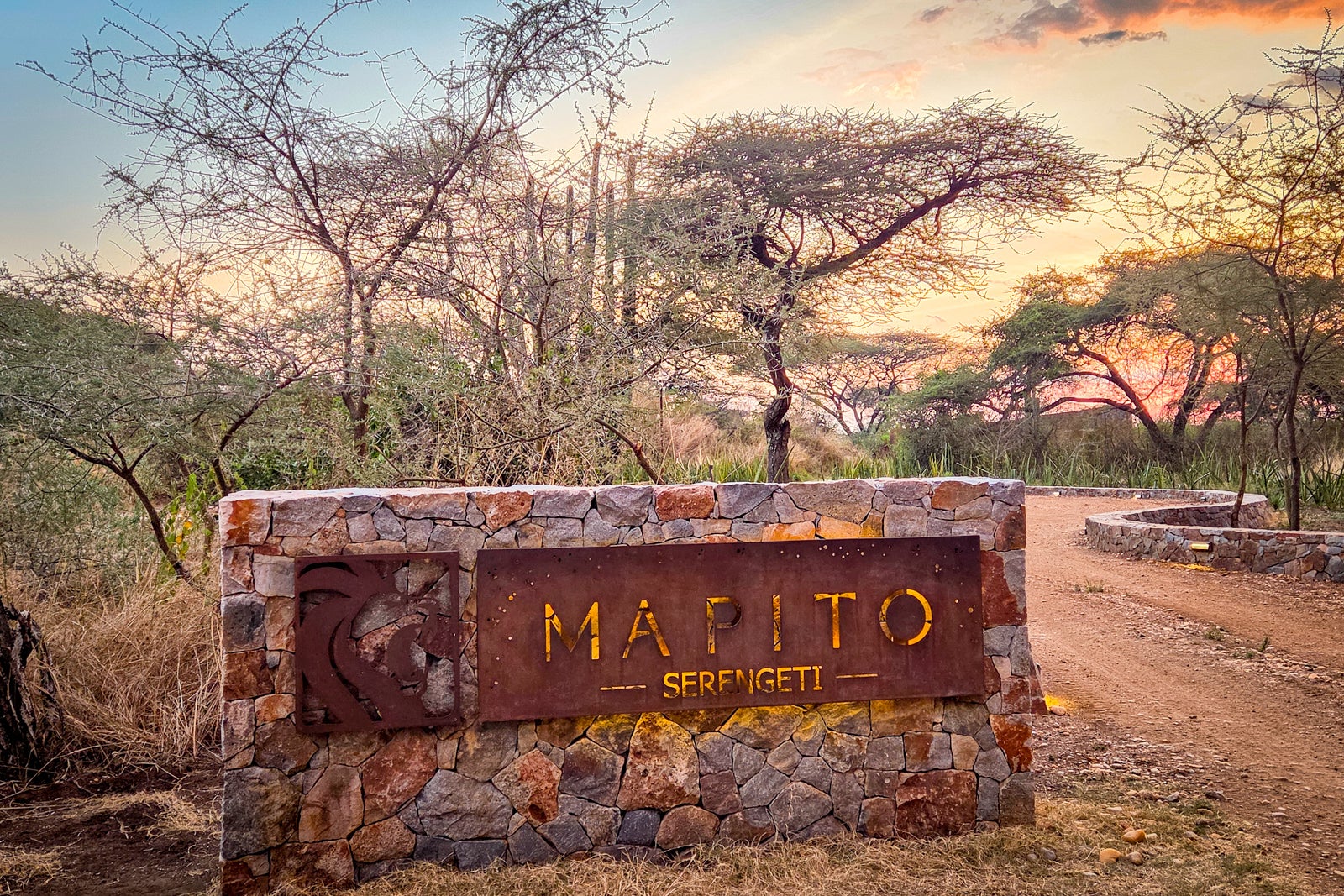
Leading this charge is the Mapito Safari Camp, Serengeti, Autograph Collection. Opening its doors just last year, Mapito holds the distinction of being the first safari camp under Marriott’s Autograph Collection umbrella. It joins a growing portfolio of aspirational properties, such as the JW Marriott Masai Mara in Kenya, designed to cater to Bonvoy members who want to witness the Great Migration without sacrificing the comforts of a five-star resort. This all-inclusive property offers a seamless blend of rugged adventure and refined hospitality, situated on the outskirts of one of the world’s most famous national parks.
A Gateway to the Serengeti: First Impressions
The journey to Mapito Safari Camp is an adventure in itself. Located near the small village of Robanda, the camp sits just outside the official boundaries of Serengeti National Park. For many travelers, the arrival follows a grueling but breathtaking transit across the Tanzanian interior. Whether arriving via a dusty five-hour drive from the Ngorongoro Crater or a bush flight into a nearby airstrip, the transition from the wild savannah to the manicured grounds of Mapito is striking.
Upon arrival, guests are met with a traditional Tanzanian greeting that sets the tone for the stay. A dedicated team of staff welcomes weary travelers with chilled, scented towels, refreshing welcome drinks, and handmade bracelets—a small but significant gesture of "Karibu" (welcome). The property is designed to coexist with the landscape rather than dominate it. Gravel paths wind through scrubby indigenous vegetation, and the "rooms" are actually heavy-duty, permanent tents that offer a sense of quiet luxury. It is a place where the wildness of Africa—including the occasional slithering snake or scurrying mongoose—is separated from high-end comfort by only a layer of canvas and meticulous service.
Accommodations: Glamping Redefined
Mapito Safari Camp offers a tiered selection of accommodations, totaling 16 units: three deluxe tents, six one-bedroom tented suites, and six two-bedroom tented suites. For those seeking ultimate privacy, there is a singular tented villa featuring two bedrooms, a full kitchen, a game room, and a private pool.
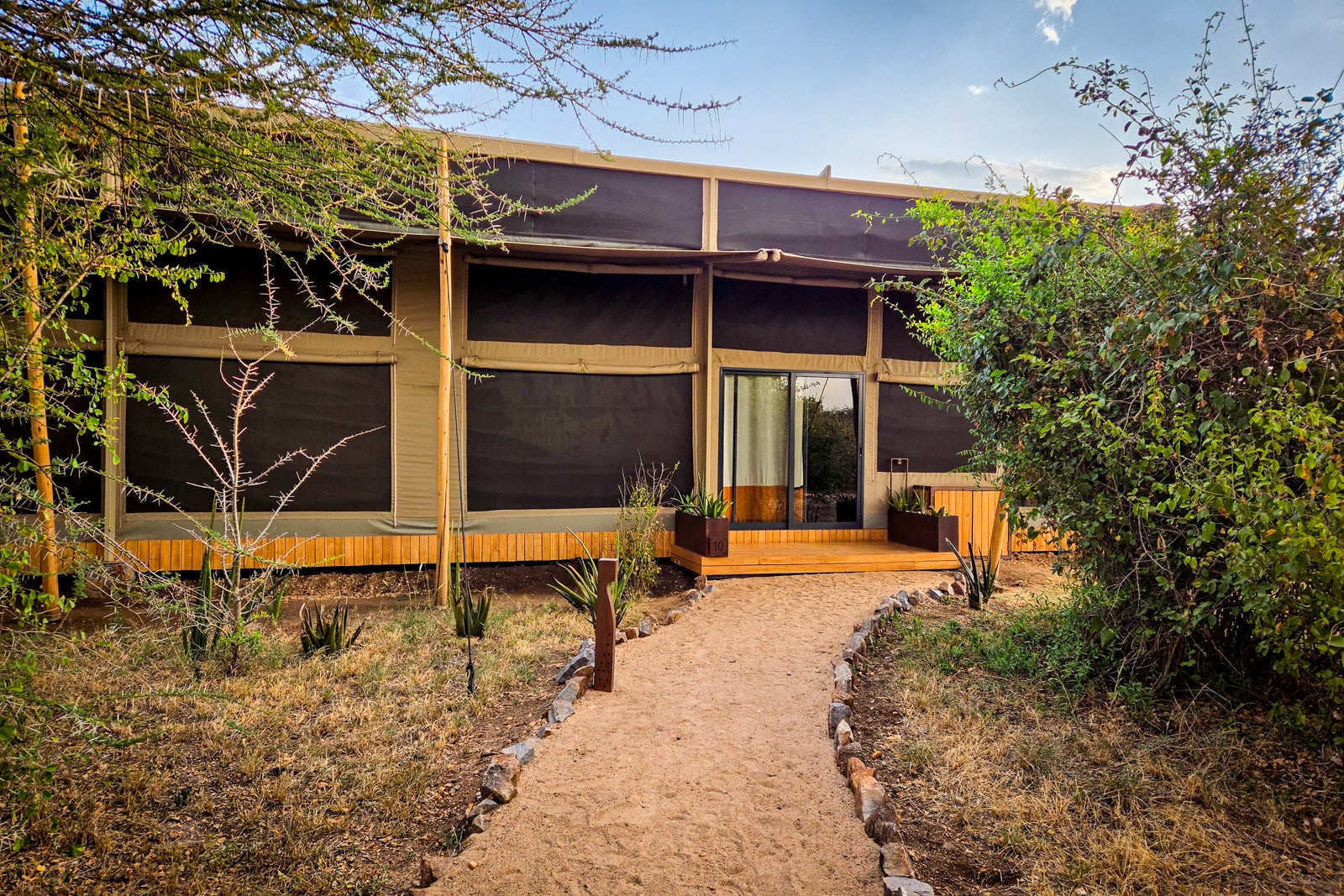
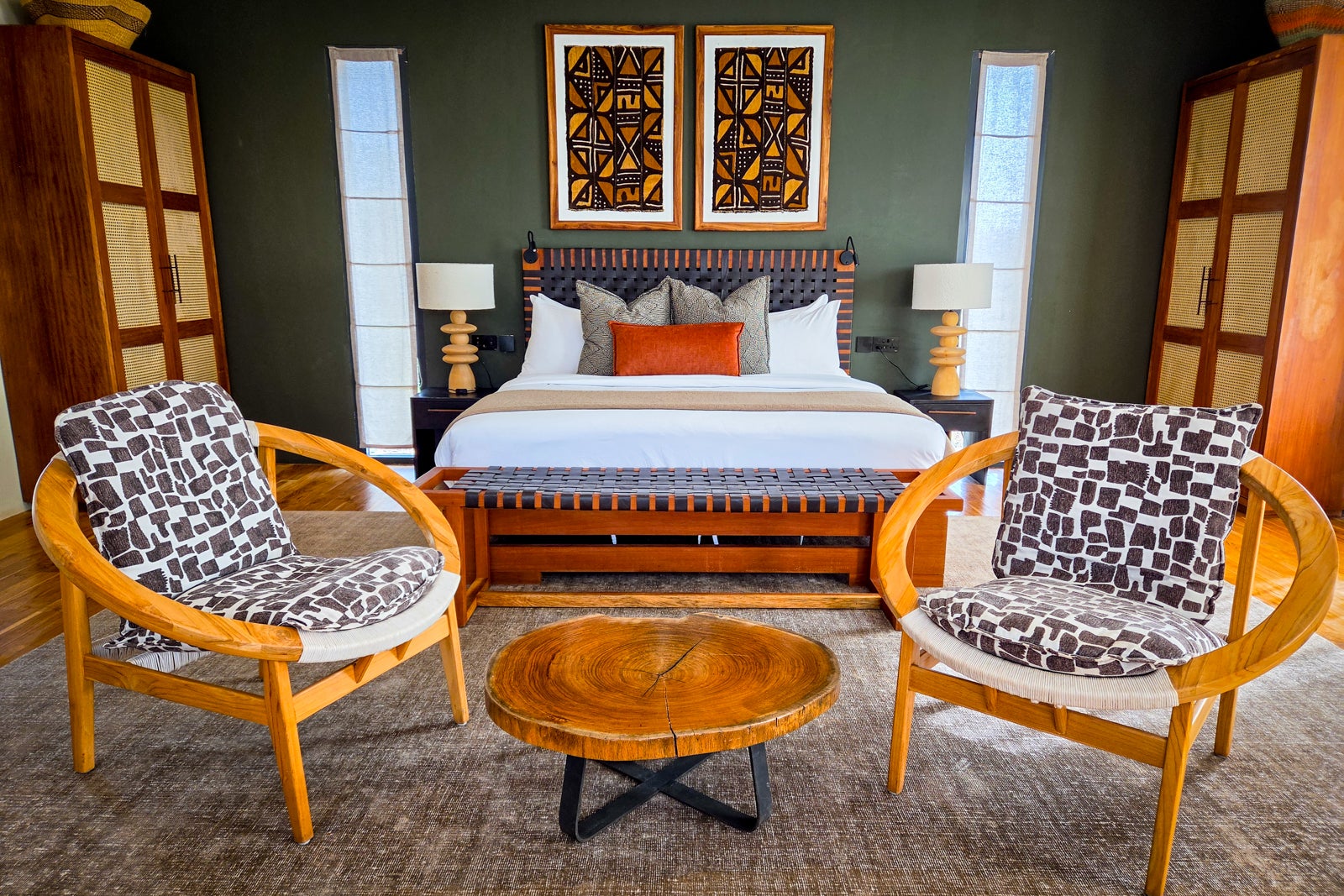
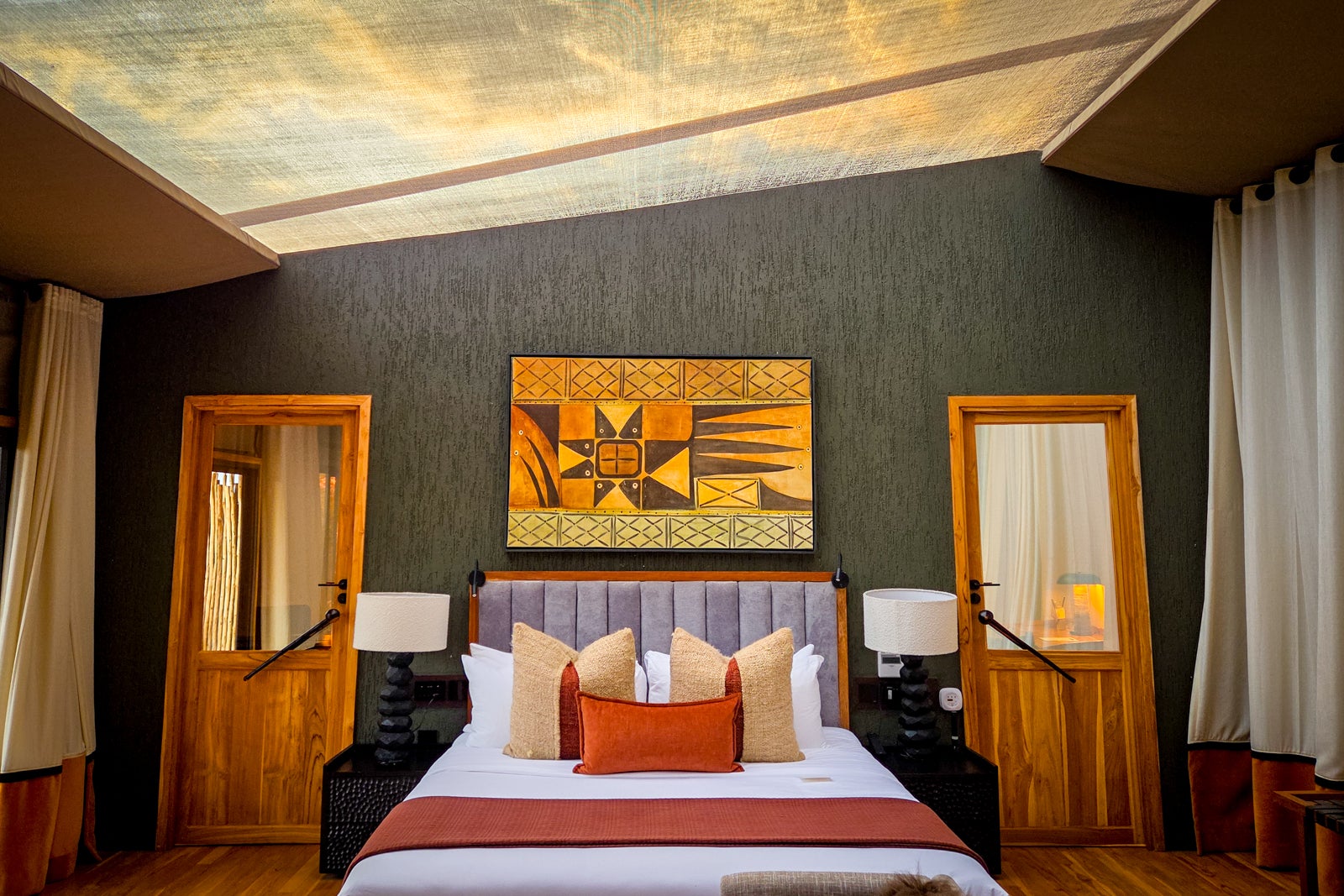
Calling these structures "tents" is a bit of a misnomer; they are expansive, sturdy dwellings that feel more like permanent bungalows. The design philosophy centers on "biophilic luxury," using natural materials like stone, wicker, and wood to mirror the environment. The interior of the one-bedroom suite is a masterclass in African-inspired design, featuring bold-print textiles, artisanal animal sculptures, and dual indoor-outdoor showers.
The highlight of each tent is the retractable roof. With the turn of a handle, guests can open their ceiling to the stars, allowing the sounds of the Serengeti—the distant roar of a lion or the chirping of night jars—to fill the room. To maintain a sense of place, the designers incorporated cultural artifacts, such as "do not disturb" gourds traditionally used by local elders to signal that important matters were being discussed. While the aesthetics are impeccable, there are minor instances where form triumphs over function, such as decorative stick handles on bathroom doors that can be temperamental. However, these are minor quibbles in an otherwise flawless execution of "glamping."
Culinary Excellence in the Wild
In the world of all-inclusive resorts, the quality of food can often suffer under the weight of volume. Mapito avoids this trap by focusing on a quality-over-quantity approach. The heart of the camp’s social life is Njia Restaurant, where guests take all their meals. Unlike many safari lodges that rely on buffets, Mapito offers a highly customizable, à la carte experience.
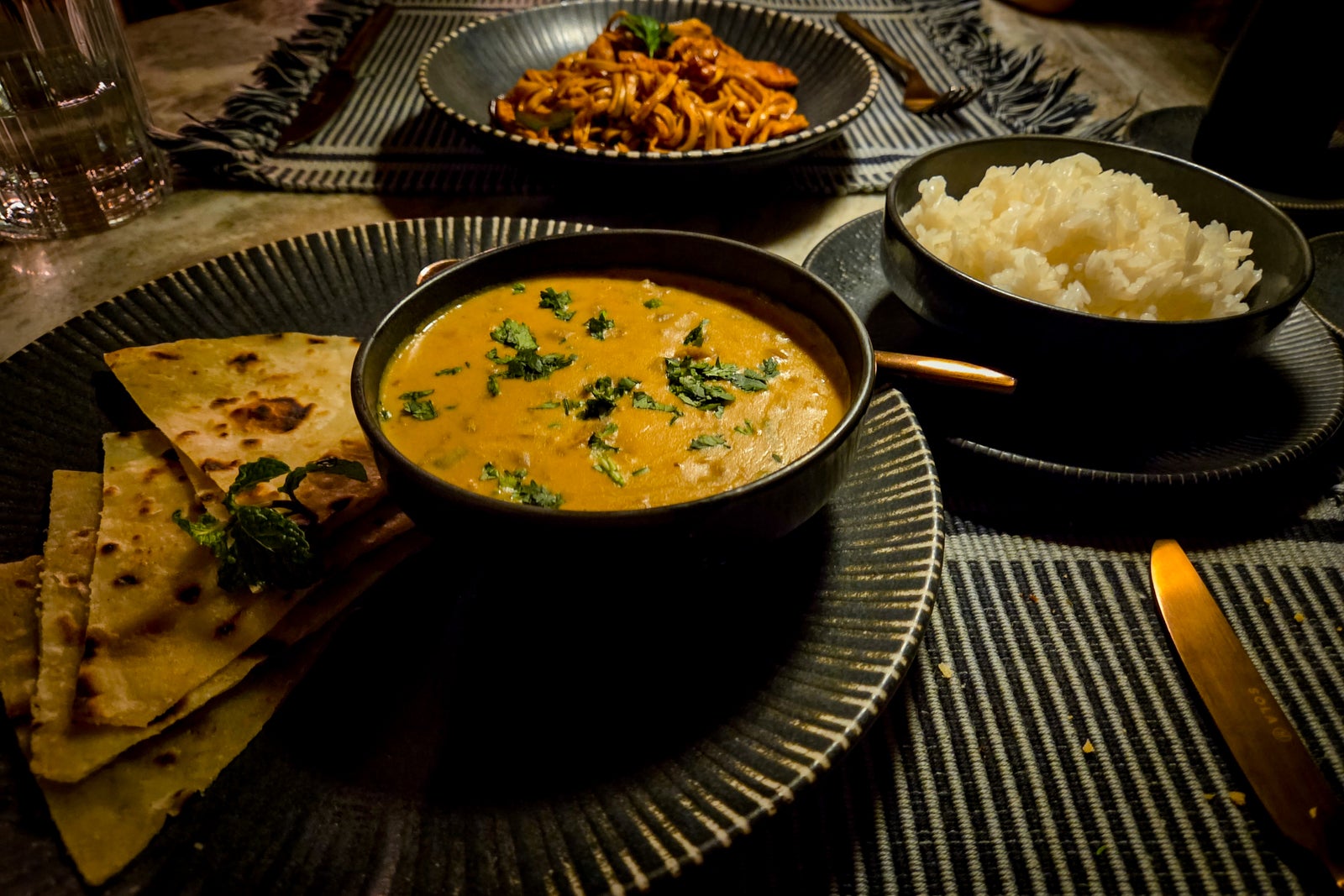
The culinary program is overseen by a chef who prioritizes personal interaction. Before each meal, the chef often visits tables to discuss dietary requirements and preferences, crafting dishes based on the day’s freshest ingredients. The menu is a fusion of Tanzanian staples, Indian influences (a nod to the historical trade routes of East Africa), and international flair. A standout dish is the wali marage—a traditional Tanzanian preparation of beans in a rich coconut sauce—served with fresh, flaky chapati.

Sustainability is also a key component of the dining experience. The property maintains a small farm-to-table vegetable garden, ensuring that even in the remote bush, salads and garnishes are fresh. For those heading out on early game drives, the kitchen provides massive boxed meals that ensure guests remain fueled during long hours of wildlife tracking. Beyond the restaurant, the Mapito Bar and Njia Lounge provide spaces for relaxation, including a hidden speakeasy for those seeking a quiet nightcap.
The Safari Experience: Wildlife and Adventure
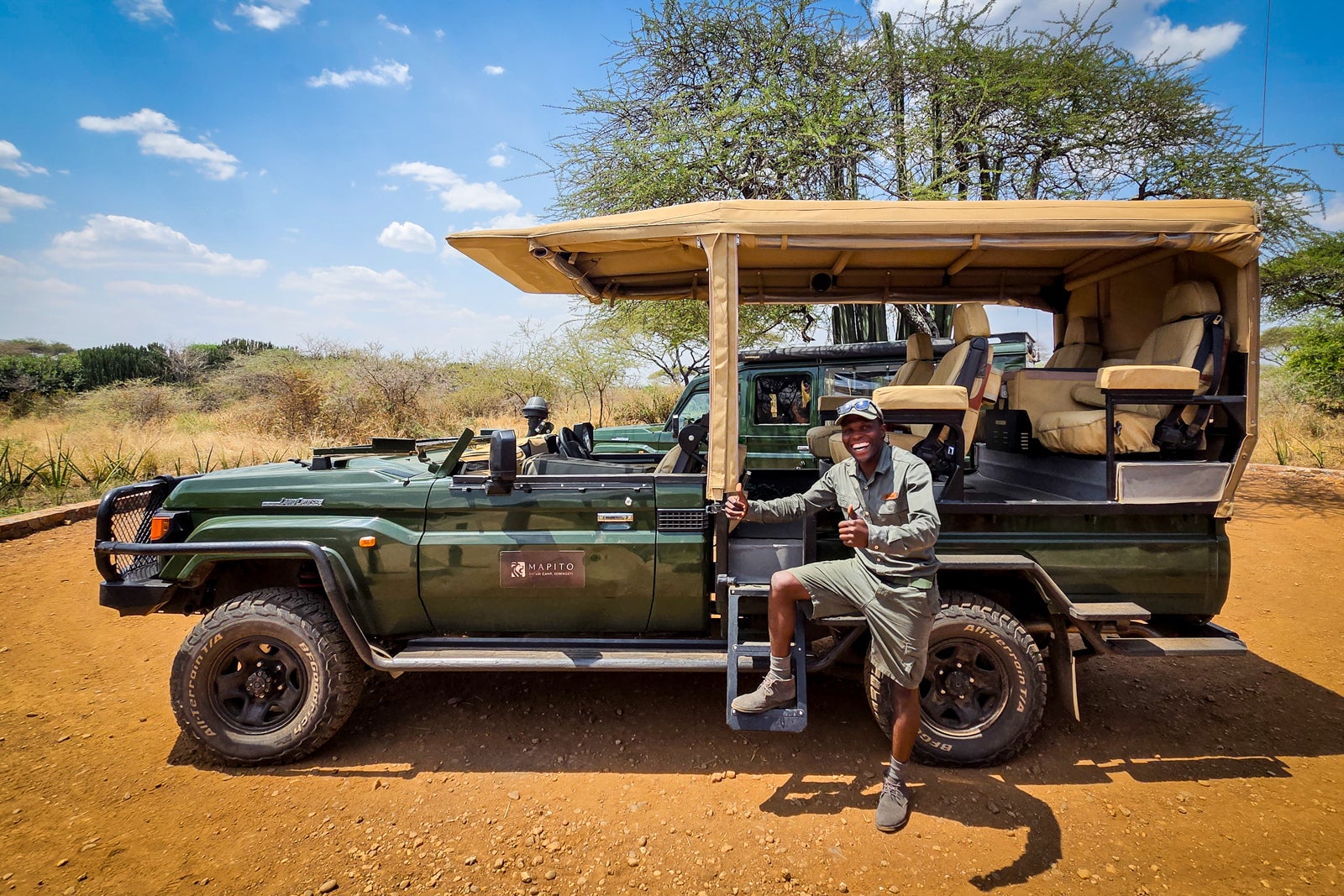
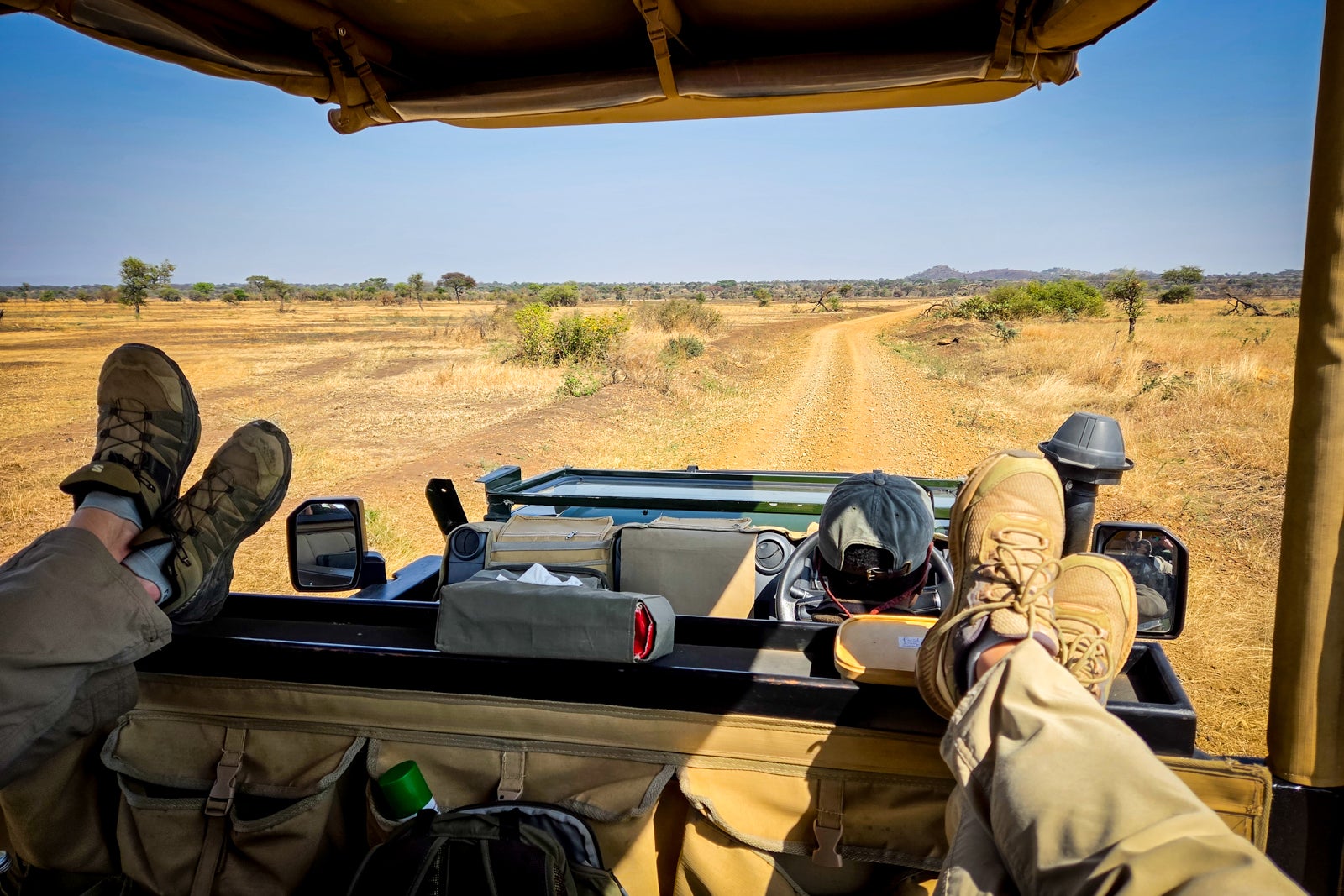
The primary draw of any Serengeti camp is the wildlife, and Mapito delivers through its offering of unlimited game drives. Because the camp is located in a private concession area just outside the park gate, it offers a unique advantage: night game drives. While national parks usually require vehicles to be off the roads by sunset, Mapito’s location allows guests to venture out after dark with powerful spotlights to find nocturnal predators like leopards and hyenas.
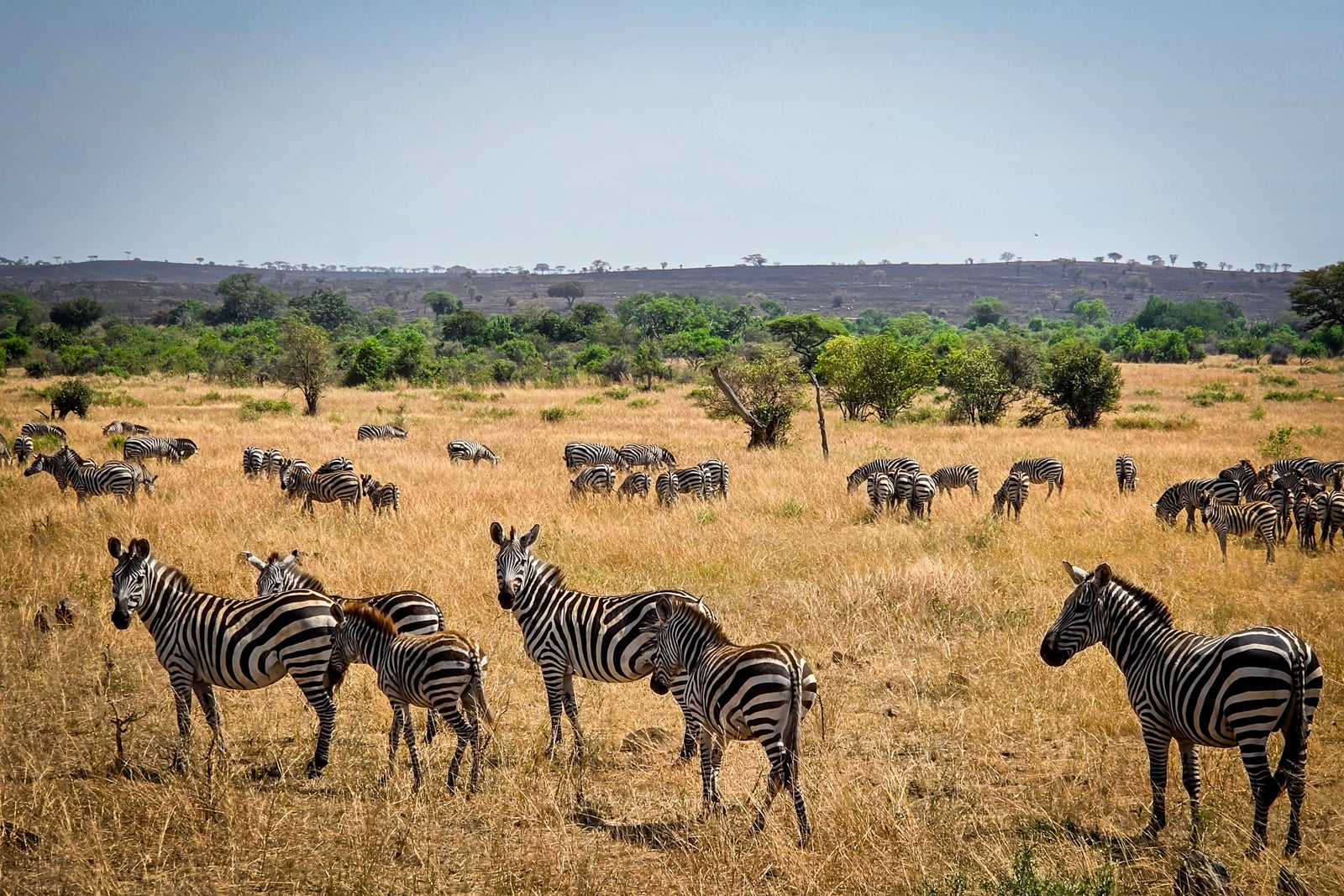
The "unlimited" nature of the drives means guests can head out at dawn, return for a late breakfast, and go out again in the afternoon. The guides, such as the highly praised Daniel, are experts in tracking the "Big Five" (lion, leopard, elephant, buffalo, and rhino). Staying at Mapito during the Great Migration—the annual movement of 1.5 million wildebeest and hundreds of thousands of zebras—provides a front-row seat to one of nature’s greatest spectacles.
However, there is a logistical trade-off. While the local area is rich in wildlife, staying this far north in the Serengeti ecosystem makes day trips to other famous sites like the Ngorongoro Crater or Tarangire National Park difficult due to travel times. Guests are encouraged to treat Mapito as a destination for deep immersion in the Serengeti rather than a base for a cross-country tour.
Safety is paramount in the bush. Despite the luxury, Mapito is an unfenced camp. Guests are instructed not to leave their tents after dark without an escort. Armed guards, often utilizing traditional bows and arrows or nightsticks, accompany guests to and from dinner, ensuring that the local wildlife—including the African pygmy dormouse or larger predators—remains at a respectful distance.
The Human Element: Service and Hospitality
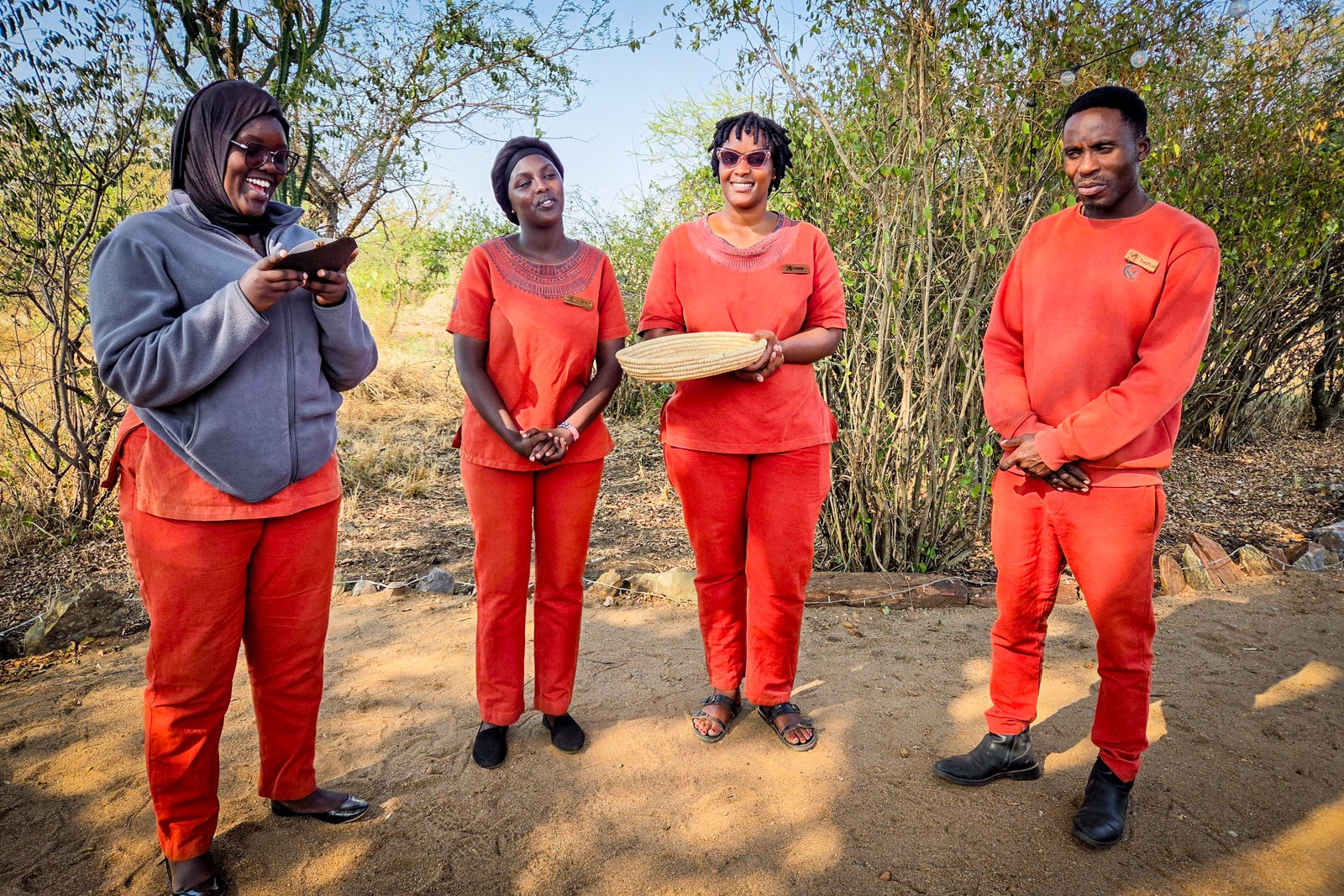
What truly elevates Mapito from a high-end hotel to a world-class experience is the service. The camp employs a personalized butler system, where each room is assigned a dedicated staff member to manage every aspect of the stay. Butlers like Nadya act as concierges, escorts, and personal assistants, often anticipating needs before the guest even realizes them.
The hospitality is rooted in the Swahili concept of "Pole Pole" (slowly, slowly), encouraging guests to shed the frantic pace of modern life and embrace the rhythm of the savannah. This warmth is perhaps best exemplified by the camp’s farewell traditions, which include communal songs and dances that make guests feel less like temporary visitors and more like part of the "Mapito family."
Logistics, Booking, and Value Analysis
Mapito Safari Camp is accessible via Kilimanjaro International Airport (JRO). From there, travelers can opt for a nine-hour drive or, more conveniently, a bush flight to the Fort Ikoma or Seronera airstrips. The camp provides complimentary transfers from these airstrips, making the final leg of the journey seamless.
From a financial perspective, Mapito represents a significant opportunity for Marriott Bonvoy members. Cash rates typically start around $1,710 per night for double occupancy during the low season and can soar to over $2,700 during the peak migration months (June to October). For those using points, rates fluctuate between 188,000 and 245,000 points per night.
A critical data point for points enthusiasts: while cash prices increase significantly when adding a second guest, the award rate often remains the same for one or two people. This effectively doubles the value of the points. Given that the stay is all-inclusive—covering meals, most drinks, and unlimited game drives—the cents-per-point value often exceeds 1.1 cents, well above the standard valuation for Bonvoy points.

To maximize the return on such a stay, travelers should use premium Marriott co-branded credit cards, such as the Marriott Bonvoy Brilliant® American Express® Card, which earns 6 points per dollar on Marriott purchases and provides automatic Platinum Elite status. This status can lead to further perks, such as room upgrades or enhanced amenities, even in a remote safari setting.
Accessibility and Final Verdict
One notable drawback of the property is its lack of accessibility features. The rugged terrain, gravel paths, and tented structures are not currently equipped for wheelchair users or those with significant visual or hearing impairments. However, the staff’s commitment to customization suggests that they may be able to accommodate certain needs if contacted in advance.
Ultimately, Mapito Safari Camp, Serengeti, Autograph Collection, is a transformative addition to the East African safari circuit. It successfully bridges the gap between the traditional, high-cost safari model and the modern world of loyalty-based travel. For the traveler who has saved up a mountain of Marriott points, there are few more rewarding ways to spend them than by watching the sun set over the Serengeti from the deck of a luxury tent, knowing that the adventure of a lifetime was earned one stay at a time. To fully appreciate the offering, a stay of at least three nights is recommended to balance the thrill of the game drives with the serenity of the camp’s spa and Boma experiences. Mapito is not just a place to sleep; it is a gateway to the heart of Africa.
