
 By admin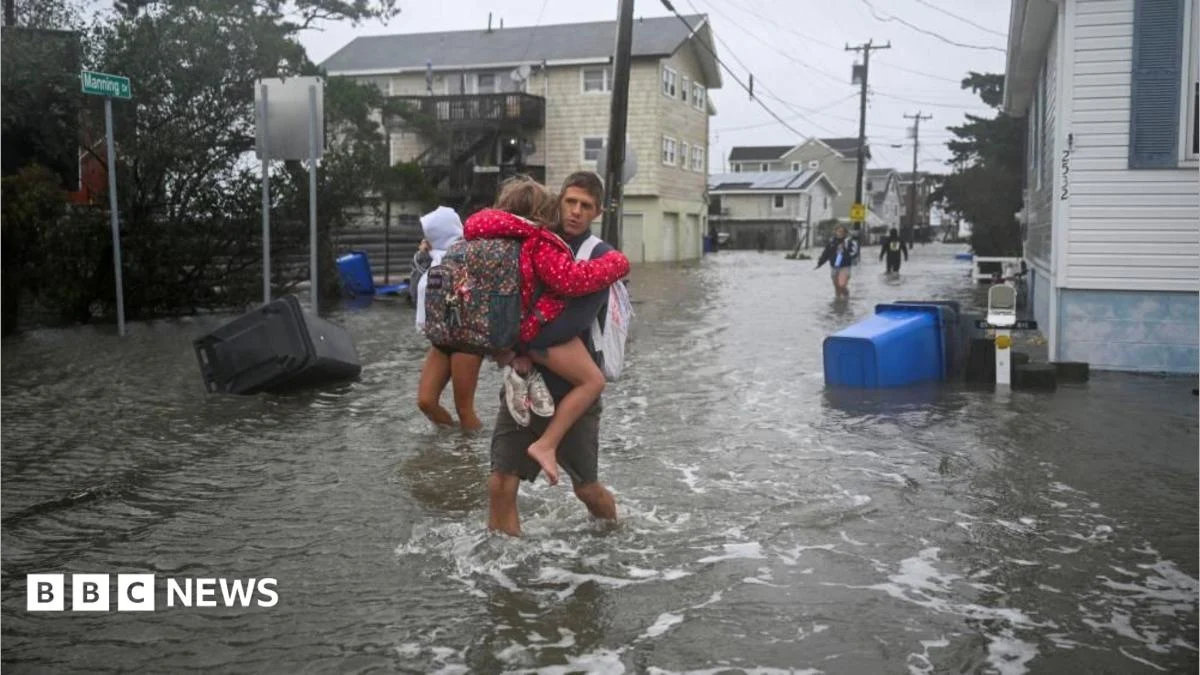
Tens of millions of individuals residing along the northeastern seaboard of the United States found themselves directly in the destructive path of a formidable storm system, colloquially known as a nor’easter, on Saturday, September 26, 2026. This meteorological behemoth unleashed a devastating cocktail of widespread coastal flooding, extensive power outages, crippling travel chaos, and the unfortunate cancellation of numerous high-profile stadium events, leaving communities from Virginia to Maine grappling with its relentless impact. The National Weather Service (NWS) issued stark warnings, describing the storm as bringing "dangerous coastal flooding and beach conditions, strong winds and heavy rainfall" to densely populated areas including the iconic metropolises of New York City and Boston. In response to the escalating threat, states of emergency were swiftly declared in both New York and New Jersey, two states that bore the brunt of a significant coastal deluge in several of their communities.

The sheer scale of the storm’s disruptive power was immediately evident. Over 100,000 households across the northeastern United States were plunged into darkness, according to data from the energy tracker PowerOutage. This widespread loss of electricity not only inconvenienced residents but also posed significant challenges for emergency services and critical infrastructure. The aviation sector experienced severe disruptions, with the Federal Aviation Administration (FAA) strongly advising air passengers to maintain constant communication with their airlines regarding flight status. By Saturday, FlightAware reported a staggering tally of over 2,400 delayed flights and an additional 1,199 flights that were completely grounded, effectively paralyzing air travel in the affected region.
Compounding the severity of the storm’s impact was the timing of the full moon on Saturday, a celestial event known to exacerbate coastal flooding due to its gravitational pull on ocean tides. This astronomical alignment, coupled with the nor’easter’s powerful onshore winds, led to significant inundation in low-lying coastal areas. Images emerging from the scene painted a grim picture: streets and homes in the picturesque New Jersey coastal communities of Surf City and Manasquan were submerged under churning floodwaters. Residents were forced to navigate their neighborhoods in kayaks and paddleboards, transforming familiar streets into aquatic thoroughfares. Governor Mikie Sherrill of New Jersey issued a grave admonishment, urging all New Jerseyans to "take this storm seriously, stay alert and follow local guidance."

The NWS’s alert underscored the immediate danger, stating, "Prepare immediately for significant inundation in low-lying areas near the shore, including roads underwater and impacts to homes and businesses." In New York City, officials braced for wind gusts potentially reaching up to 55 mph (86 km/h) throughout the weekend, a force strong enough to topple trees and bring down power lines, further increasing the risk of widespread disruptions. NYC Mayor Zohran Mamdani addressed residents through a video message, imploring them, "Don’t travel if you don’t have to. Do not drive or walk through floodwater." His cautionary words highlighted the extreme danger posed by the rapidly deteriorating conditions.
The storm’s fury extended beyond infrastructural damage and travel woes, significantly impacting the region’s vibrant cultural and sporting landscape. The highly anticipated Boston concert by global music sensation Ed Sheeran was among the prominent events forced into cancellation due to the severe weather. The venue, Gillette Stadium, cited safety concerns as the primary reason for calling off the show, prioritizing the well-being of attendees and staff over proceeding with the performance. Similarly, in Boston, the Major League Baseball team, the Red Sox, made the difficult decision to reschedule the final game of their series against the Chicago Cubs, moving it to Sunday afternoon in Florida, a testament to the storm’s pervasive reach.

The ripple effects of the nor’easter were felt across multiple professional sports leagues. A Major League Soccer match between Red Bull New York and St Louis City SC was also cancelled, leaving fans disappointed and athletes unable to compete. Furthermore, the annual Global Citizen Festival, a highly anticipated event scheduled to take place in New York City’s iconic Central Park, which was set to feature a star-studded lineup including Lauryn Hill, Wyclef Jean, and John Legend, was also called off. The cancellation of these major events underscores the comprehensive and far-reaching impact of the storm, disrupting not only daily life but also significant cultural and entertainment gatherings.
The meteorological phenomenon known as a nor’easter is characterized by its counter-clockwise rotation of wind around a low-pressure system off the Atlantic coast of North America. These storms typically bring heavy precipitation, strong winds, and significant coastal erosion, particularly during the autumn and winter months. The term "nor’easter" derives from the direction from which the wind blows – typically from the northeast. The intensity of these storms is often amplified by the convergence of cold air from the north and warm, moist air from the Gulf Stream, creating a potent environment for severe weather.

The current storm, while impactful, is not an unprecedented event in the region’s history. The northeastern United States has a long and often challenging relationship with powerful coastal storms. Historical records are replete with instances of devastating nor’easters that have reshaped coastlines, caused widespread destruction, and resulted in significant loss of life. For instance, the "Perfect Storm" of October 1991, immortalized in popular culture, showcased the immense power of these systems, bringingrogue waves and hurricane-force winds to the Atlantic. More recently, Superstorm Sandy in 2012 caused catastrophic flooding and power outages across a vast swathe of the East Coast, highlighting the vulnerability of densely populated coastal areas to such extreme weather events.
Scientists and climate experts have increasingly pointed to the potential link between climate change and the intensification of extreme weather events, including nor’easters. While attributing any single storm directly to climate change is complex, research suggests that rising sea levels, fueled by melting ice sheets and thermal expansion of ocean water, can exacerbate the impact of storm surges. Furthermore, warmer ocean temperatures can provide more energy for storms to develop and strengthen. This growing body of evidence underscores the importance of adaptation and mitigation strategies to prepare for and potentially lessen the impact of future severe weather events.

The economic ramifications of such a widespread and disruptive storm are substantial. Beyond the immediate costs of power restoration and emergency response, there are significant losses incurred from cancelled events, damaged property, and disruptions to businesses. Coastal communities, often reliant on tourism, face immediate economic setbacks. The agricultural sector in the affected regions may also experience losses due to crop damage from heavy rainfall and high winds. Insurance claims are expected to rise significantly as homeowners and businesses assess the damage.
In the aftermath of such events, the focus often shifts to recovery and rebuilding efforts. This includes not only the physical restoration of infrastructure but also the provision of support to affected residents. Shelters are often established for those displaced, and resources are mobilized to assist with cleanup and repair. Long-term considerations include strengthening coastal defenses, improving building codes in vulnerable areas, and developing more resilient infrastructure to withstand the increasing frequency and intensity of extreme weather. The lessons learned from each storm contribute to a growing understanding of how to better prepare for and respond to the challenges posed by a changing climate. As the northeastern United States begins to recover from this latest onslaught, the enduring resilience of its communities will undoubtedly be tested, alongside the ongoing need for robust preparedness and proactive climate adaptation measures. The images of flooded streets and darkened homes serve as a stark reminder of nature’s power and the imperative to address the underlying factors contributing to such devastating weather phenomena.
