
 By admin
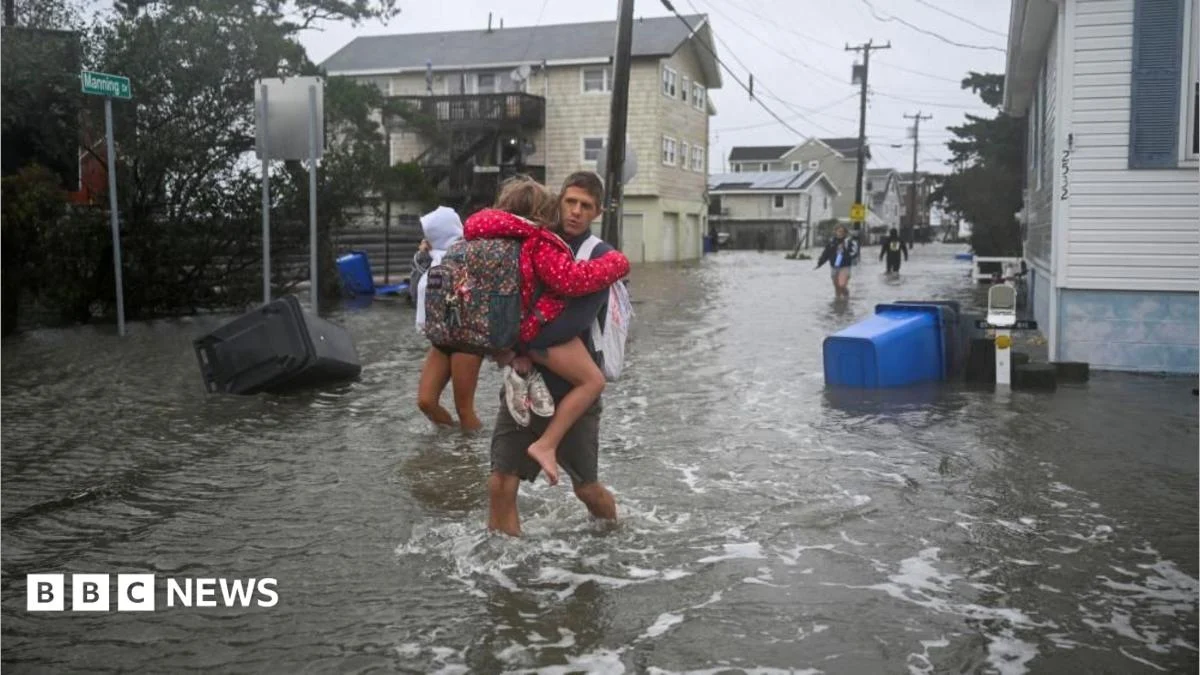
Tens of millions of individuals across the densely populated northeastern United States found themselves directly in the path of a formidable weekend storm, a powerful nor’easter that unleashed a devastating trifecta of coastal flooding, widespread power outages, significant travel disruptions, and the unfortunate cancellation of numerous scheduled events, including highly anticipated stadium gatherings. The US National Weather Service (NWS) issued stark warnings on Saturday, characterizing the storm’s impact as "dangerous coastal flooding and beach conditions, strong winds, and heavy rainfall," with New York City and Boston bearing the brunt of its fury. In response to the escalating crisis, states of emergency were swiftly declared in both New York and New Jersey, regions that experienced a severe coastal deluge in several areas, with forecasts of relentless rain and gale-force winds extending from Virginia all the way to Maine, painting a grim picture for the entire region.
The storm’s destructive power tragically claimed a life in Brooklyn, New York City, where a 56-year-old man was killed by a falling tree. Identified as Leighton Brown, an employee of the New York City Housing Authority (NYCHA), his untimely death occurred while he was reportedly walking through the east Brooklyn neighborhood, working an extra shift. The Office of the NYC Public Advocate expressed profound grief on social media, stating, "We mourn deeply for the loss of Leighton Brown, a NYCHA employee who faithfully served Brooklyn residents and who was known for his warm personality." This tragic incident underscores the perilous nature of the storm and its capacity to inflict severe consequences on unsuspecting individuals.

Beyond the human toll, the nor’easter inflicted widespread disruption through extensive power cuts. According to PowerOutage, a real-time tracker, over 160,000 households, predominantly located in the northeastern US, were plunged into darkness, highlighting the storm’s impact on critical infrastructure. The aviation sector was also severely affected, with FlightAware reporting that more than 2,400 flights experienced delays and an additional 1,199 were completely grounded on Saturday alone, underscoring the widespread paralysis of travel networks. Adding to the woes, the confluence of the storm with a full moon was projected to exacerbate coastal flooding. This natural phenomenon, known as a king tide, significantly amplifies the impact of storm surges, leading to inundation in low-lying coastal areas. Reports from Saturday detailed streets and homes submerged under floodwaters in the picturesque coastal New Jersey communities of Surf City and Manasquan, painting a stark visual of the storm’s destructive reach.
The NWS, in its urgent alert, emphasized the severity of the impending inundation: "Prepare immediately for significant inundation in low-lying areas near the shore, including roads underwater and impacts to homes and businesses." In New York City, officials issued dire warnings of wind gusts reaching up to 55 mph (86 km/h) throughout the weekend, a force strong enough to bring down trees and power lines, further imperiling residents. NYC Mayor Zohran Mamdani implored residents in a video message to exercise extreme caution, stating, "Don’t travel if you don’t have to. Do not drive or walk through floodwater." This plea underscores the critical need for residents to prioritize safety and heed official advisories.
The storm’s disruptive influence extended to the realm of sports and entertainment, forcing the cancellation or postponement of several high-profile events. In the Boston area, the Major League Baseball team, the Red Sox, made the difficult decision to move the final game of their series against the Chicago Cubs to Sunday afternoon, relocating it to Florida to escape the inclement weather. Similarly, a professional football match between Red Bull New York and St Louis City SC was also called off, adding to the list of sporting casualties of the storm.

The cultural landscape was not spared either. The highly anticipated Global Citizen Festival concert, scheduled to take place in New York City’s iconic Central Park and headlined by music legends Lauryn Hill, Wyclef Jean, and John Legend, was ultimately canceled. Adding to the list of postponed events, Ed Sheeran’s highly anticipated concert in Boston was also among those called off due to the severe weather conditions. The venue for Sheeran’s concert, the Gillette Stadium in the Boston area, stated that the cancellation was made "for safety reasons," a testament to the storm’s overwhelming power and the paramount importance of public safety.
The meteorological phenomenon known as a nor’easter is a powerful storm system characterized by strong northeasterly winds and heavy precipitation that affects the eastern coast of North America. These storms derive their name from the direction of the wind that blows them in, originating from the Atlantic Ocean. Nor’easters can form when a low-pressure system travels up the Atlantic coast, drawing in cold air from the north and warm, moist air from the south. This interaction of air masses fuels intense storm development, often resulting in heavy snowfall in winter and significant rainfall, strong winds, and coastal flooding in other seasons. The intensity of a nor’easter is typically measured by its barometric pressure, with lower pressures indicating a stronger storm. Factors such as sea surface temperatures and the jet stream’s position also play a crucial role in determining the storm’s track and severity.
The current storm, while not unique in its type, appears to be particularly potent due to a combination of atmospheric conditions. The presence of a deep low-pressure system, coupled with favorable wind patterns and potentially warmer-than-average sea surface temperatures in the Atlantic, has likely contributed to its strength and the magnitude of the associated impacts. Experts at the NWS have been closely monitoring the storm’s development, providing continuous updates and issuing timely warnings to help communities prepare and mitigate potential damage. The combination of heavy rainfall and high winds, as observed in this event, can lead to flash flooding, mudslides, and widespread power outages due to downed trees and power lines. Coastal areas are particularly vulnerable to the destructive forces of nor’easters, with storm surges capable of causing significant erosion, property damage, and displacement of residents.

The economic ramifications of such a storm are substantial. Beyond the immediate costs of emergency response and cleanup, there are significant losses incurred from business disruptions, damage to infrastructure, and the cancellation of revenue-generating events. The travel industry, in particular, faces considerable financial strain due to flight cancellations, delays, and the disruption of ground transportation networks. The tourism sector, a vital component of the economies in many of the affected northeastern states, also suffers from event cancellations and reduced visitor numbers. Furthermore, the long-term costs associated with rebuilding damaged infrastructure and homes can place a significant burden on local and state governments.
The recurring nature of these powerful storms also raises important questions about climate change and its potential influence on weather patterns. While attributing any single weather event to climate change is complex, scientists have observed an increase in the frequency and intensity of extreme weather events globally. Warmer ocean temperatures can fuel more intense storms, and changes in atmospheric circulation patterns may alter the tracks and behavior of storm systems. This evolving understanding of climate science underscores the importance of investing in climate resilience and adaptation strategies to better prepare for the challenges posed by increasingly volatile weather.
The response to this nor’easter highlights the critical role of robust emergency management systems. The proactive declaration of states of emergency allowed for the mobilization of resources, the deployment of first responders, and the provision of essential services to affected communities. Effective communication between government agencies, meteorological services, and the public is paramount in ensuring that warnings are heeded and that individuals are equipped to take necessary precautions. The efforts of organizations like the NYCHA, despite the tragic loss of an employee, demonstrate the dedication of essential workers who continue to serve their communities even in the face of severe adversity.

Looking ahead, the focus will shift to recovery and rebuilding efforts. This will involve assessing the full extent of the damage, coordinating relief operations, and implementing measures to enhance the resilience of infrastructure and communities against future storm events. The lessons learned from this powerful nor’easter will undoubtedly inform future preparedness strategies and contribute to a more robust and adaptive approach to managing the impacts of extreme weather in the northeastern United States and beyond. The visual evidence of residents navigating flooded streets via kayaks serves as a stark reminder of the immediate challenges faced by those in the storm’s path and the ingenuity required to adapt to such extreme circumstances. The relentless pounding of waves against the coast, as captured in images from Massachusetts, further emphasizes the raw power of nature and the significant threat posed by such meteorological phenomena.
